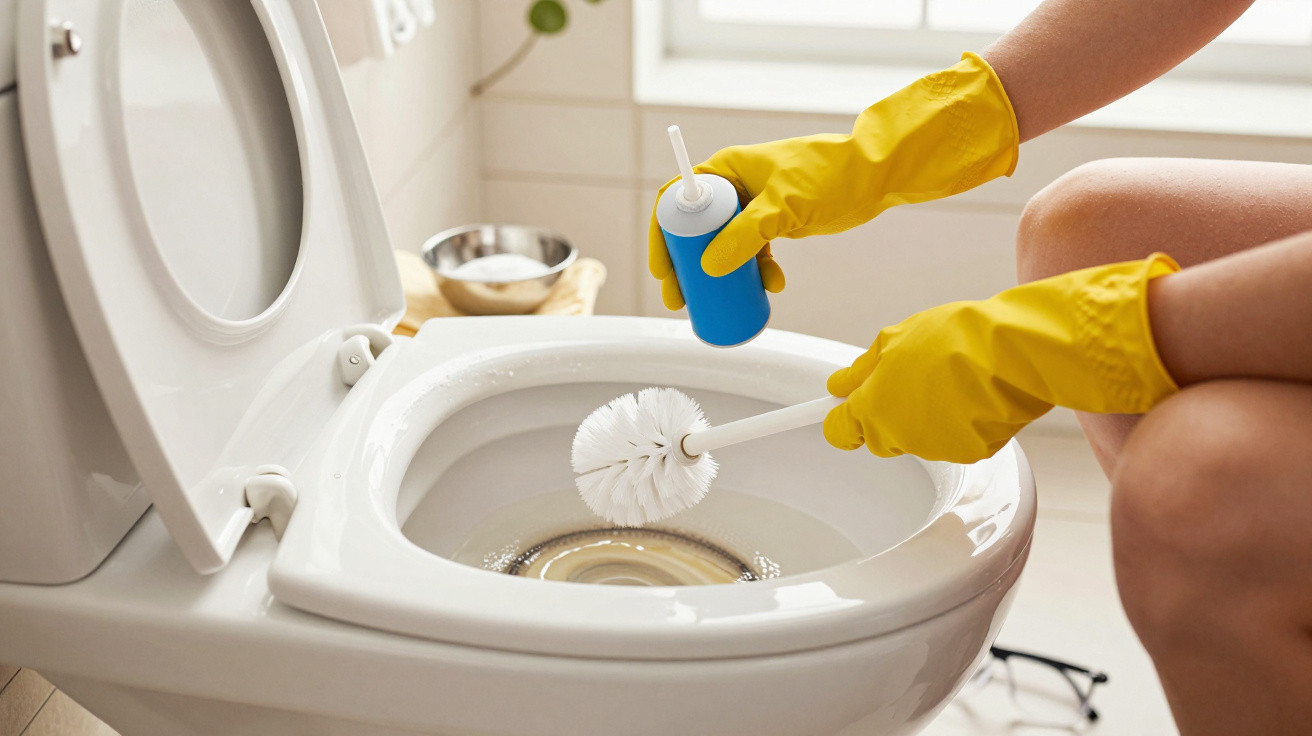
That grey-brown ring looking up at you from the base of the toilet bowl is not dirt – it is chemistry in action.
Homes throughout the UK and US face the same persistent nuisance: hard-water limescale that sticks to toilet bowls and repeatedly returns. Many people reach for bleach or vinegar, scrub until their arms hurt, yet are still left with a lacklustre, stained finish.
Why limescale in toilets is more than just a cosmetic issue
Limescale consists mainly of calcium carbonate, a mineral residue that remains after hard water evaporates. In a toilet, it combines with urine deposits and organic material to create the dark, hard line found beneath the waterline and around the rim.
Toilet limescale is not just ugly. It creates a rough surface that traps germs, odours and new deposits faster.
Cleaning professionals caution that an ignored toilet bowl does more than become yellow over time. Heavy, tartar-like deposits can:
- Provide a home for bacteria and biofilm within micro-scratches and porous areas.
- Reduce the effectiveness of each flush by constricting the water outlets.
- Worsen unpleasant odours, as organic residue attaches to the uneven surface.
- Make routine weekly cleaning an exhausting scrubbing session.
In hard-water locations, including much of England, the Midwest and many coastal states, build-up develops rapidly. A light ring may emerge within days; leave it for several weeks and it becomes a chalky crust that appears fused to the porcelain.
Why bleach and vinegar often disappoint
Most homes depend on the familiar combination of bleach for disinfecting and vinegar for descaling. However, both have drawbacks when limescale has become thick and difficult to shift.
Bleach: bright white, but not a descaler
Bleach cannot dissolve calcium carbonate. It kills microbes and lightens stains, but does not remove the mineral deposit. On a surface that is already rough, this can create a misleading appearance of cleanliness: the bowl looks brighter while the crust remains, ready to collect further residue.
Bleach can mask the problem without removing the mineral layer that causes it.
Frequent use of powerful bleach can also gradually harm seals and some metal parts inside the cistern, particularly in older toilets.
Vinegar and lemon juice: gentle, but often too slow
Acids including white vinegar and citric acid act more directly on limescale, but their effect is slow and requires extended contact. People often add vinegar, wait 15 minutes, scrub, and notice very little difference.
In fact, substantial deposits can require several hours of soaking, hot water and repeated treatments. That is seldom convenient for busy households, especially where there is only one bathroom.
The unexpected 4-minute trick: household lubricating oil
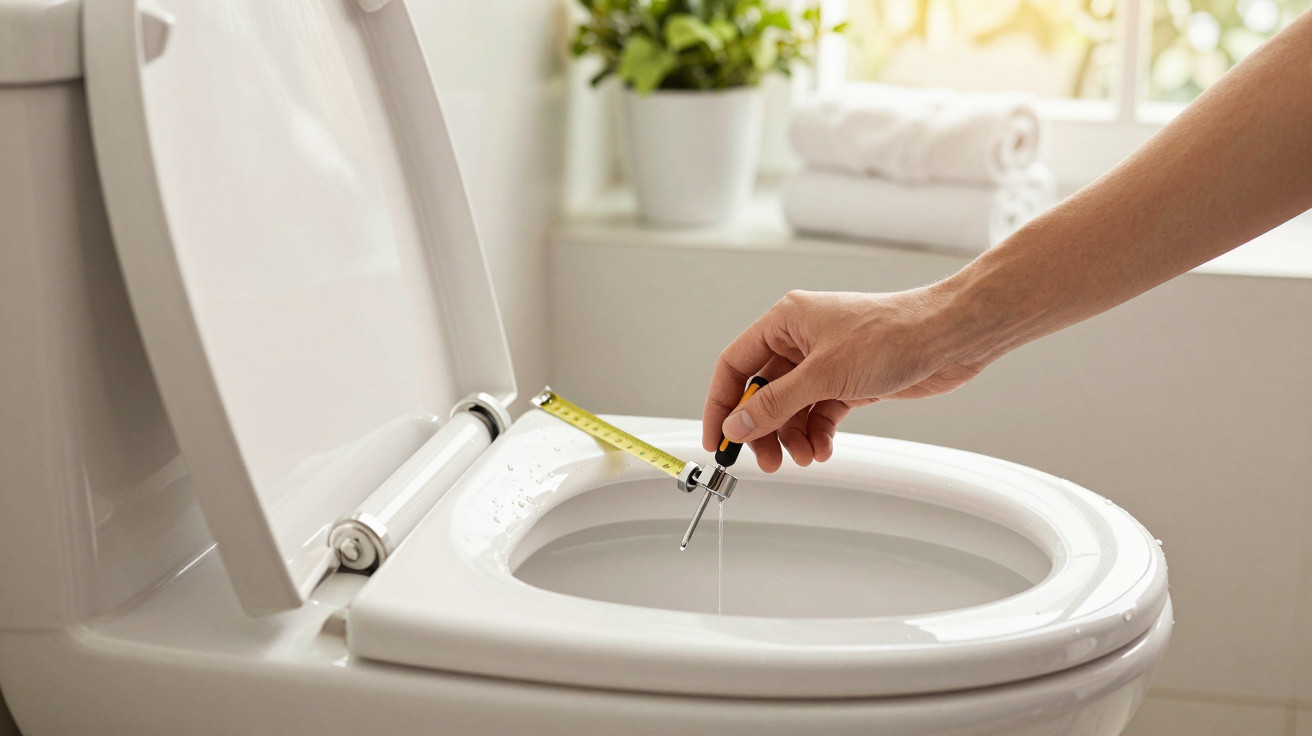
An unusual approach that has become popular on social media and home-care forums uses something more commonly found in a toolbox than beneath the kitchen sink: household lubricating oil – the traditional multipurpose lubricant available as a spray or liquid.
Lubricating oil doesn’t just loosen rust and squeaky hinges. It can help break the bond between limescale and ceramic in minutes.
When applied properly, the oil creates a slippery layer between the porcelain and mineral deposit. This reduces adhesion, softens certain deposits and makes physical removal much easier. For many users, a dark ring that vinegar would not shift releases after a brief soak and quick brushing.
How to use lubricating oil safely in your toilet
This technique is intended for the noticeable, persistent ring at the bottom of the bowl and streaks on its sides. Follow these practical steps:
- Make the target section as dry as you can by using the toilet brush to push most of the water down. The deposit only needs to be less submerged.
- Spray or pour a generous layer of household lubricating oil directly over the limescale ring and streaks, ensuring the full area is covered.
- Allow it to work for 4–5 minutes. In this period, the oil enters tiny gaps and loosens the mineral crust.
- Brush the area thoroughly, concentrating on the ring. Many deposits come away almost like peeling paint.
- Flush once, then brush again with hot soapy water to remove any remaining oily coating.
- Complete the process with a normal toilet cleaner or mild disinfectant to neutralise odours and bring back a fresh scent.
| Method | Main effect | Typical contact time | Effort required |
|---|---|---|---|
| Bleach | Disinfects, whitens stains | 10–30 minutes | High, crust often remains |
| Vinegar / citric acid | Dissolves limescale slowly | 1–8 hours | Medium, needs repetition |
| Lubricating oil | Loosens deposits from ceramic | 4–5 minutes | Low, quick brushing |
What cleaning experts say about this “toolbox” hack
Professional cleaners working in hotels and rental properties employ comparable “separation” methods using surfactants and specialist products. The principle is the same in every case: weaken the deposits’ hold on the surface rather than attempting to dissolve each particle.
The trick is not to fight the entire mineral mass at once, but to break its attachment to the porcelain so it slides off.
Lubricating oil acts as a temporary release agent, working its way into invisible spaces between limestone crystals and the glazed finish. When that connection is weakened, a brush can remove pieces that had resisted acids for months.
Some facilities managers stress one important limitation: oil must not be left in plumbing for extended periods. Thorough rinsing is therefore essential. Infrequent use, followed by plenty of hot water and standard cleaning, prevents accumulation in the pipes.
Preventing the next ring: simple habits that actually work
A single intensive clean is useful, but hard water will always attempt to form another ring. Lasting control relies on small, consistent routines instead of drastic interventions.
Weekly and daily routines against limescale
- Weekly descale: Apply a mild descaling product or citric acid once each week, particularly beneath the rim and along the waterline.
- Night soaks: Once a month, add a descaling solution to the bowl before going to bed and leave it overnight.
- Quick post-flush check: When early grey marks begin to appear, brush them off straight away before they set hard.
- Cistern maintenance: Twice a year, open the cistern and clear away any chalky deposits that could damage its mechanism.
Households in areas with exceptionally hard water could consider fitting a water softener, or at least using an anti-scale block in the cistern. Such products do not remove deposits altogether, but they slow their formation considerably and keep cleaning manageable.
Environmental and health angles to consider
Many readers are concerned by the combination of chemicals poured into drains. Conventional toilet gels frequently contain acids, synthetic fragrances, dyes and chlorine-based ingredients. Swapping repeated use of strong chemicals for an occasional, targeted oil treatment alongside simpler everyday habits may lessen that load.
Less chemical does not mean less hygiene. Smart timing and the right technique can beat brute-force products.
For homes with pets or children, aerosol cleaners and powerful fumes in confined bathrooms present another concern. A short-contact approach using minimal product, followed by good ventilation and complete rinsing, reduces exposure while still leaving the bowl visibly clean.
When to skip home hacks and call a professional
Not every stubborn stain is caused by limescale. Dark marks far inside the trap, consistently slow flushing or recurring blockages may indicate a partly obstructed pipe or an issue with the venting system. Adding more products to the bowl will not fix a structural fault.
Plumbers can use cameras to inspect drains and determine whether mineral deposits, wet wipes or roots are limiting the flow. In some older homes, the glaze inside the toilet pan has genuinely worn away, creating a permanently uneven surface that stains more quickly. In that situation, a replacement toilet may offer reduced water use, improved hygiene and less weekly upkeep.
This unconventional oil technique falls between gentle DIY maintenance and professional help. When used sparingly and sensibly, it can refresh a heavily stained bowl within minutes, leaving room for lighter, more environmentally conscious routines that stop the issue returning so quickly.



Comments
No comments yet. Be the first to comment!
Leave a Comment