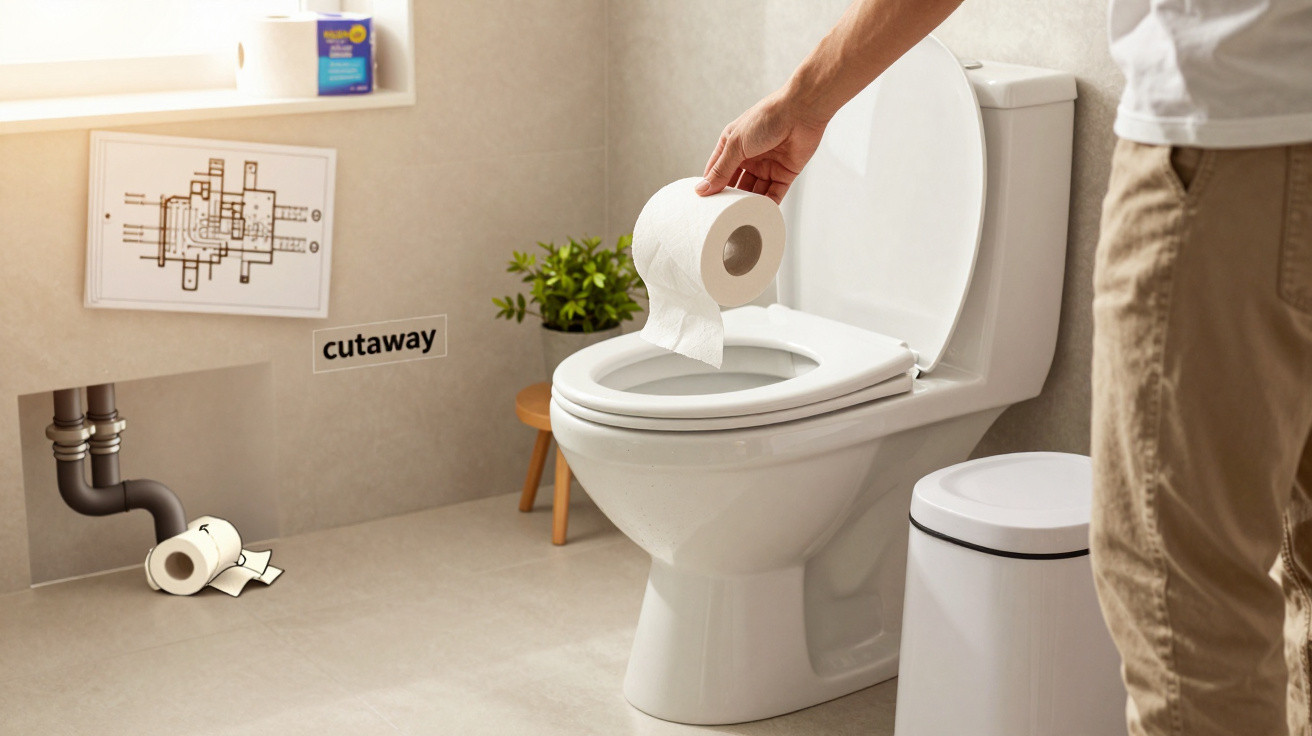
That little notice above the toilet can seem puzzling, or even old-fashioned. However, the instruction not to flush paper reflects a combination of plumbing constraints, environmental strain and costly repairs that are seldom discussed.
Why flushing toilet paper can become a major issue
In Brazil and across many parts of Latin America, sewer systems expanded rapidly, often with limited funding and based on older standards. Pipework remained narrow, routes had to bend around existing properties, and water pressure was never fully suited to networks carrying fibre and waste.
Toilet paper designed for flushing relies on two conditions: robust pipes and enough water to carry it through them. Without both, it does not perform as intended. Instead, it clumps together, catches on uneven surfaces and gradually creates hidden obstructions that can eventually turn into a serious emergency.
What looks like a clean, modern habit from abroad often clashes with fragile plumbing and overloaded septic systems.
In many Brazilian properties, particularly older homes, the plumbing was installed decades ago. It was generally sized for liquid and human waste rather than thick bundles of paper. In rural locations, septic tanks are used where mains sewers do not reach, and these systems rely on particular bacteria that process organic waste rather than dense, scented paper pulp.
How plumbing design works against toilet paper
Household drainage systems that struggle with toilet paper tend to have several features in common. Individually, they may not appear alarming, but together they create ideal conditions for blockages.
- Narrow, winding pipes: Older systems commonly have small-bore pipes and tight 90-degree turns, where wet paper can become trapped.
- Low water pressure: A weak flush does not move paper far enough along the pipe, allowing it to settle on coarse internal surfaces and begin forming a blockage.
- Septic tanks under strain: These tanks were intended to process organic waste. Cellulose fibres decompose slowly and can interfere with their biological balance.
- Lack of proper treatment: In places where treatment plants are absent or function poorly, paper that has not dissolved can enter rivers and streams largely intact.
Engineers explain that these networks quietly “age”. Mineral scale makes pipe interiors rougher, tree roots enter through joints, and every sheet that fails to disintegrate completely adds another layer. The consequences may not be visible immediately, but they can emerge one evening - typically when visitors are over and no plumber is available.
Why “premium” rolls create premium problems
Toilet paper advertising promotes softness, thickness and luxury. Although double- or triple-ply rolls may feel kinder on the skin, their construction makes them more difficult for plumbing to handle. The more layers they contain, the longer they take to break down in cool water with little turbulence.
Manufacturers combine various fibres and additives to achieve that “cotton-like” texture. Lotions, fragrances and strengthening agents allow the paper to withstand moisture while it is being used. Once it is flushed, however, those same qualities slow its disintegration, especially in short pipe runs with low pressure.
Paper designed to be strong in your hand can stay strong for far too long inside narrow, ageing pipes.
Even toilet paper sold as “rapid dissolving” can perform differently between homes. A modern tower block with straight PVC pipework and a powerful flush may handle a limited amount without difficulty. The same brand could block a 40-year-old property with corroded, repaired pipes in one weekend if everybody uses too much.
The environmental impact beyond the bathroom
The problem extends beyond the toilet bowl or a neighbour’s wall. Toilet paper that does not break down can become an overlooked pollutant once it enters the wider drainage system.
When sewage networks lack complete treatment or overflow during heavy rain, clumps of paper can reach natural waterways. They may then float for weeks alongside other rubbish before microbes gradually break them down.
Researchers and water authorities identify several consequences:
- Visible pollution: Bundles of paper in rivers, lakes and coastal waters lower water quality and harm tourism and local fishing.
- Blocked treatment equipment: Screens, pumps and filters at sewage works require more frequent clearing, increasing maintenance costs and energy consumption.
- Soil and groundwater contamination: In rural areas without adequate sewage collection, flushed paper and waste can seep into soil and eventually reach wells.
- Pressure on forests and landfills: Worldwide toilet paper production uses enormous quantities of wood pulp each year; when paper is sent to landfill, it decomposes slowly and may produce methane.
Every roll represents trees, water and energy. Where it ends up – in rivers, landfills or septic tanks – changes the true cost of each flush.
This environmental issue is also linked to inequality. More affluent neighbourhoods frequently benefit from better-designed networks and consistent maintenance. Less wealthy communities are more likely to rely on fragile infrastructure that fails more regularly and releases untreated waste, including undissolved toilet paper, into areas around homes and schools.
Why toilet paper is flushed in some countries and binned in others
This apparent bathroom “culture clash” is mainly an engineering matter. Across much of North America and Western Europe, modern building regulations standardise pipe widths, gradients and ventilation. Large-capacity cisterns or efficient pressure-assisted toilets generate strong flows that break up and transport paper quickly.
Where systems were built to these standards from the outset, flushing paper became routine. Where infrastructure did not keep pace, households adapted. A small lidded bin beside the toilet is not evidence of backwardness; it is a sensible response to pipework that advertising cannot somehow make wider.
The difference can also confuse visitors. Hotels in large Brazilian cities may state that toilet paper can be flushed because their internal plumbing meets more demanding standards. Only a few streets away, an older property may still have narrow, twisting pipes and a delicate septic tank that cannot cope when guests follow the same practice.
What works best in vulnerable plumbing systems
For homes with ageing plumbing or septic tanks, specialists usually suggest a straightforward, unglamorous measure.
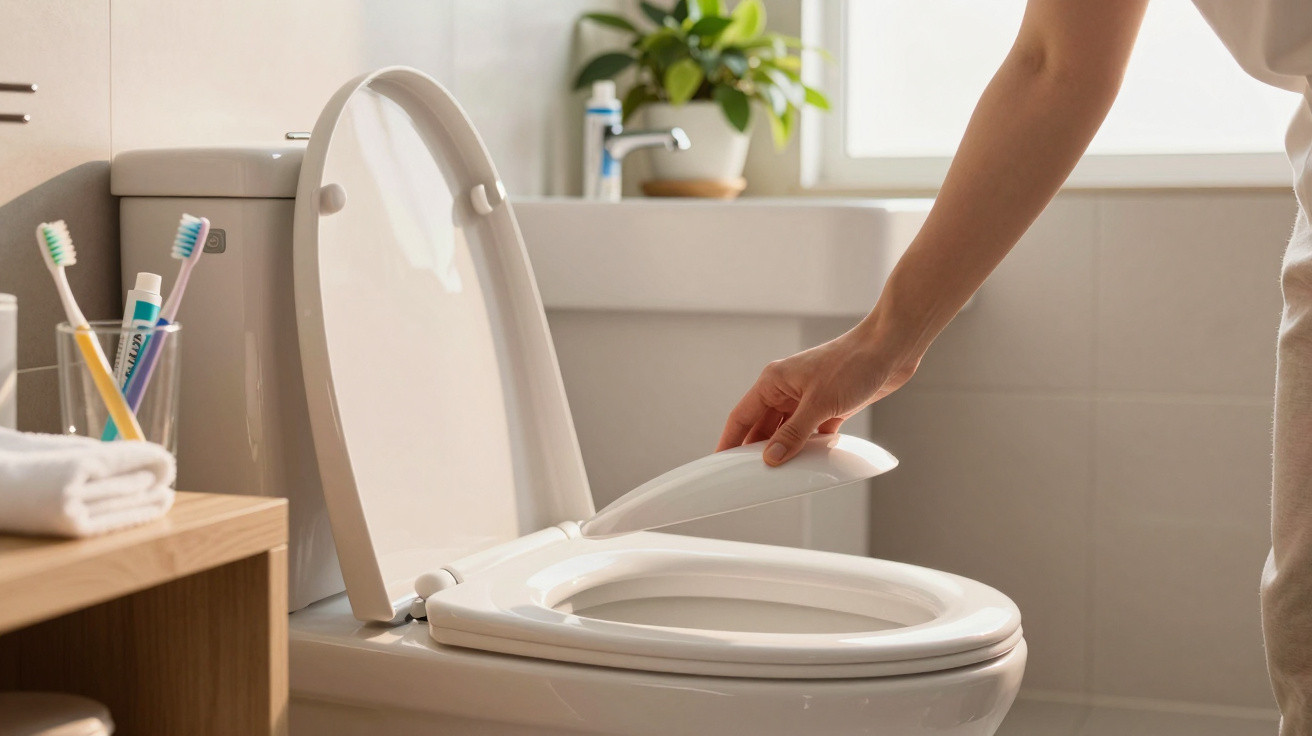
A small, sealed bin next to the toilet prevents blockages, cuts water use and avoids weekend visits from emergency plumbers.
A lined bin with a secure lid greatly limits odours and deters insects. Emptying it regularly with household rubbish prevents excessive strain on pipes and septic tanks. For many households, this method is cheaper, requires fewer cleaning products and reduces the number of urgent calls for professional assistance.
People in newer buildings with reliable pipework and strong flushing systems may opt for a mixed approach. They use the bin for larger volumes of paper, sanitary items and wipes, while flushing only small amounts of plain toilet paper without lotion. Moderation, along with a realistic assessment of the system’s long-term performance, is crucial.
Choosing suitable toilet paper and bathroom habits
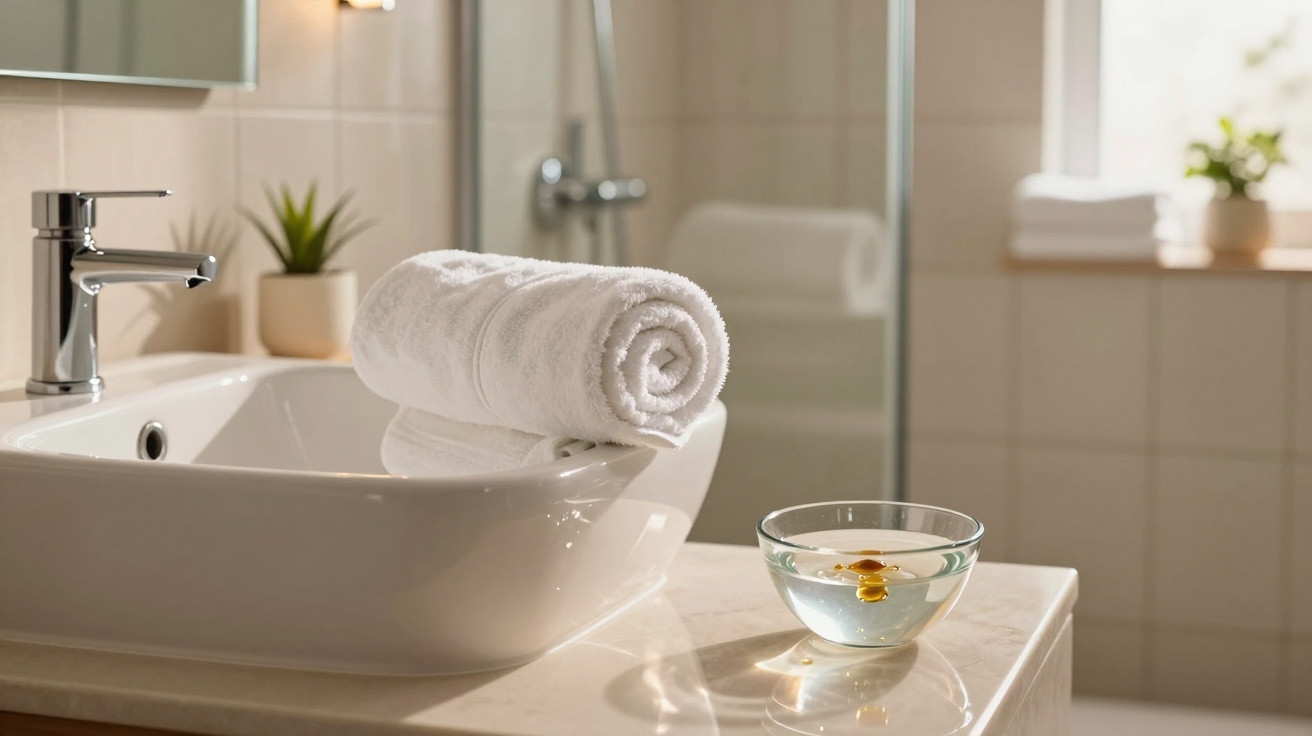
Toilet papers do not all react in the same way. A simple test at home can be revealing: put a few sheets of your usual paper into a glass of water, swirl it gently, then observe it after a couple of minutes.
| Type of paper | Behaviour in water | Risk for weak plumbing |
|---|---|---|
| Single-ply, plain | Breaks apart relatively fast | Lower, if used sparingly |
| Double/triple-ply “luxury” | Remains as clumps for longer | Higher, especially in old pipes |
| Perforated kitchen towel | Stays strong, barely breaks | Very high, should never be flushed |
| Perfumed or lotioned paper | Often dissolves slowly | High, builds stubborn blockages |
Alongside local conditions, these distinctions matter more than promotional claims. One block of flats that replaces thick, fragranced rolls with lighter, unscented toilet paper may experience fewer shared-pipe blockages within months.
Hidden costs, health concerns and practical guidance
Repeated blockages bring financial and health dangers as well as the inconvenience of a flooded bathroom. Backflow from toilets and drains can expose occupants to pathogens. Leaks from damaged pipes may leave walls damp, encouraging mould and respiratory issues. Emergency plumber visits during holidays or at night can erode a household budget as quietly as any subscription service.
For households dealing with vulnerable infrastructure, several habits can limit these risks:
- Use a lidded bathroom bin with a liner, and empty it regularly.
- Do not flush anything other than human waste and small quantities of dissolving toilet paper.
- Avoid wet wipes, including those described as “flushable”, because their fibres do not break down easily.
- Give children clear guidance on what may and may not be put in the toilet.
- When renting, ask the landlord or building manager about the plumbing’s age and type.
There is also a rarely discussed planning issue. Urban engineers caution that cities facing increasing water stress will need to reconsider flush volumes and pipe design. As drought becomes more common, systems created for high-volume, water-intensive flushing may no longer suit actual conditions. This could make the habit of flushing large quantities of toilet paper seem less sustainable, even in places that are currently well served.
Another related subject receiving more attention is the move towards bidets and washlets. In some homes, washing with water instead of depending on thick toilet paper can substantially reduce paper use and the pressure placed on pipes. Where the installation is possible, a basic hand-held bidet spray, paired with a small amount of thin paper or a bin for drying sheets, can alter both comfort and maintenance costs.
The modest bathroom bin therefore stands at an unexpected meeting point between personal comfort, engineering constraints and environmental pressure. Understanding how your plumbing operates - and changing habits accordingly - can help avoid many of the “mystery” disasters that begin with one seemingly harmless flush of toilet paper.



Comments
No comments yet. Be the first to comment!
Leave a Comment