The first time I realised the grout in my bathroom had gone grey, I honestly wondered, “Was it always that colour?”
Dirt has a stealthy way of taking hold. You can be brushing your teeth one half-awake morning when you spot the narrow gap between the tiles: no longer bright or white, but a weary, darkened line. Suddenly, the entire room seems more dated, as though it needs a refurbishment you definitely cannot pay for just now.
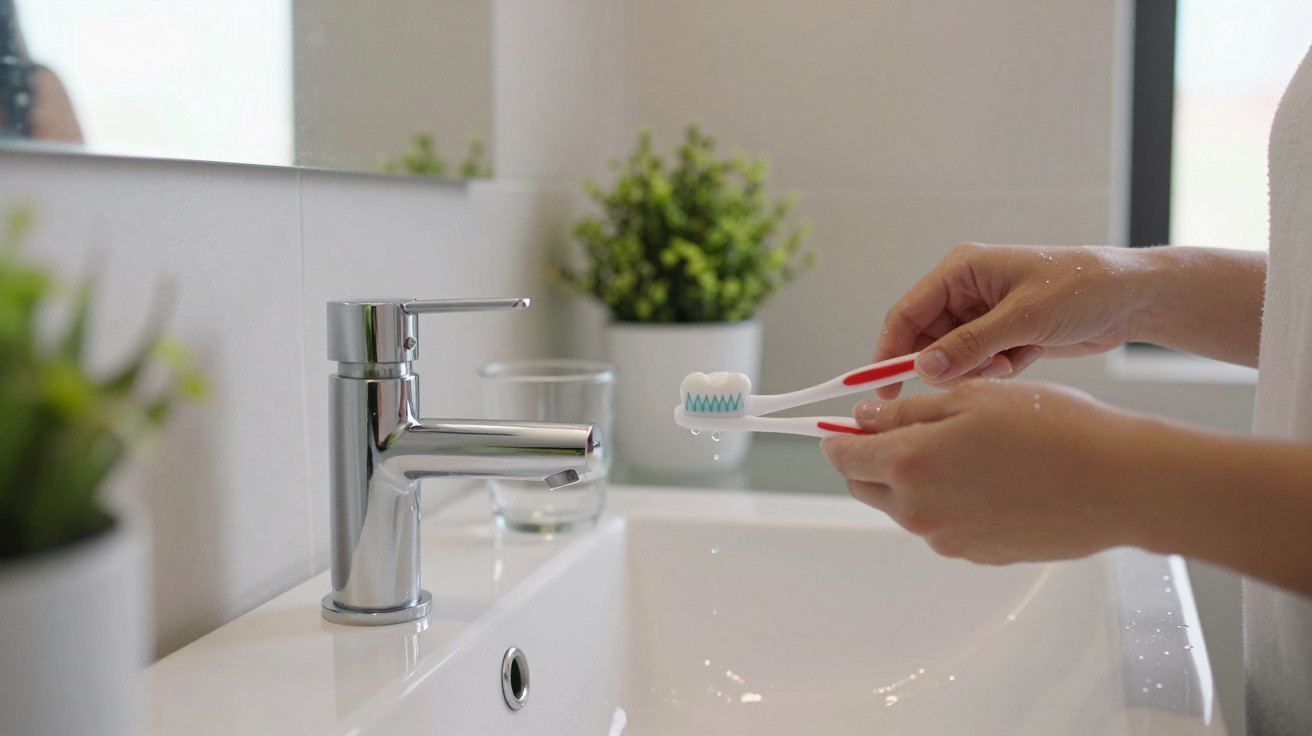
I followed the familiar path: pungent sprays that irritated my nose, scrubbing until my wrist hurt, and a brief online search for “regrout costs” before shutting the page in alarm. There was guilt, too - the little inner voice insisting, “You should have kept on top of this.” But really, nobody cleans grout daily. Then, one ordinary evening, I was standing at the bathroom mirror with a toothbrush in my hand when I found the easiest, most low-effort cleaning trick I have used for years.
It required little more than the toothbrush itself.
How an old toothbrush became a grout-cleaning tool
The idea came about in the least glamorous circumstances: I was just about to throw away an old toothbrush. It had reached the end of its life, with bristles sticking out like an unfortunate hairstyle, and I was holding it over the bin. Before I dropped it in, I stopped. Its neat rows of bristles suddenly seemed less like waste and more like a small but determined scrubbing brush.
I had heard people talk about toothbrushes for “detail cleaning”, but it had always sounded like one of those Pinterest suggestions that people share but never try. That evening, however, the floor grout was taunting me and I had no suitable cleaning equipment nearby, so the choice felt obvious. I rinsed the toothbrush, flicked off the extra water and knelt on the cold tiles, feeling faintly silly but intrigued as well.
The odd thing was that the answer to something which had bothered me for months had been sitting in my bathroom tumbler all along.
The toothbrush grout trick: warm water, patience and gentle pressure
What to do without expensive cleaning products
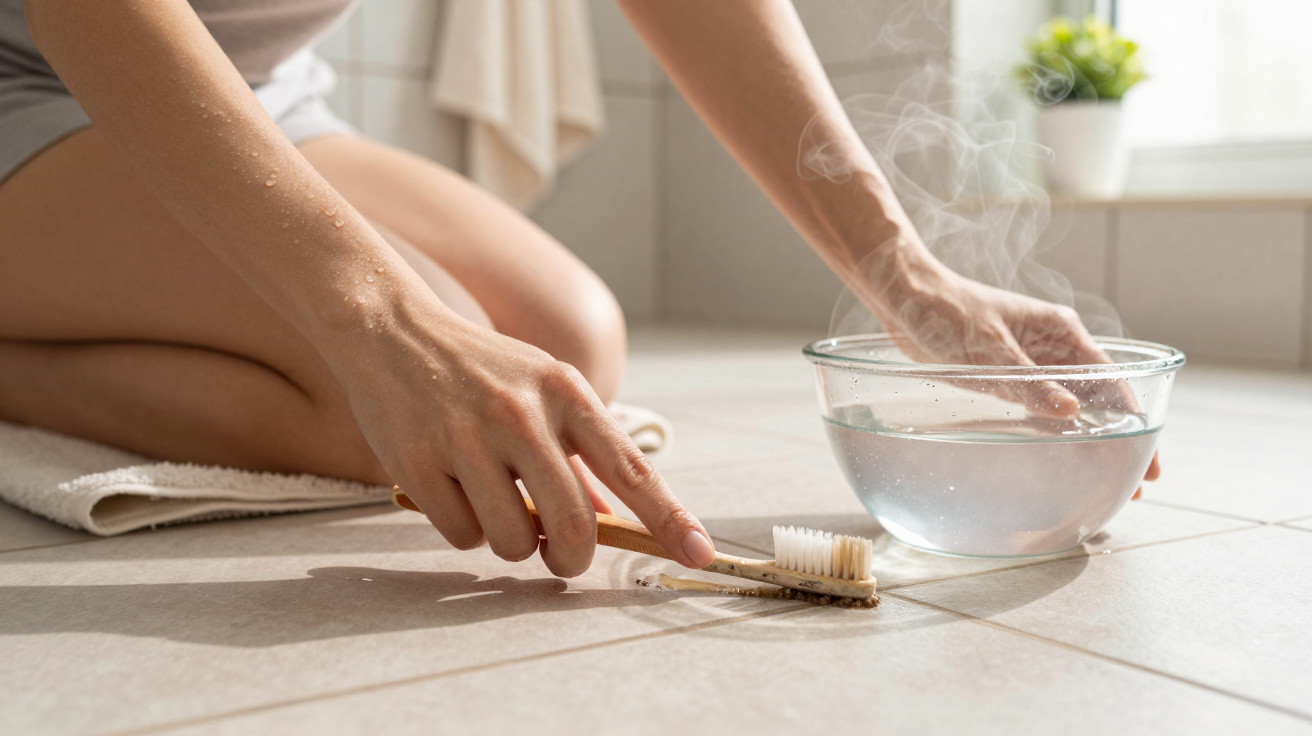
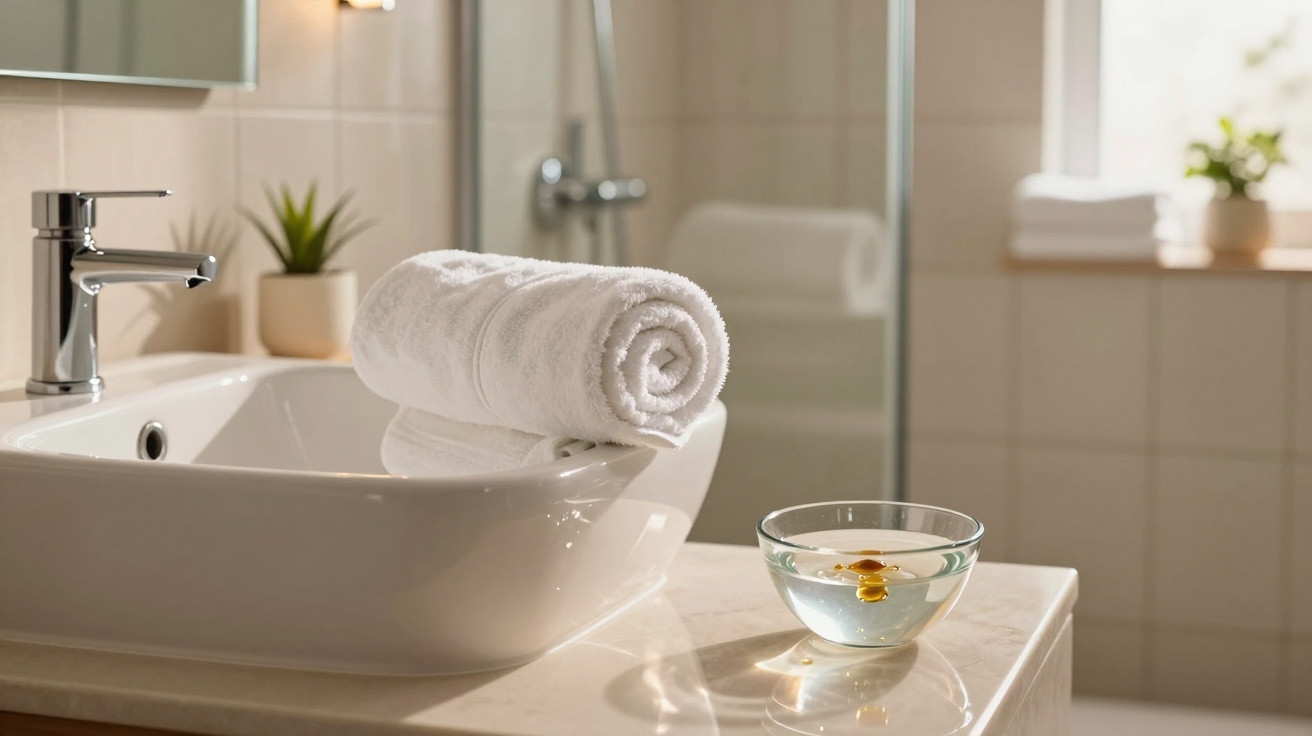
When spoken aloud, the “trick” sounds almost offensively straightforward: take a clean soft- or medium-bristled toothbrush, use plain warm water and apply a little pressure. Nothing else is needed. There are no chemical vapours, fluorescent sprays or sweaty rubber gloves. I poured warm water into a small bowl, dipped in the toothbrush and gently worked along a short grout line beside the shower.
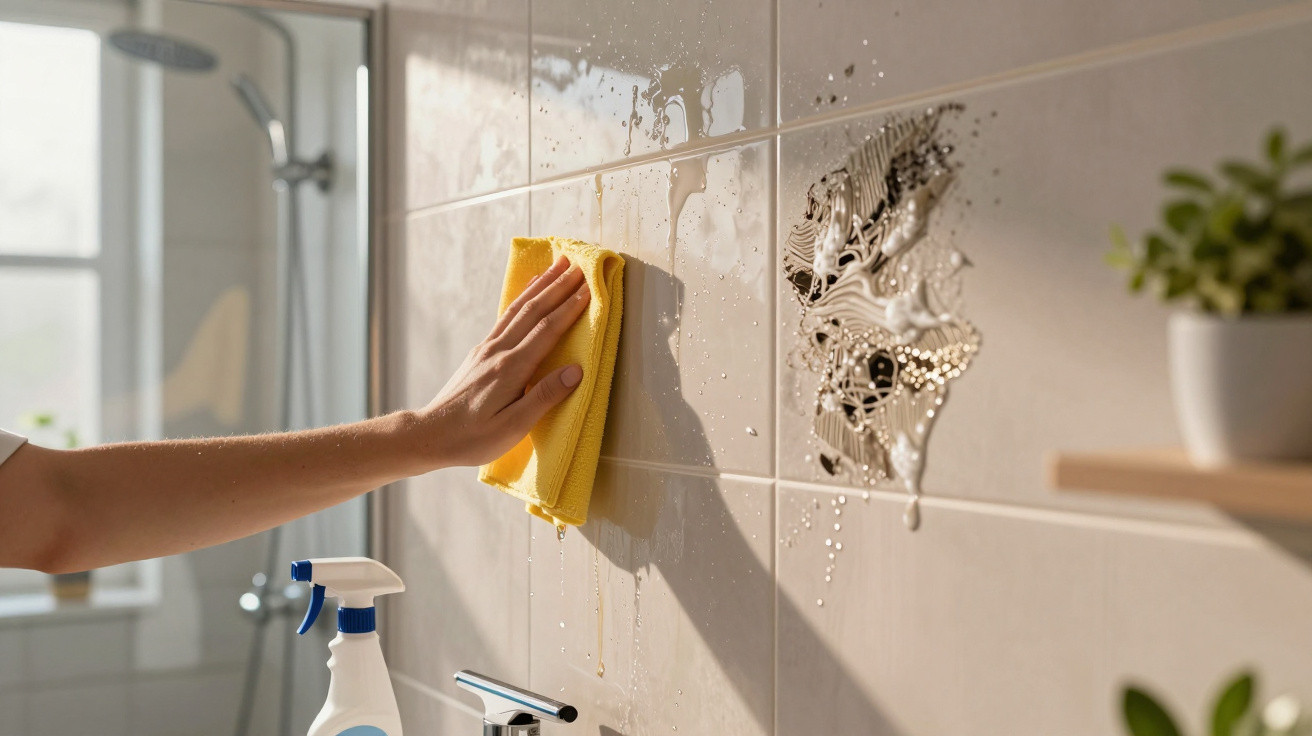
The motion came naturally, rather like brushing your teeth but slower and more purposeful. I used small circles and short back-and-forth movements, applying enough pressure to reach the grout’s texture without damaging it. After several passes, I wiped the line using part of an old towel. The change was so striking that I sat back on my heels in genuine disbelief. That strip of grout looked lighter and cleaner, almost as though the tiles had just been fitted.
I had not expected water alone to make a difference. That was surprise number one. The second was how peaceful it felt without harsh chemicals catching at the back of my throat. It was like discovering that the “deep clean” I’d been sold for years was, at least in this case, mostly marketing.
Why a toothbrush works so well on grout
Because grout is porous and textured, it readily holds soap deposits, dust, skin cells and anything else moving around the bathroom. Spraying cleaner across this dirt can simply loosen the surface layer. What lies beneath remains stubbornly in place because nothing is physically shifting it. An old toothbrush has a slim head and closely packed bristles, allowing it to reach the small hollows and ridges that larger brushes skim over.
Warm water softens the dirt enough for the bristles to draw it out, almost coaxing it from the surface. There is a strangely satisfying point when the water in the bowl becomes a pale, cloudy grey and you realise that the colour had been embedded in the grout. Rather than bleaching or disguising anything, you are physically removing years of accumulated residue. It is uncomplicated, slightly old-fashioned and quietly effective.
There is a modest emotional benefit too: using only water feels kinder to your lungs, skin and tiles - and, in a small way, to the planet.
The emotional weight of dirty bathroom grout
Everyone knows the moment when visitors are arriving in 30 minutes and you abruptly notice every flaw. The mark on the mirror. The dust gathered along the skirting board. The grimy bathroom-floor line that surely was not there yesterday. Grout can feel like a quiet accusation that you are failing to keep up, even when the rest of the house is perfectly fine.
Dirty grout has an unusual emotional burden because it appears to be the sort of mess you “should” have dealt with long ago. It suggests gradual, creeping neglect rather than the understandable chaos of a major cooking session or an overflowing laundry basket. So, when a toothbrush and water restore a single grout line to its original colour, the relief feels disproportionately large. It is not merely about cleanliness; it is proof that things can be put right without renovating the bathroom or sacrificing an entire weekend to cleaning.
There is also something deeply human in kneeling on the floor and completing this modest physical job by hand. For a while, it takes you out of your thoughts. Your body finds a rhythm: dip, scrub, wipe. Repeat. You are not endlessly scrolling or managing apps; you are simply seeing a dull grey line brighten again.
Cleaning grout without hurting your knees or losing patience
Make it a short routine rather than a punishment
The fastest way to dislike this approach is to decide that you must clean the whole bathroom at once, from the skirting boards to the ceiling. Once you begin looking, grout seems to be everywhere, and the task can feel overwhelming. I found it much more manageable as a small, regular ritual. Clean the shower corner one evening, then tackle the row behind the basin another day. It is like gradually colouring in a picture instead of trying to complete the entire page at once.
I began linking it to something I already did daily: brushing my teeth. Once I had brushed my teeth at night, I would spend an additional minute or two cleaning one small grout section with the old toothbrush. On some evenings, that meant only a few tiles; on others, I became unexpectedly absorbed and continued for ten minutes. This routine meant I never came to dread it, and the bathroom gradually moved from “slightly dingy” to “quietly cared for.”
Here is the honest part: you do not have to become someone who “deep cleans bathrooms weekly”. You only need small, repeatable actions that genuinely fit your life.
Small changes that make the job easier
Putting a kneeling pad or folded towel beneath your knees makes an enormous difference. That thin layer turns the task into something you can endure for more than two minutes without muttering under your breath. It is equally important to keep a small old towel or cloth nearby to wipe the grout after scrubbing; this is the stage at which the result becomes visible. Miss it out and you will merely move the dirt around, then wonder why the area looks unchanged.
If the grout is particularly old or beginning to crumble, a gentle approach is essential. Choose a soft-bristled brush and light pressure, so that you lift dirt rather than dig out the grout. Trying a small section in an inconspicuous corner can be reassuring. When you see the first strip brighten without harm, your shoulders relax and you think, “Okay, this is actually safe.”
And if crouching on tiles makes your spine feel as though it wants to file a complaint, there is absolutely nothing wrong with using a low stool.
When warm water is sufficient - and when grout needs extra help
Most everyday grout discolouration is a mixture of dust, soap scum, skin oils and leftovers from shampoo or cleaning products. A toothbrush and warm water can deal with a surprising amount of it. The method works especially well in places that are splashed often but rarely scrubbed, including the bath edge, behind taps and around the toilet base. Those are often where you will see the most satisfying before-and-after lines.
There are limits, naturally. If the grout has deep mould marks or has been neglected for ten years, water alone may only achieve so much. For these tougher cases, some people use a little bicarbonate of soda or a tiny drop of soap, although the toothbrush remains the main character. The bristles provide the real effort; any product merely acts as support. Even then, this remains far less harsh than industrial-strength bleach.
The comforting part is that you can begin with water alone. There is no pressure, no specialist shopping trip and no guilt if you stop halfway across a tile row. You are only finding out what your grout is prepared to release - and often, it releases more than you expect.
The quiet pleasure of seeing the original grout colour return
At some point, usually around the second or third cleaned grout strip, you begin to see the contrast. Brighter lines outline the tiles differently and make the whole wall or floor appear crisper. You may glimpse the change while washing your hands and pause for a second: did I always like these tiles this much? The tiles themselves have not changed, but clean grout makes the space feel fresher and more considered.
I became oddly proud of those small white lines, as though I had improved the bathroom without spending a penny. There was no new paint or replacement tiling, only the original materials becoming visible again. It is the household equivalent of washing your face after a long day and recognising your own skin beneath the build-up. A small, everyday improvement, but a quietly encouraging one.
Watching the bowl of water darken as you work brings another tangible satisfaction. It is a little unpleasant, certainly, yet it also proves that the effort is achieving something real. You are not simply shifting dirt from place to place; you are lifting it out and washing it down the drain.
Why this simple toothbrush trick feels empowering
So much of modern life encourages us to pay someone or something else to fix problems quickly: another product, a stronger spray, a major “bathroom makeover” financed over 36 months. There is real power in finding that an old toothbrush and some time can quietly challenge that story. You are telling yourself: I can reverse some of this decay. I’m not completely at the mercy of wear and tear.
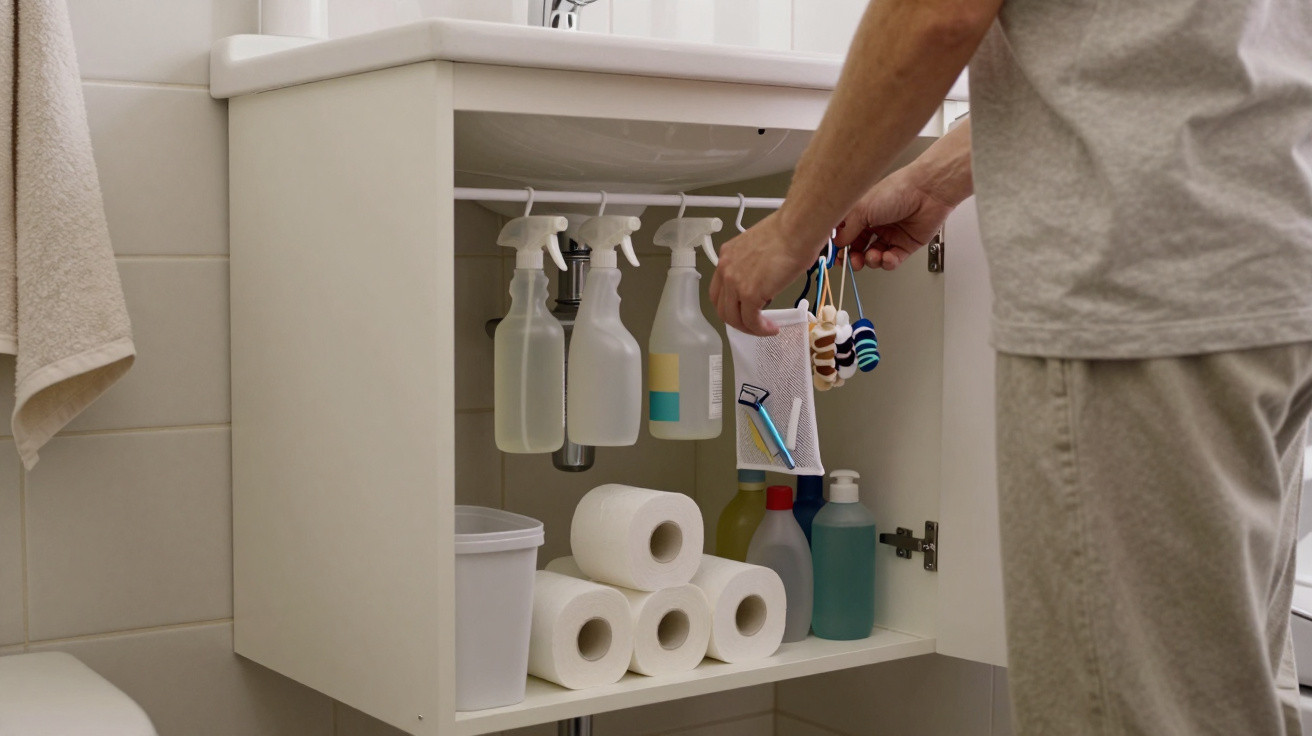
This is not about becoming a cleaning influencer or living in a show home. Most people simply want their homes to feel decent enough that they do not wince when the doorbell rings. A small chemical-free method that works within real life - busy, tired and distracted life - is worth more than a tenth bottle of “miracle foam” beneath the sink. Sometimes the most effective solution really is the boring one sitting in your bathroom cup.
The next time you are about to put an old toothbrush in the bin, pause briefly. Rinse it, put it aside and leave it waiting at the edge of the bath. On a peaceful evening, when the house is finally quiet and your mind is too restless to scroll but too exhausted for anything demanding, dip it into warm water and choose one grout line. Scrub, wipe and watch the original colour gradually emerge.
You may discover that you are restoring more than grout: you are also rebuilding the sense that small, gentle actions can change a room - and your mood - more than you might imagine.




Comments
No comments yet. Be the first to comment!
Leave a Comment