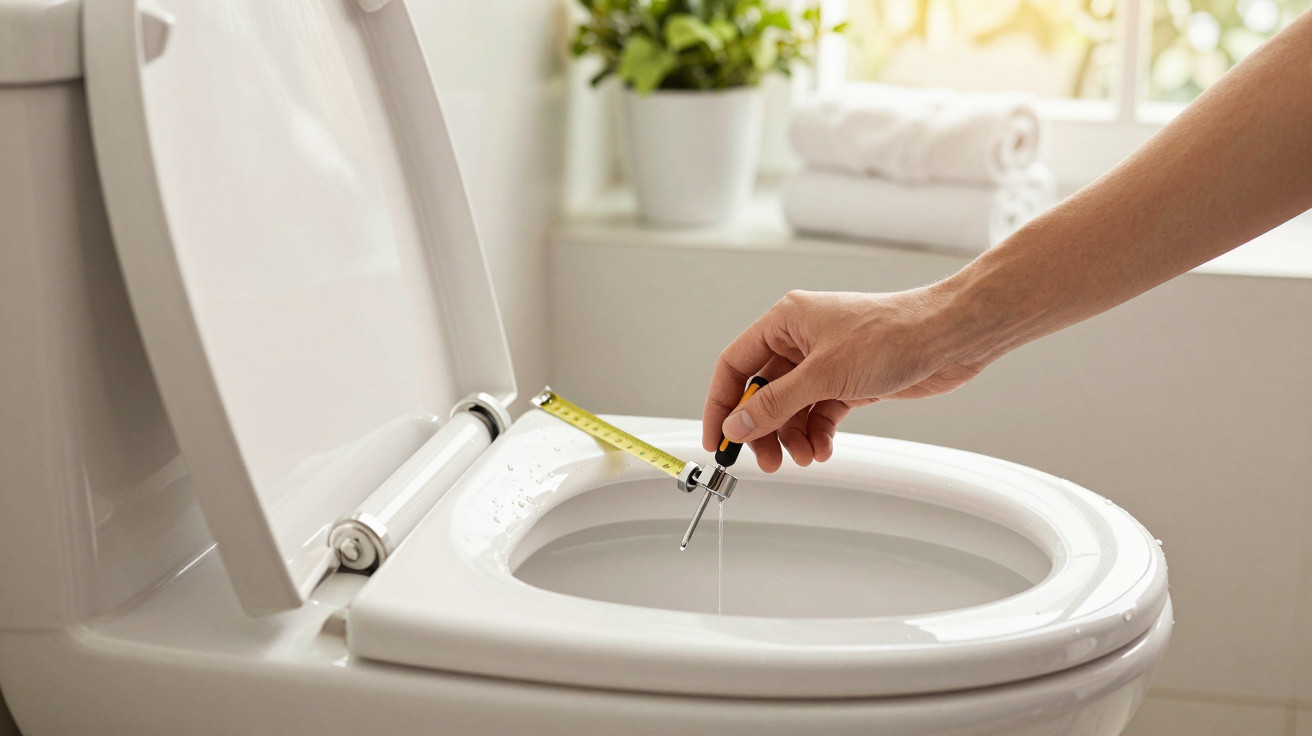
A faint hiss from behind the bathroom door is easy to tune out while you are scrolling on your phone or making coffee. But at 11:43 p.m., once the house is silent and every noise seems twice as loud, the muted sound of a running toilet can feel as though money is pouring directly from your bank account.
You shake the handle. You raise the lid. You peer into the cistern as if it is using a secret hydraulic dialect you were never taught. The noise stops briefly, before beginning again: a small, persistent waterfall.
Plumbers may be expensive, online video guides can seem imprecise, and it is tempting simply to close the bathroom door and put up with the sound. Yet engineers say that people often overlook a straightforward solution. A single minor adjustment can stop the toilet running within minutes.
Why a running toilet keeps going like it is training for a marathon
Plumbing engineers tend to tell the same story: most supposedly mysterious toilet faults are not mysterious at all. Although a running toilet can appear alarming, it generally results from a small imbalance involving the water level, gravity and a palm-sized rubber seal.
The cistern is essentially a quiet mechanism. Water enters, a float rises, a valve closes and a rubber flapper seals the opening to the bowl. When one of those components is slightly out of position, the toilet will not necessarily make a fuss or overflow. Instead, it keeps making that maddening, continual refilling sound.
Engineers are often surprised by how long people live with that noise: weeks, months and occasionally years. The reason is largely that the mechanism is concealed beneath a porcelain lid, making it seem more complex than it is.
An engineer from a major American plumbing manufacturer described inspecting a home where a toilet had run continuously for so long that the water supplier eventually contacted the owner. The monthly charge had gradually risen by about $40, then $60, then over $100. There was no visible leak on the floor and no clear flooding. The toilet was simply replenishing itself around the clock, like a tap left slightly open.
He removed the lid and corrected the fault in less than two minutes. He needed no tools, replacement parts or fuss. The float arm had been set too high, allowing the water level to rise over the overflow tube and prompting the fill valve to supply more water repeatedly.
Water suppliers estimate that one running toilet may waste from 200 to more than 1,000 litres daily, depending on the severity of the leak. That amounts to hundreds of unwanted flushes. It does not splash across the floor or steam up the mirrors; it simply vanishes down the drain while quietly increasing the next bill.
In principle, the arrangement is straightforward. The fill valve admits water, while the float - either a ball or a small plastic cup - rises as the cistern fills. On reaching its set level, it signals the valve to stop. If that level is incorrect, the valve never properly receives the instruction. Water spills into the upright overflow tube, drains away and is then replaced again.
People frequently blame the flapper first. A degraded or misshapen flapper is indeed a common cause of leaks, but plumbing engineers say that checking the water level is the easiest first step. When the float is correctly adjusted and the water line sits just below the top of the overflow tube, much supposedly “haunted toilet” behaviour can vanish immediately.
It is rather like tuning a guitar: you are not reconstructing the instrument, merely making a slight adjustment that restores balance. That is the purpose of this small change.
Lowering the water level: the running toilet adjustment engineers recommend
The simple step that resolves many toilets that run constantly is to lower the cistern water level by adjusting the float. Nothing more is required: no spanner, replacement hardware or late-night emergency call. You only need to alter the point at which the float tells the valve, “You can stop now.”
Begin by carefully lifting off the lid, placing it safely to one side and looking inside. You will find the fill valve, which is normally tall and narrow on one side, with a float attached. Older toilets may have a round ball at the end of a metal arm, whereas newer versions commonly use a plastic cylinder surrounding the vertical shaft.
Flush the toilet once and observe it. While the cistern refills, watch the water level and the overflow tube in the centre. If water reaches the lip of the tube or trickles into it, you have identified the main issue: the float is instructing the valve to switch off too late.
With a ball-float mechanism, there is normally a small screw where the arm joins the fill valve. Turn it clockwise by a few turns to lower the float, then allow the cistern to refill and check the new water line. More modern float-cup valves have a plastic clip or small adjustment screw at the side; move the float slightly downwards or turn the screw to reduce the shut-off level.
The target is a water line roughly 1–2 cm (around half an inch) beneath the top of the overflow tube. It should not sit at the edge or flow over it. Once this position is set, refilling should end cleanly. The hiss will disappear and the cistern will become quiet.
One engineer I spoke to laughed, saying he had repaired more toilets in friends’ homes with this adjustment than through any other method. “People think I’m some genius,” he said, “but I’m literally just moving a piece of plastic two centimeters.”
This is where human nature comes into play. Many people lift the cistern lid, see unfamiliar components and close it again with a degree of panic. The concern is understandable: “What if I break it?” or “What if it starts leaking everywhere?” In fact, these parts are intended to be adjusted manually. Be gentle, certainly, but they are not as delicate as they appear.
Let us be honest: nobody really does this every day. You generally open a toilet cistern only once something has gone wrong, when you are already irritated, exhausted or concerned about the bill. That is why engineers recommend beginning with a small change. Do not alter every component at once; adjust the float, test it and listen.
A frequent error is shifting the float too far in one direction. If it is set too low, the toilet may flush poorly because the cistern does not contain enough water. If it remains slightly too high, the running continues. Treat it as though you are straightening a picture frame, rather than pulling it from the wall: make small movements, then wait, watch and readjust if necessary.
Engineers also stress one further habit: once you have altered the float setting, remain in the room for a minute or two. Allow the cistern to fill, listen for a gentle trickle into the bowl and make sure the water has stopped moving. That brief wait can prevent hours of later guesswork.
“Ninety percent of the running toilets I’m called for could be fixed by the homeowner in under five minutes,” explains mechanical engineer Jason Miller, who advises building managers on water systems. “One careful adjustment to the float, and the so-called ‘mystery leak’ disappears.”
To keep the task manageable, use straightforward checkpoints instead of attempting a complete technical diagnosis:
- Open the cistern and observe a full refill cycle, from flushing until it stops.
- See whether water enters the overflow tube when the refill is supposedly complete.
- Lower the float a little, then test the toilet again.
- Inspect the flapper for debris or distortion only if the toilet continues to run.
- If the problem still persists, it may be time to contact a professional.
This short sequence makes the job feel less daunting. You are not trying to act as a plumber; you are simply watching, making a small adjustment and listening. It’s closer to adjusting a shower temperature than rebuilding a car engine.
What this small running toilet repair changes beyond the noise
Eliminating the hiss is the most obvious benefit. The more lasting difference appears later, when silence feels normal again. You no longer lie in bed wondering whether to get up and shake the handle, and guests no longer give you a sideways look after hearing the cistern refill ten minutes after they have flushed.
There is also a financial benefit. Engineers who work with cities and water boards regularly see how much small leaks matter. A slowly running toilet can add tens of dollars or euros to a monthly bill without attracting attention. Across a year or two, that total can exceed the price of a professional visit, all because a float was positioned slightly too high.
The psychological benefit is less obvious, but genuine. After resolving one intimidating household problem yourself, other jobs can seem less overwhelming. You lifted the lid, grasped the basic mechanism, made a tiny adjustment yourself and stopped the sound. That experience stays with you.
On a broader level, engineers frequently discuss water waste. A running toilet in a single flat may not seem like a climate concern, but thousands of minor leaks across large cities can total millions of litres each day. The repair is simple, while its combined effect is substantial.
The next time you hear that quiet rush in the middle of the night, remember that the mechanism behind the porcelain is small and predictable. You do not need a degree or a toolkit as long as your arm to understand it. You need only look carefully, make a slight adjustment and choose to lift the lid rather than ignore the sound.
| Key point | Detail | Why it matters to the reader |
|---|---|---|
| Float adjustment | Lower the float position slightly so that the water stops before reaching the overflow. | A quick solution that is often enough to stop constant running. |
| Observing the cycle | Watch the cistern complete a full refill after flushing. | This shows where water is actually escaping and can prevent unnecessary repairs. |
| Hidden impact | A leaking toilet can waste hundreds of litres each day. | It lowers water bills and consumption without requiring changes to daily habits. |













Comments
No comments yet. Be the first to comment!
Leave a Comment