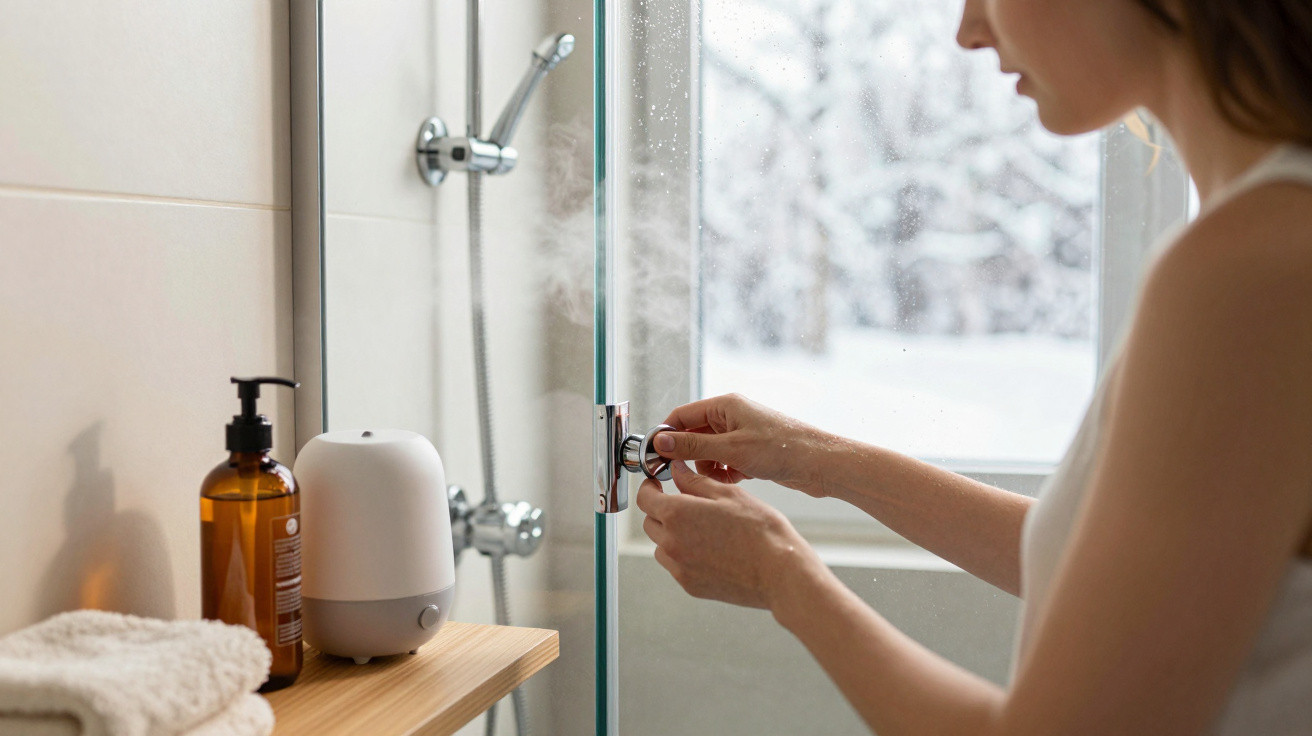
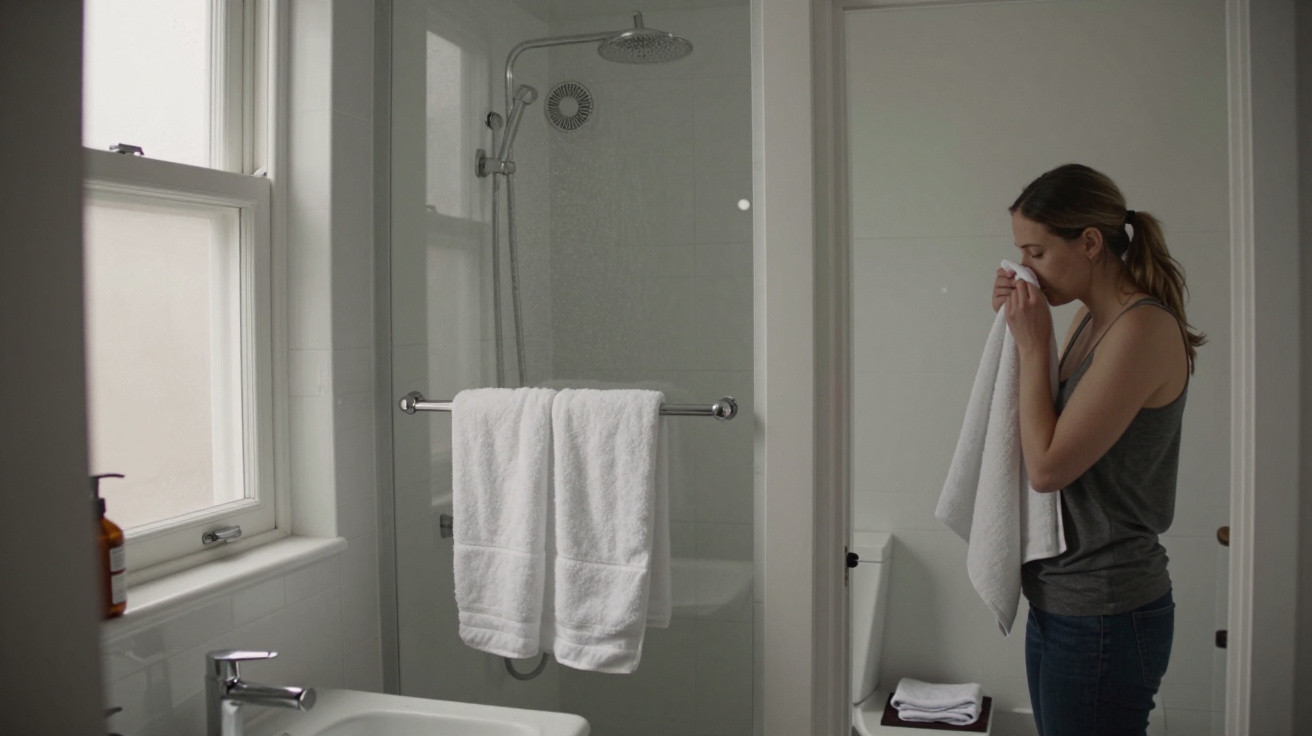
You ease the shower control towards hotter water, wanting to feel anything other than the cold. The room fills with steam, your shoulders at last relax, and winter seems distant for a few minutes. But then you get out, your skin glowing red, reach for a towel, look at your phone … and ask yourself why you are still shivering 15 minutes later.
That comforting winter ritual many of us enjoy? Experts say one small part of it may be quietly leaving you more fatigued, itchier and more susceptible to winter colds.
The surprising part is that the shower itself is not the problem.
The winter bathroom habit that feels good … but backfires
Speak to a dermatologist, GP or sleep specialist and a similar message emerges: our winter bathroom routine is a little misguided. It is not dangerous or wildly irresponsible, but it is enough to disrupt the skin barrier and the body's temperature regulation.
We turn the water up high, linger in the steam, carry on using the products we used in July, then bundle up in thick cotton. Afterwards, we wonder why our skin burns, our noses become blocked and our sleep feels oddly light.
The simple habit experts quietly disapprove of is spending too long beneath extremely hot water in a sealed bathroom, particularly before bed.
Consider Emma, 34, from Manchester. Last winter, she began a “self-care shower” ritual: what began as ten minutes became 20, with water as hot as she could tolerate, body scrub, foaming shower gel and everything else. By February, her legs itched constantly, her cheeks stayed flushed for hours, and she seemed to catch every cold going around her office.
Her GP did not really put it down to the weather. Instead, he highlighted her routine: lengthy, almost scalding showers in a poorly ventilated bathroom immediately before sleep. Her skin barrier had been weakened, her nasal passages were drying out, and the sharp drop in temperature after showering was pushing her immune system in the wrong direction.
When she made her showers shorter and reduced the heat slightly, both the itching and the “post-shower shiver” eased within weeks.
The reasoning is starkly straightforward. Very hot water removes natural oils more quickly than the skin can replace them, particularly when central heating is already drying the air. That taut, squeaky-clean sensation? It is micro-damage. Combine it with an enclosed, steamy bathroom and no open window, and humidity rises sharply before you experience a rapid chill as soon as you step outside.
That temperature shift makes your body work harder to regulate itself, while it is already dealing with dry mucous membranes and winter-weary immunity. You may feel calm, but your body is quietly under strain.
Experts are not advising people to avoid hot showers altogether. Their advice is to use them differently when temperatures outdoors are low.
The winter shower change experts recommend
The adjustment they repeatedly suggest sounds almost too modest: replace scalding showers in a sealed bathroom with showers that are warm rather than boiling, make them a little shorter, finish briefly with cooler water, and let in some fresh air. That is all.
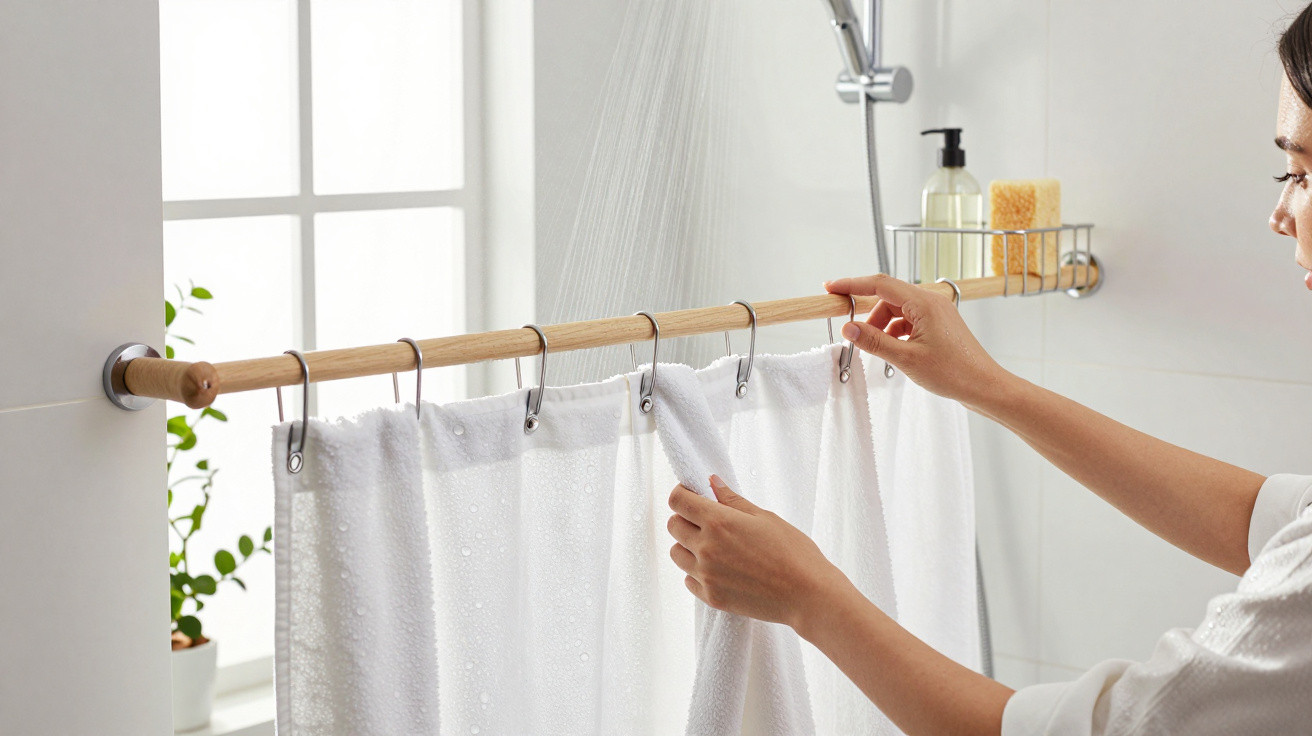
Treat your winter shower as a reset rather than a sauna. Begin with warm water, stay in for 5–10 minutes, then make the water slightly cooler for the final 20–30 seconds. Leave the window slightly open or switch on the extractor fan while you are showering, so steam does not simply remain trapped in the room.
This modest adjustment can help your blood vessels respond more evenly, lessen the chill after showering, and stop your skin barrier from surrendering by February.
People tend to make the same errors. They try to recreate a “hotel spa” experience at home with fiercely hot water and heavy lather, before rushing from the bathroom into a chilly hallway. In less than a minute, their skin moves from overheated to cold, and the body reacts by restricting blood flow to the extremities.
Then comes the familiar complaint: “I shower so hot, and I’m still cold for hours.” It is not imagined; it is basic physiology. Your core temperature rises and blood vessels widen, then cool air strikes and they constrict again. The result is an uncomfortable yo-yo effect for the body.
Let us be honest: hardly anyone does this perfectly every day, but experts suggest keeping to a consistently gentle, warm routine for most of the week and saving very hot showers for the occasional particularly difficult day.
Dermatologist Dr Sarah Leigh puts it this way:
“In winter, your bathroom routine should feel kind, not extreme. The more dramatic the heat and steam, the more your skin and immune system pay for it afterwards.”
Rather than attempting a complete lifestyle change, make a few small swaps:
- Turn the temperature down by one setting from your usual “hottest” level.
- Set a mental or phone reminder to keep showers to 8–10 minutes maximum.
- End with 20 seconds of slightly cooler water on your legs and feet.
- Open the window or run the extractor fan before leaving the bathroom.
- Use fragrance-free moisturiser within 3 minutes of towel-drying.
How changing this habit affects your winter
Once you alter this one habit, you may notice other changes that are genuinely perceptible. Mornings are less likely to begin with an exhausted, flushed face in the mirror. Your limbs warm more consistently instead of lurching from boiling hot to freezing cold. Those random 3am awakenings, when you feel either too warm or too cold, may happen less often.
Your bathroom should also stop resembling a rainforest that produces mould by March. A cooler shower with better ventilation means fewer black marks in the grout and less dense, damp air lingering on towels for days.
This is not about achieving perfection. It is about taking away a daily micro-stress that your body did not need.
There is also the more obvious skin aspect. Dry shins that catch on tights, red areas around the nose, and fine flakes on the shoulders that become visible against dark clothing: long, hot winter showers intensify all of them.
When you choose water that is warm rather than boiling and reduce the time spent showering, your skin loses less moisture. Your moisturiser can then begin performing as its label always claimed it would. Many people find that the belief that they “must have sensitive skin” fades once they lower the water temperature.
Experts see the results regularly in clinics: fewer eczema flare-ups, more settled rosacea and less persistent itching that keeps people awake.
Emotionally, the difference is understated but meaningful. When winter feels never-ending, we often rely on a scorching shower as a coping mechanism. After a difficult day, it can feel like the only reward. On a hard, grey Tuesday evening, who has not stood beneath the spray far too long to delay returning to a cold hallway?
Physically, however, the habit can be a false friend. It comforts you for ten minutes, then leaves you drier, more tired and, ironically, colder. For the nervous system, a gentler, shorter shower with a small cool finish communicates safety more effectively than intensity.
We have all experienced the bathroom as the only peaceful room in the house. Adjusting the routine lets you retain that sanctuary without its hidden effects.
| Key point | Detail | Benefit for the reader |
|---|---|---|
| Water temperature | Move from “very hot” to “comfortably warm”, with a slight cooling finish | Less shivering after showering, improved circulation, softer skin |
| Shower duration | Keep showers to 5–10 minutes, especially in the evening | Less dry skin, reduced fatigue, lower energy bills |
| Bathroom ventilation | Leave the window ajar or switch on the extractor fan from the start of the shower | Less mould, healthier air, less irritated airways |

Comments
No comments yet. Be the first to comment!
Leave a Comment