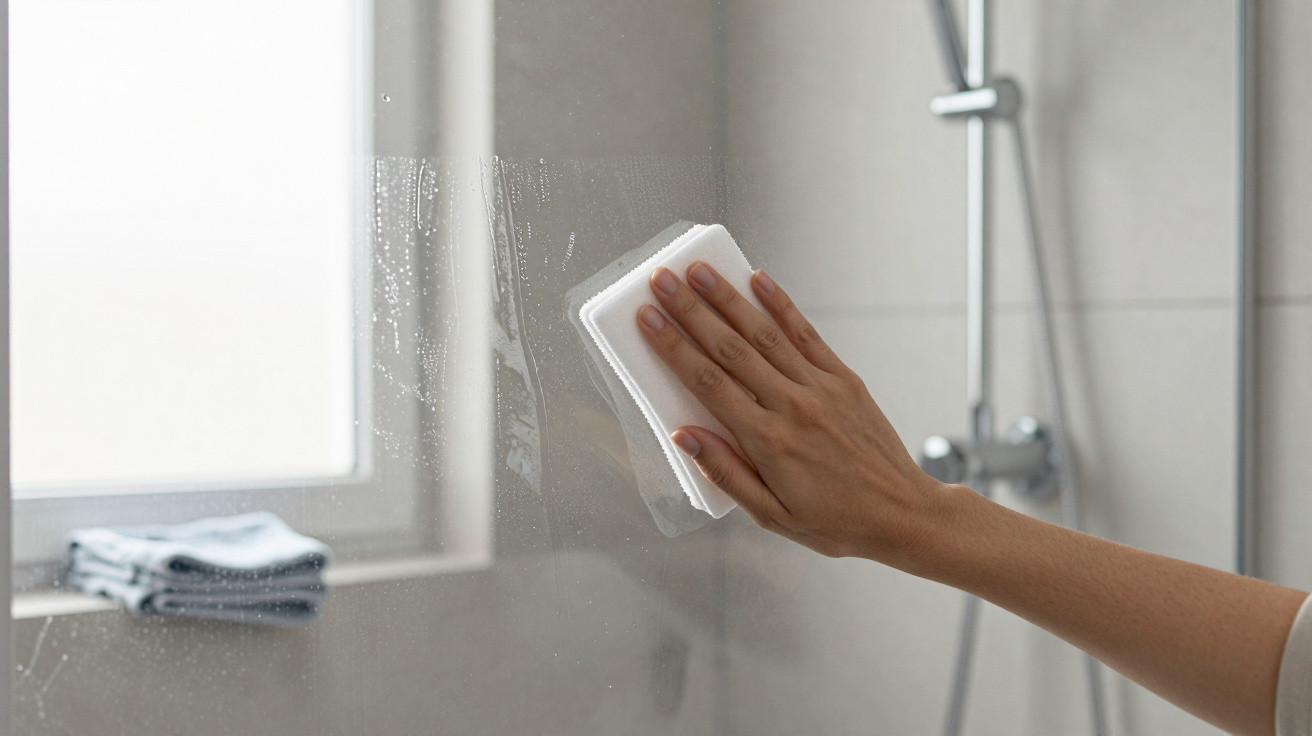
Social media has sparked a fresh wave of “hotel hacks”, with people searching for easy, low-fume ways to keep shower glass spotless without turning their bathroom into a chemistry lab.
Why shower glass becomes cloudy
Cloudy shower screens are caused by a very familiar combination of routine and chemistry. Tap water contains minerals including calcium and magnesium, which form chalky marks as the water dries. Mix in shampoo, shower gel, conditioner and microscopic skin particles, and the result is a persistent film that sticks to the glass like cling film.
Every shower adds another ultra-thin coating. Initially, the cloudiness can resemble harmless steam mist. After several months, however, it turns into a milky layer that remains even after vigorous scrubbing with a powerful bathroom product. Many people then buy more strongly scented cleaners and apply them more frequently, only to be frustrated by smears and streaks.
Cloudy shower glass rarely comes from “dirt” alone. It mainly comes from mineral build-up welded together with soap and product residue.
Hotel cleaning professionals tackle the issue in another way. Rather than covering the surface in chemicals, they concentrate on physically separating the film from the glass. Their aim is to remove the build-up in a controlled manner while preserving the clear pane underneath.
The discreet hotel trick: foam that works like ultra-fine sandpaper
In many busy city hotels, housekeepers now rely on a modest white block: a melamine foam sponge, commonly sold as a “magic eraser”. Although it resembles an ordinary washing-up sponge, its structure is very different. Melamine resin is formed into a firm, micro-porous foam. Viewed under a microscope, it looks like a web of fine, hard strands that perform like exceptionally fine sandpaper.
Rubbing this foam across glass with a small amount of water allows those minute strands to remove a tiny layer of surface film. There is no need for acid, bleach or fragranced solvents. Instead, the cleaning comes from mechanical abrasion, moderated by the pressure of your hand. When used correctly, the sponge can remove limescale rings, soap residue and stubborn greasy fingerprints.
The melamine sponge does not “dissolve” grime. It shaves it off in tiny amounts, like an eraser taking graphite off paper.
This technique works well in hotels for a number of reasons. Staff can clean swiftly in bathrooms with limited ventilation while reducing exposure to harsh products. They also avoid having to manage five separate bottles for different materials. As the glass is left genuinely clean rather than covered in perfume and surfactants, it reflects light more clearly and creates the crisp, “newly installed” appearance guests notice on arrival.
Step-by-step: using a melamine sponge on shower doors
The approach quietly shared between professional cleaners transfers easily to a domestic bathroom. Its apparent simplicity is part of what makes it so appealing.
1. Get the surface and equipment ready
- Open a window or switch on the extractor fan to maintain airflow.
- Rinse the shower glass with warm water to remove loose hair and dust.
- Divide the melamine sponge into halves or quarters, making it easier to hold and preventing large blocks from being wasted.
- Keep a soft lint-free cloth or microfibre towel nearby for drying.
2. Prepare the sponge
Hold the sponge beneath the tap and then squeeze out as much water as possible. It needs to be damp rather than soaking wet. Excess water weakens its abrasive action and creates additional residue, while insufficient water makes the foam catch and drag over the glass.
3. Clean in small, manageable areas
Begin at an upper corner of the panel. Rub the sponge in overlapping circles or brief horizontal passes, using light-to-medium pressure. Allow the foam's micro-structure to do most of the work.
It is common to press too firmly because it seems logical that greater force should deliver better results. On delicate treatments, including “easy clean” and lotus-effect coatings, this may cause micro-scratches. Gentle pressure is normally enough to remove the haze from untreated standard glass.
Test a discreet lower corner first, particularly if you suspect the panel has a special water-repellent coating or is made of plastic rather than glass.
4. Rinse and dry before residue sets
As it removes the film, the sponge produces a fine dust that is almost impossible to see. Letting this dry onto the panel can create fresh streaks. After completing each section, rinse it using clean warm water. Next, dry the area with the lint-free cloth in long, straight movements.
Continue section by section until the entire panel is clear. In many instances, the glass appears more defined afterwards, with reflections that are sharper than those achieved with strong cleaning products.
5. Recognise when to stop and replace it
Melamine sponges naturally deteriorate during use. Their edges become rounded, the block gets smaller and it may begin to crumble. This is expected. Once the foam feels spongy, soft or badly discoloured, put it in the general waste. Do not wash it down the drain because its fragments act like plastic.
Common errors that cause streaks or damage
A straightforward method can still go wrong if it is rushed. Cleaners identify several frequent mistakes in home bathrooms:
- Combining melamine sponges with powerful acidic or chlorine-based products, which may create dangerous fumes and cause needless surface wear.
- Scrubbing dry, dusty glass, as dragged particles can scratch sensitive coatings.
- Failing to rinse, allowing loosened limescale and sponge residue to dry into new marks.
- Using one sponge on stainless steel, high-gloss lacquered furniture and television screens, where its abrasive nature can leave lasting dull areas.
Hotel employees are often given firm instructions: no melamine on glossy black taps, no melamine on televisions, always rinse, always test a corner. Applying the same rules at home protects costly fittings while retaining the sponge's glass-cleaning benefits.
Why this suits a lower-chemical bathroom routine
The appeal of melamine sponges goes beyond appearance and reflects a wider shift in cleaning preferences. Surveys across Europe and North America indicate growing concern about powerful fragrances and irritants in enclosed rooms. Many households are now trying to reduce their use of aerosol sprays and all-purpose cleaners containing dyes and perfume.
| Traditional approach | Melamine-based approach |
|---|---|
| Multiple specialist cleaners for glass, limescale and soap scum | One sponge and water for most mineral and product film |
| Greater chemical footprint and strong smells | Low odour, depending chiefly on mechanical action |
| More bottles and more plastic packaging | Fewer products, although the sponge itself becomes plastic waste |
| Quick results, but may leave a surfactant layer on the glass | Removes the film completely, often leaving a sharper-looking finish |
Its environmental balance is not entirely spotless. Melamine foam is plastic and cannot be recycled. Even so, a single small block may replace repeated quantities of several bottled cleaners, as well as the water required to rinse them away. When used sparingly and carefully, it supports the “less but better” approach favoured by many sustainability specialists.
From a hotel ritual to a weekly habit
The true value of this trick is not simply the initial deep clean, but the routine that comes afterwards. Once the glass has been restored to clarity, gentle and consistent maintenance prevents the haze from building up as quickly.
A simple routine suits many households:
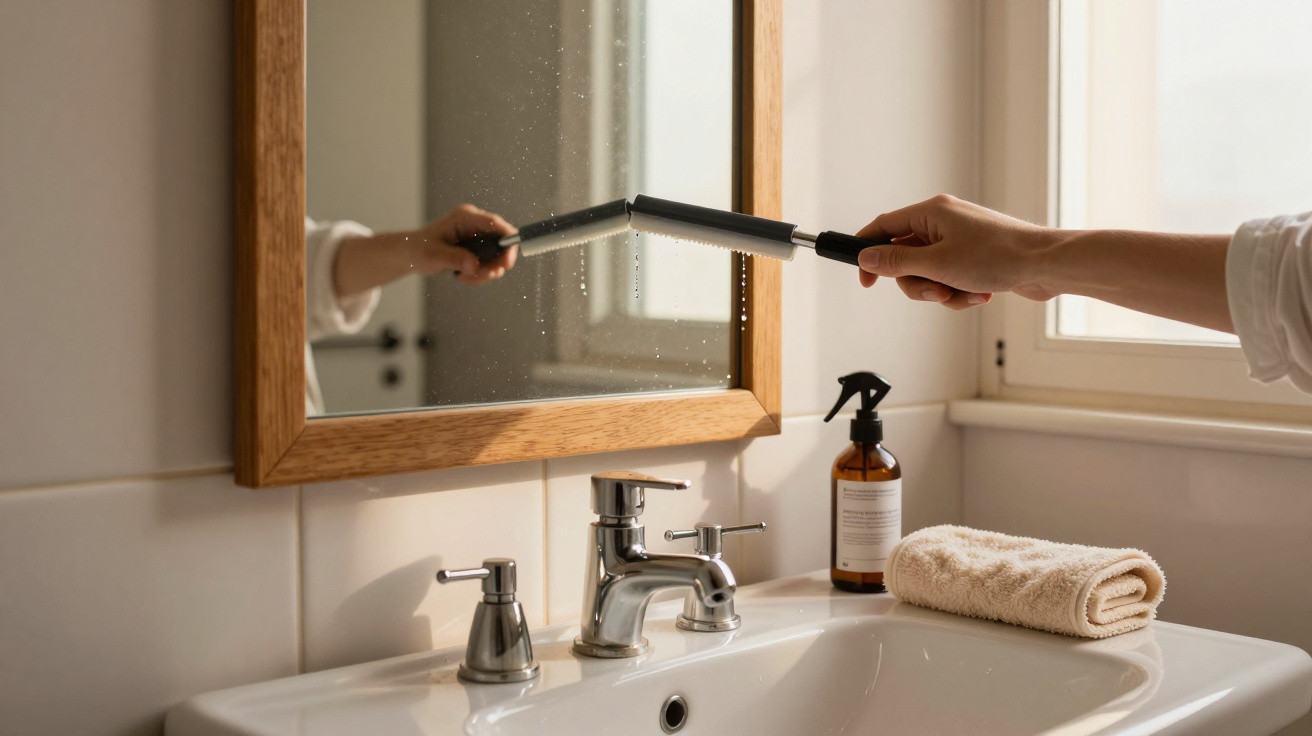
- After showering, use a squeegee or soft cloth to remove water from the glass when you have 30 seconds to spare.
- Use the melamine sponge for a brief weekly clean, concentrating on areas that receive the most spray.
- Keep strong limescale removers for metal fixtures or exceptionally persistent deposits that remain after light abrasion.
Dividing the task into small, regular actions instead of monthly cleaning marathons helps prevent the dread often associated with bathroom cleaning. The glass remains nearer to that “hotel” finish, while each clean feels realistic rather than monumental.
When this hack is insufficient – and what to use instead
Showers do not all respond in the same manner. In regions with very hard water, minerals may etch the glass over a period of years, creating pits rather than surface deposits. A sponge cannot reverse this structural damage. Even once the film has been removed, the pane may continue to appear faintly cloudy in particular lighting.
Some people combine their melamine routine with a protective product, such as a silicone-based water-repellent coating designed for shower glass. Such products are intended to shorten the time water stays in contact with the pane, reducing the number of minerals that bond to the surface. They generally require reapplication every few months and should be applied with care, as incorrect use can make the floor dangerously slippery.
Why small cleaning hacks affect how a bathroom feels
Changes of this kind seldom make the headlines, but they influence everyday life. Looking at a transparent shower screen can alter the feel of a room, even when its tiles and fittings have not changed. This may encourage changes elsewhere at home: slightly fewer products, less fragrance and more reliance on uncomplicated tools that work quietly and effectively.
For anyone sensitive to strong cleaning fumes, water, a melamine sponge and a cotton cloth offer another option. They can clean efficiently without provoking irritation or headaches. Some parents use the technique to reduce the number of chemical products stored beneath the sink, depending instead on physical effort and good timing.
The wider principle extends beyond the bathroom. Many household issues that appear to require a powerful bottle can instead respond to precise physical methods: a scraper on the hob rather than repeated degreaser, or a microfibre cloth on dusty screens instead of spray polish. The hotel-style shower glass hack is simply a clear, visible illustration of this change, one steamy panel at a time.


Comments
No comments yet. Be the first to comment!
Leave a Comment