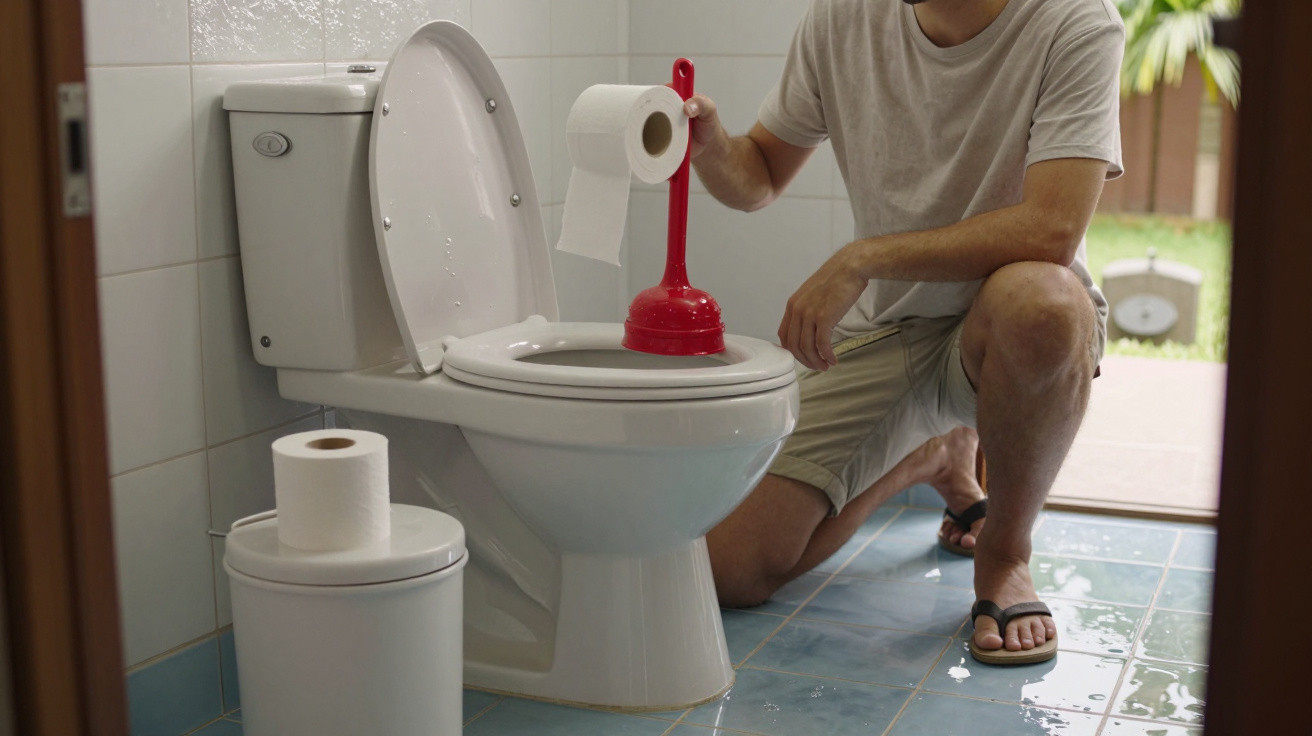
A minor bathroom irritation can quickly become a foul-smelling puzzle, ending in a plumbing bill that is anything but minor.
What first appears to be an ordinary blocked toilet can uncover a wider issue involving pipework, sewers, and the ongoing conflict between toilet paper and plumbing systems around the world.
How an ordinary flush becomes an expensive problem
People visiting Brazil, or relocating there from Europe or North America, are often taken aback by one bathroom feature: the bin beside the toilet. Residents commonly expect used toilet paper to be put in this bin rather than flushed. To newcomers, this may seem odd or even unhygienic; to local people, it prevents serious disruption.
This difference between everyday habits and available infrastructure is behind an increasing number of blockages, overflows and costly emergency plumbing visits. The same soft roll that disappears easily down a toilet in London or Chicago can quietly damage the pipework of a Brazilian flat or rural home.
Toilet paper behaves very differently depending on the age of the pipes, the slope of the lines, and the strength of the flush. The same product does not fit every system.
Much of Brazil's domestic plumbing was not built to carry anything beyond human waste and water. Older properties may have narrow pipes and tight bends, while many areas still rely on septic tanks rather than comprehensive sewer networks. Combine weak flushes and thick, high-ply paper, and supposedly invisible waste can begin building up inside the walls.
Why many toilets in Brazil struggle with toilet paper
Household pipework in Brazil is often narrower than that found in many homes in the UK or US. Pipe routes can also be more complicated, with several bends and corners. Cistern pressure may be limited, particularly on upper floors and in older buildings where plumbing has not been modernised.
Together, these conditions create ideal snagging points for fibrous materials that do not break down rapidly. A single seemingly harmless flush may leave paper strips attached to pipe walls. Those strips then catch the next bundle, and the next, gradually reducing the space within the entire pipe run.
The septic tank issue beneath the garden
Millions of homes in Brazil are not linked to modern sewage treatment works. They instead use septic tanks: underground chambers in which bacteria gradually break down organic waste. These systems perform best when they receive only human waste and water-soluble materials.
- Ageing pipe runs with sharp bends allow paper to collect and create persistent blockages.
- Weak flushing pressure may not carry paper far enough, causing it to lodge at concealed points.
- Overloaded septic tanks find it difficult to break down cellulose fibres from paper.
- Untreated effluent combined with paper may leak into streams and rivers.
Septic tanks depend on a sensitive biological balance. Excess toilet paper, particularly thick or fragranced varieties, can remain as sludge rather than decomposing. The tank fills more quickly, produces stronger odours and requires pumping more often. Households may then receive unexpected bills when waste backs up through showers or garden drains.
What looks like a plumbing failure is often a design mismatch: modern comfort products in a network built for much simpler flows.
Not every type of paper reacts alike in water
Manufacturers market soft, multi-ply toilet rolls as symbols of comfort and quality. However, the denser and more durable the paper, the more time it generally needs to disintegrate in water. Its make-up matters just as much as its cost.
Toilet paper is normally made with shorter fibres and fewer strengthening substances, allowing it to break apart quickly. Kitchen roll, facial tissues and industrial wipes contain longer fibres and additives designed to keep them whole when wet. Their resistance to tearing is exactly what makes them unsuitable for toilets.
Products that put vulnerable plumbing at risk
Where pipes are fragile or properties use septic tanks, the following items increase the likelihood of blockages and system failures:
- Triple-ply or extra-soft toilet rolls that expand and clump inside pipes.
- “Flushable” wipes, which disintegrate too slowly to pass through narrow pipework.
- Kitchen paper towels made with reinforced fibres and chemical treatments.
- Coloured or strongly scented paper containing additional additives.
Even ordinary toilet paper may lead to problems if large quantities are used at once or several flushes occur close together. In flats with low water pressure, each flush might move paper only a short way, allowing it to gather repeatedly at the same vulnerable sections.
The environmental impact concealed by every flush
The issue extends beyond the bathroom. Worldwide paper manufacturing uses substantial quantities of timber, water and energy. A considerable share is used for disposable hygiene products that are handled for seconds before being discarded or flushed away.
When inadequately treated sewage containing paper enters rivers or coastal waters, the harm is not merely visual. It can introduce organic pollution, chemicals from inks and fragrances, and in some cases pathogens from human waste that treatment systems did not remove.
| Stage | What happens to the paper | Potential impact |
|---|---|---|
| Inside the pipes | Creates clumps and catches on rough pipe walls and joints | Blockages, overflows, cracked pipes |
| In septic tanks | Accumulates as slowly decomposing sludge | More frequent pumping, potential soil leaks |
| In rivers and streams | Reaches the water partly intact or as masses of fibres | Reduced water quality, pressure on aquatic life |
| In landfills | Breaks down without oxygen | Emits methane and other gases |
Like other countries with uneven sewer coverage, Brazil faces two connected pressures. In some locations, waste reaches overloaded treatment plants, where surplus paper can obstruct pumps and screens. Elsewhere, local failures can send insufficiently treated sewage straight into the environment, particularly following heavy rainfall.
The debate about flushing paper is not only about plumbing etiquette. It links to deforestation, climate emissions and the way cities handle basic sanitation.
Why a small lidded bin is often the better choice
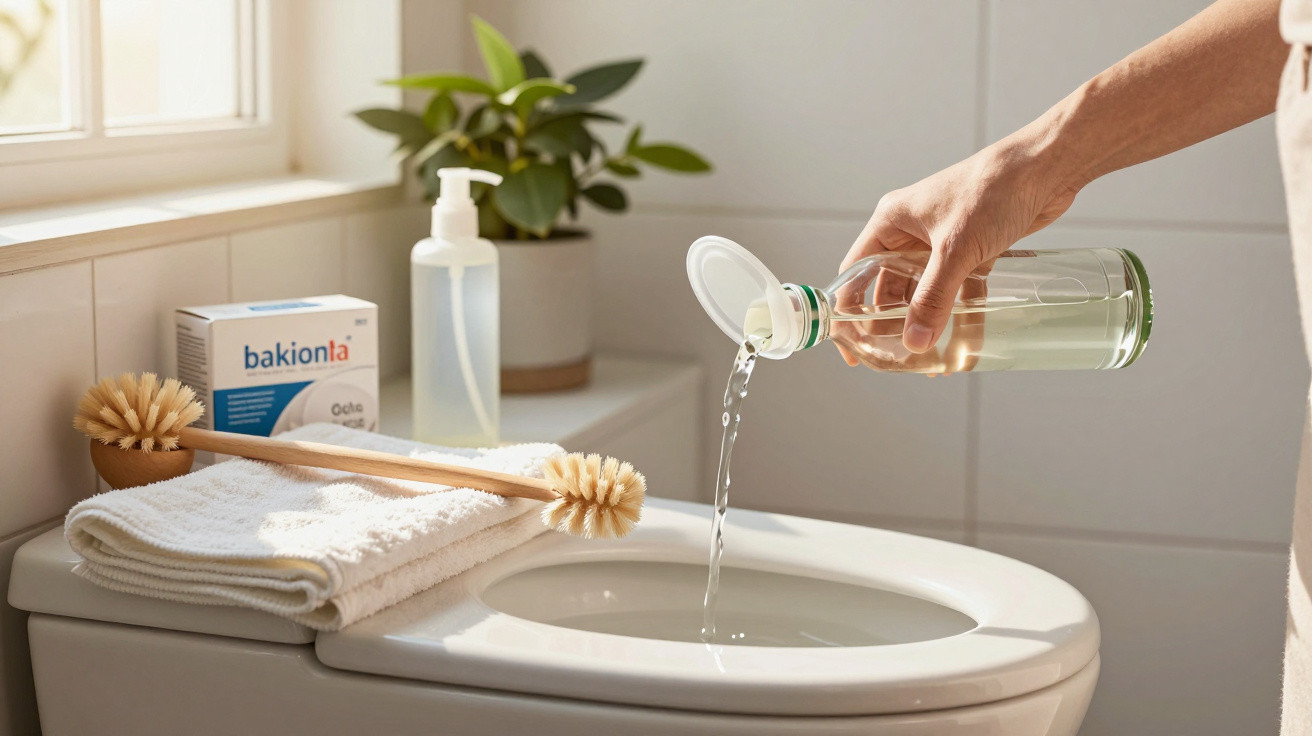
For many households in Brazil, the most workable answer is beside the toilet: a small, bag-lined bin with a lid that is emptied regularly. Although this practice can feel unfamiliar to some visitors, it eases pressure on weak pipes and septic tanks while potentially reducing water used for repeat flushing.
In newer properties with broader pipes, improved gradients and more powerful flushing systems, residents may choose to flush toilet paper. Even so, they usually use sensible amounts and avoid flushing wipes or kitchen roll. When they are unsure in a guest bathroom, many Brazilians still choose the bin rather than risk a blockage.
- Keep the bin beside the toilet so it is easy to use.
- Choose durable liners and a secure lid to limit odours.
- Empty the bin regularly, particularly in hot weather.
- Never combine bathroom paper with sharp or hazardous waste.
For visitors, a useful principle is to follow notices and local practice. A lined, lidded bin next to the toilet will usually clearly indicate the capacity of the plumbing behind the wall.
What Brazilian toilet paper habits mean for US and UK homes
Many homes in the US and UK have sturdier sewer connections and stronger water pressure, making toilet paper flushing routine and generally trouble-free. Comparable problems can still arise in older terraced homes with narrow clay pipes, rural properties served by septic systems, and densely occupied flats with heavily used drains.
Homeowners in these circumstances can take several lessons from Brazil. They can select thinner paper that dissolves more quickly, reduce the amount sent down in a single flush, and put all wipes - including those marked “flushable” - into the bin rather than the toilet.
A basic test at home can offer an indication. Put several sheets of your regular toilet paper into a glass of water, gently swirl it and leave it for a few minutes. If it stays in thick clumps instead of separating into small pieces, your pipework may be under more strain than expected.
This modest change in bathroom behaviour connects everyday convenience with a broader question: how cities build hidden infrastructure, how households help maintain it, and how one thin sheet of paper can quietly affect both water costs and river quality.


Comments
No comments yet. Be the first to comment!
Leave a Comment