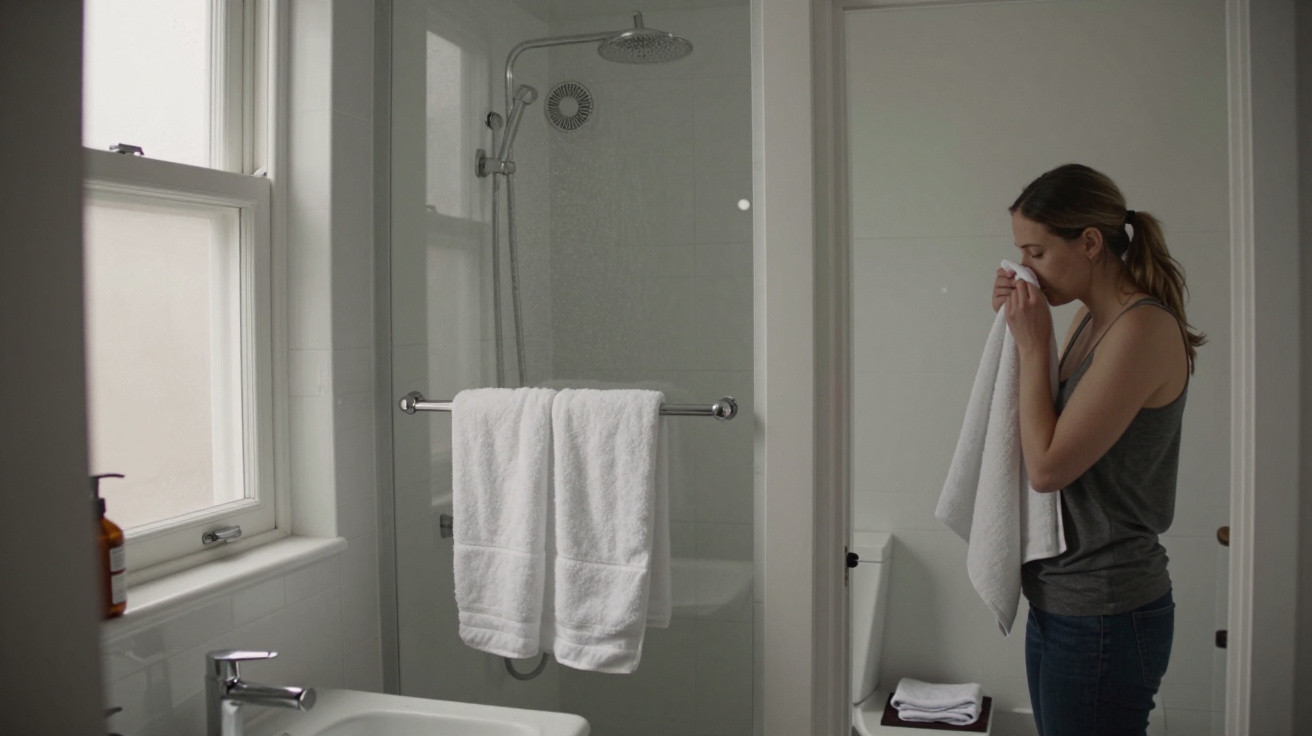
Sprays disappear. Steam hangs around. Your sense of smell adjusts. Yet there is an easy, almost cheeky way to uncover what your cleaning routine cannot reveal: an ordinary cotton towel that works as a small, honest odour sponge.
I first watched the towel test on a wet Tuesday in a compact London flat. The mirror still held the haze of the morning shower, while the window catch was jammed halfway, as usual. My friend took a freshly washed towel, placed it on the rail, closed the door and we went out for coffee. Several hours later, she returned, raised the towel as a sommelier might raise a glass, and took one measured breath in the hallway. Her expression made the point immediately. The room had deceived her; the towel had not. It told a very different story.
Why your nose misses what your towel detects
We become nose-blind remarkably quickly. To help you function through the day, your brain screens out familiar odours, and bathrooms are especially good at concealing them. Citrus sprays, eucalyptus oils and a hint of bleach can create the impression of cleanliness while the real issue sits in grout, drains and damp cotton.
I met a couple in Manchester who insisted their en suite smelled “hotel fresh” after every Saturday clean. Their towels disagreed. After spending the night in the closed bathroom, a dry, unscented towel emerged with a subtle sour, old-flannel smell. It was not overpowering, merely truthful. Studies of olfactory adaptation show that we stop noticing ongoing scents in minutes, and sometimes in seconds. A towel has neither bias nor pride.
The science behind it is straightforward. Cotton fibres form miniature cellulose forests, with a broad surface area and countless spaces. Odour molecules attach themselves to these fibres, particularly in warm, humid air. Mould gives off MVOCs, people release fatty acids, drains emit amines and cleaning products leave chlorinated traces - while the towel silently gathers them all. Smell tells the story, and a clean towel records it. Think of it as a cheap, passive air sensor you already own.
How to do the “towel test” without overcomplicating it
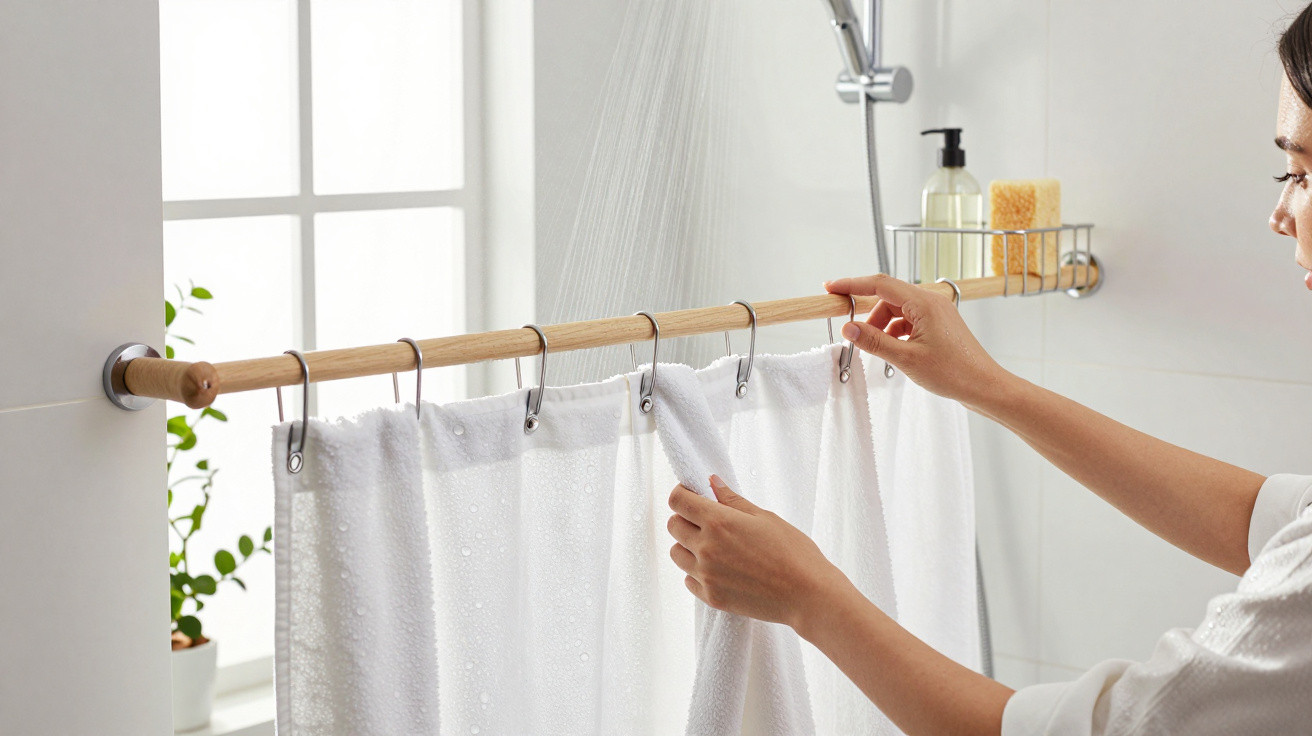
Choose one clean, completely dry cotton towel without fragrance - no fabric conditioner or scented laundry pods. At night, shut both the bathroom door and window. Hang the towel fully open, avoid showers and sprays, then leave it for 8–12 hours. In the morning, take it directly outside or into a neutral space and smell it once, without fuss. You are looking for a murmur, not a roar.
For a faster indication, close the bathroom, run the hot tap for 60 seconds to heat the air, and then hang up the dry towel for 20 minutes. Take it outdoors before smelling it. If you remain unconvinced, set up a control: place an identical second towel in another room. Mark them and compare them blind. Realistically, hardly anyone carries out laboratory-style experiments at home, so there is no need to make it complicated.
The usual mistakes may be dull, but they matter. Fragranced detergent turns your towel into an advert for perfume. An open window weakens the result. A damp towel reveals more about its laundry cycle than the bathroom itself. And, naturally, someone in the household will come in to wash their hands and spoil the experiment. We have all experienced the moment when somebody “just needs the loo” as you finally test something. If the towel smells of anything other than nothing, something in the bathroom is quietly off.
“Your nose is a negotiator. A towel is a witness. If it carries a musty, sour or bleach-under-something note, chase the source, not the scent.” - Dr Hannah Reid, indoor air microbiologist
- Biofilm in the shower drain and trap
- The toilet brush holder and its base
- Rubber seals around shower screens and doors
- Overflow openings in basins and baths
- Dust on the extractor fan cover and in its duct
- Slime in the soap dish and crust on shampoo caps
- Bath mats and damp towels that never properly dry
- Silicone and grout showing fine traces of mildew
- Window frames where condensation collects
What the towel test is actually telling you - and what to do next
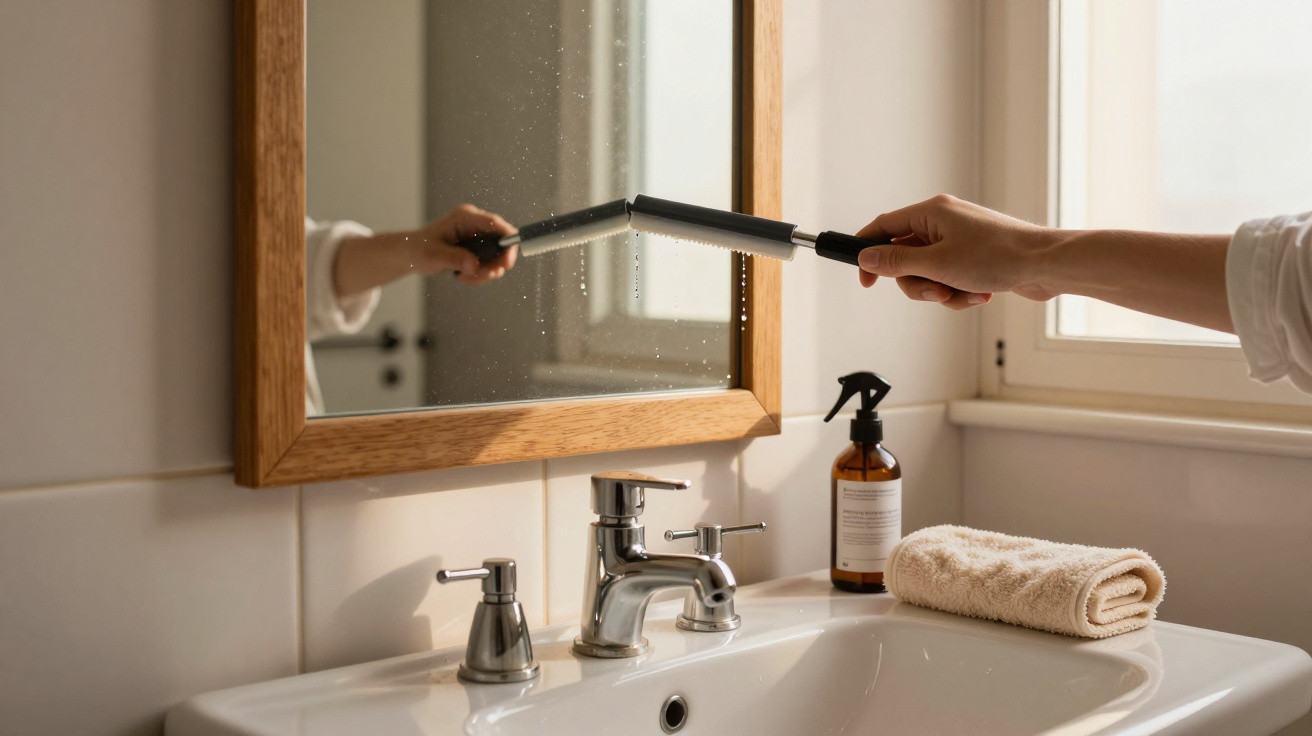
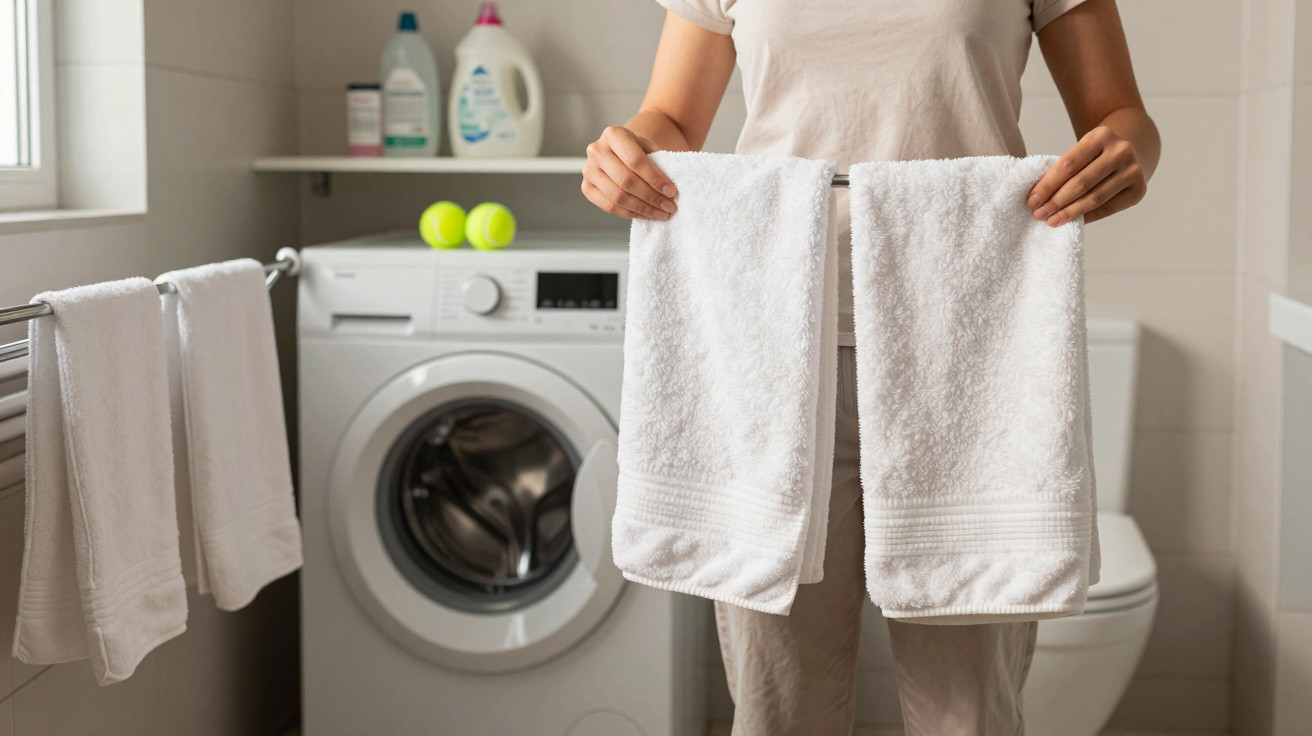
A failed towel test is not a judgement on your housekeeping. It is a guide. Begin by controlling moisture: open the window after showering, leave the extractor running for 15–20 minutes, and use a squeegee on tiles and glass. Launder bath mats and towels weekly at 60°C. Replace shower curtains with a persistent sweet, musty smell - it is mildew’s trademark.
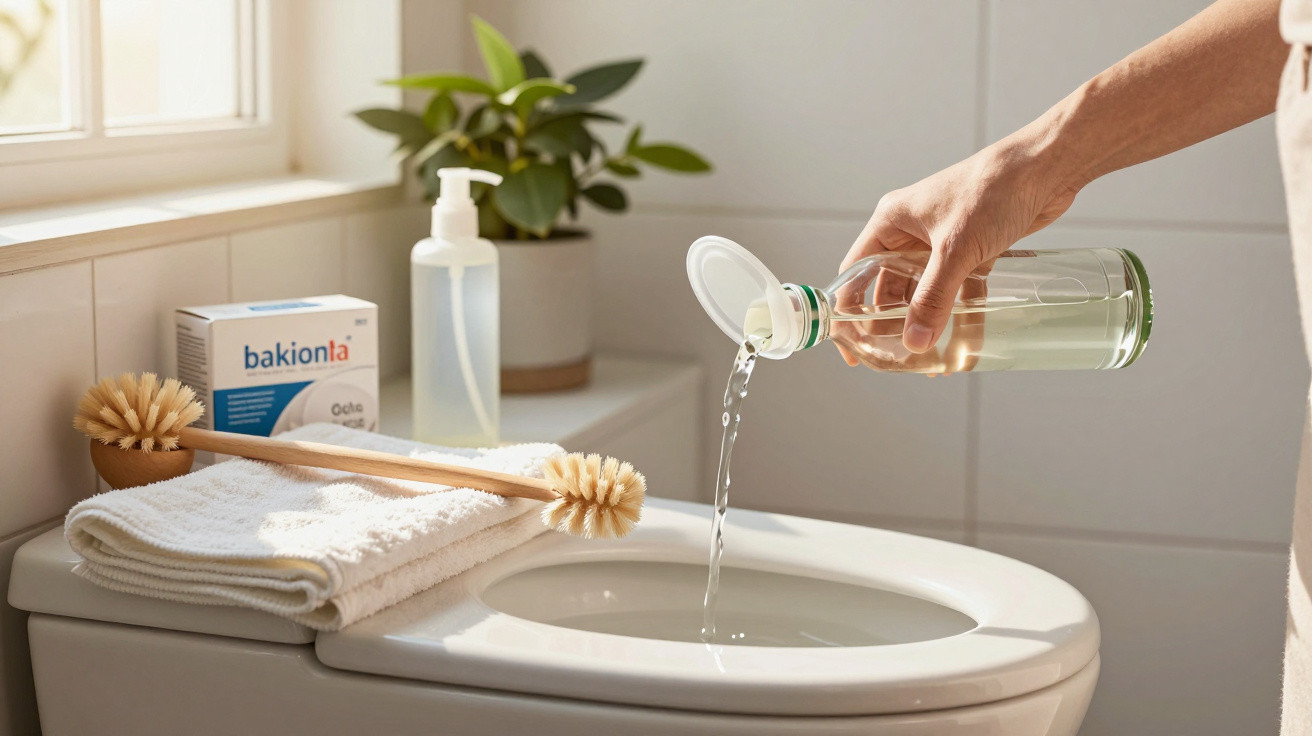
Then deal with the sources. Tip a kettle of hot, but not boiling, water into the basin and shower drains to warm the trap, before applying an enzyme-based cleaner overnight. Wash the toilet brush holder with hot soapy water rather than relying on a quick spray of bleach. Clean the extractor fan cover and the inner edge around it. For grout, use a paste made with oxygen bleach or 3% hydrogen peroxide to lift marks without the risks of combining harsh chemicals. Air freshener isn’t cleaning; it’s choreography.
If the towel has a chlorine smell the following morning, bleach is probably concealing something. Use less of it and focus on the biofilm instead. A sour laundry-like odour means you should inspect heated towel rails and consider how long towels remain damp. Earthy, wet-plant smells point towards silicone seals and dark corners of the shower tray. Work on one area each day for 15 minutes, then carry out the towel test again. Clean cotton that smells of nothing is your green light.
| Key point | Detail | Why it matters to the reader |
|---|---|---|
| - | The towel test involves leaving a clean, dry cotton towel in a closed bathroom for 8–12 hours, then smelling it in fresh air. | A free, objective method for checking whether a bathroom genuinely smells clean. |
| - | Cotton fibres hold odour molecules from mould, drains and residue, exposing scents that your nose has adapted to. | It explains why “smells fine to me” can be misleading and how to get around it. |
| - | If the towel is not neutral, address moisture, drains, grout, mats and concealed traps before covering odours with fragrance. | Practical next steps for resolving odour sources and keeping rooms fresher for longer. |

Comments
No comments yet. Be the first to comment!
Leave a Comment