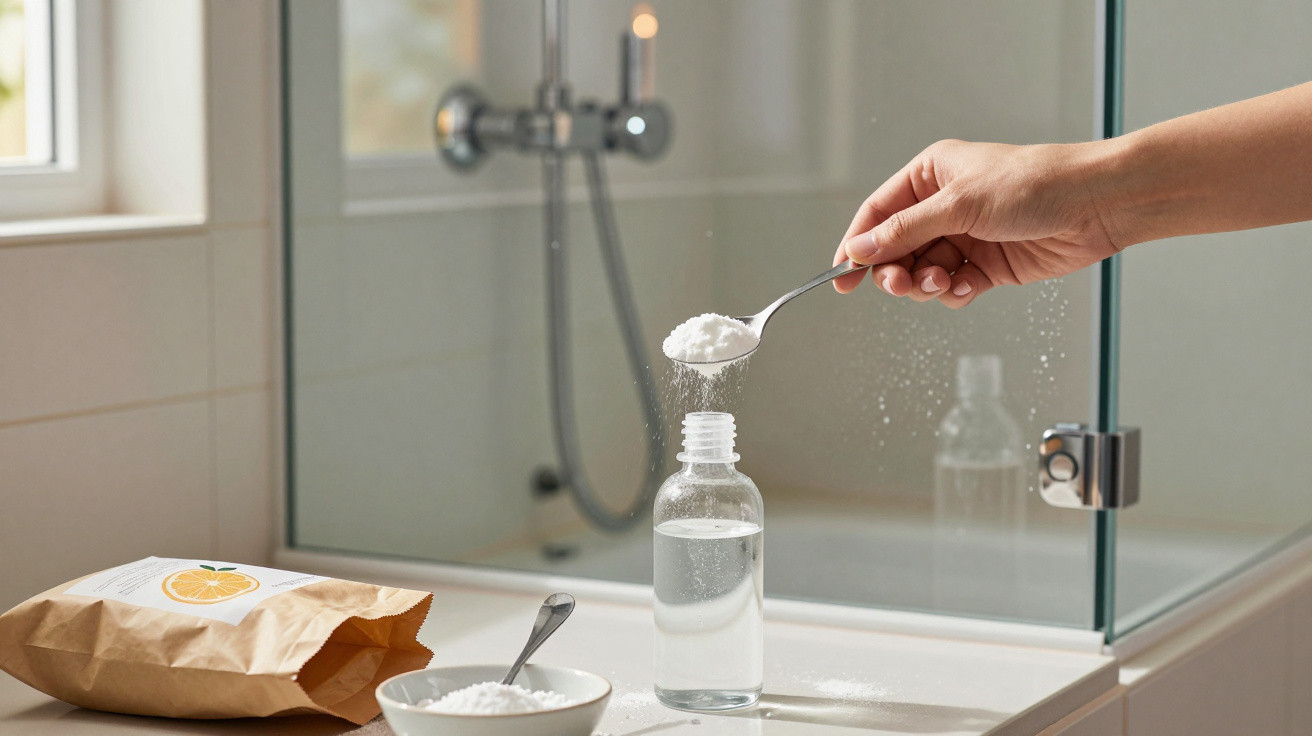
We all want gleaming glass, light-catching chrome and tiles that look freshly fitted. But as soon as you pick up a sponge, the steam has dried into marks. There is a simpler approach: use the warmth from your shower and let one spoonful take on the hard work.
From across the room, a shower can seem spotless, until the light reveals a whole galaxy of streaks. I once spent a Sunday scrubbing until my wrists hurt, only to see the limescale back by Wednesday.
That was when a neighbour shared a trick that sounded almost too easy: add a spoonful, walk away and allow the room to do the work. It was not a promise of magic. It was a promise of saved time-and of putting a little shine back into your morning.
Let a spoonful tackle your shower for you
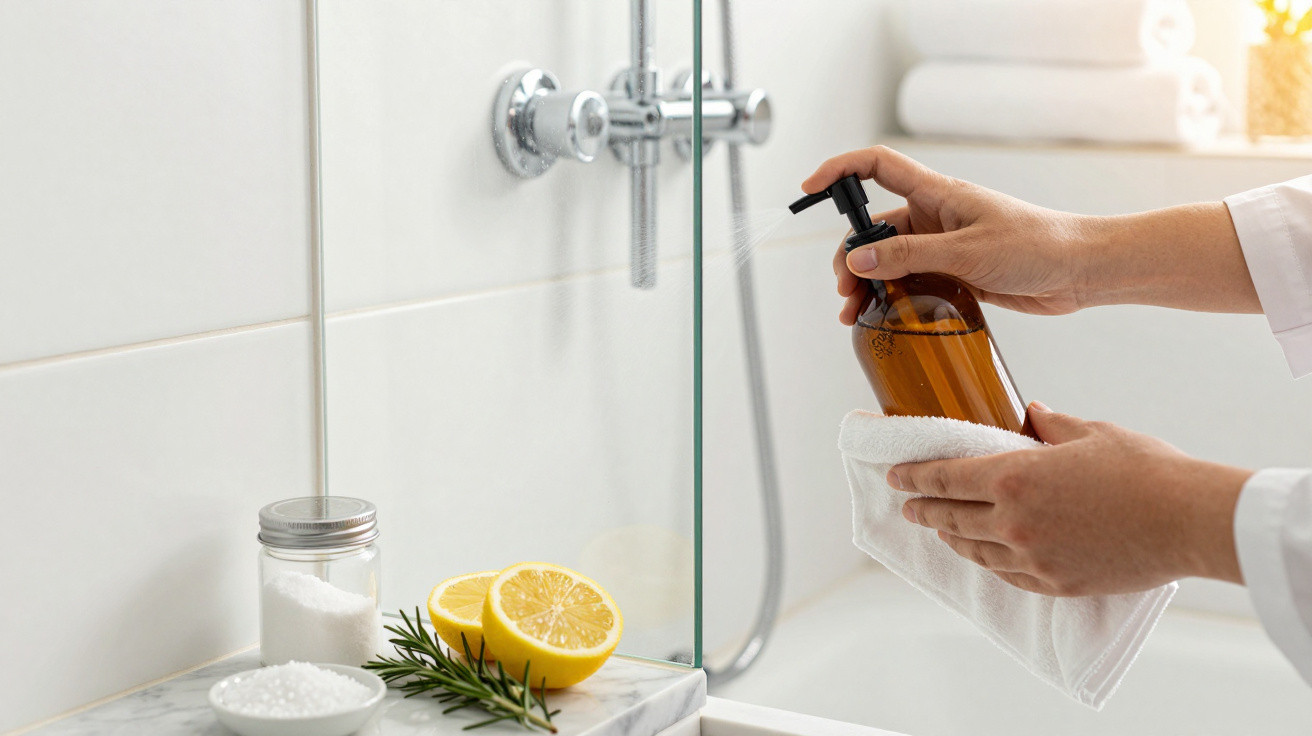
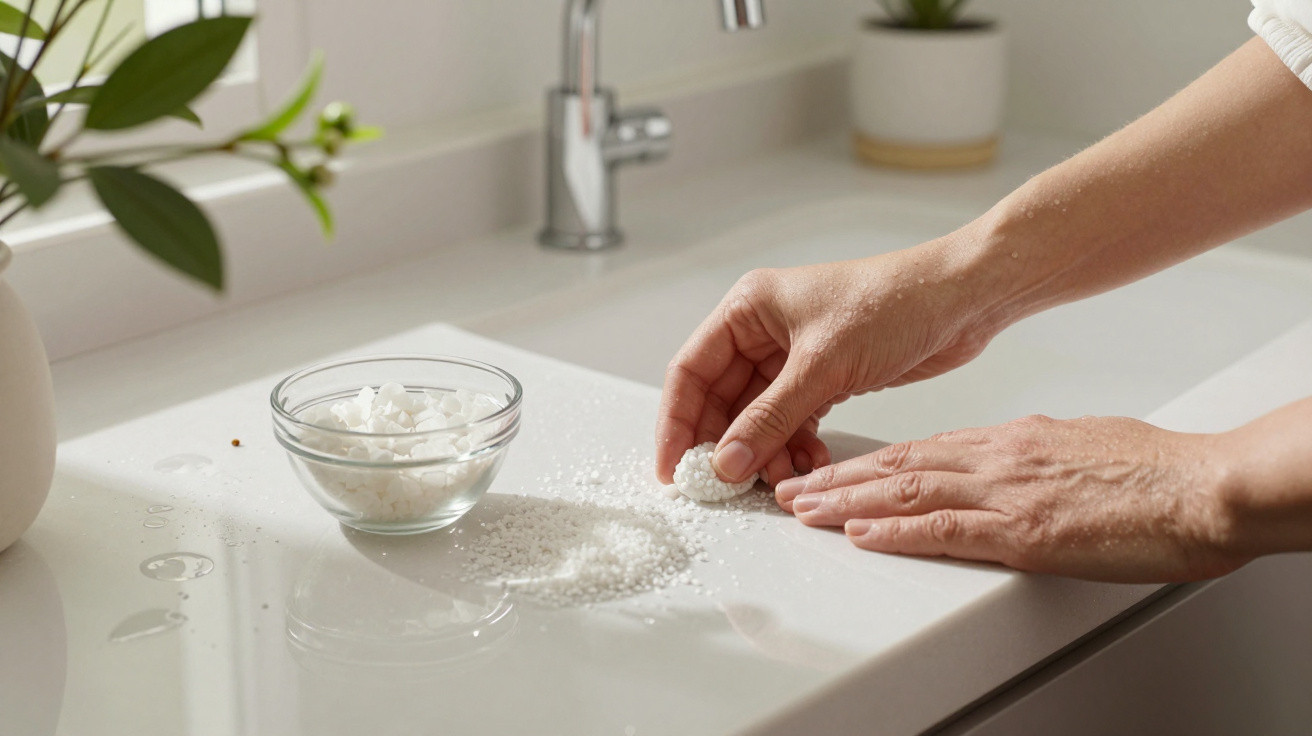
The key ingredient is simple: one spoonful of citric acid. Not lemons or an unidentified gel, but the food-grade powder cafés use for descaling kettles. Add a tablespoon to warm water, spray the mixture over glass and chrome, then leave it alone. Heat and humidity carry on working while you get on with the rest of your day.
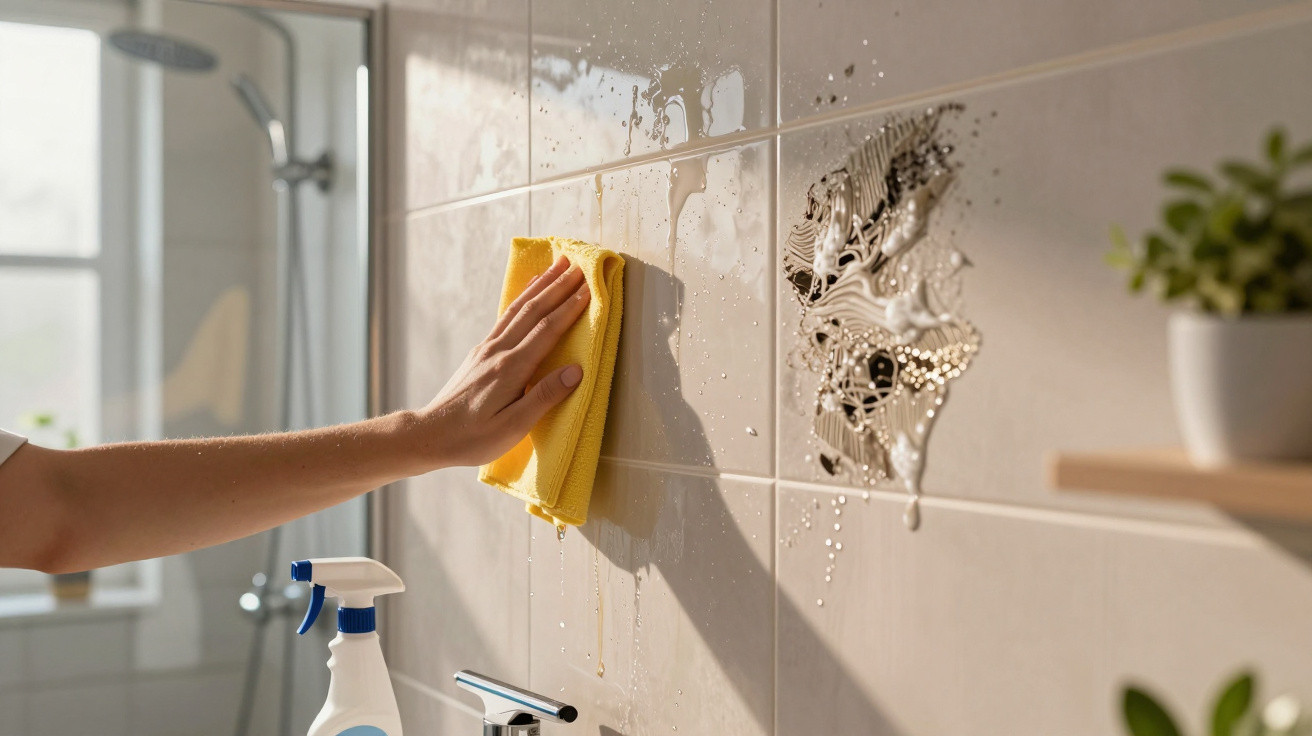
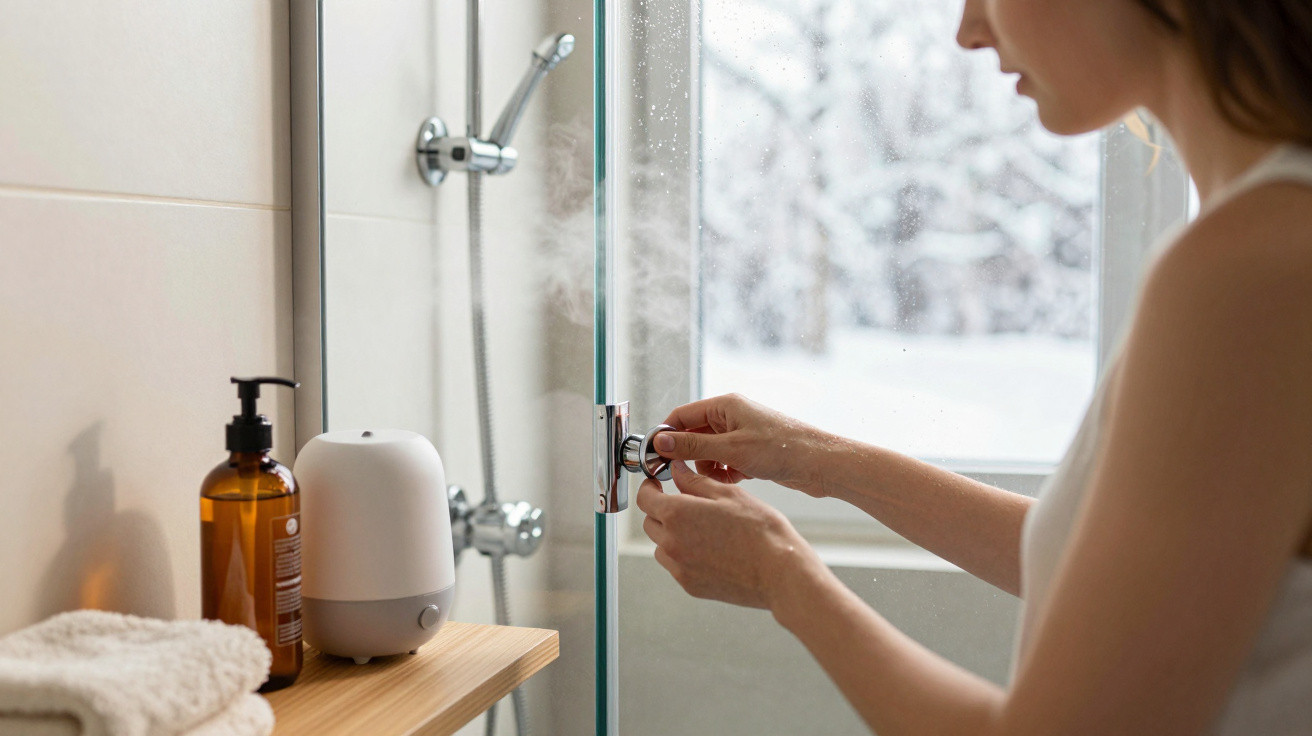
The timing is what makes this feel almost unfair. Apply it immediately after a hot shower, when the surfaces remain warm and damp. The acid adheres to mineral marks, the steam keeps it working, and there is no need to reach for a scrubbing brush. No scrubbing. Simply rinse afterwards.
I used this in a rental property with hard water, where chalky streaks covered nearly everything. During the first week, I sprayed the glass with the spoonful mixture after the final shower each day. By the time I had brushed my teeth, the scum had loosened. A fast rinse washed it down the drain. On the chrome, the small white patches around the tap began to fade, as though I had polished them without the effort.
A friend in a household of five used it on their most hectic days. With the same spoonful and the same routine, the shower panels stopped appearing dull. She changed neither the water nor her timetable; she simply relied on chemistry. The shine also lasted longer than anyone had anticipated.
The science behind it is straightforward. Limescale is alkaline, while citric acid shifts the balance. It binds to mineral deposits, including calcium and magnesium, and releases the soap scum attached to them. If you would like the mixture to glide a little more easily, add one drop of washing-up liquid to the bottle; the film will lift more readily.
It is suitable for glass and stainless steel. It can also be used on chrome, provided you do not leave it sitting for hours and rinse afterwards. Avoid marble, travertine and natural stone, as acids can etch these surfaces. The answer is not to scrub more vigorously; it is to let the acid reach the minerals while steam keeps the reaction going.
The easy “spoonful” method, step by step
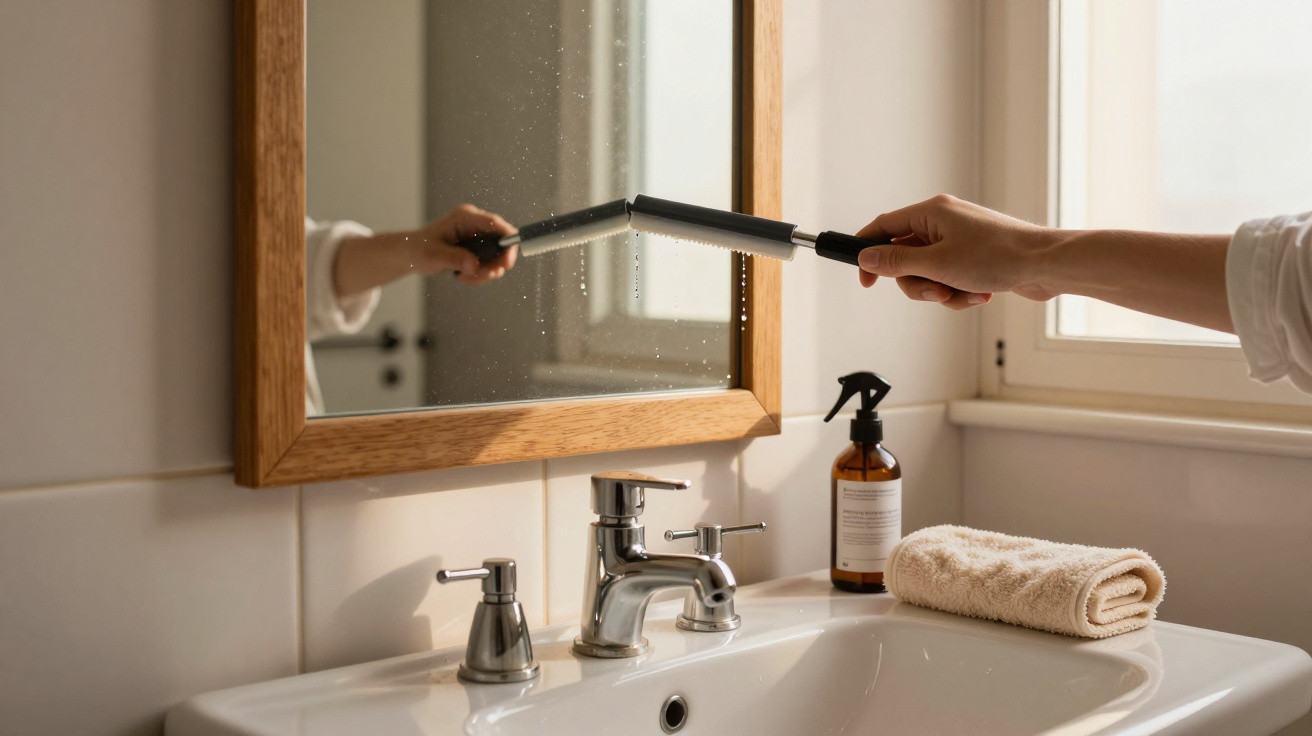
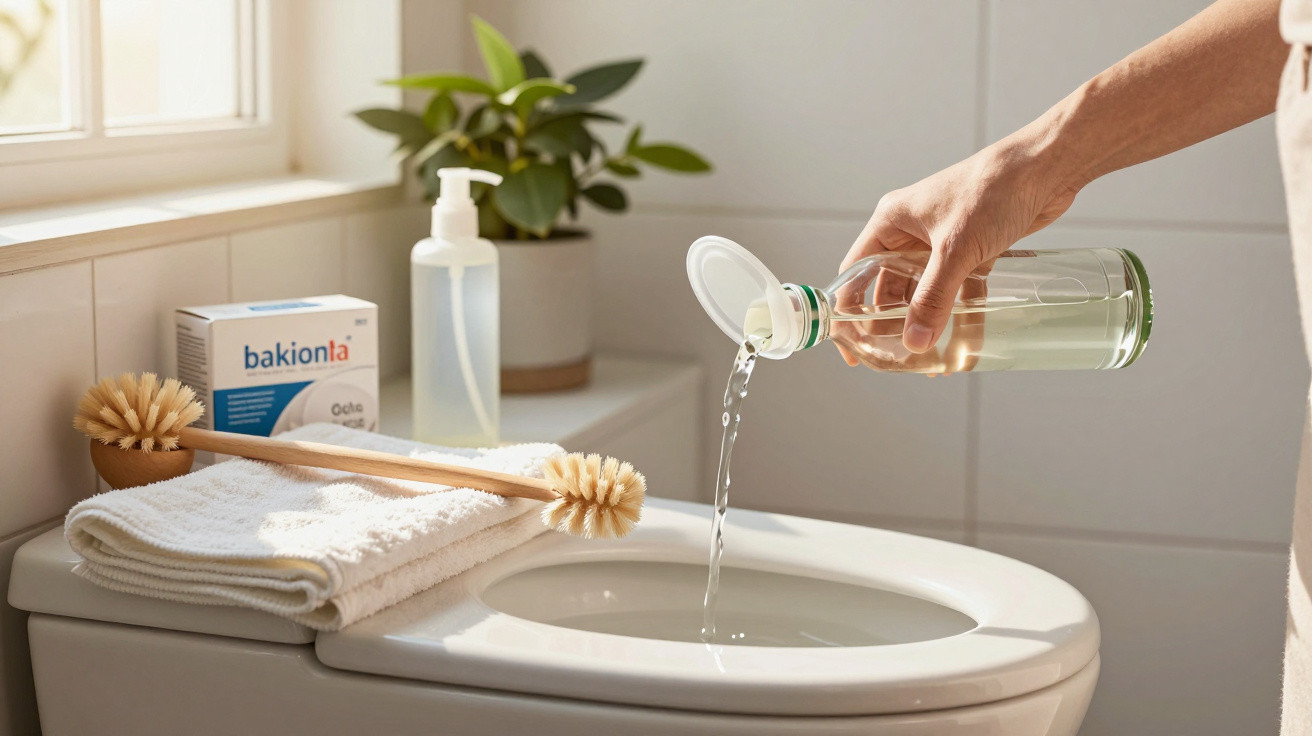
In a spray bottle, combine 1 tablespoon of citric acid powder with 250–300 ml of warm water. If desired, add one drop of plain washing-up liquid. Once you have had a hot shower, mist the glass, fittings and glazed tiles. Leave the solution for 15–30 minutes while the room is still warm. Rinse with clean water, then use a squeegee or wipe the surface once.
For a shower head, place a spoonful in a small bag, pour in warm water and tie the bag over the head so that the nozzles are submerged. Leave it for 30–60 minutes before rinsing. Use the same principle in stubborn corners: make a small paste from citric acid and a teaspoon of water, apply it with a cloth, and then leave it undisturbed. Allow the spoonful to work, and let the warmth keep it in place.
What are the usual mistakes? Using too much is one of them. One tablespoon is sufficient for a whole shower enclosure. Do not spray stone or unsealed grout-leave those surfaces alone. Do not leave the mixture on chrome for hours; rinse it sooner. Above all, never combine it with bleach-do not mix with bleach or anything else. Honestly, nobody does this every day. In a hard-water area, twice a week is enough to keep the shine consistent. It feels like cheating.
“Acids don’t scrub. They dissolve what your sponge can’t,” a home-care chemist told me once. “Heat speeds it up, and a thin film works better than a thick puddle.”
- What to buy: food-grade citric acid powder, a basic spray bottle and single-drop washing-up liquid.
- Where to use it: glass, chrome, stainless steel and glazed tiles; never marble or natural stone.
- When to spray: straight after the final hot shower of the day.
- How to finish: rinse, then make one swift pass with a squeegee for that crisp shine.
- Useful alternative: white vinegar works in a pinch, but a spoonful of citric acid often has a more pleasant smell and rinses away more cleanly.
Lasting shine and a habit that feels effortless
There is a quiet satisfaction in watching water run cleanly from glass. It is not vanity-it is relief. Using one spoonful once or twice a week takes less time than searching for a microfibre cloth, and it does not leave the perfumed haze that some cleaners release into the air.
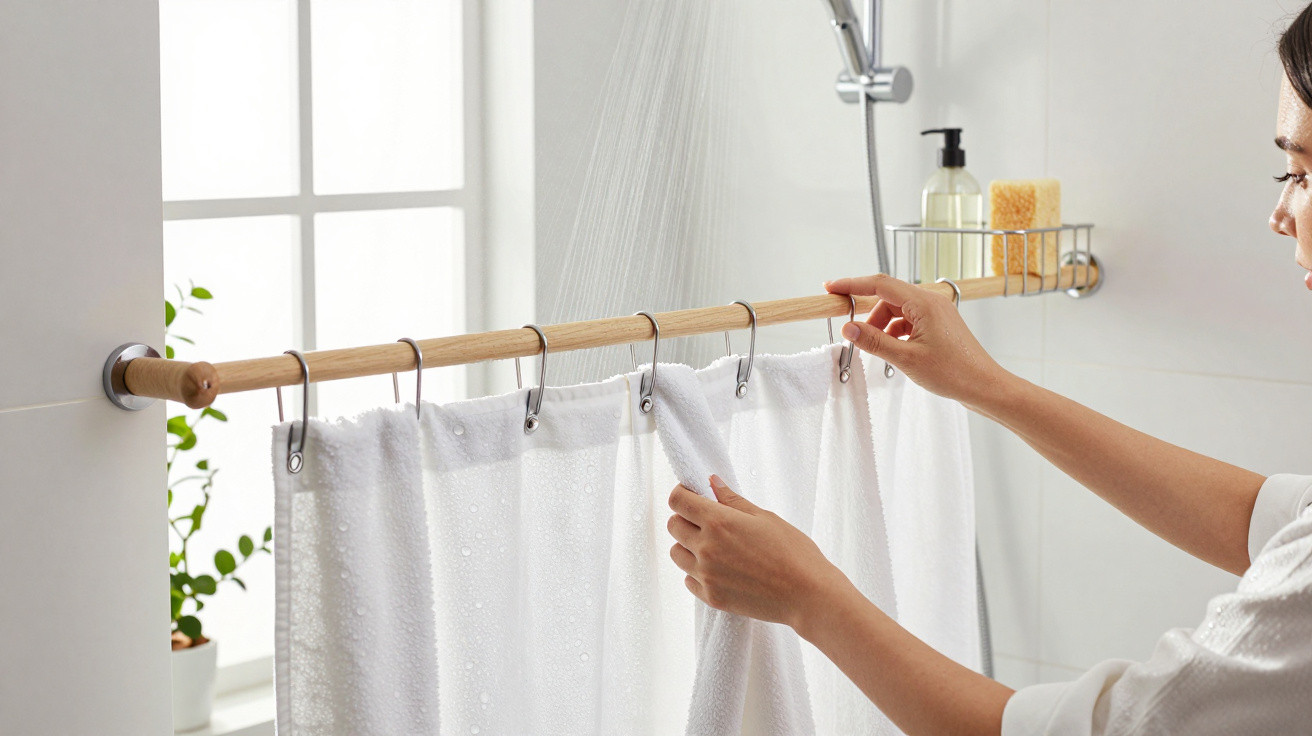
On busy days, I spray the surfaces, hang up a towel and leave the bathroom. Ten minutes later, I can hear the soft tap-tap of droplets moving more quickly down the pane. The citric acid mixture gives water fewer places to cling, making daily upkeep easier. If you enjoy an especially slick finish, you can even follow it with one diluted spray of rinse aid.
We have all faced the moment when guests are due in twenty minutes and the shower glass has become cloudy. Steam up the room, mist on the spoonful mixture, leave it while you set the table, then rinse. Nobody sees the work-only the result. If “clean” is a mood, this is one small adjustment that raises it without any fuss.
Heat is your quiet helper. The warmer the surface, the more effective the reaction, which is why the time after a shower is ideal. Once you have rinsed, ventilate the room to dry everything quickly and help prevent mould. Gloves are optional, though they are useful if you have sensitive skin.
Let us be honest: nobody really does this every day. Some weeks you will forget, and that is perfectly fine. The next time the glass begins to look cloudy, add the spoonful, spray and step away. This method does not penalise you for missing a day; it meets you where you are and makes the next day easier.
There is one final point about routine. Bright fittings alter the way a bathroom feels in the morning. If you only have space for one small habit, make it this one: a cleaner start, without the soundtrack of scrubbing.
Use whichever tools suit you. Some people swear by a shower squeegee, while others do not want another item hanging in the bathroom. A soft cloth works, and airflow works. But the spoonful works best when it stays simple, repeatable and low-effort. That is the whole idea. One spoonful, once a week. Everything else is simply shine.
| Key point | Detail | Benefit for the reader |
|---|---|---|
| The spoonful | 1 tbsp citric acid in warm water, sprayed on warm surfaces | Removes limescale and soap scum without scrubbing |
| Timing | Apply straight after a hot shower, leave for 15–30 minutes | Steam boosts the reaction and saves time |
| Surface safety | Use on glass, chrome, stainless steel and glazed tiles; avoid natural stone | Protects finishes while keeping results glossy |




Comments
No comments yet. Be the first to comment!
Leave a Comment