Most people clean the basin regularly, scrub the toilet and spray the shower with cleaner. Yet one detail almost always goes unnoticed: the silicone seals around the shower and bath. Professionals now issue a clear warning: leaving them wet all the time risks more than a dingy, unpleasant-looking bathroom. It can also lead to mould, respiratory problems and allergies – all of which are entirely avoidable.
Why silicone seals are particularly vulnerable
Silicone seals may look insignificant, but they have an important job. They seal the joins between tiles, the bath and the shower tray, preventing water from seeping into the walls. However, these are also the areas where moisture builds up every day. After each shower, droplets and a thin film of water remain on the seals.
Microorganisms thrive in this continually damp environment. Airborne mould spores settle there, multiply and create dark marks. Limescale accumulates too, leaving the surface dull, yellowish or grey. People with sensitive airways are often the first to notice the effects: irritation, more frequent coughing or a blocked nose – in the very room intended for cleanliness and relaxation.
Regularly drying silicone seals removes the most important fuel for mould and bacteria: standing moisture.
Experts stress that the consequences are not merely cosmetic. Mould can trigger or worsen allergies, aggravate asthma and increase the risk of respiratory problems in children. It becomes especially concerning when an infestation spreads unnoticed over a long period.
The simple post-shower silicone seal routine
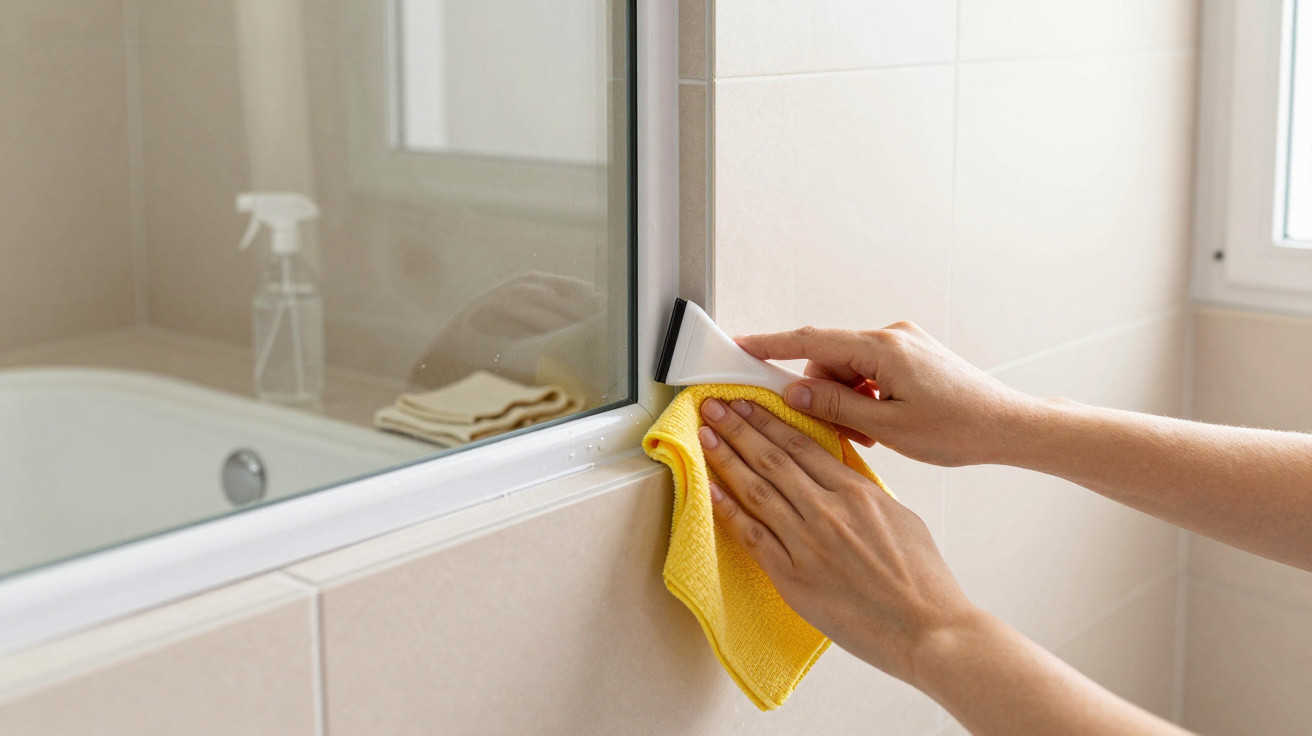
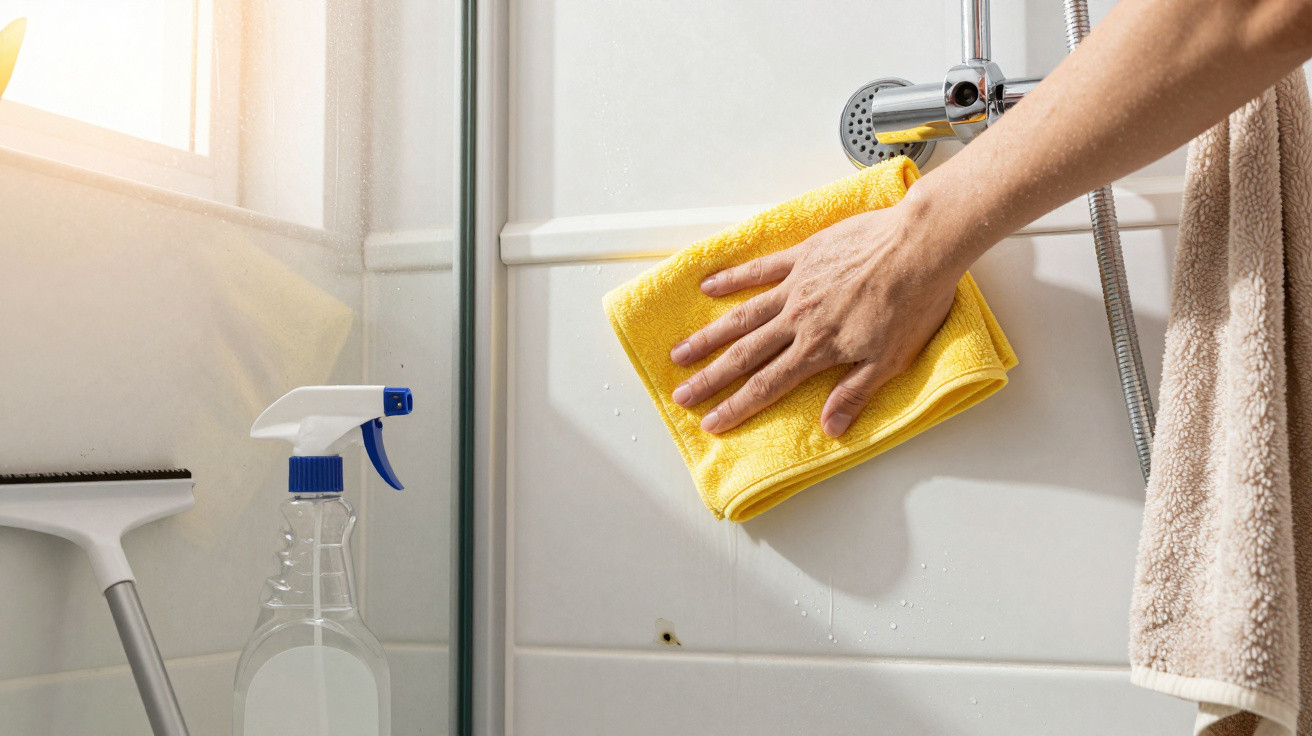
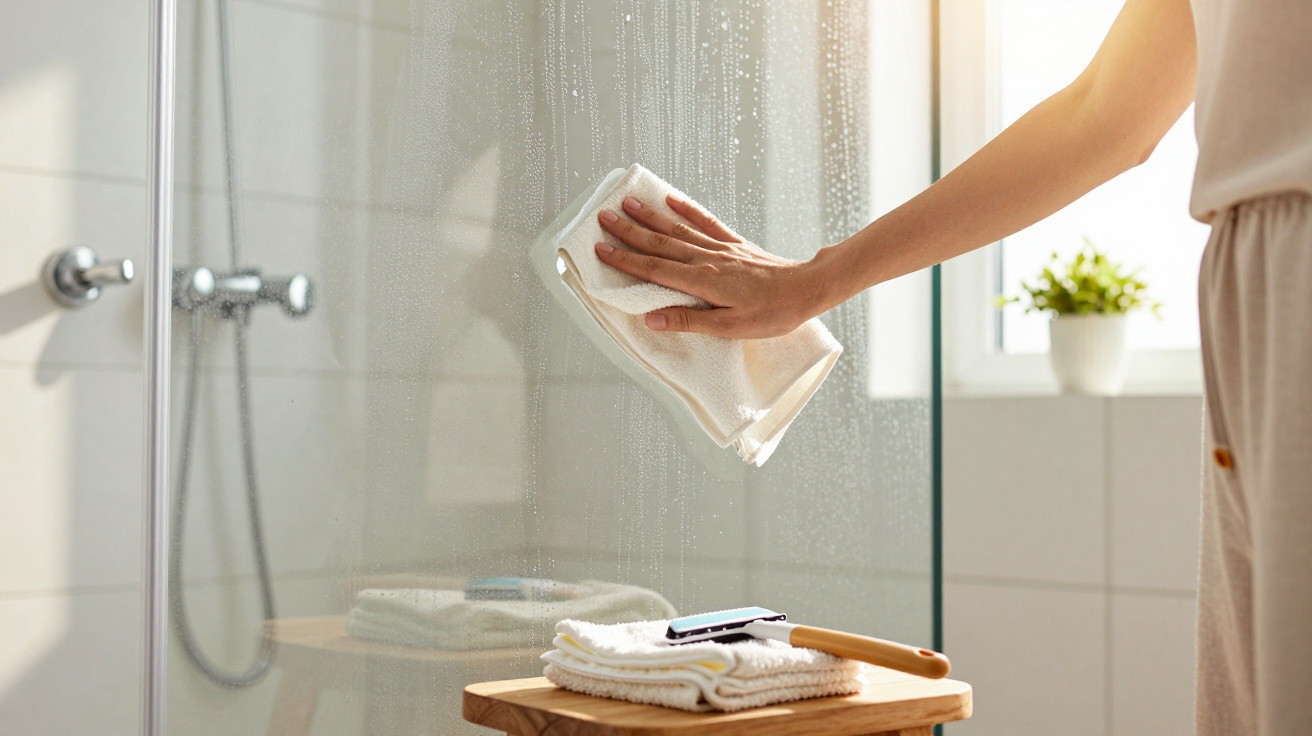
Rather than tackling the problem once a year with aggressive mould remover, professionals recommend an exceptionally simple routine immediately after showering: squeegee water from the tiles and seals, then briefly dry the seals by hand.
A squeegee and cloth are all you need
The approach is straightforward, yet surprisingly effective:
- Remove water with a shower squeegee: Once you have showered, use a rubber squeegee on the walls and, above all, the seals. It takes only seconds.
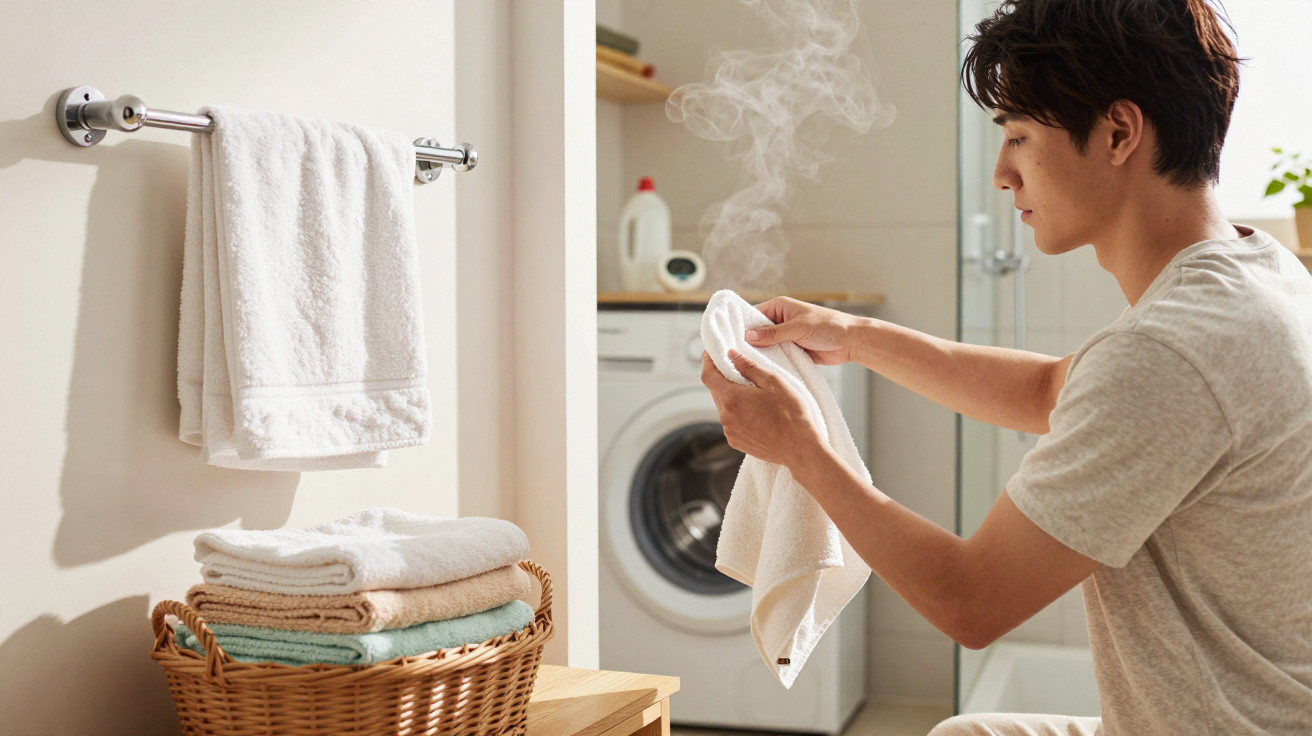
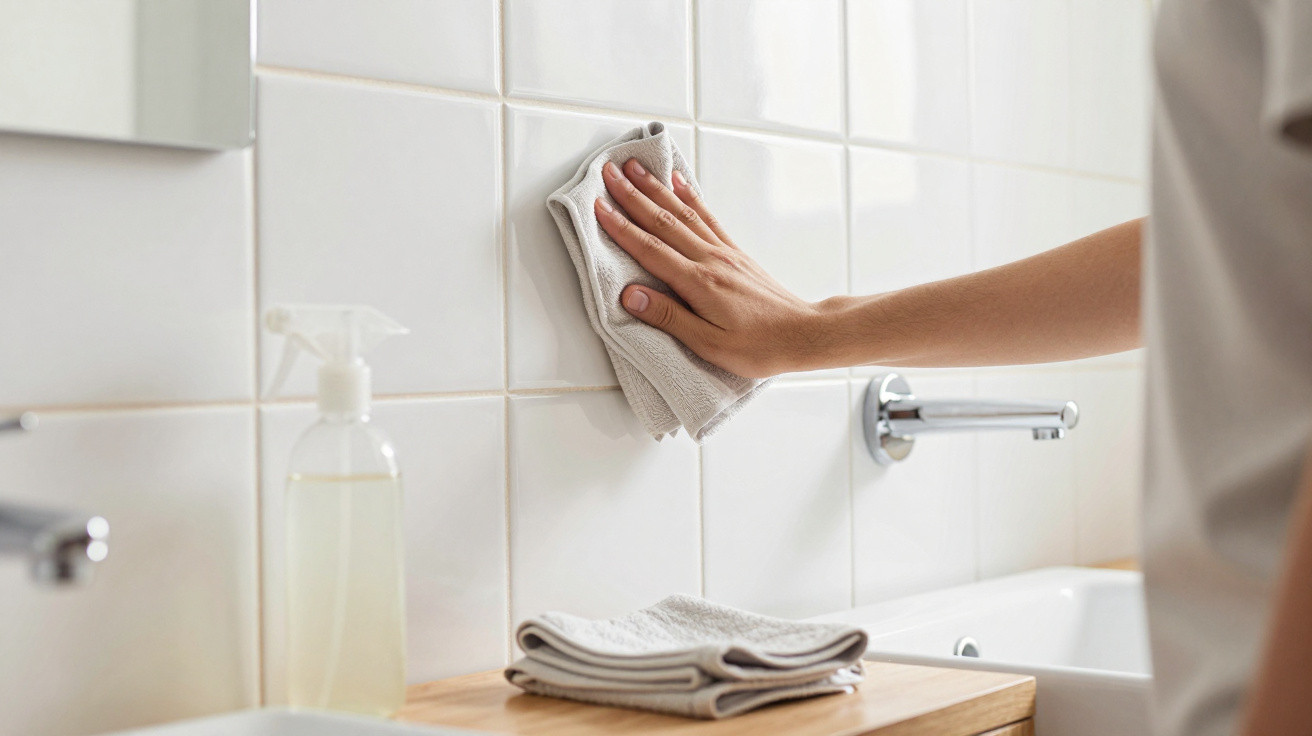
- Wipe silicone seals with a dry cloth: An old towel or microfibre cloth is sufficient. Run it briefly over the seals until they are visibly dry.
- Ventilate the bathroom: Leave the window on its vent setting or switch on the extractor fan so remaining moisture can escape.
These few actions reduce surface moisture enough to make it harder for mould spores to take hold. Limescale marks develop more slowly, if at all, and the familiar “shower smell” that can appear after a few hours is avoided.
The daily mini-routine takes less than a minute and saves hours of cleaning and costly repairs in the long term.
What happens when silicone seals are neglected?
If silicone seals are left wet continually, the first signs tend to be minor: a faint grey film, the first dark spots in corners or a slightly musty smell. However, the issue can develop into much more than it initially appears.
| Problem | Cause | Possible consequences |
|---|---|---|
| Dark marks on the seals | Constant dampness, mould growth | Unhealthy indoor air, allergic reactions |
| Yellowish or dull silicone | Limescale and soap residue | An unkempt appearance, more intensive cleaning |
| Crumbling or cracked seals | Prolonged moisture, ageing material | Water enters the walls, expensive repairs |
| Musty smell in the bathroom | Hidden mould in seals and corners | Ongoing strain on the respiratory system |
The problem becomes particularly difficult when mould is not limited to the surface but penetrates the material. In that case, the only solution is often to replace the entire silicone seal. That means time, expense and potentially booking a tradesperson.
Why this daily step costs far less than repairs
Professionals are clear on this point: spending a few seconds after every shower is far more effective than trying to rescue the seals later with chemicals. Those who neglect seals over time often face three unpleasant options:
- Scrubbing for hours with powerful cleaning products.
- Using harsh mould removers with strong fumes on a regular basis.
- Replacing the seals completely when they can no longer be saved.
All three options place a burden on either your health, your budget or both. Drying the seals every day works like insurance: minimal effort, substantial protection. In many homes, it can even reduce the need for specialist cleaners because stubborn dirt never gets the opportunity to build up.
How to organise a practical bathroom routine
To ensure the new step does not become irritating in everyday life, one simple principle helps: anything you intend to do regularly must be within easy reach.
Practical tips for everyday use
- Hang a shower squeegee inside the shower or on the shower door.
- Keep a small towel or microfibre cloth close to the shower.
- Agree within the household that whoever showers last uses the squeegee – job done.
- In bathrooms without a window, leave the extractor fan running for longer after showering.
After just a few days, the extra step no longer feels like “additional work”; it simply becomes part of the bathroom routine, much like brushing your teeth.
How to tell whether your seals have already been damaged
A quick inspection can help you judge how urgently action is needed:
- Check the colour: Are the seals still white or clear? Or have they become grey, yellow or brown?
- Look at the surface: Is the silicone smooth, or does it appear porous and cracked?
- Use your sense of smell: Does the bathroom, especially the shower area, smell slightly musty even though you have just cleaned it?
- Pay special attention to corners: This is usually where mould starts to form first.
Slight discolouration can often still be dealt with using gentler cleaners and the new drying routine. If the silicone is coming away, heavily discoloured or already shows clearly visible patches of mould, replacement should be considered.
Health considerations: why sensitive people benefit most
People with allergies, asthma or weakened immune systems often react far more strongly to mould spores and bacteria from damp corners. For them, keeping the bathroom clean and dry can provide noticeable relief.
A dry bathroom reduces mould levels in the air and can lessen symptoms such as coughing, irritation and headaches.
Families with young children or older people in the household should also pay attention to the seals. Both groups spend a great deal of time at home and are therefore exposed to indoor air every day. A few dry seals can be almost like a preventative health measure in daily life.
More than appearance: how dry seals affect the whole bathroom
Dry, light-coloured seals make a bathroom look well cared for at first glance. Visitors notice it immediately, even if they cannot put their finger on why. The room feels fresher and smells neutral rather than musty.
There is a technical benefit too. When silicone seals remain watertight and flexible for longer, less water can penetrate walls and the floor screed. This protects not only your own home but, in blocks of flats, neighbours on the floor below from water damage as well. Taking preventative action can spare you difficult conversations with the property manager or insurer.
The habit of drying the seals each day fits naturally with other bathroom practices: opening the window briefly, shaking out towels and pulling the shower curtain fully open. Together, these steps ensure moisture disappears quickly and the bathroom can be used for its intended purpose – as a place where you can genuinely feel clean and comfortable.


Comments
No comments yet. Be the first to comment!
Leave a Comment