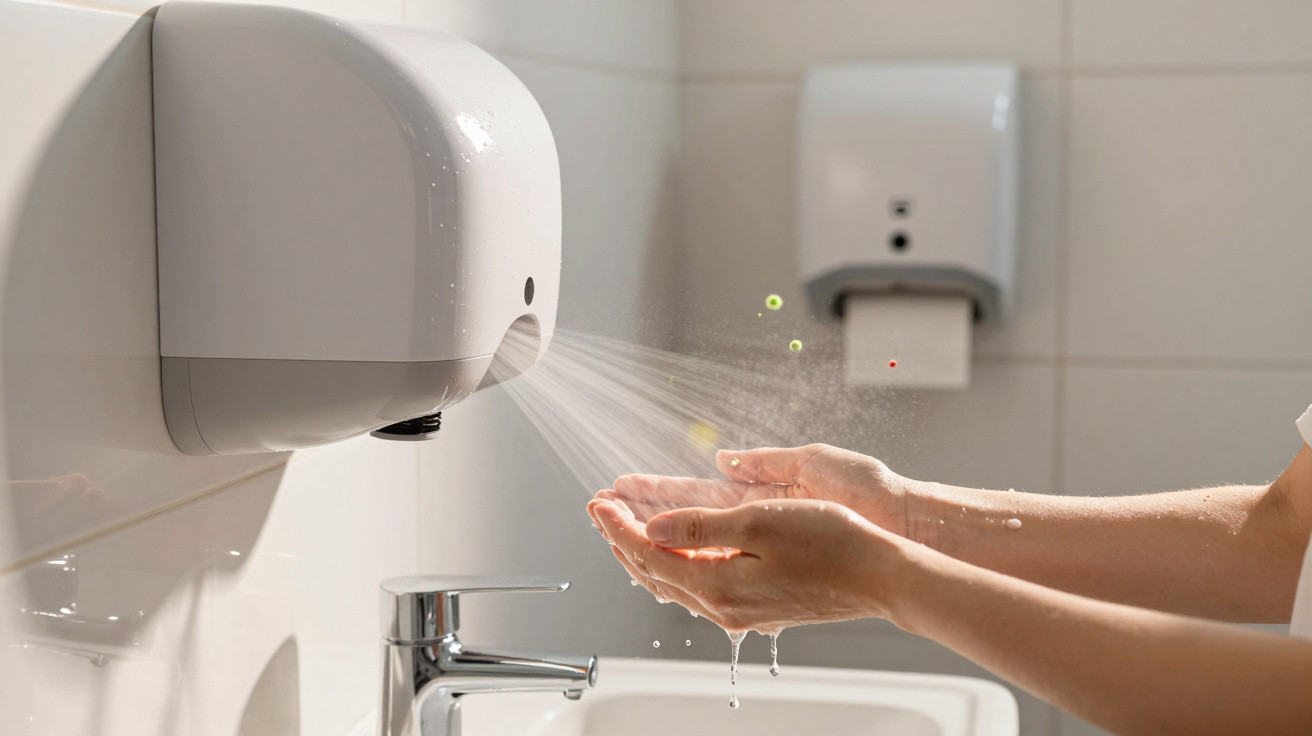
Anyone who washes properly with soap tends to feel safe. A quick blast beneath the hand dryer and the job is done - or so it seems. Yet a straightforward laboratory test by a science teacher has seriously undermined confidence in these machines. The air emitted by many hand dryers appears to be far from clean.
A simple test that shocked millions
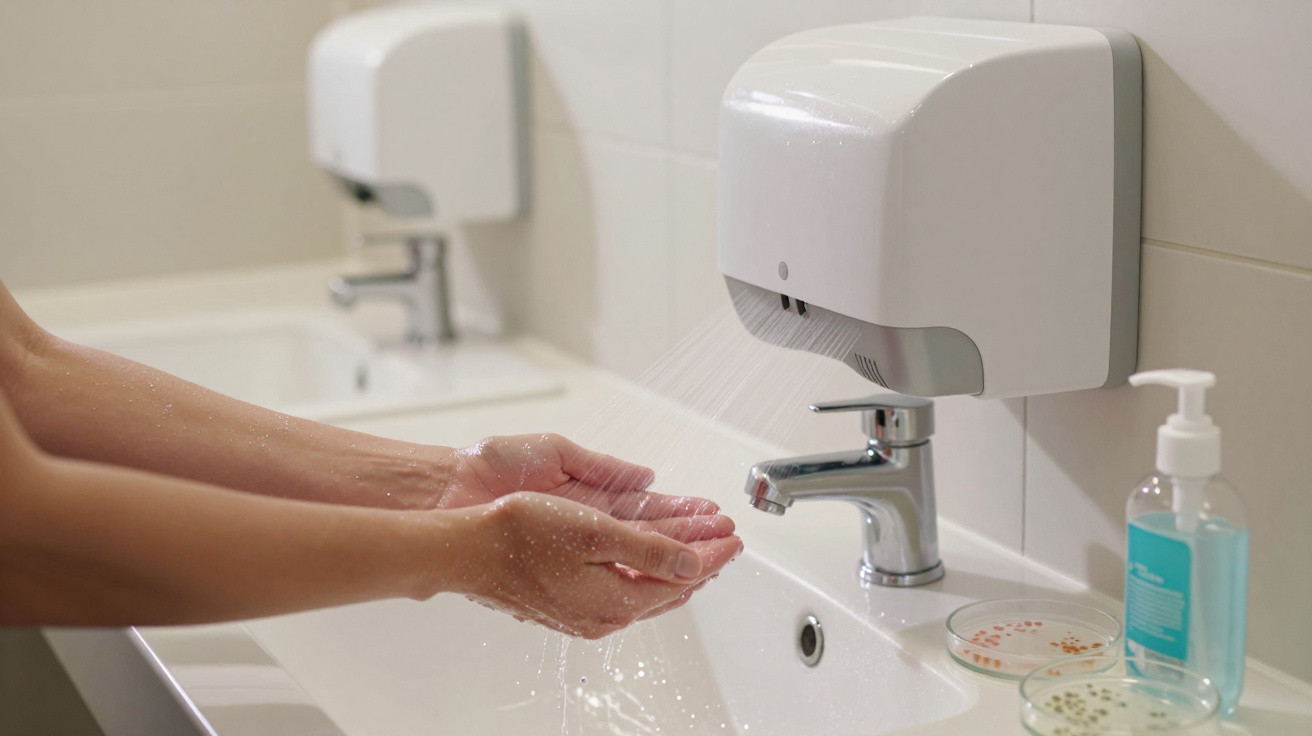
The scientist, known online as “Devon Science”, wanted to investigate for herself. Using ordinary Petri dishes of the kind commonly used in biology lessons, she carried out a remarkably simple experiment.
- She placed one dish directly beneath the airflow from a hand dryer in a toilet.
- She left a second dish uncovered in a clean laboratory as a control.
Following one day of incubation in the warm laboratory, the outcome was unmistakable. The control dish remained almost empty. The dish exposed in the toilet, however, developed extensive mats of bacterial colonies: tightly packed yellow, black and white spots.
The test dish beneath the hand dryer was covered in bacteria, while the control sample remained almost clean - the airflow had apparently blasted germs directly on to the culture medium.
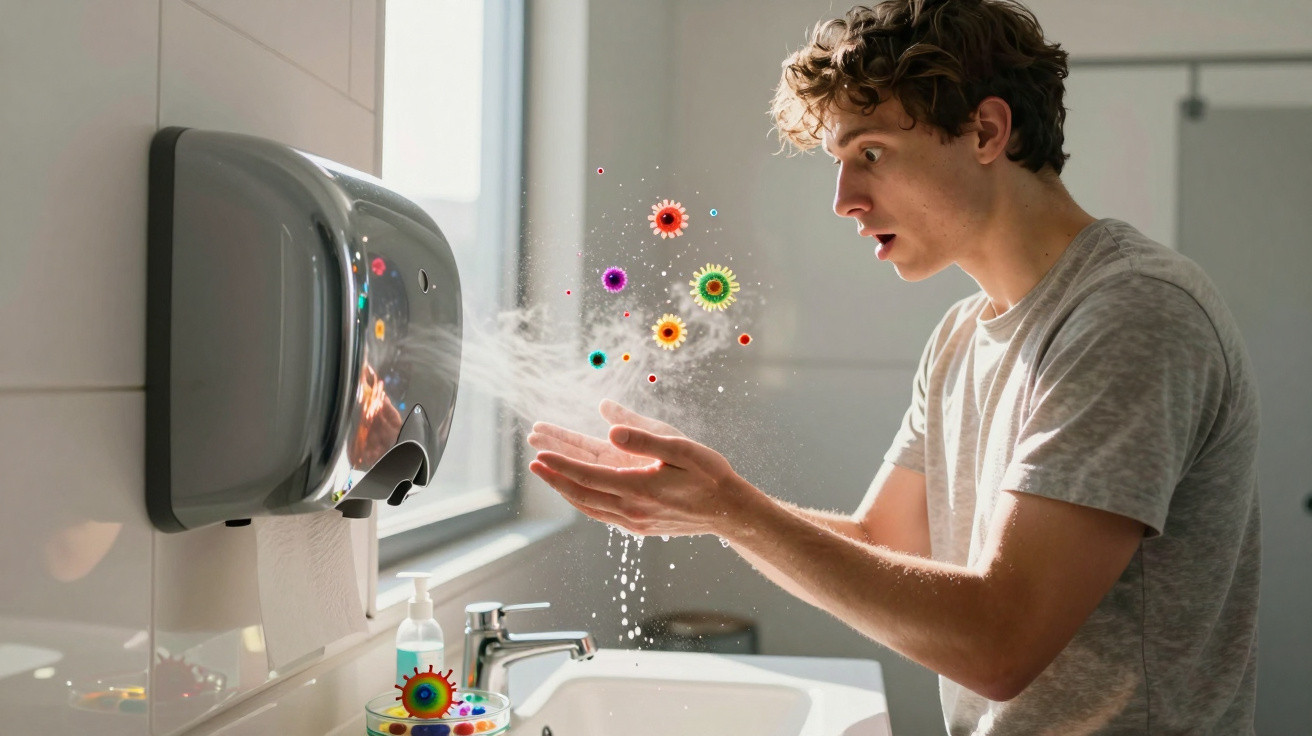
The result is not entirely unfamiliar to specialists, but it comes as a shock to many members of the public: an air dryer may blow more than warm or cool air over the skin. It can apparently also release a mixture of microorganisms from both the room’s air and the inside of the machine.
Which germs can end up on your hands
The laboratory findings revealed typical culprits often found in toilet environments, including:
- Staphylococcus aureus: These bacteria occur on the skin, but may cause pus-filled skin infections, wound infections and, in rare cases, severe blood poisoning.
- Escherichia coli (E. coli): A usual inhabitant of the gut and a classic sign of faecal contamination. If certain strains reach the mouth via the hands, they can cause diarrhoea and gastrointestinal infections.
- Fungal spores: Black marks in the dish indicate mould or yeast fungi. This may be problematic for people with asthma or weakened immune systems.
Exactly which species occur in any individual case depends on the particular toilet, its cleaning regime, ventilation and level of use. What is clear, however, is that these devices can spread not only harmless environmental microbes but potentially disease-causing organisms too.
Why hand dryers spread germs so effectively
Most modern hand dryers rely on exceptionally powerful blowers. Some models produce air speeds of several hundred kilometres per hour. Although this dries hands quickly, it comes at a cost.
High speed and aerosols: an unfavourable combination
Flushing a toilet creates tiny droplets known as aerosols. They contain particles from the flush water, including bacteria and viruses. These remain suspended in the air for a time before settling on surfaces such as door handles, basins, walls and the exterior and interior of hand dryers.
When the blower starts, its airflow carries away:
- particles from the hands themselves;
- dirt and microorganisms from the toilet air; and
- germs that have accumulated inside the device.
During the test, the researcher also swabbed the inside of the dryer and streaked the swab across culture medium. The cotton bud turned dark, suggesting substantial contamination within the machine. Anything adhering there can be redistributed whenever the airflow begins.
Every press of the start button can act like a small germ vacuum cleaner in reverse - except that the particles are not sucked in but blown out into the room.
How great is the everyday risk really?
People who are generally healthy do not need to panic every time they use a toilet. We encounter many of the bacteria identified every day. Even so, several factors make the combination of “public toilet + hand dryer” more concerning:
- Heavy use: In shopping centres, railway stations and airports, hand dryers operate almost continuously. More people means more germs in the air.
- Often poor ventilation: Small, enclosed spaces without sufficient fresh air can lead to high concentrations of germs.
- Contact surfaces: Anyone touching door handles, grab rails or lift buttons after drying their hands can spread what has landed on them - and pick up new microbes in return.
For people with weakened immune systems, chronic lung conditions or open wounds on their hands, this situation presents a considerably greater risk than it does for healthy adults.
Are modern hand dryers with HEPA filters the answer?
Some manufacturers now promote more hygienic air dryers. Two technologies receive particular attention: HEPA filters and UV light.
What HEPA filters can - and cannot - do
HEPA filters, or High Efficiency Particulate Air filters, are familiar from medical technology. They trap extremely small airborne particles, often up to 99.97 per cent at a size of 0.3 micrometres. In hand dryers, they are intended to:
- filter dust, bacteria and fungal spores from the air drawn in from the room;
- make the expelled airflow substantially cleaner.
This sounds convincing in theory. In practice, however, performance depends on several factors:
- Is the filter replaced regularly? A saturated or dirty filter works less effectively and may itself become a source of germs.
- How sealed is the system? If air escapes around the edges of the filter, unfiltered particles can still be released.
- How is the rest of the interior designed? Cracks, edges and damp areas create niches for germs that the filter cannot reach.
UV light: a high-tech solution with limitations
Some newer models use UV-C light, which can damage bacteria and viruses. This works only when:
- air passes the UV source for long enough;
- the lamps are sufficiently powerful; and
- the technology is maintained regularly.
Many conventional public toilets, however, have older or basic machines without these additional features. Anyone relying on the phrase “with filter” without knowing how the unit is maintained may be lulled into a false sense of security.
What doctors and hygiene specialists recommend
Hand drying has been debated in hospitals and care facilities for years. Several studies have reached a similar conclusion: paper towels generally perform better than air dryers in terms of germ transmission.
Drying with single-use paper mechanically removes germs from the skin - whereas airflow from a blower is more likely to propel them around the room.
For this reason, many hospitals deliberately use paper in sensitive areas. Some national health services even specifically advise against installing air dryers on certain wards in order to reduce the risk to immunocompromised patients.
What you can do in public toilets
Public toilets cannot be avoided completely. A few straightforward habits can significantly reduce your personal risk:
- Wash thoroughly: Use soap for at least 20 seconds, including between the fingers and around the thumbs.
- Use paper where possible: If paper towels are available, they are usually the better option.
- Keep your distance from hand dryers: Do not press your hands directly into the nozzle; hold them slightly lower or to the side where possible.
- Keep your face away: Do not lean your head into the airflow to dry faster.
- Open the door with an elbow or paper: This helps keep freshly washed hands cleaner.
Those wanting to be especially cautious can skip the dryer, shake their hands over the basin and, if necessary, dry them on their own trousers. It may not look elegant, but it is often more hygienic than a shower of germs.
Why well-washed hands can still be at risk
Hand hygiene is regarded as one of the most effective ways to prevent infections. But even the best handwashing routine offers little benefit if contaminated air is blown across the skin immediately afterwards. Germs can settle in skin folds, beneath fingernails and in small cracks, before being transferred to a phone, door handle or snack the next time you reach for one.
There is another issue: many people wash for too little time or do not use soap. In that case, dirt and bacteria are removed only partly. The airflow can then distribute them especially efficiently around the surroundings, creating a problem for everyone else using the room.
What toilet operators should consider now
Operators of shopping centres, restaurants and railway stations face a practical question: how can hygiene be improved without costs spiralling? Several measures can help:
- Regular servicing and cleaning of hand dryers, including their interiors.
- Retrofitting with technically advanced HEPA models - alongside maintenance schedules.
- Providing paper towels as an alternative, particularly in heavily used toilets.
- Improving room ventilation so that aerosols are removed more quickly.
Especially at times when respiratory infections and gastrointestinal illnesses can take entire workforces out of action, every measure that slows the cycle of germ transmission is worthwhile.
A brief look at the microbial world
Many of the germs made visible by the experiment are invisible in daily life and are often harmless. The human body coexists with billions of microorganisms on the skin, in the gut and in the airways. Whether they become a genuine problem depends on their quantity, their location and the health of the person affected.
This is precisely what makes air dryers concerning: they concentrate germs from a particularly contaminated setting - the toilet - and bring them into direct contact with the body part we constantly use to touch ourselves and others: our hands.



Comments
No comments yet. Be the first to comment!
Leave a Comment