A simple kitchen staple can solve the problem.
Many people clean their bathroom regularly yet still wonder why the toilet does not feel properly fresh. Often, the issue is not visible dirt but the smell. Rather than reaching for harsh chemical cleaners, a few household products can quickly create a fragrance reminiscent of an upmarket hotel.
Why toilets develop unpleasant smells so quickly
Limescale, urine scale and organic residue gradually build up inside the toilet bowl. Even when the surface looks clean, tiny deposits may still release odours. Other common causes include:
- Humidity in the bathroom, which allows bacteria to multiply
- Hair, soap residue and dust collecting in the trap
- Deposits beneath the flushing rim that are not immediately visible
- Insufficient ventilation, especially in bathrooms without windows
When visitors are due, most people want to tackle this issue quickly, preferably without extensive scrubbing or pungent cleaning fumes. This is where a surprisingly useful household product, found in nearly every cupboard, comes in.
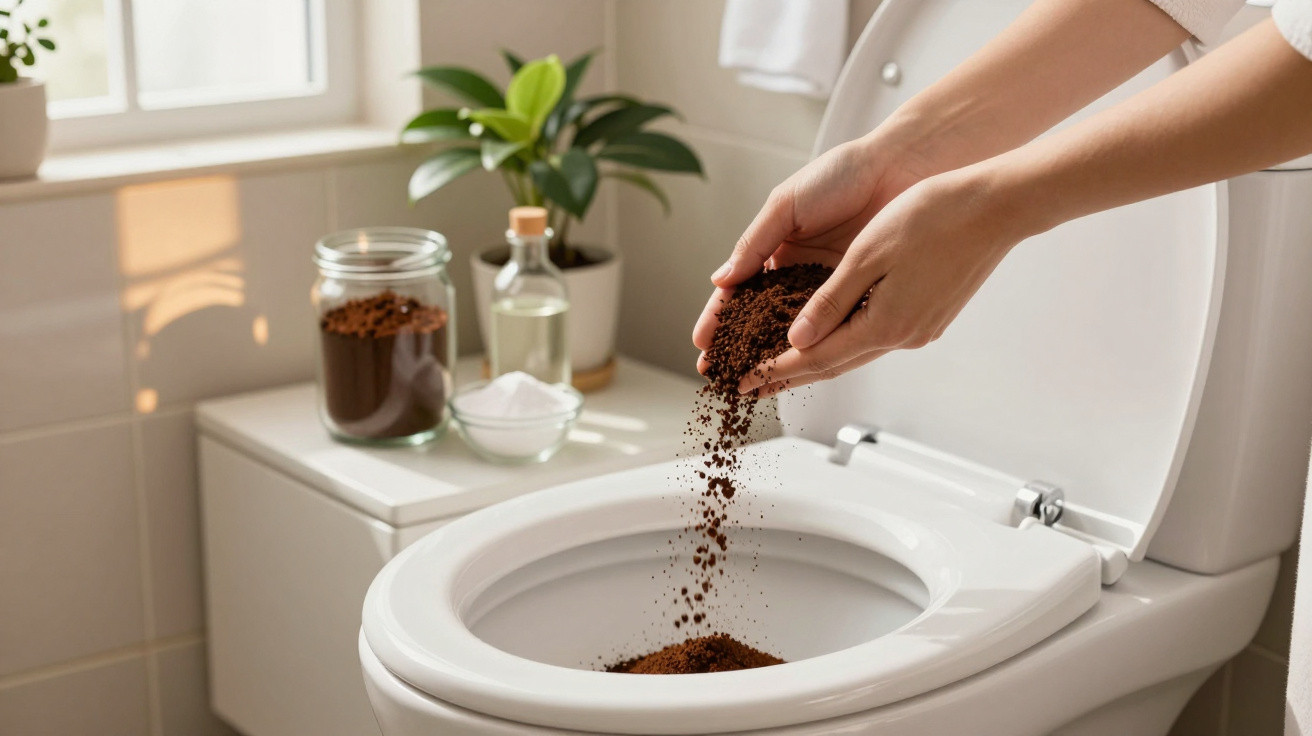
Coffee in the toilet: how the 15-minute trick works
Coffee usually belongs in the kitchen rather than the bathroom. However, the strong aroma of ground coffee is well suited to masking unpleasant smells and can also bind them to some extent.
“A few teaspoons of ground coffee in the toilet are enough to make the bathroom smell noticeably more pleasant after a short time – ideal just before guests arrive.”
Step-by-step guide to the coffee trick
Use this household remedy as follows:
- Briefly open the bathroom window or switch on the extractor fan.
- Flush the toilet once first to remove any obvious soiling.
- Put 2–3 teaspoons of ground coffee directly into the toilet bowl.
- Leave it for around 10–15 minutes without flushing.
- Flush thoroughly once – and you are done.
A light coffee fragrance will remain in the bathroom and mask many unpleasant odours. Anyone who enjoys coffee will usually find the scent warm and inviting, much like the aroma in a hotel breakfast room.
Fresh coffee or old grounds: which is more suitable?
Fresh ground coffee straight from the packet delivers the best results because it has the strongest aroma. However, if you do not want to use fresh coffee, you can also:
- Use older coffee from an opened packet
- Make practical use of out-of-date ground coffee
- Cut open used coffee capsules or pads and use their contents
Important: use dry coffee only, never wet coffee grounds from a machine. Damp grounds can clump together in the pipes and, when used frequently, may put strain on the plumbing.
How long does the hotel-like fragrance last?
The fresh coffee smell is particularly noticeable at first. After several hours, it becomes less intense and turns into a subtle scent. The effect is generally more than sufficient for an unexpected visitor or an evening with friends.
For a toilet that smells pleasant over the long term, do not use this trick every day; instead, combine it with other methods. Coffee is primarily a quick solution when guests have announced themselves or when a rapid burst of freshness is needed after intensive toilet use.
Bicarbonate of soda and vinegar: deep cleaning against odours
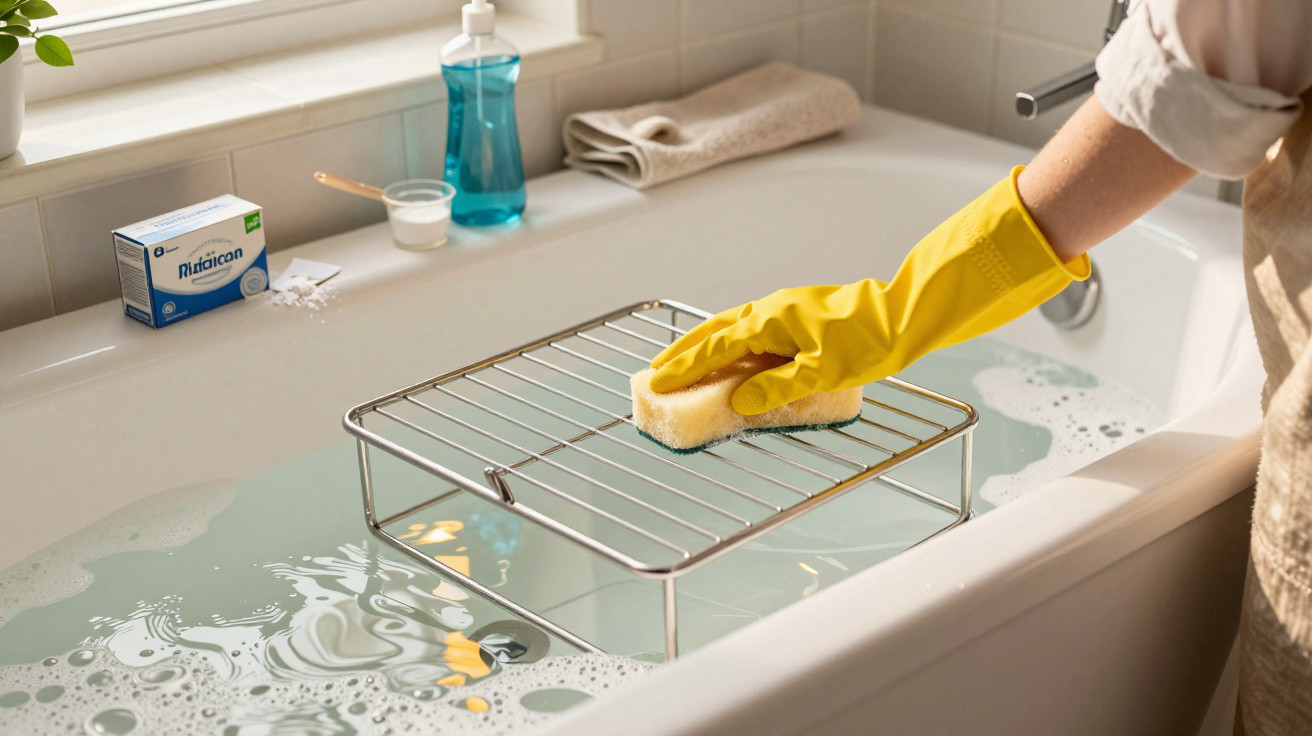
Smells often originate where deposits have formed. A popular alternative to conventional toilet cleaner combines bicarbonate of soda or washing soda with vinegar. This mixture helps remove limescale, urine scale and dirt without producing a strong chemical smell.
“Half a cup of washing soda and a little vinegar can loosen stubborn deposits – the mixture works especially intensively when left overnight.”
How to use bicarbonate of soda and vinegar
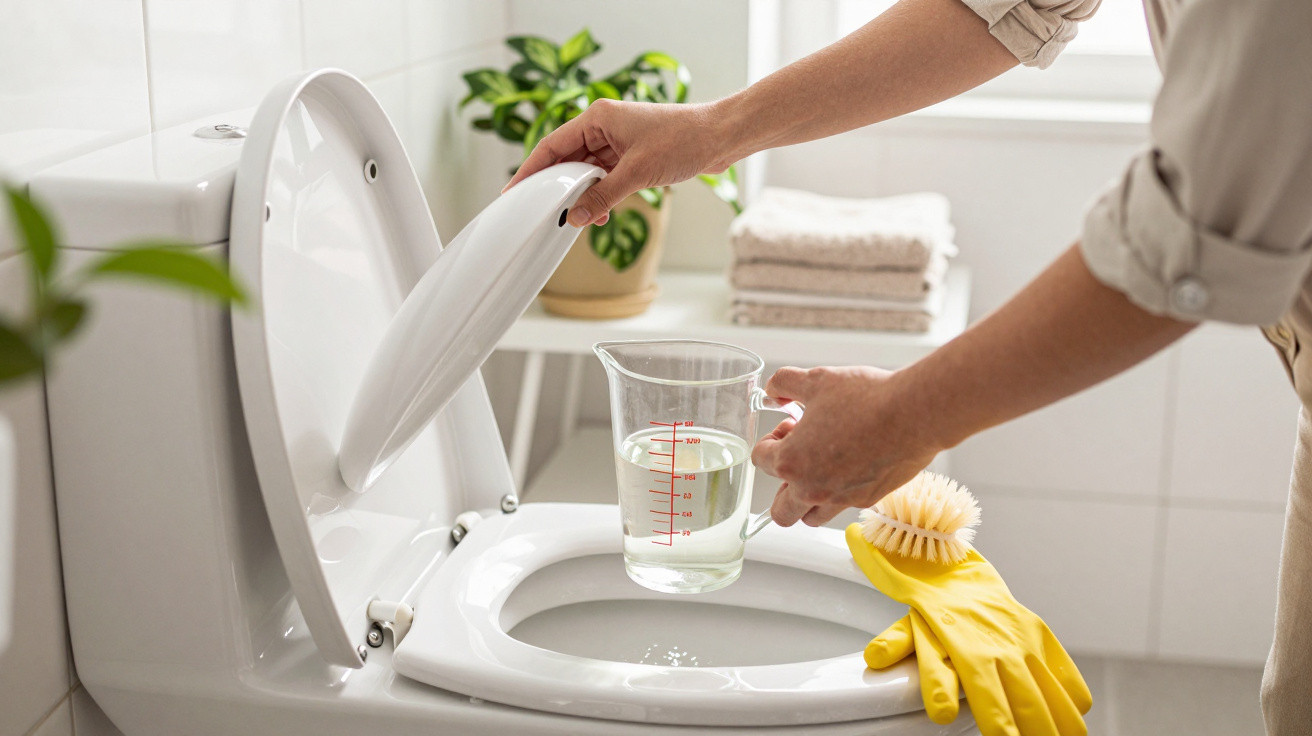
- Sprinkle half a cup of bicarbonate of soda or washing soda into the toilet bowl.
- Slowly add vinegar until it starts fizzing noticeably.
- Allow the foam to work for a few minutes.
- Ideally, leave the mixture in place overnight without flushing.
- The following morning, scrub with the toilet brush and flush.
The foam loosens deposits that could otherwise release odours later on. After treatment, the toilet smells more neutral rather than merely having odours covered up temporarily.
Citric acid: tackling limescale, urine scale and musty smells
Citric acid is another versatile household product for the bathroom. It is particularly effective against limescale rings and stubborn dirt that gradually forms around the waterline.
For use in the toilet, the following is usually enough:
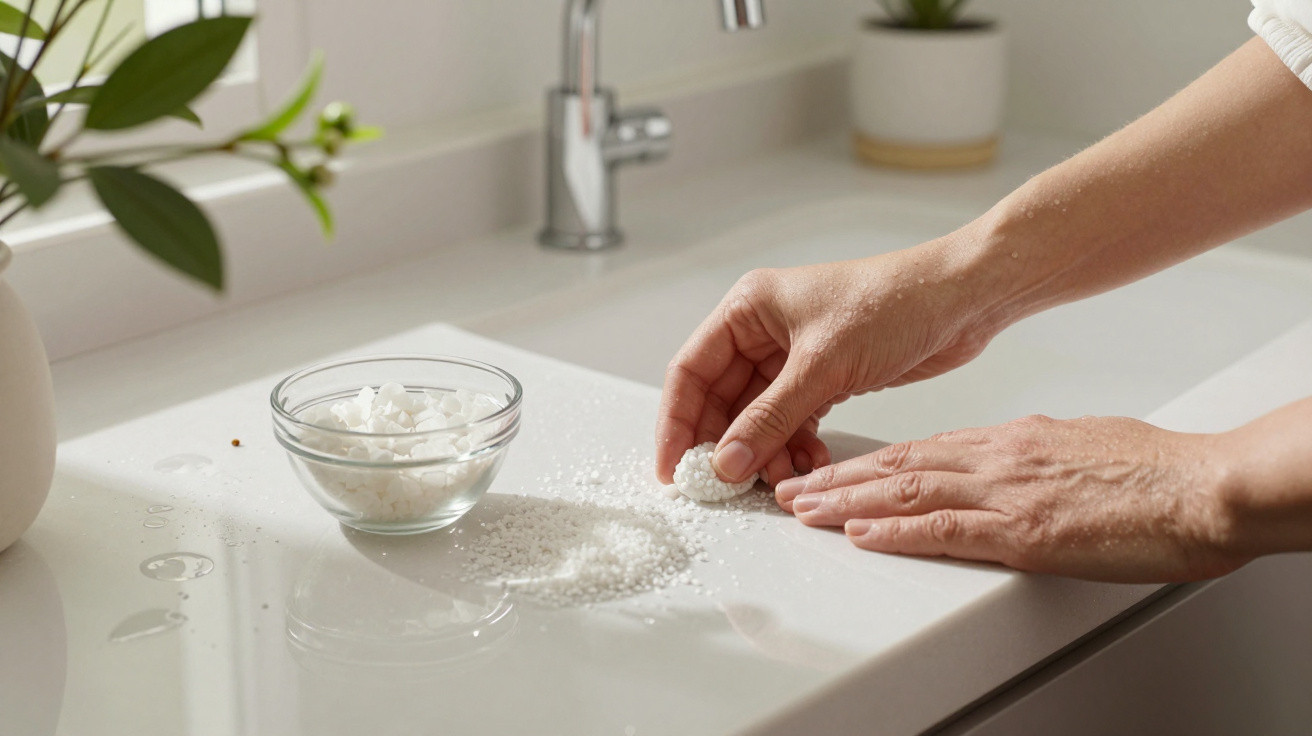
- Sprinkle 3 tablespoons of citric acid into the bowl
- Pour over a little warm water
- Leave it to work for at least 15 minutes, preferably longer
- Clean with the brush and flush
The scent is less sweet than that of artificial toilet freshener blocks, but it recalls fresh lemon. At the same time, it removes the typical limescale ring that can quickly make a toilet look neglected.
More simple ways to keep the bathroom fresh
Alongside coffee, bicarbonate of soda and citric acid, a few straightforward habits can help keep the bathroom and toilet more pleasant in the long term:
- Ventilate regularly: If there is a window, air the room fully for a short period at least two to three times a day.
- Use the brush: Remove visible marks shortly after every use, before they have time to dry.
- Close the lid: Always put the lid down before flushing – this reduces spray and the spread of odours.
- Clean drains: Remove hair and soap residue from the basin or shower trap in good time.
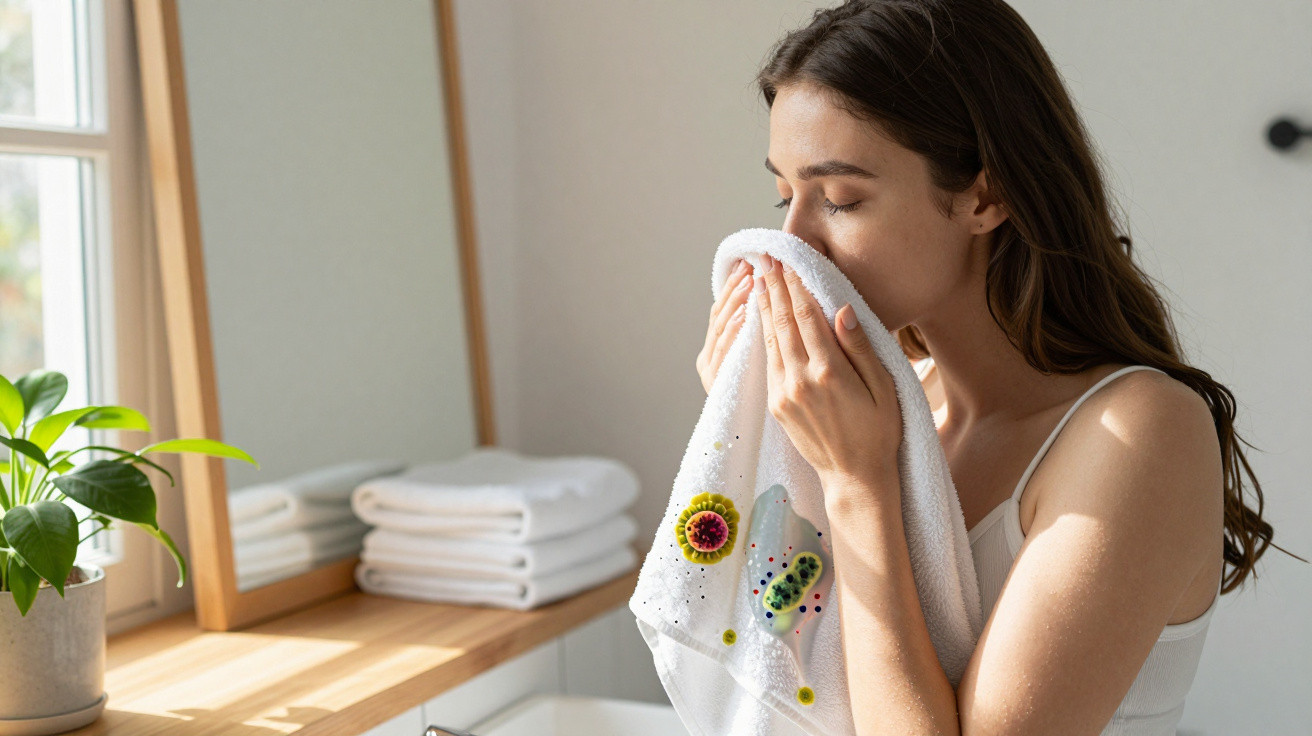
- Wash textiles: Clean bath mats and towels regularly at a sufficiently high temperature.
Anyone who follows these steps will need harsh chemicals less often and can achieve good results with household products.
How household remedies differ from chemical toilet freshener blocks
Ready-made toilet freshener blocks from the supermarket typically produce very strong fragrances that spread throughout the bathroom. Some users find this pleasant, while others experience headaches or skin irritation if they are sensitive.
Compared with these products, household remedies such as coffee, citric acid, bicarbonate of soda and vinegar offer several advantages:
- They are often cheaper because they are already available at home
- They contain far fewer added colourings and fragrances
- There is no plastic holder to throw away afterwards
- The amount used can be adjusted more flexibly to suit the situation
Those wishing to avoid aggressive ingredients can achieve a great deal with these simple alternatives. Some regularity remains important: carry out a thorough clean with bicarbonate of soda or citric acid once a month, then use the quick coffee trick as needed before visitors arrive.
Risks and limits of these methods
Despite their benefits, it is worth considering the potential drawbacks. Too much coffee in the toilet, especially if it clumps while damp, may become problematic in older pipes over time. Use small quantities instead, and avoid applying it every day.
Vinegar and citric acid should also be used in moderation. If applied undiluted and very frequently, they can eventually damage silicone seals and certain metals. If you are unsure, leave them to work for less time and rinse thoroughly afterwards.
For households with young children or pets, the following applies: always store household products out of reach. Ground coffee and citric acid may look harmless, but they do not belong in children’s hands or dogs’ mouths.
When used correctly, coffee, bicarbonate of soda, vinegar and citric acid make a clever combination: a fast fragrance solution for emergencies and more sustainable cleaning to tackle the sources of odours. Even a small guest toilet in an older property can then feel far more welcoming – and an unexpected visitor no longer needs to cause stress.


Comments
No comments yet. Be the first to comment!
Leave a Comment