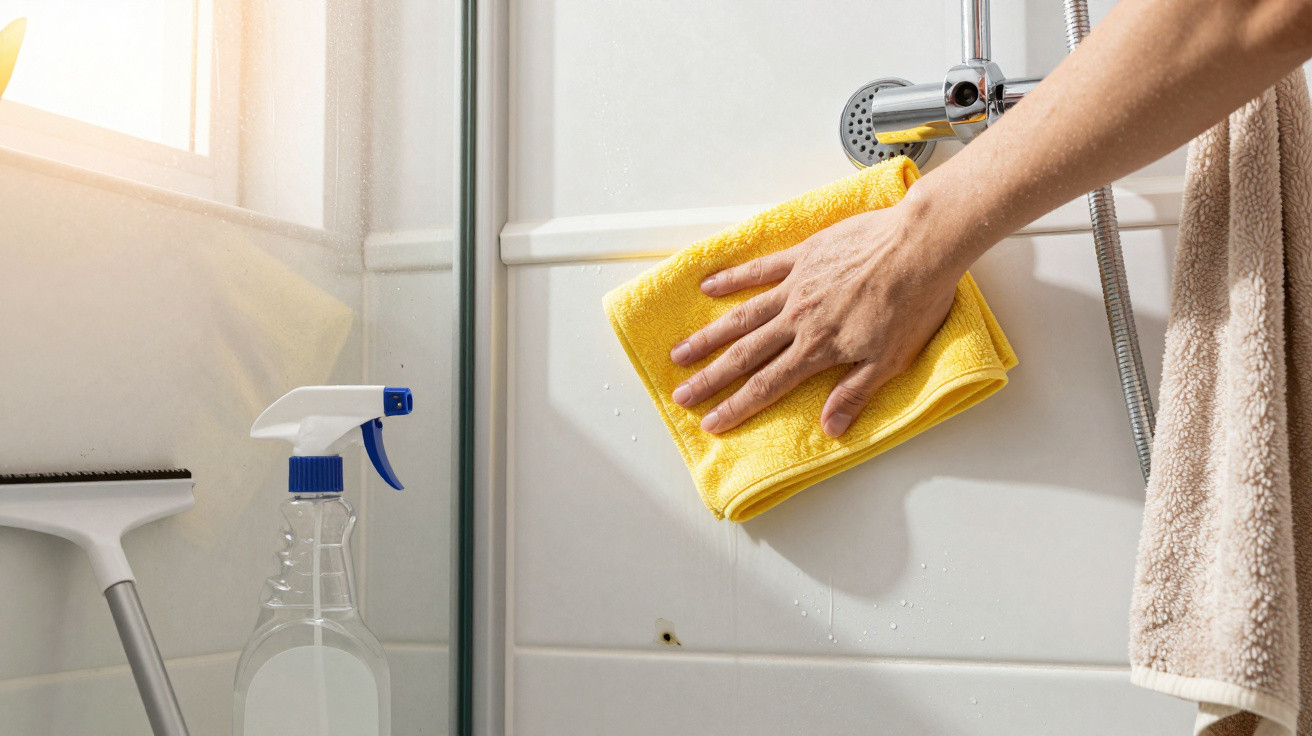
Most people clean the tiles, toilet and washbasin regularly. Yet one small, inconspicuous area in the shower or bath determines whether the whole bathroom stays hygienic or gradually becomes a breeding ground for germs. Specialists describe this as a “classic everyday mistake” that can be avoided with just a few seconds of effort each day.
The overlooked risk area in the bathroom
This concerns the silicone seals around the shower, bath and washbasin. These flexible seals are designed to stop water getting behind tiles or into gaps. However, moisture collects there after every shower, often remaining for many hours.
Moisture on its own is not necessarily a problem. Combined with soap residue, shed skin cells and warm temperatures, though, it creates an ideal breeding ground for mould, bacteria and limescale deposits. Leaving seals wet to dry naturally after showering quietly creates a small ecosystem for microorganisms.
Leaving silicone seals permanently damp risks mould, musty smells and, over time, even health complaints.
Why silicone seals are particularly vulnerable
At first glance, silicone appears smooth and watertight, but it is actually slightly porous and soft. Tiny irregularities give microorganisms somewhere to cling to. If water remains in place, they can multiply quickly.
What happens in constantly damp seals
- Mould growth: Dark or greenish marks spread, usually appearing first in corners.
- Limescale crusts: Hard water leaves a grey or yellowish edge that is difficult to remove.
- Odours: Organic residue and fungi produce the familiar musty “old bathroom” smell.
- Material damage: Silicone becomes brittle, discolours and loses its sealing ability.
People with sensitive airways, hay fever or asthma, as well as households with young children, often react more strongly to mould spores. The effects can range from irritated mucous membranes to ongoing respiratory problems.
The simple trick: remove water straight away
This is where bathroom and hygiene specialists’ advice comes in: water should be removed from silicone seals every day immediately after showering. Not two hours later, and not “when cleaning later”, but at once while droplets can still run away freely.
How professionals handle daily silicone seal care
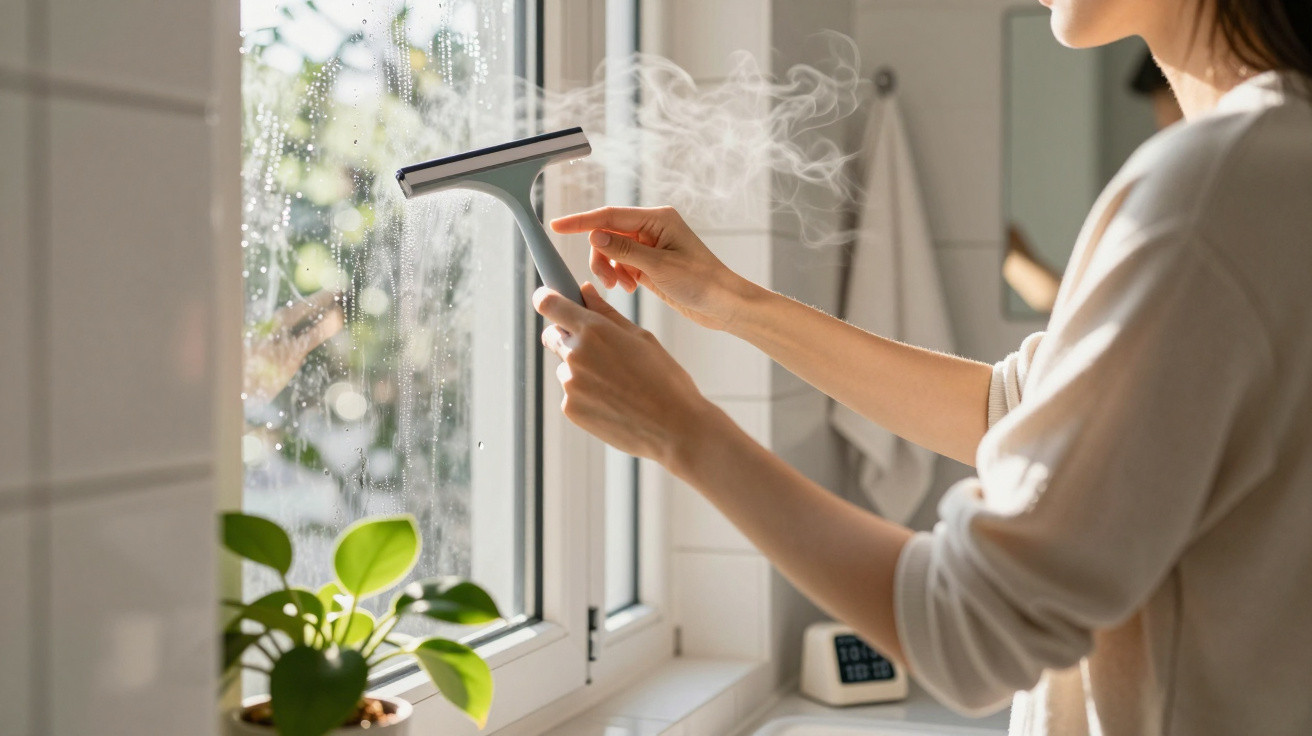
- Squeegee away the water: Use a basic shower squeegee or window wiper to quickly clear walls, glass panels and, especially, the seals.
- Dry the seals afterwards: Run a small dry cloth directly along the silicone lines, concentrating on corners and the edge of the bath.
- Ventilate: Open the window wide or switch on the extractor fan so that remaining moisture can escape.
In most bathrooms, this routine takes less than a minute. No special cleaning products are required; what matters is physically removing the water.
A few seconds with a squeegee and cloth can save hours of scrubbing later and costly renovations.
What regular drying achieves in practice
Many homeowners only notice the difference when they try it in everyday life: consciously drying surfaces after every shower for two to three weeks.
| Without daily drying | With daily drying |
|---|---|
| Seals discolour quickly | They remain visibly white and clean for longer |
| Stubborn limescale and soap marks | Smoother surfaces that are easier to clean |
| Mould traces in corners and along edges | Significantly lower risk of mould |
| Frequent use of harsh chemicals | Mild products are sufficient, so less chemical cleaner is needed |
Anyone who has had to replace mouldy silicone seals knows how time-consuming and expensive it can be. The sealant must be removed completely, the surface cleaned and then resealed. By comparison, the daily mini-routine seems almost ridiculously simple.
The health aspect: more than appearance
Mould in the shower is not merely a cosmetic issue. Fungal spores enter the airways with every movement of air. Healthy people usually experience only mild irritation, but the impact can be more noticeable for children, older people and allergy sufferers.
Possible effects include:
- persistent coughing or a constant need to clear the throat
- a blocked or runny nose without a cold
- headaches after spending longer periods in the bathroom
- worsened asthma symptoms
Keeping the bathroom consistently dry noticeably reduces this exposure. Every step that lowers moisture matters, particularly in small internal bathrooms without windows.
How to build the new bathroom routine into daily life
The biggest obstacle is usually not the effort involved, but forming the habit. Anyone who has spent years simply stepping out of the shower and leaving wet surfaces alone can easily forget the extra step.
Practical everyday aids
- Hang the squeegee inside the shower, clearly visible and within easy reach.
- Keep a small microfibre towel solely for the bathroom and wash it every few days.
- Involve housemates or family members, for example by making it a shower routine for everyone.
- Explain it playfully to children by telling them they can “chase the water droplets”.
Many households find that, after one or two weeks, the process becomes entirely automatic. People are more likely to continue once they notice the improvement in the seals and in the bathroom’s smell.
When more thorough cleaning is needed
If the first signs of discolouration or light mould marks are already visible, drying alone is no longer enough. In this situation, mild cleaners based on alcohol or vinegar, dedicated mould removers, or home remedies such as a paste of bicarbonate of soda and water can help. Never brush affected areas while dry, so that as few spores as possible are released into the air.
If mould repeatedly returns despite cleaning, the silicone seals may already be beyond their service life, or moisture may be present behind them. In that case, replacing the sealant is usually unavoidable. Professional tradespeople can often tell at a glance whether a repair or complete replacement is the sensible option.
How the indoor climate and behaviour work together
Daily seal care is most effective alongside sensible bathroom ventilation. After every shower, water vapour should leave the room as quickly as possible. Brief, wide-open ventilation is more effective than leaving a window permanently on the latch. In internal bathrooms, it is worth checking the extractor fan’s performance: does it run for long enough, and is it cleaned regularly?
Drying laundry in the bathroom, keeping plants there or leaving wet towels hanging all the time significantly increases the moisture load. In these cases, a hygrometer can help you monitor humidity levels. Readings above 70 per cent for extended periods are considered critical.
A small habit with a major effect on the bathroom’s lifespan
Bathroom professionals see it repeatedly: in homes where seals are dried daily, silicone and tiles remain attractive for considerably longer. The intervals between major refurbishments become longer, while the need for aggressive cleaning products falls noticeably.
Anyone renovating or building a new home can make this tip part of their routine from the outset. It is equally worthwhile in older bathrooms, even when the seals already show slight marks. Every reduction in moisture slows further deterioration and eases the health burden on residents.





Comments
No comments yet. Be the first to comment!
Leave a Comment