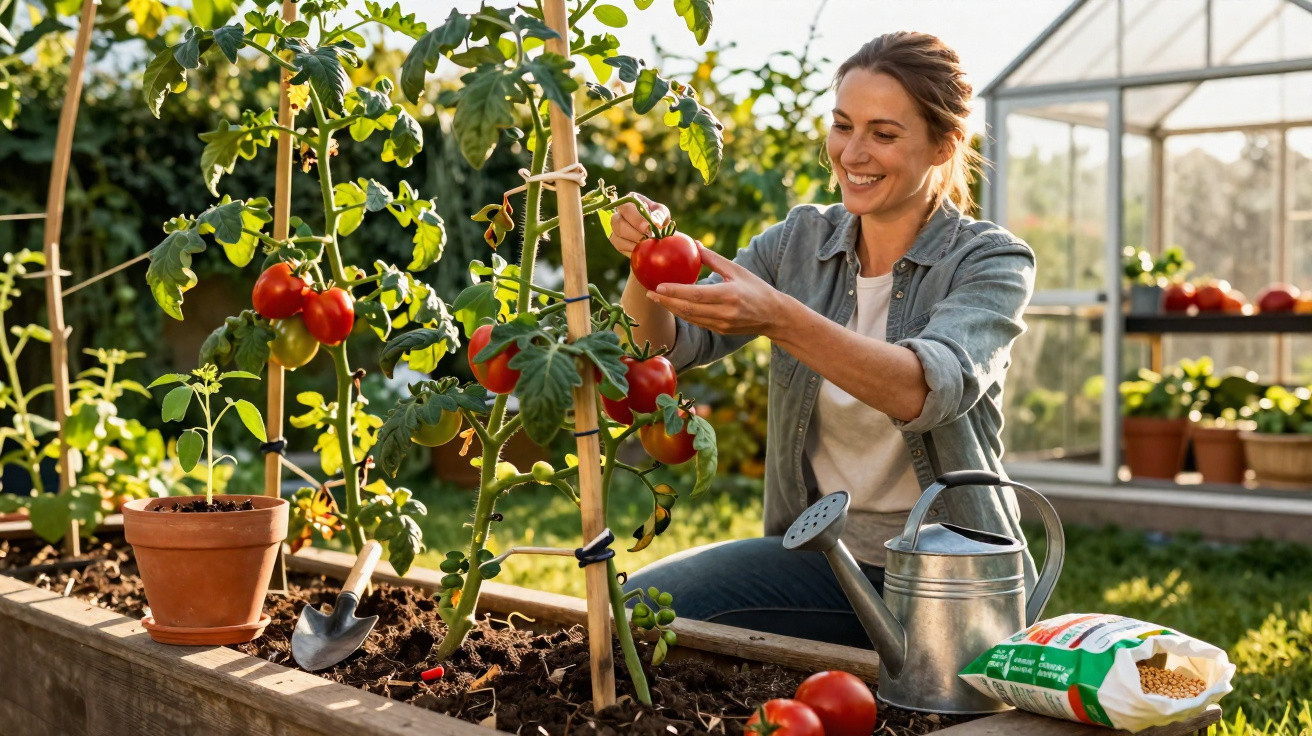
Anyone who follows a few basic principles will be richly rewarded in the garden.
Many amateur gardeners will recognise the problem: lush plants but hardly any fruit, tomatoes splitting after a thunderstorm, or brown patches appearing in August. Yet tomatoes are the stars of the vegetable garden and can be managed surprisingly well. With a little planning, the right position and a few targeted measures, even feeble seedlings can produce juicy, sweet fruit – whether they are grown in a bed, in a container on the balcony or in a greenhouse.
Choosing the right tomato variety is half the battle
Buying just “any” tomato variety means missing out on potential. The first decision comes before sowing: what conditions does your garden offer, and how do you intend to use the tomatoes later?
- Cool, short summer: choose early varieties that ripen quickly
- Warm, sheltered position: large, fleshy late varieties are well suited
- For salads: large-fruited varieties, such as beef tomatoes
- For sauces and ketchup: elongated types with firm flesh
- For balconies and pots: bush tomatoes or compact cherry tomatoes
It is worth checking the variety description. Many modern tomatoes are labelled “resistant to fungal diseases” or list specific resistances. This can significantly reduce crop losses, particularly during damp summers.
The better a variety suits the climate and its intended use, the more reliable the yield and flavour will be.
Strong young tomato plants: successful sowing and propagation
Tomato seeds like warmth for germination, but the young plants later prefer slightly cooler conditions and plenty of bright light. For raising them indoors, sow from late February to late March.
Sowing: warm and airy rather than soaking wet
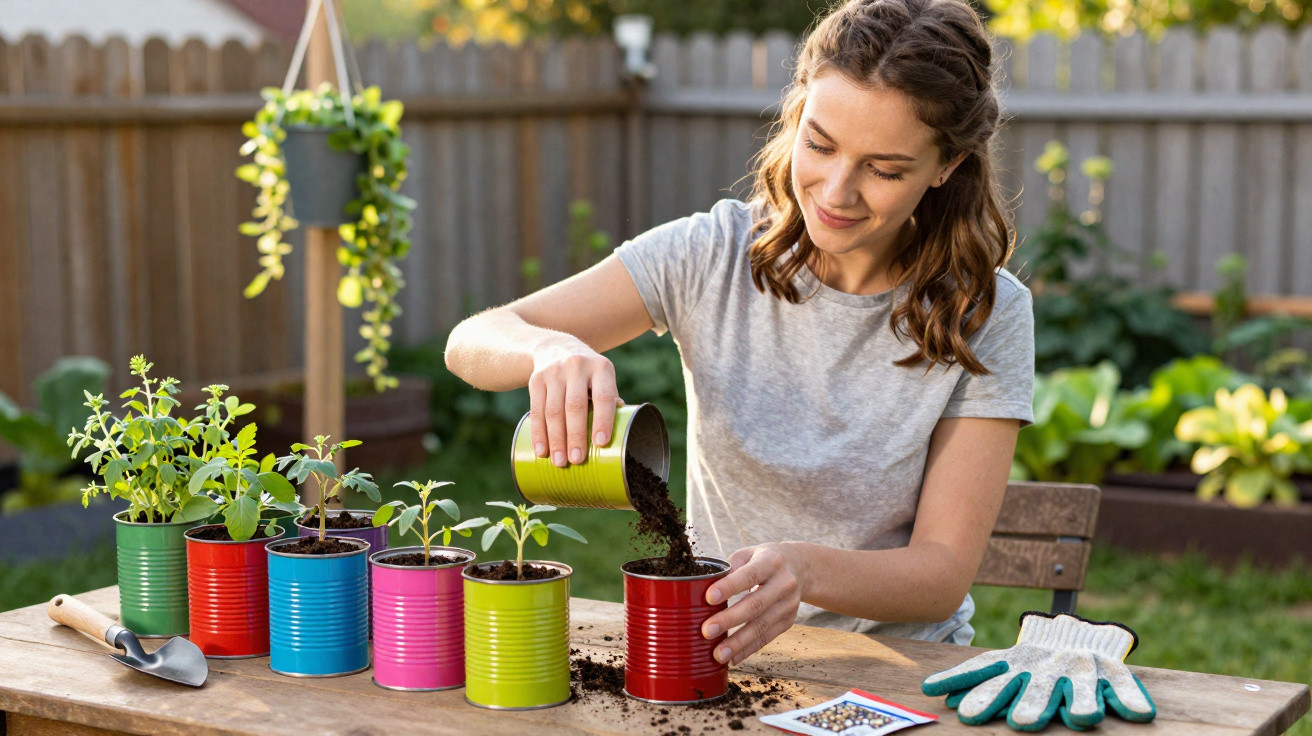
Use a loose, fine growing medium so that the delicate roots can penetrate it easily. The ideal germination temperature is between 18 and 25 degrees. Cover the seeds with only a thin layer of compost and keep it evenly moist, but never waterlogged. Standing water quickly causes rot.
To prevent the seedlings from becoming leggy, they need abundant light: 14 to 18 hours a day is ideal. On a sunny windowsill, an additional grow light can make a real difference.
Pricking out: giving the roots room to grow
As soon as the first true leaves appear after the seed leaves, it is time to prick out the seedlings. Move each plant into its own pot. Tomatoes may be planted deeper at this stage, almost up to the seed leaves. Extra roots will form along the stem, creating more robust plants later on.
Keep temperatures moderate until planting out, turn the pots regularly so the plants do not lean towards the window, and water only sparingly. This helps the stems stay thick and sturdy.
Soil preparation: making the bed suitable for tomatoes
Tomatoes are hungry plants, but they are sensitive to compacted, cold soil. Deep, loose soil with a slightly acidic to neutral pH of around 6.2 to 6.8 is ideal.
Before planting, a little manual work pays off: loosen the soil thoroughly, remove stones and old roots, and work in plenty of mature compost. It is better to avoid fresh manure, as this encourages leafy growth and can promote disease.
Well-prepared, humus-rich soil is the best “secret ingredient” for flavourful tomatoes.
Planting tomatoes properly: spacing, depth and support
Do not plant tomatoes outdoors until the final night frosts have passed. Before then, harden them off over several days: put them outside for a few hours at a time during the day, while keeping them protected overnight. This gradually acclimatises the plants to wind and sunshine.
When planting, it is better to set tomatoes too deep than too shallow. The soil may come almost up to the first leaves. This encourages further root formation. Allow 70 to 80 centimetres between individual plants so that air can circulate.
Install sturdy canes, spirals or tomato cages as you plant. Adding them later can easily damage the roots. Tie in the shoots loosely, taking care not to pinch them.
Water, sunshine and nutrients: the daily tomato routine
Tomatoes thrive on warmth and plenty of light. Eight hours of sunshine a day is a useful guideline. They will still grow in partial shade, but usually develop less intense flavour and remain smaller.
Watering correctly: infrequently but thoroughly
Rather than giving them “a little drink” every day, water less often but more generously. Around 2.5 to 5 centimetres of water per watering, applied directly around the root area, is a good starting point. The soil indicates when more is needed: if it is dry 2 to 3 centimetres below the surface, it is time to water again.
Always water from below: wet leaves encourage fungal diseases, while dry leaves help prevent them.
A thick mulch of straw, leaves or dried grass clippings prevents the soil from drying out and stops splashing water reaching the foliage. This provides a double defence against fungal spores.
Feed with restraint, not by adding fertiliser “just in case”
At the start of the season, a generous amount of compost provides the plants with basic nutrients. Once the first flowers and fruit trusses appear, a balanced tomato fertiliser can be used – ideally in small quantities every two to three weeks.
Too much nitrogen produces impressive foliage but weak fruit set. Fertiliser with a higher potassium content, on the other hand, supports flowering and flavour.
“Pinching out”: why removing shoots is worthwhile
Many varieties produce small extra shoots, known as “side shoots”, between the main stem and side branches. Removing these early directs the plant’s energy into fewer but stronger shoots and larger fruit.
- Check for side shoots regularly, preferably every week
- Simply pinch out small shoots with your fingers
- Pinch out strongly only on cordon tomatoes; bush tomatoes generally need less pruning
Diseases and pests: prevention rather than despair
For many gardeners, the nightmare is blight. The leaves develop dark patches and the fruit rots on the plant. It cannot be ruled out completely, but a few basic measures can greatly reduce the risk.
Keeping blight under control
Keep leaves as dry as possible, both when watering and by preventing rainwater from splashing upwards. Water in the morning so that any moisture can dry quickly. Rain from above combined with cool nights is particularly harmful to tomatoes.
A break in cultivation is also useful: for at least three years, do not grow tomatoes, potatoes, peppers or aubergines in the same area. This interrupts the life cycles of many soil-borne pathogens.
Remove affected leaves or entire plants promptly and do not add them to the compost heap. This stops spores spreading further.
Heat, pollinators and patches of shade
Temperatures above 30 degrees combined with high humidity weaken tomato plants. Flowers drop and pollination is no longer reliable. In hot areas, lightweight shade fabric or a row of sunflowers in front of the bed can offer some protection during the middle of the day.
Tomatoes also benefit from flowering neighbours such as marigolds, lavender or borage. These attract bees and bumblebees, which help by shaking the flowers and transferring pollen.
Harvesting, storage and what to do with green tomatoes
Ripe tomatoes taste best once they are fully coloured and come away easily from the stem. At the height of summer, harvest every two to three days so that no fruit becomes overripe and splits on the plant.
Tomatoes do not like cold conditions. In the fridge, they lose flavour and become floury and watery. Store them instead at room temperature, in an airy place out of direct sunlight.
Before the first cold nights arrive, many slightly unripe fruits can be brought indoors. They will finish ripening in a bowl at room temperature. Placing a ripe apple or banana beside them speeds up the process through the ripening gas ethylene.
Practical examples and extra tips for everyday gardening
If space is limited, tomatoes can be grown very successfully in containers. The essentials are large pots holding at least 20 litres, plenty of drainage holes and a sturdy support. Use high-quality, pre-fertilised compost, as containers lose nutrients more quickly than garden beds.
Mixed planting can also be interesting: basil between tomato plants is not only a culinary classic, but may also confuse pest insects. Marigolds loosen the soil and add colour without crowding tomatoes.
The term “mulch” often causes uncertainty. It simply means any organic layer placed on the soil, such as straw, leaves, wood chips or grass clippings. As well as reducing evaporation, this layer gradually feeds soil organisms, which build humus and release nutrients.
Anyone who pays attention to these points – suitable varieties, a strong start, healthy soil, considered watering and some discipline when pinching out – will soon see that yields can be increased from year to year. Tomatoes are not divas; they simply respond very directly to what happens in the bed. That is precisely what makes them one of the most fascinating vegetables to grow in the home garden.











Comments
No comments yet. Be the first to comment!
Leave a Comment