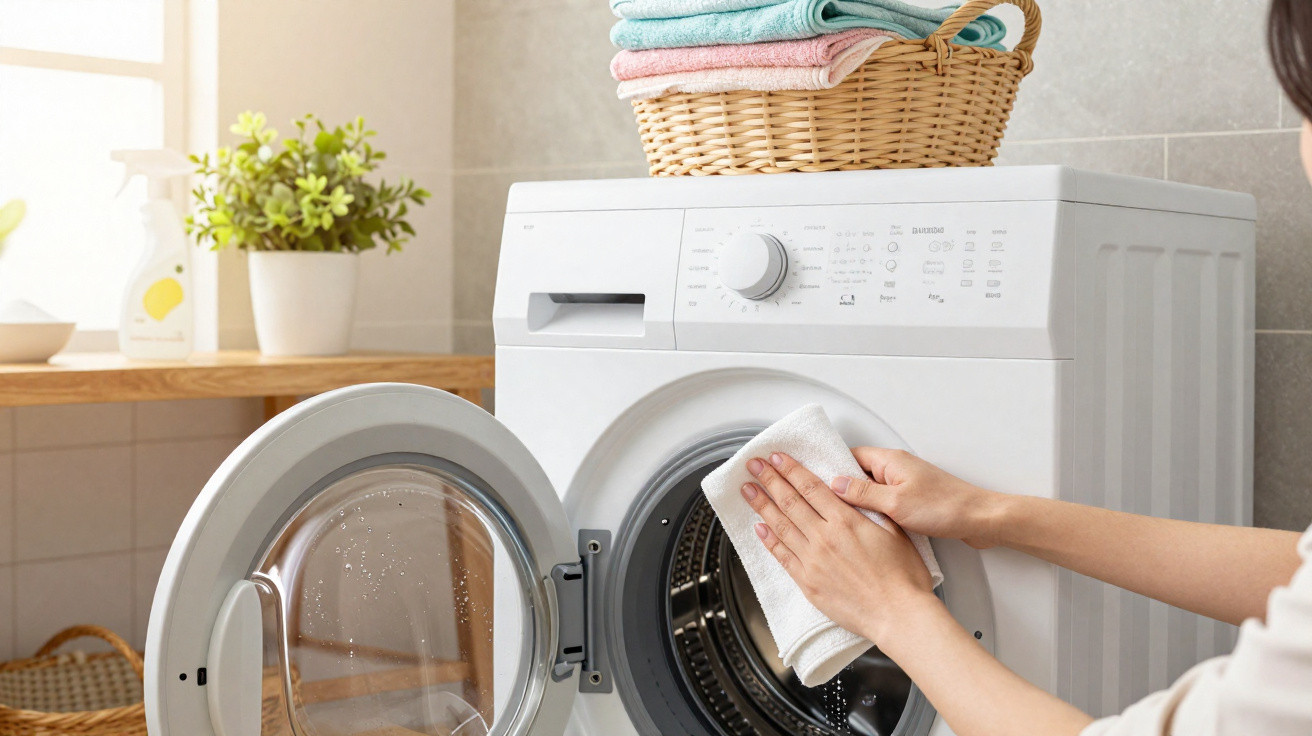
In many homes, the washing machine is used almost every day, yet certain habits still raise questions. According to manufacturers and technicians, keeping the door shut at all times after a wash can encourage unpleasant smells, mould and premature deterioration of the door seal, particularly in humid spaces with limited airflow.
Why does moisture in a washing machine cause unpleasant smells and mould?
Water remains in the drum, detergent drawer and door seal after every cycle. When the door is left closed, air cannot circulate, drying takes longer and the inside stays warm and damp - the ideal setting for odour-causing microorganisms.
The smell of “damp laundry left in a cupboard” commonly develops when fungi and bacteria cling to the internal surfaces. The door seal tends to collect detergent, fabric conditioner and dirt residues, creating the dark marks associated with mould. These can even stain light-coloured clothes during a wash.
How is the door seal damaged when the washing machine door stays closed?
The door seal prevents leaks and is designed to withstand heat and cleaning products. Nevertheless, ongoing exposure to trapped moisture, combined with poor ventilation, speeds up wear and can lead to cracks, staining and a loss of flexibility, making replacement necessary more often.
With the door closed, a humid internal “microclimate” develops, containing chemical residues and very little circulating air. Over time, these conditions can cause several specific problems:
- The rubber structure weakens, making splits more likely;
- Mould builds up heavily in the inner folds of the seal;
- The seal becomes less effective, creating a risk of small leaks;
- Stains become harder to remove, even with specialist products.
Is it better to leave the washing machine door open after use?
Manufacturers advise leaving the door slightly ajar for a few hours, until the drum and seal have dried fully. This straightforward step improves ventilation, lowers internal moisture and makes odours less likely. It is especially important in enclosed utility areas or rooms without windows.
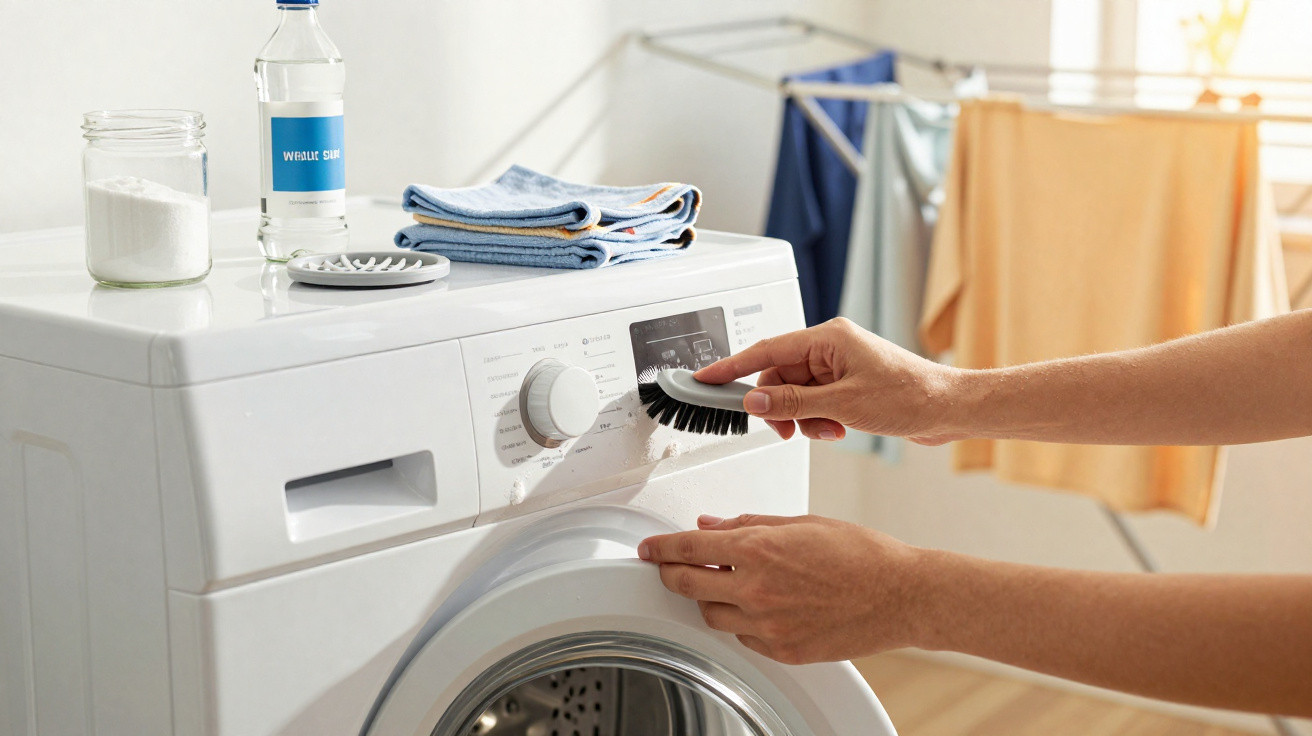
To support this routine, a few measures can help keep the machine clean and working efficiently for longer: dry the seal with a clean cloth, remove the detergent drawer for regular washing, and avoid using excessive detergent or fabric conditioner, as both leave residues that encourage mould growth.
How can you prevent odours and extend the life of a washing machine?
Preventing odours relies on simple habits: do not leave wet clothes forgotten in the drum, ensure the room is well ventilated and check the condition of the seal regularly. In particularly damp places, open windows, extractor fans or a nearby fan can help the washing machine dry naturally.
It is also useful to run an internal cleaning cycle every one or two months, depending on how often the appliance is used. Follow the instruction manual and use products intended for cleaning washing machines. By avoiding keeping the door shut all the time and following these care steps, you are more likely to reduce mould, protect the seal and keep the appliance hygienic and efficient for more years.










Comments
No comments yet. Be the first to comment!
Leave a Comment