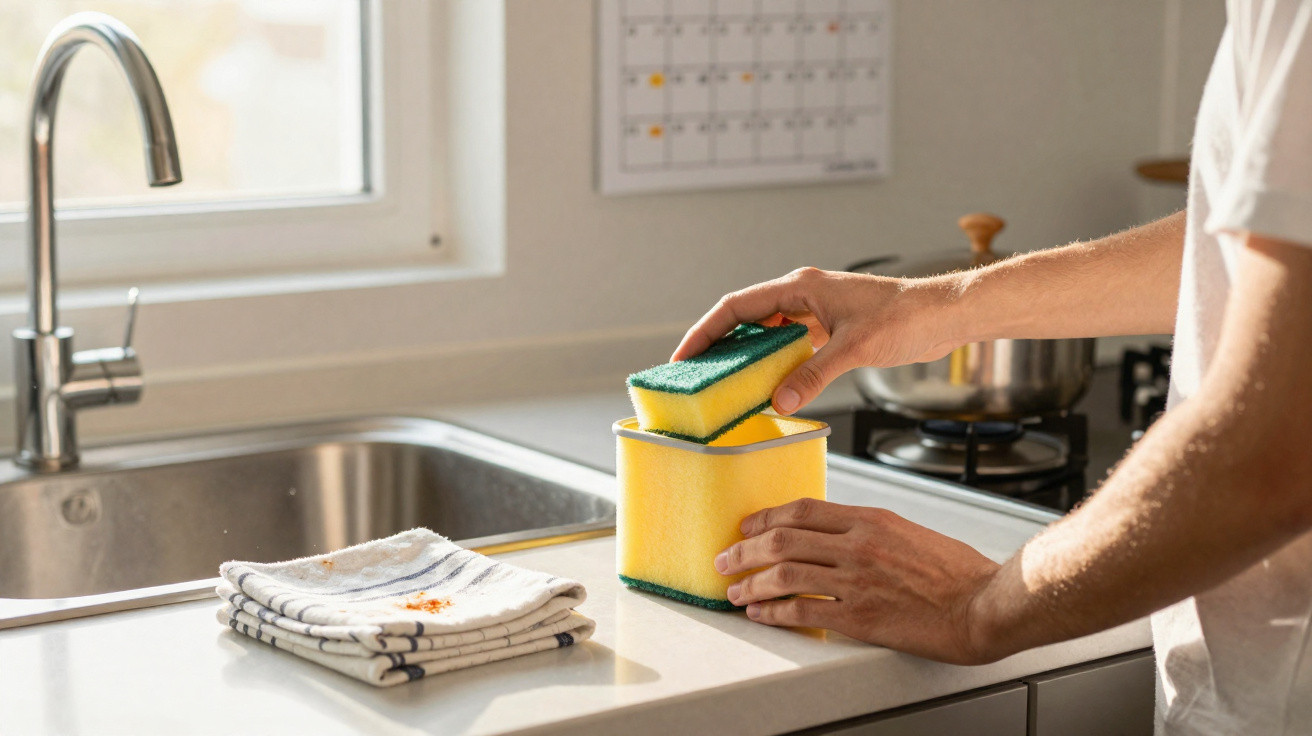
Everyday household items, including bath sponges, kitchen cloths and washing-up sponges, are generally linked with cleanliness and hygiene. However, environmental health specialists warn that these materials can harbour large numbers of microorganisms, including potentially pathogenic bacteria, acting as a hidden reservoir of contamination in damp, warm conditions containing organic residue.
Are kitchen sponges really the most contaminated items?
Several studies identify the kitchen sponge as one of the most contaminated objects in the home. Its porous structure traps food particles, grease, washing-up liquid and water, producing a nutrient-rich, poorly ventilated setting in which microbes can multiply within hours.
Bacteria commonly detected include Escherichia coli, Salmonella and Campylobacter, which are linked to intestinal infections and food poisoning. When a sponge comes into contact with raw-meat juices and is then reused without proper sanitisation, the likelihood of spreading these organisms to plates, cutlery and worktops rises considerably.
Watch a video on the Radar Caseiro YouTube channel discussing the hidden risks in kitchen cleaning utensils and how often a washing-up sponge should be disinfected or replaced:
https://www.youtube.com/watch?v=9jD8XbclF1A
Kitchen sponge or tea towel: which is safer?
Many people replace a kitchen sponge with cloths because they consider them the safer choice. Research, however, indicates that fabrics used to dry dishes, wipe surfaces and remove spills can also build up coliform bacteria, Staphylococcus aureus and Salmonella. The issue becomes worse when one cloth is used to dry hands, wipe up raw-meat liquids and dry utensils.
Practices such as changing the cloth infrequently and leaving it damp and crumpled on the sink encourage bacterial growth. A few straightforward measures can reduce this everyday risk:
- Hang the cloth fully unfolded in a well-ventilated place so it can dry completely.
- Replace cloths regularly, particularly after they have touched raw meat.
- Wash them in a washing machine on a hot cycle whenever possible, to remove microorganisms more effectively.
- Allocate separate cloths to different tasks: one for dishes, another for worktops and another for the floor.
How can sponges, cloths and bath items be sanitised effectively?
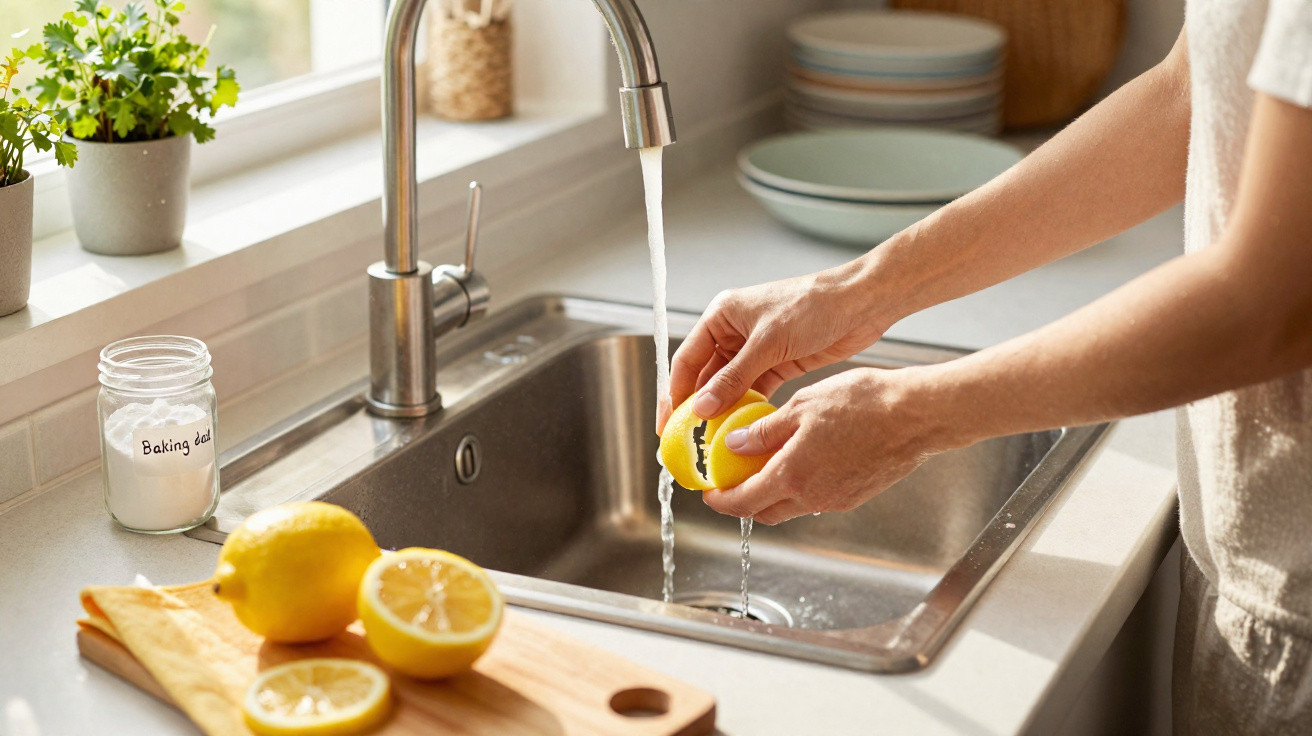
Sanitising the kitchen sponge and other porous utensils does not require complicated methods, but it must be done regularly. Simple measures can substantially lower the number of microorganisms, making these items safer to use and reducing the risk of contaminating food and surfaces.
In the bathroom, bath sponges, loofahs and rubber toys also collect soap residue and skin cells in a damp environment, which supports bacterial and fungal growth. Some reports have linked bath sponges to skin infections, while toys with internal cavities can hold water for days and remain in direct contact with children during bath time.
When should sponges and cloths be replaced to keep the home safer?
Even when they are properly sanitised, sponges and cloths have a limited lifespan and should not be kept until they “fall apart”. An unpleasant smell, discolouration, a deteriorated texture or residue that does not wash out are signs that the item is saturated and should be replaced as soon as possible.
Following a simple replacement schedule, avoiding multiple uses for the same sponge, ensuring items dry thoroughly between uses and setting aside dedicated utensils for different parts of the home all help to limit cross-contamination. This allows these products to perform their hygiene role in kitchens and bathrooms more effectively.



Comments
No comments yet. Be the first to comment!
Leave a Comment