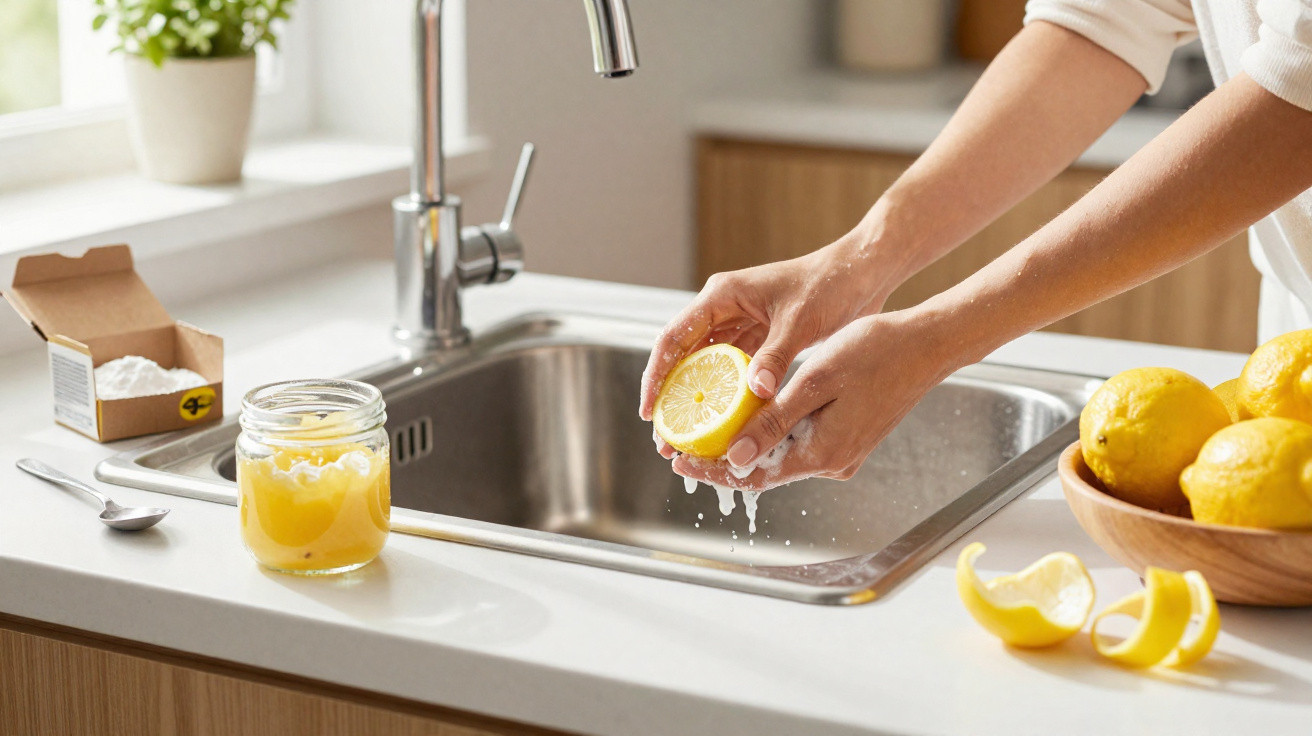
In many households, the combination of lemon peel and bicarbonate of soda is becoming a straightforward option for everyday cleaning. These two familiar kitchen ingredients are used to lift stains, neutralise smells and help clean a range of surfaces, while cutting down on manufactured products and making better use of items already at home.
How do you make a lemon peel and bicarbonate of soda mixture?
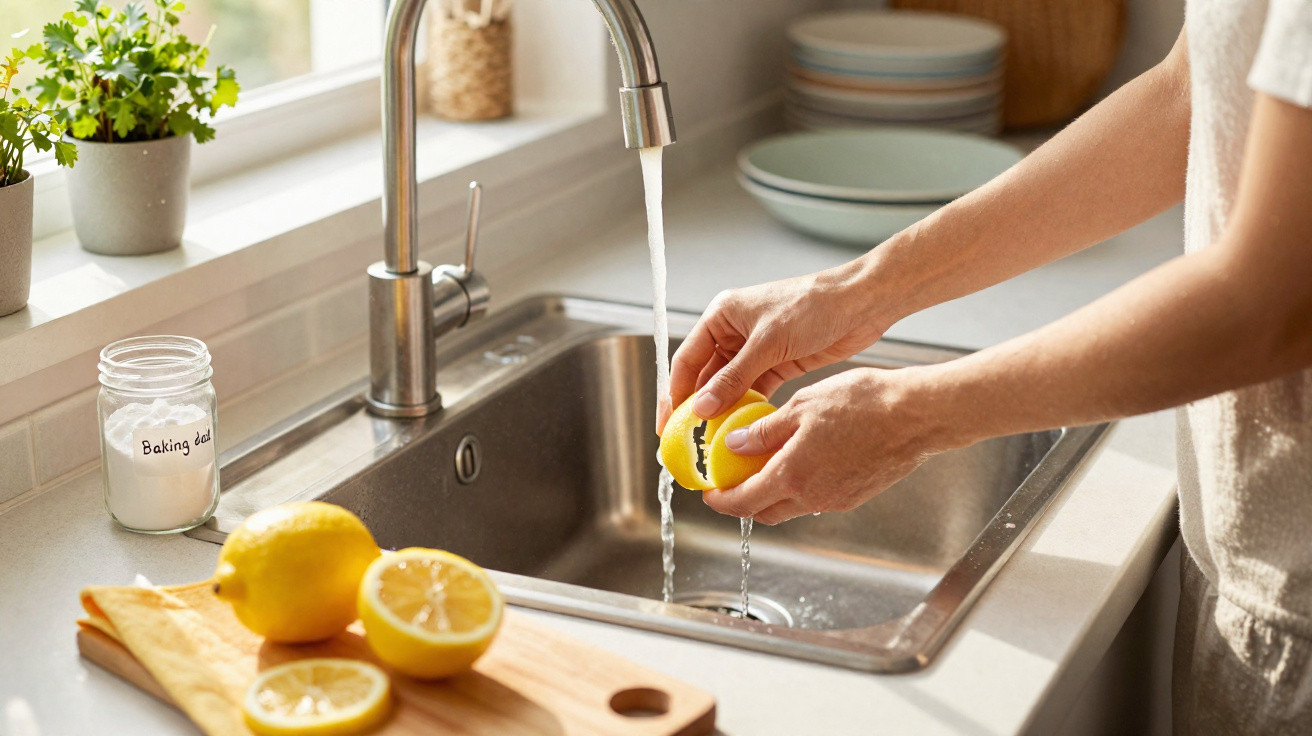
Making a lemon peel and bicarbonate of soda cleaner is easy and requires no specialist equipment. The idea is to reuse peels that would usually be thrown away, turning kitchen waste into something useful around the home.
This practical method allows the quantities to be adjusted slightly to suit your needs:
- Set aside the clean peels from 2 lemons, removing any spoiled sections.
- Blend the peels in a food processor or blender, adding only small amounts of water to help them break down.
- Put the resulting paste into a clean container.
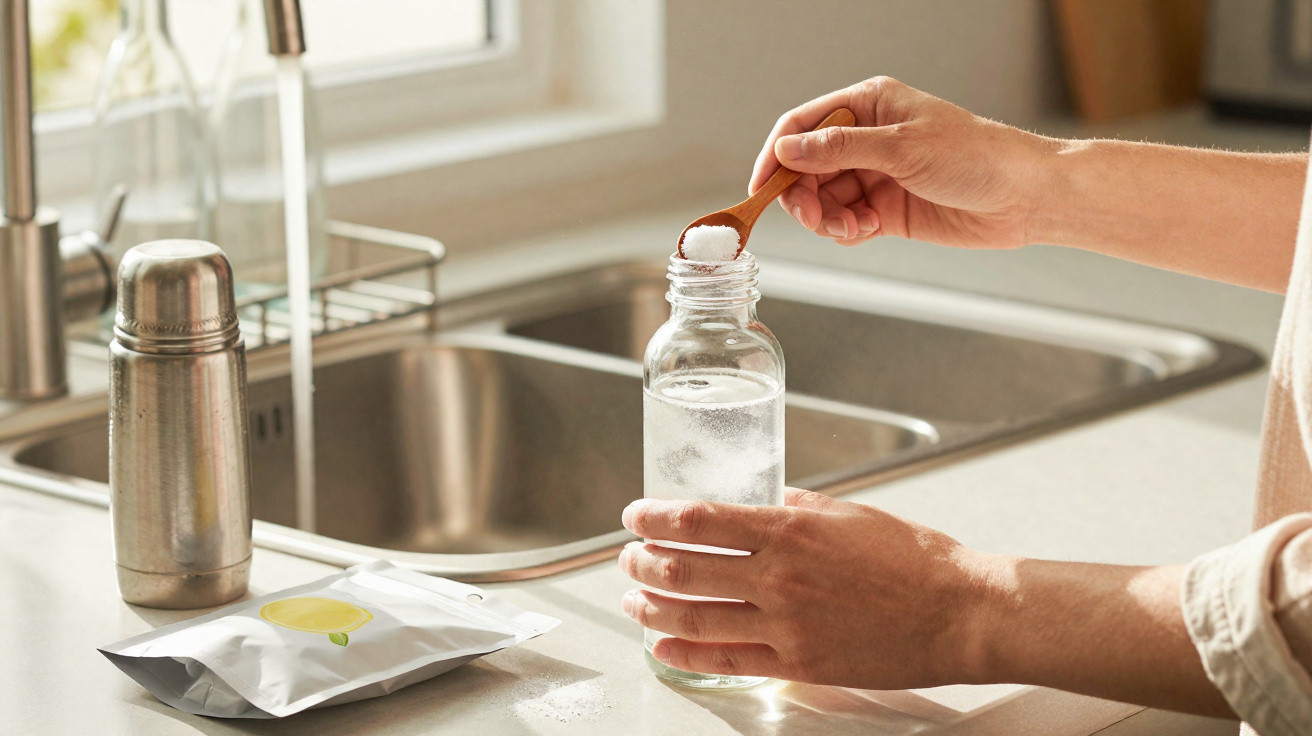
- Add around 2 tablespoons of bicarbonate of soda.
- Stir thoroughly until it becomes a thick paste that spreads easily.
Once prepared, the paste can be kept in a tightly sealed jar in a cool, dry place. If its smell, colour or consistency changes noticeably, discard it and make a fresh batch.
Where does lemon peel with bicarbonate of soda work best for cleaning?
The lemon peel and bicarbonate of soda mixture is generally used for particular tasks where marks and odours remain after ordinary washing-up liquid. It is particularly useful for items exposed to dark drinks and in food-preparation areas.
To get the most from this paste in your cleaning routine, consider these practical applications, where it often works well:
- Stained cups and mugs: when rubbed in with a soft sponge, it can help lighten coffee and tea marks.
- Teapots and vacuum flasks: it can assist with removing residue from the inside; rinse thoroughly afterwards.
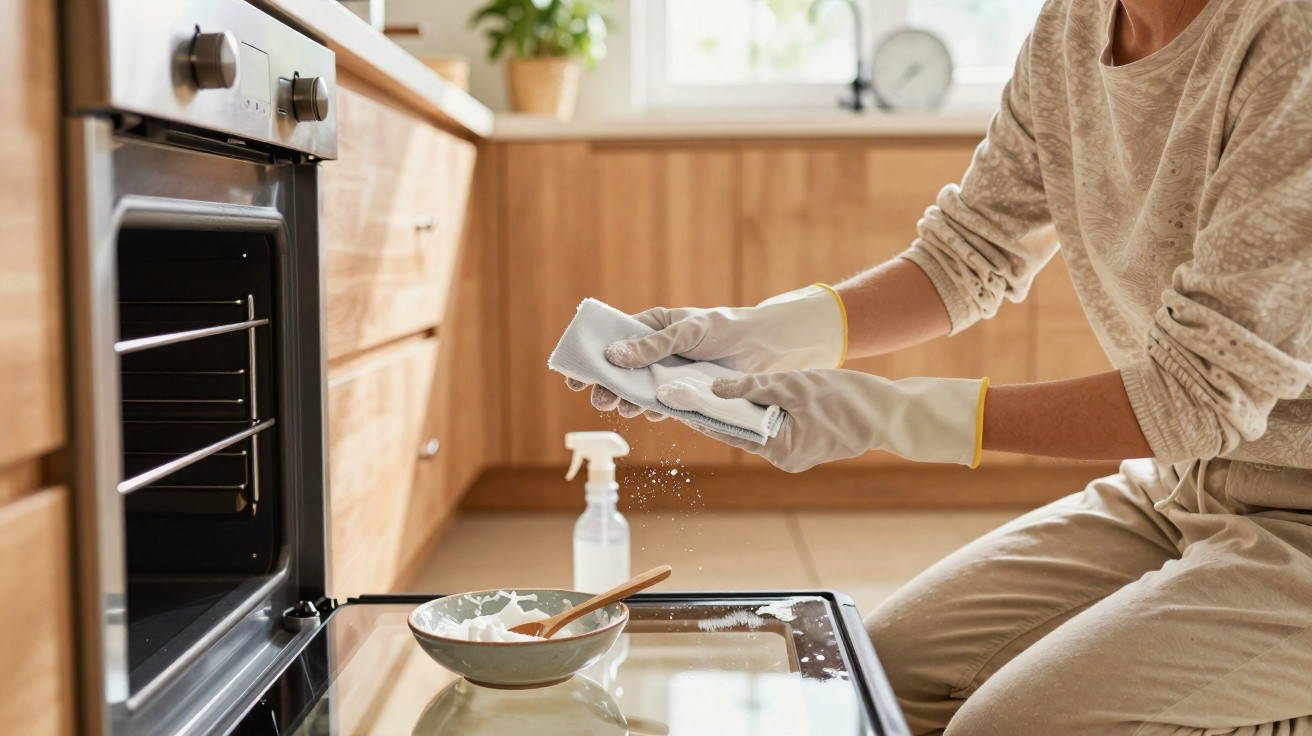
- Worktops and tiles: it can help remove grease splashes and cooking smells.
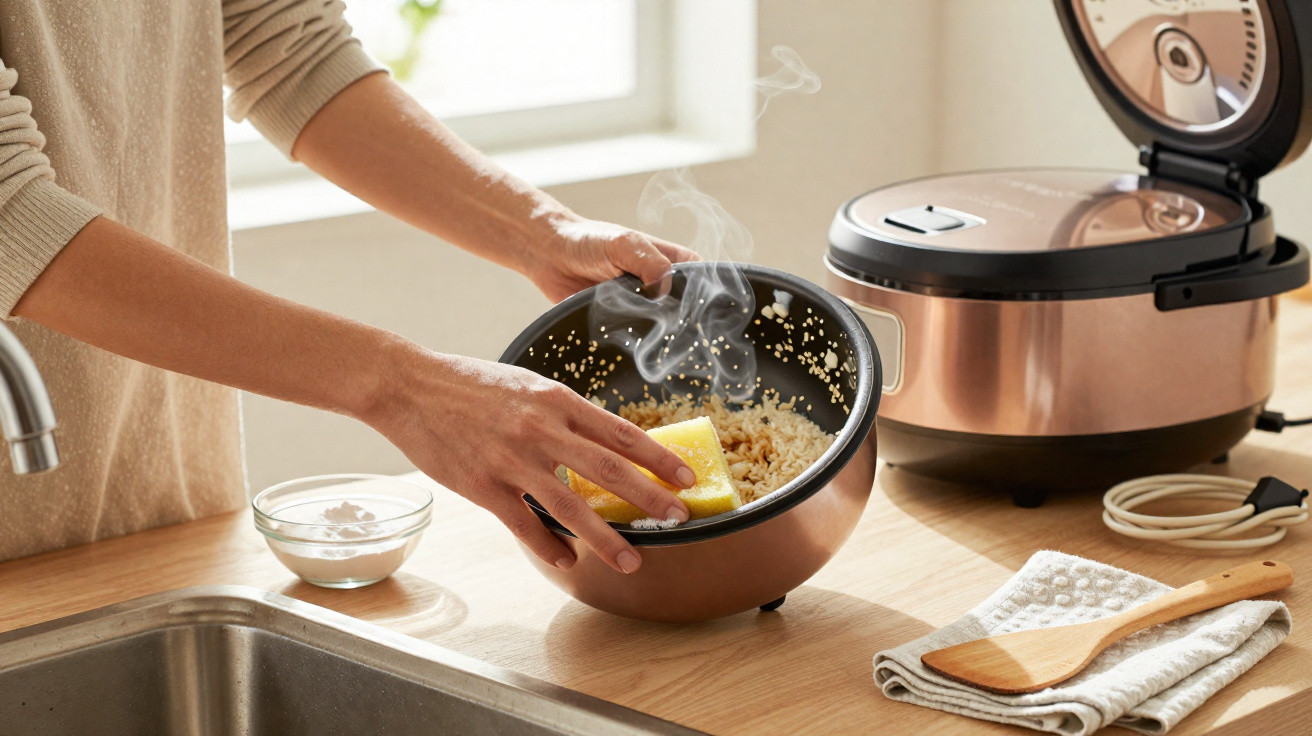
- Pots and frying pans with stuck-on grease: leave it in place for a few minutes before scrubbing.
What precautions are needed when using lemon peel with bicarbonate of soda?
Although it is made at home, this combination is not completely harmless for every material. The lemon's acidity and the mildly abrasive action of bicarbonate of soda may damage delicate surfaces, so always test it first on an inconspicuous area.
A few practical measures can help prevent issues: rinse well after use and avoid making large batches for long-term storage, as the paste can change over time.
- Do not use it on marble or limestone, as the acidity may cause staining.
- Use it gently on brushed stainless steel and polished surfaces to prevent scratching.
- Do not apply it to screens, very thin plastics or specialist coatings without guidance.
- Store it for only a few days, checking its smell and appearance before using it again.
How can lemon peel with bicarbonate of soda fit into your household routine?
To use lemon peel and bicarbonate of soda day to day, treat it as an occasional cleaning boost rather than a complete replacement for other products. It is most useful for stains, built-up grease and stubborn smells.
- Choose the items: select cups, pans or surfaces with persistent marks or odours.
- Apply the paste: spread a small amount directly over the chosen area.
- Leave it to work: wait a few minutes for the mixture to act on the dirt.
- Scrub gently: use a soft sponge or cloth, avoiding highly abrasive materials.
- Rinse or wipe clean: remove the mixture with plenty of water or a damp cloth.
- Dry thoroughly: finish with a dry cloth, particularly on metal surfaces.
With these simple steps and a few tests on small areas, lemon peel and bicarbonate of soda paste can become an interesting and useful addition to household cleaning, helping to balance economy, reuse and basic home care.


Comments
No comments yet. Be the first to comment!
Leave a Comment