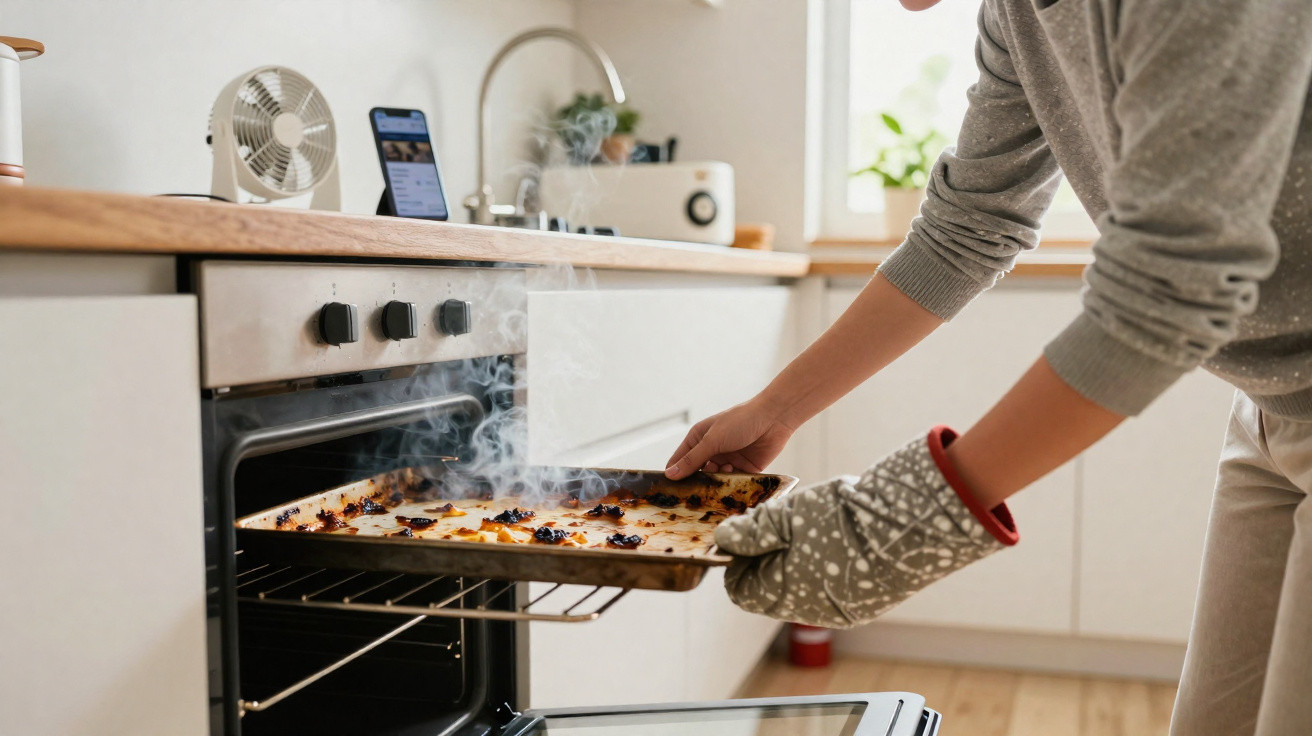
Dinner is nearly ready, the potatoes are roasting gently and a comforting smell is beginning to fill the kitchen. Then, without warning, a grey wisp slips out from the oven door. The first response is often panic: the windows are thrown open, the cooking is stopped, and everyone tries to work out where the eye-stinging smoke is coming from. We all know that moment when an ordinary evening meal suddenly feels like a household emergency. Yet a smoking oven does not always signal a serious fault. A forgotten splash, a dirty shelf or unsuitable cookware can sometimes be enough to cause this rather unappetising display. The key question is whether cooking can continue or whether you need to act immediately. That distinction makes all the difference.
When oven smoke simply comes from cooking residues
In most instances, smoke occurs because grease, sauce or cheese has reached the oven base or an element. At high temperatures, these remnants quickly burn and release white or bluish smoke, often with a strong smell. This commonly happens after a generously topped pizza, an overflowing gratin or roast chicken whose juices have dripped through the shelves.
For example, a family might use the oven at 220 °C for a savoury tart, then bake cookies the following day without checking inside. The previous day's small drips, almost invisible when cold, reactivate in the heat and blacken within minutes. According to manufacturers, temperatures above 200 °C significantly speed up the burning of food fats. An oven does not always smoke because of today's dish: sometimes, it is revealing the previous meal.
It is also important to tell the difference between a normal cooking smell and one that becomes harsh. A light haze at the start of preheating may result from an isolated residue, particularly if the oven has not been used for a long time. If the smoke becomes denser, fills the room or continues despite lowering the temperature, it is better to stop cooking. Let us be honest: nobody truly cleans every corner of the oven after every meal.
Quick steps to stop oven smoke without making matters worse
Your first move should be to reduce or stop the heat, then ventilate the kitchen thoroughly. Do not fling the door open if you can see flames: switch off the electricity or gas supply, keep the door shut and, if needed, use a suitable fire extinguisher. Where there is only light smoke and no flame, wait for the appliance to cool before removing the dish and checking the oven floor with a torch.
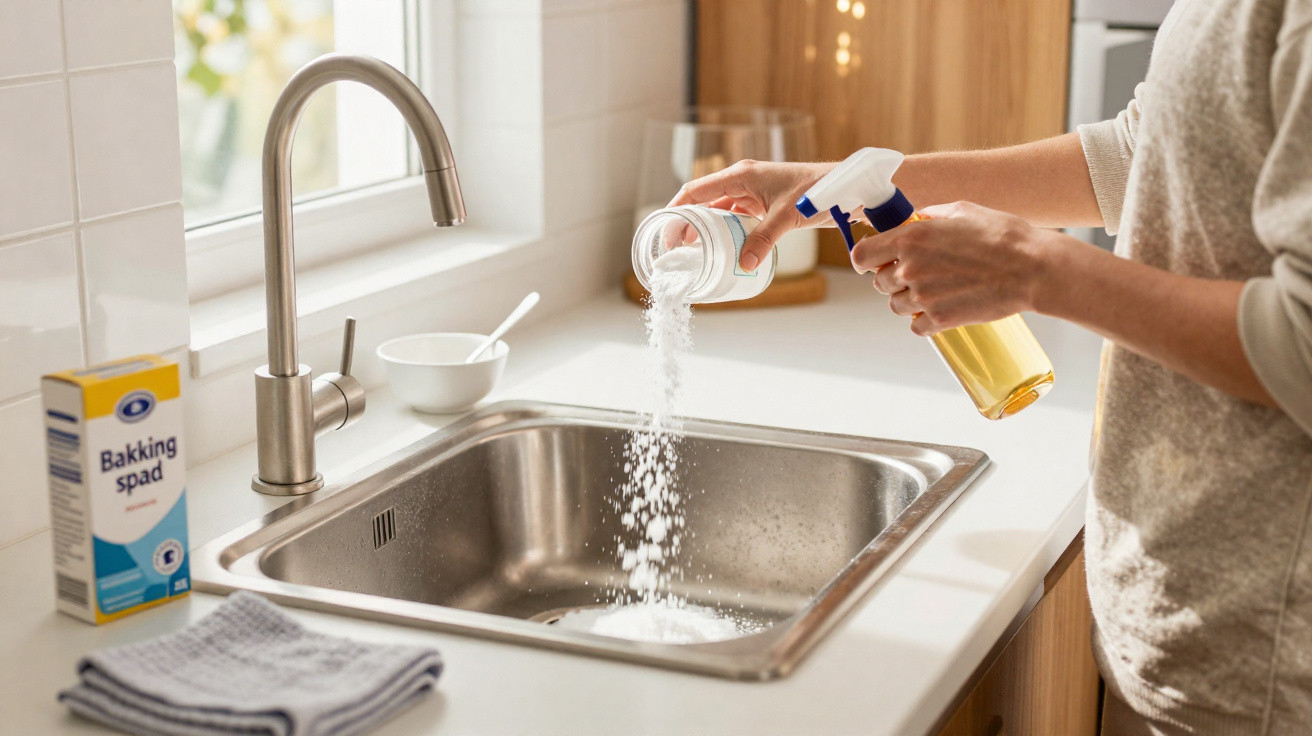
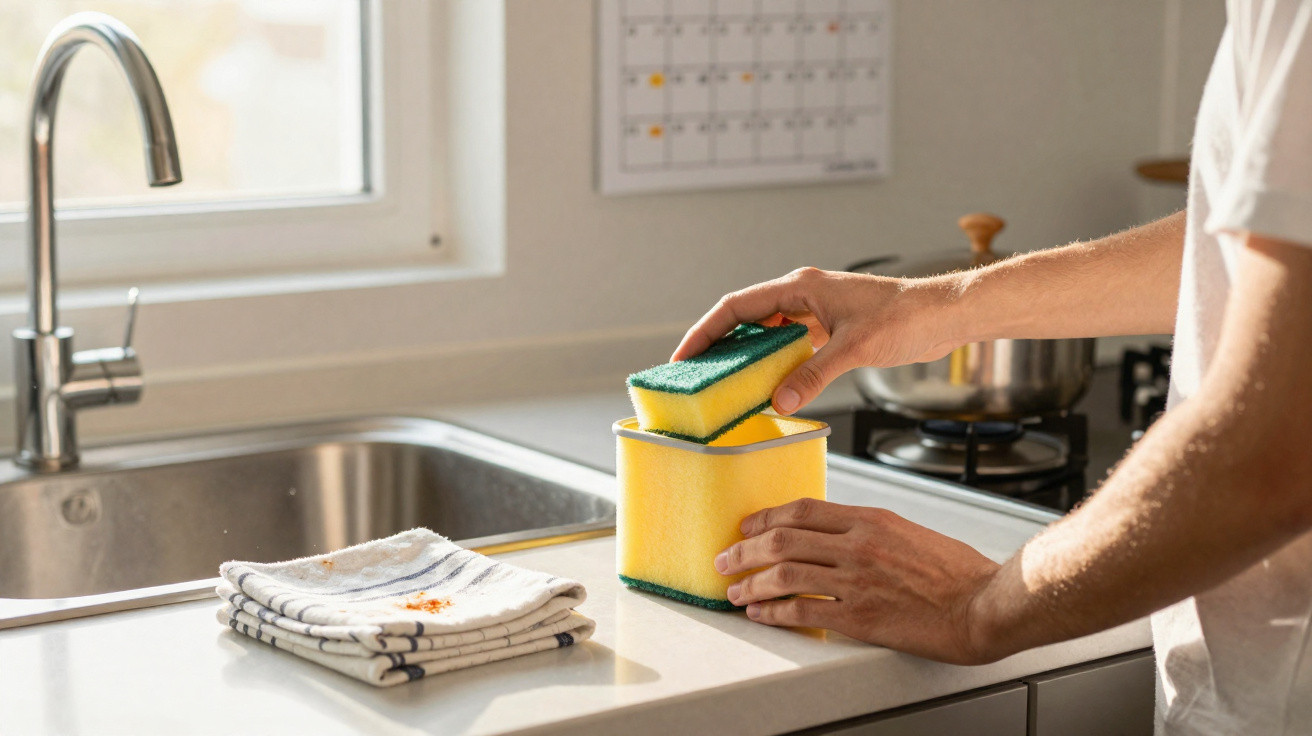
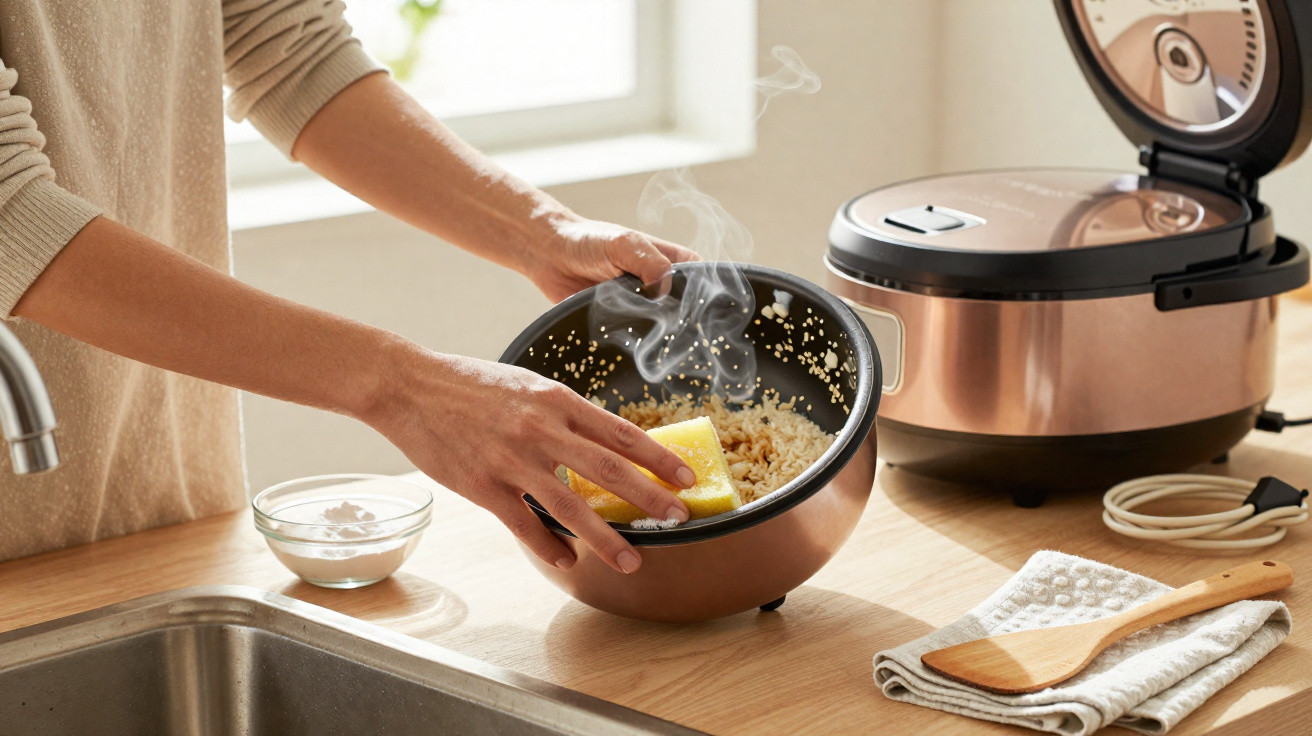
Once the oven is warm rather than hot, remove crumbs, splashes and burnt pieces using a non-metallic scraper or soft sponge. A bowl of hot water with washing-up liquid is often enough for fresh marks; bicarbonate of soda mixed with a little water can help with tougher residue. Never soak the heating elements or spray harsh household products into an oven that is still hot: the smell may be worse next time you use it.
A common mistake is laying aluminium foil directly on the oven base to “protect” it. This can restrict air circulation, trap grease and, on certain models, damage the enamel or interfere with heat distribution. Instead, place a drip tray beneath dishes likely to overflow, leaving the clearance recommended by the manufacturer.
“Occasional smoke can often be resolved with targeted cleaning; smoke that returns every time the oven heats up deserves a proper inspection.”
- Remove residue only once the oven has cooled completely.
- Check that the dish is neither cracked nor too small for what you are cooking.
- Clean the shelves, which are often responsible for forgotten grease.
- Run the empty oven for a few minutes after gentle cleaning, with the window open.
Signs that mean you should call an oven repair technician
A new oven may also smoke during its first few uses. Protective oils applied at the factory, manufacturing residues or packaging left inside the cavity can heat up and produce an unpleasant smell. In this case, running the oven empty according to the manual's instructions will generally solve the issue. However, if the smoke smells of melted plastic or electrical components, do not try to “see whether it clears”.
The situation is more concerning when smoke comes from the rear panel, controls, underneath the appliance or a cable. A warped element, damaged door seal, jammed fan or connection fault may be responsible. Unplug the oven if you can safely do so, then contact a qualified professional. A tripping circuit breaker, sparks or flames are never matters for simple cleaning.
There is one useful question to ask before starting another cooking cycle: does the smoke always appear at the same point? If it only emerges at 200 °C, hidden grease is likely; if it begins as soon as the oven is switched on, a technical component could be involved. Making a note of the smell, smoke colour and programme used is extremely helpful for diagnosis. A clean, monitored oven also provides more even cooking, which is no small matter when a meal is waiting on the table.
| Key point | Detail | Benefit for the reader |
|---|---|---|
| Food residues | Grease, cheese or sauce dropped onto the oven base, shelves or an element. | Identify the most common cause and clean the right area without panicking. |
| Immediate response | Reduce the heat, ventilate, allow the oven to cool, then remove burnt deposits. | Limit smoke, avoid burns and protect the appliance. |
| Technical warning | Electrical smell, melted plastic, sparks, or smoke from the rear or underside. | Know when to stop using the oven altogether and call a repair technician. |








Comments
No comments yet. Be the first to comment!
Leave a Comment