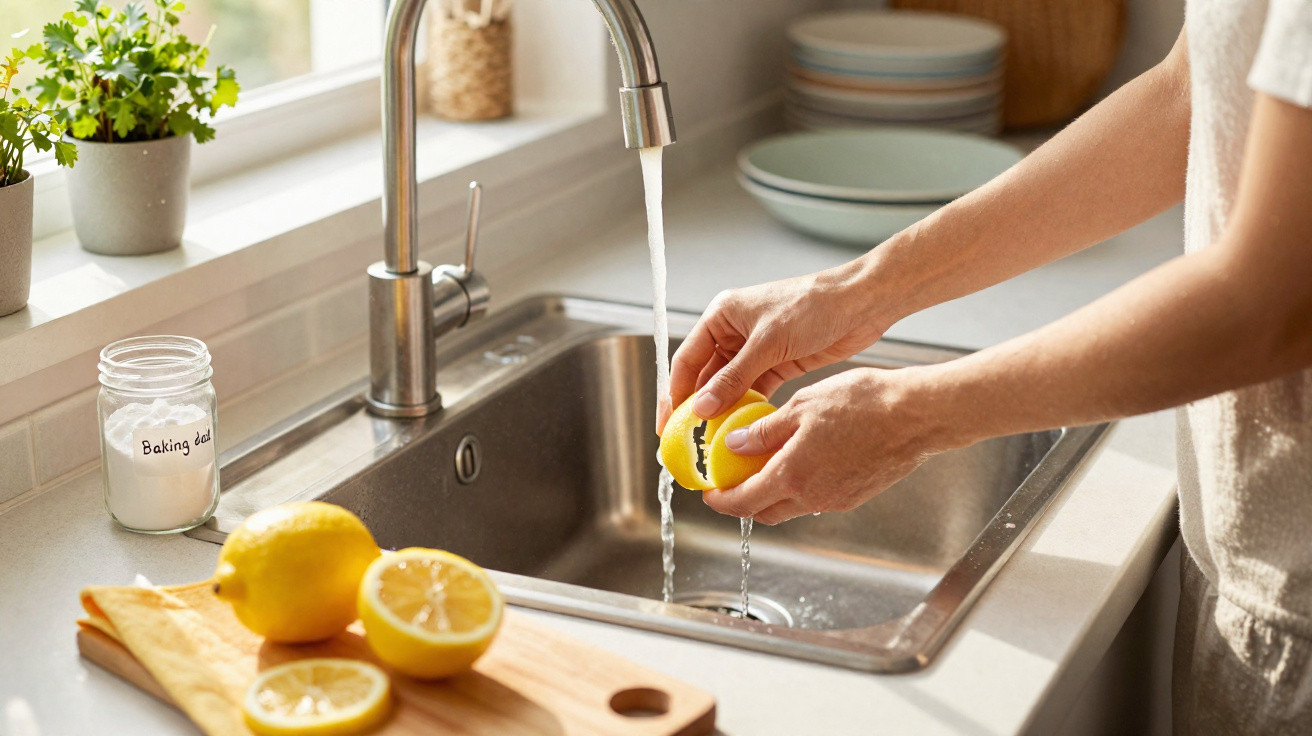
Lemon peels are increasingly finding a place in household routines as a useful aid for kitchen cleaning, particularly around the sink. Rather than being treated simply as waste, they can help minimise drain odours, support light pipe cleaning and leave a citrus scent in the room. This combines convenience, low cost and less reliance on industrial chemical products.
What do lemon peels do in the kitchen drain?
Used properly, lemon peels in the drain will not clear severely blocked pipes, but they can help prevent minor grease build-up and unpleasant smells. The essential oil in the peel acts as a mild degreaser, helping to loosen grease residue from the inside walls of the pipes.
Lemon peels placed in the sink drain also release a citrus fragrance that helps disperse odours caused by organic waste. Used weekly, this becomes a preventative maintenance measure, stopping grime from building up over long periods and providing a natural boost to sink hygiene.
How should lemon peels be used in the sink drain correctly?
To make lemon peels effective in the drain, it is important to consider the size of the pieces and combine them with other straightforward ingredients. Small portions are best, as large pieces may become caught in the drain cover or within the pipe, particularly in kitchens without a food waste disposer.
The following simple weekly method can enhance the mild cleaning action and odour neutralisation:
- Slice the lemon peel into thin strips or small pieces, using fruit that has already been used for recipes or juice.
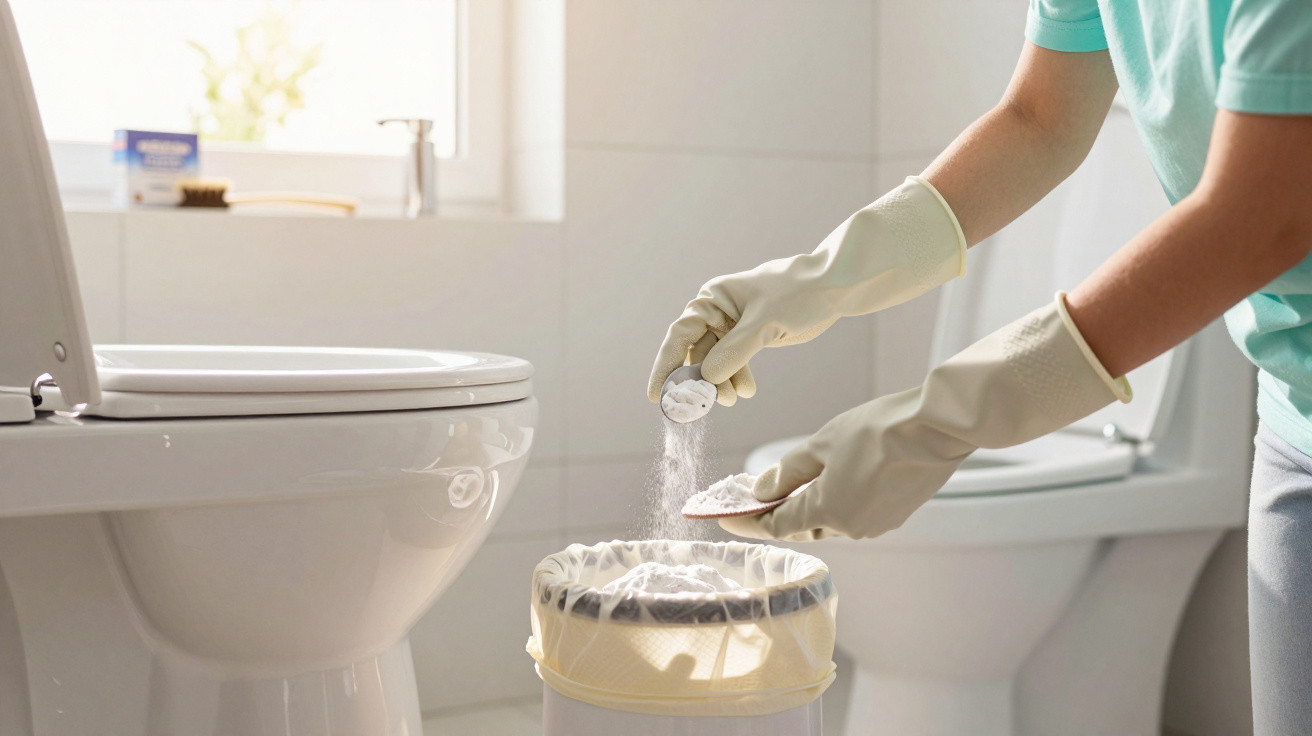
- Sprinkle one tablespoon of bicarbonate of soda straight into the sink drain.
- Place the lemon peels over the bicarbonate of soda, distributing them around the drain.
- Slowly pour in hot water - not boiling water, which may damage PVC pipework - to activate the mixture.
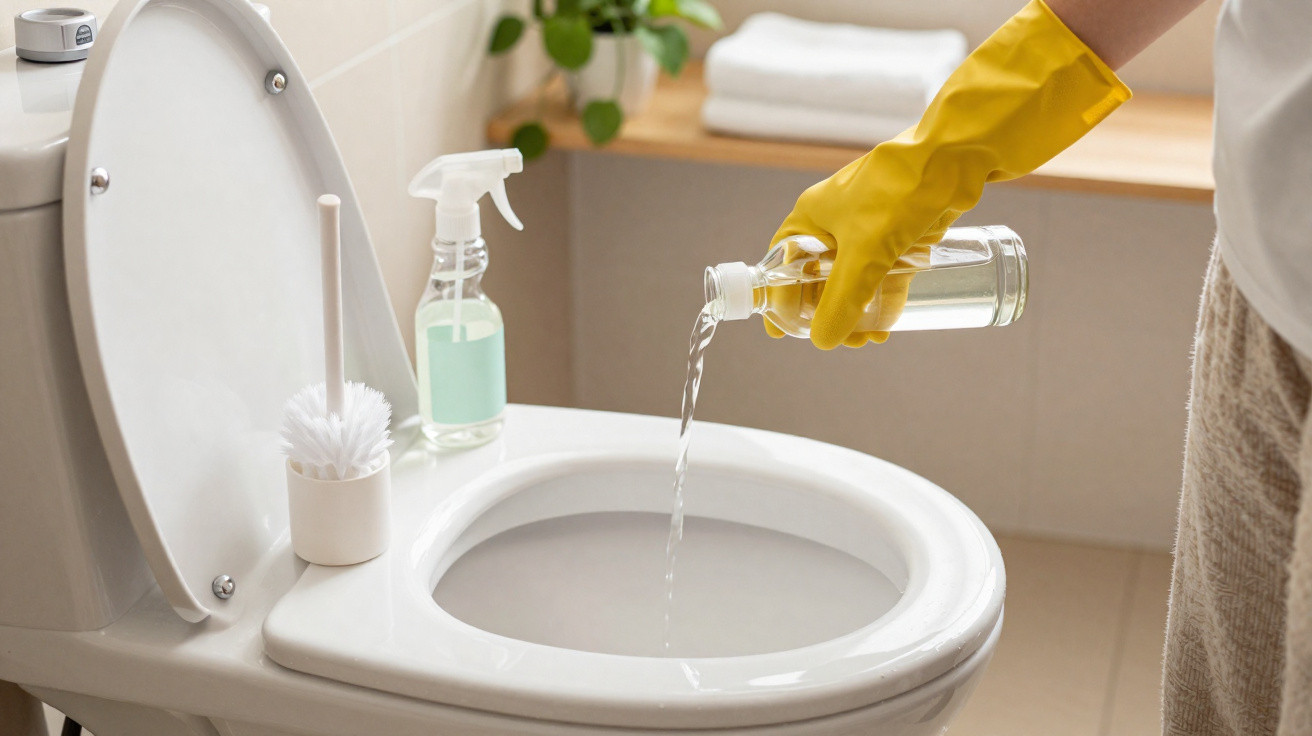
In some kitchens, a small amount of white vinegar is also added before the hot water. This creates a fizzing reaction that can help remove light residue. Once finished, it is worth leaving the sink unused for a few minutes to allow the treatment to work more effectively.
What care helps keep the sink clean for longer?
After using lemon peels in the drain, a few simple habits can extend the feeling of cleanliness and freshness. One is to avoid pouring large quantities of cooking oil directly into the sink, as this encourages greasy deposits to form and may lead to repeated blockages.
Maintaining a basic cleaning routine for the sink bowl and the area around the drain with affordable everyday solutions is also helpful. Several household options can complement the action of the peels and keep the space tidier:
- Mild washing-up liquid diluted in warm water for daily cleaning of the sink bowl and drain.
- A mixture of hot water and a little vinegar for a more thorough weekly clean.
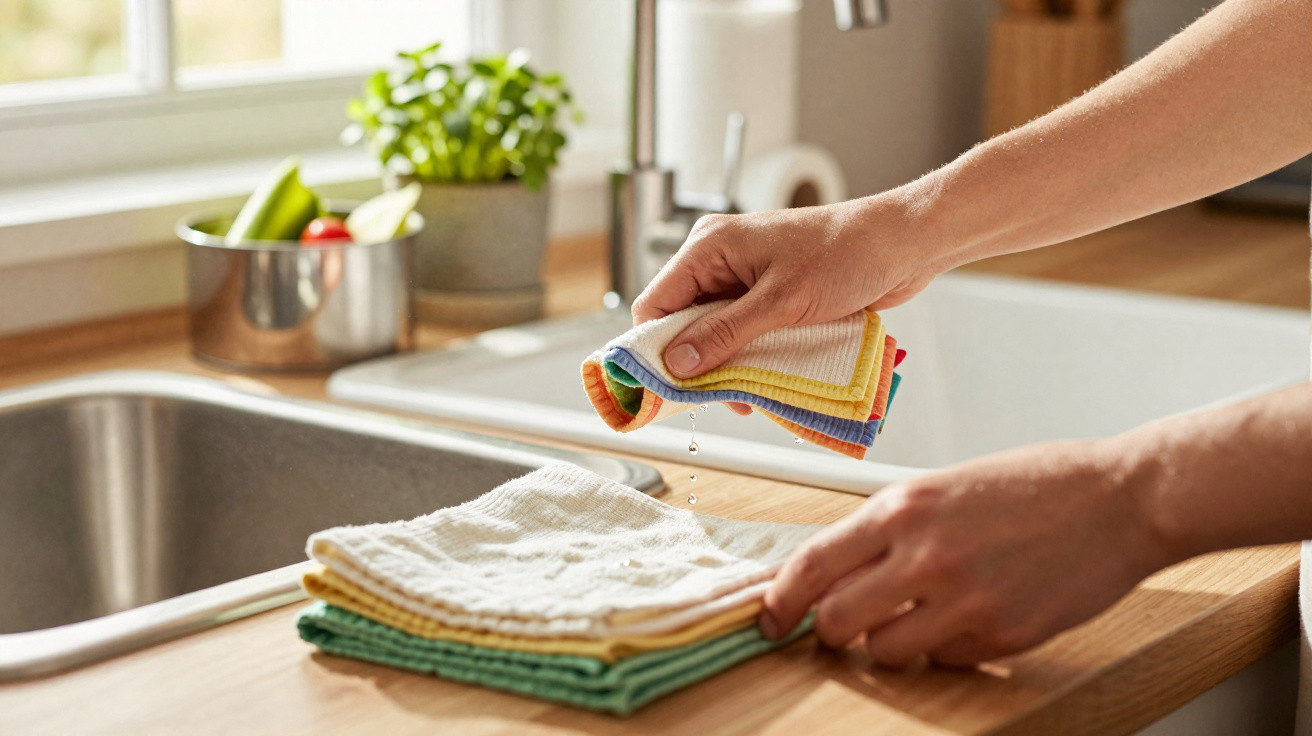
- Brushes or sponges reserved for the drain area, rather than using the same sponge used for washing dishes.
What other uses for lemon peels in the kitchen are useful?
Beyond the drain, lemon peels can be used in several areas of the kitchen, helping to reduce the need for fragranced cleaning products. One practical use is cleaning chopping boards: rubbing the inner side of the peel directly over the surface, especially on wooden boards, can help remove strong odours from garlic, fish and meat.
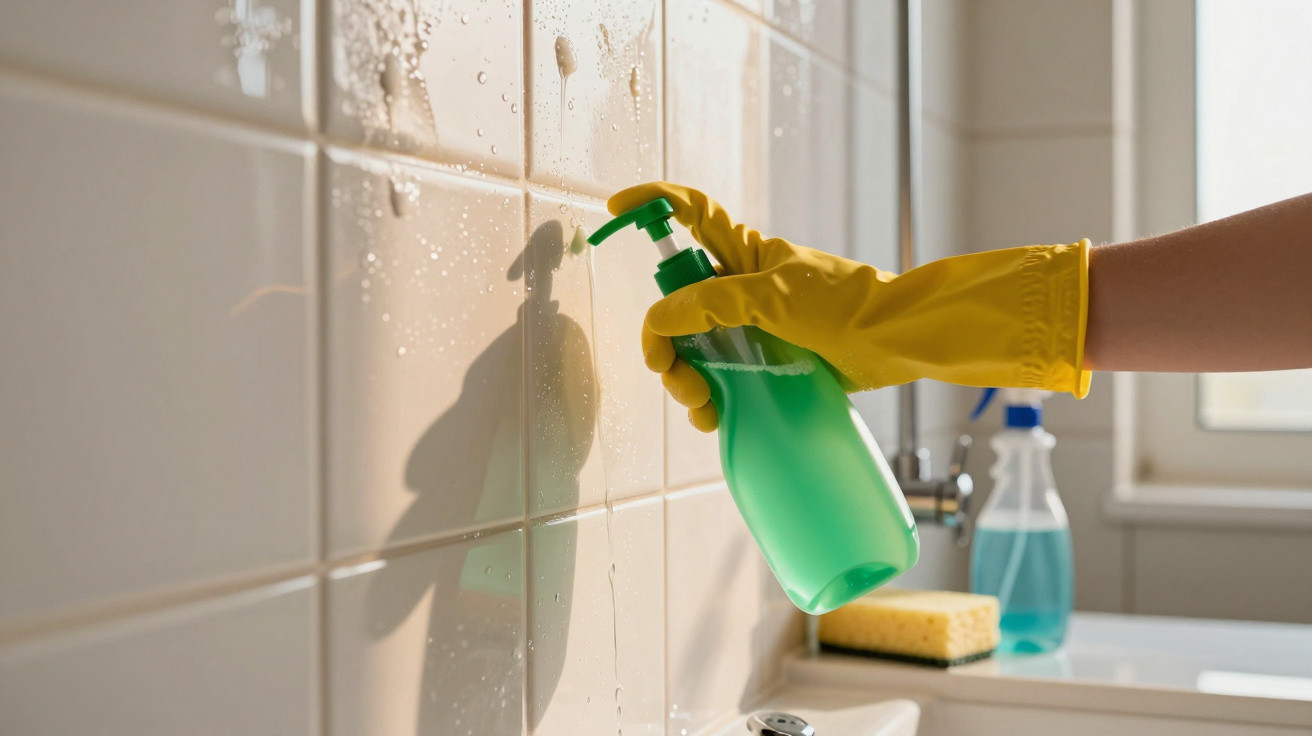
They are also often used for lightly cleaning tiled or stainless-steel surfaces by making a homemade cleaner in a spray bottle with water, white vinegar and lemon peels. The peels can also be boiled in a pan of water to scent the room, or dried at a low temperature to make small scented sachets with cloves, helping drawers and cupboards smell fresher.










Comments
No comments yet. Be the first to comment!
Leave a Comment