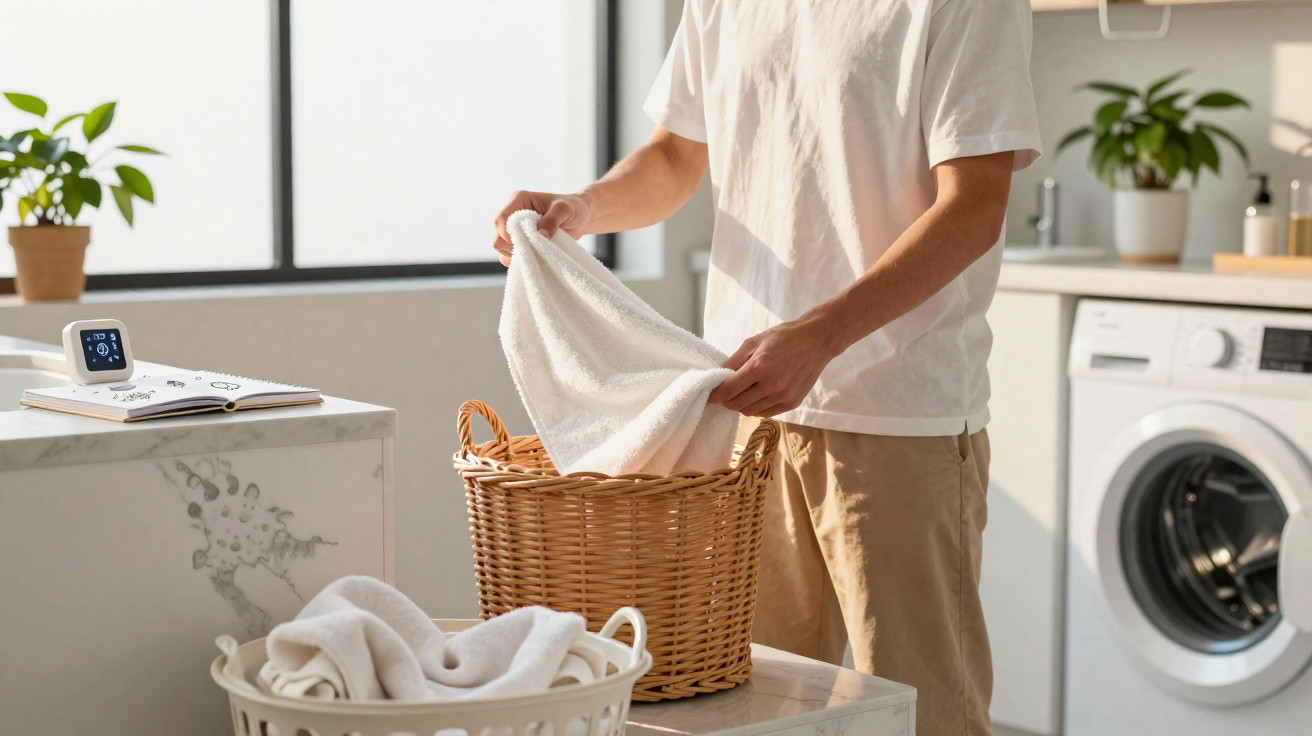
The towel is hanging there, seeming dry and looking clean – yet it is an ideal little rented flat for bacteria and fungi. A microbiologist explains how often you really ought to wash it, so hygiene is not left to chance.
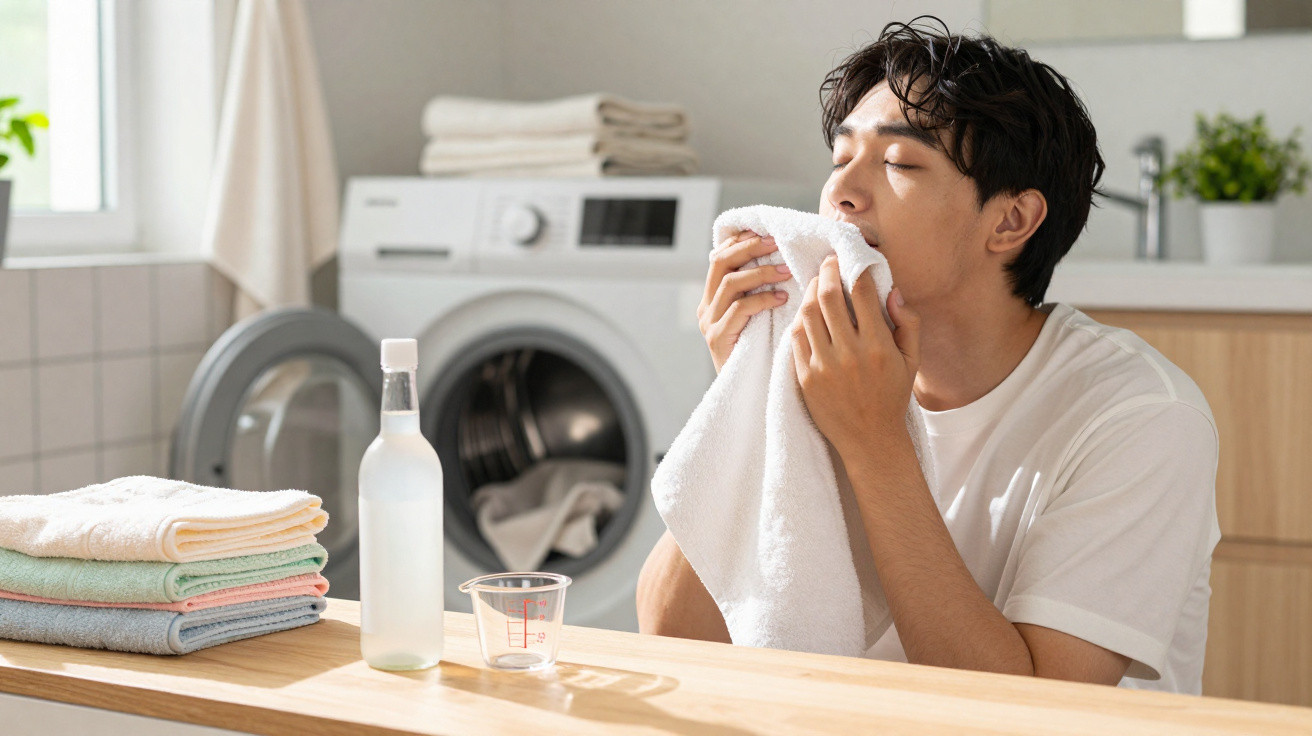
I reach for my bath towel and rub my face – a faint mustiness cuts through the scent of shower gel. We all know the moment: a towel smells “damp” despite having been hanging up since yesterday. In the corner, my neighbour’s sports towel is rolled up, heavy with yesterday’s workout and forgotten in a bag. Invisible activity is going on in places like this every day, in every bathroom. When I later tell the microbiologist this story, he smiles knowingly. He says that most people do not underestimate dirt; they underestimate time. The enemy cannot be seen.
What really happens in towels
Towels are warm, damp and full of shed skin cells – precisely the combination microbes thrive on. Munich microbiologist Dr Felix Bauer calls them “small looped biotopes”. After you dry yourself, moisture remains between the fibres, skin flora and environmental germs gain a foothold, and the folds allow air to circulate only slowly.
Studies have detected coliform bacteria and staphylococci after just two to three days, particularly where towels do not dry properly. Tea towels are even more concerning: one study found kitchen-derived germs on almost half the towels examined. After three uses, a bath towel is no longer “fresh”, even if it still looks that way.
Why does this happen so quickly? In a damp environment, bacteria multiply rapidly; fungal spores – including those linked to athlete’s foot – cling to fibres and are “reactivated” at the next contact. A warm bathroom with no airflow speeds up the process further. Cotton holds a great deal of water and takes longer to dry than microfibre – a matter of hours that can determine whether microbes grow.
How often should you wash towels? The microbiologist’s plan
Dr Bauer advises following a straightforward routine: wash bath towels after every 3 uses, or after no more than 3 days. Replace hand towels every 2 days. Sports and sauna towels should be washed after every use, while tea towels need changing daily. Use a tighter schedule during a cold, acne flare-ups or athlete’s foot. Washing at 60 °C with a heavy-duty detergent reliably kills germs; at 40 °C, use a detergent containing bleach. Towels for the face and body should be kept separate.
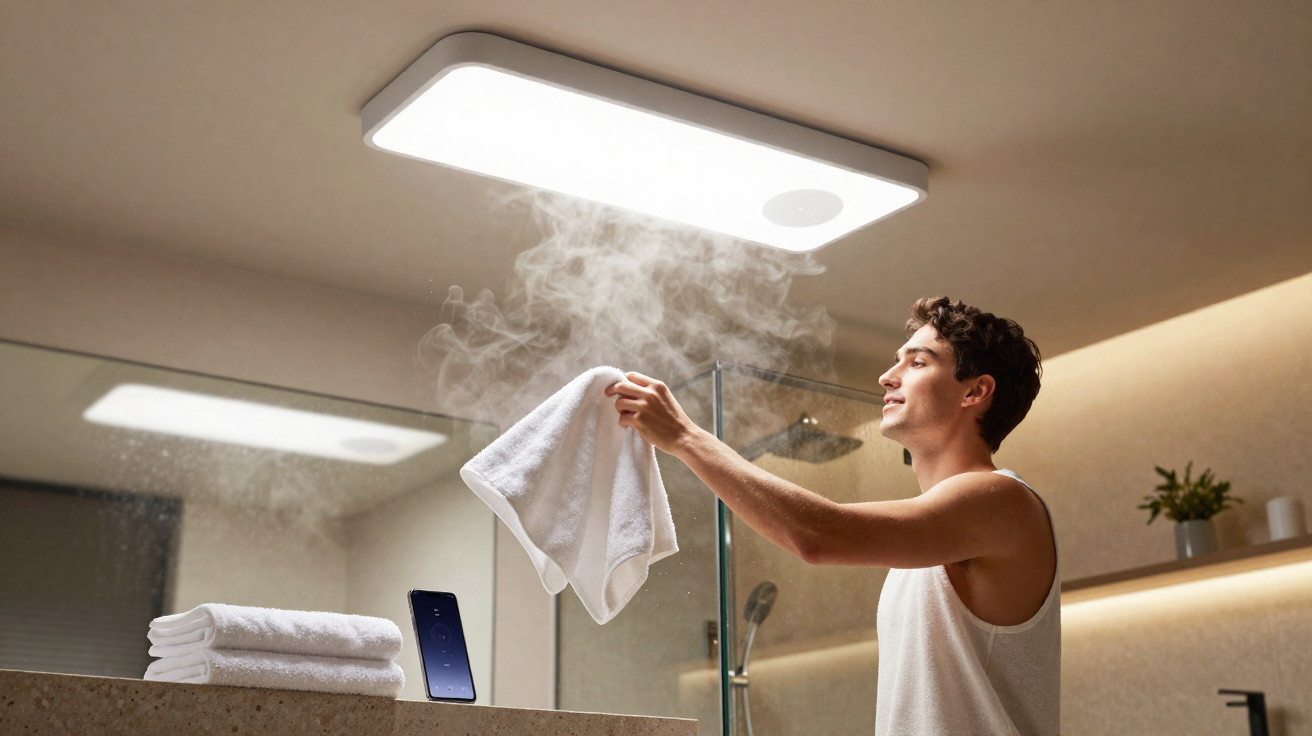
Drying does half the work: spread towels out immediately after showering rather than scrunching them over a hook. Avoid fabric conditioner, as it coats the fibres and traps moisture. If possible, use the tumble dryer briefly on a warm setting or hang towels by an open window. Let us be honest: nobody truly does this every day. What matters is finding a dependable routine that fits your own life.
What commonly goes wrong? People hang towels doubled over, unknowingly share them with others, or leave them to “pre-dry” in the laundry basket. The microbiologist puts it plainly. After that, the schedule is simple – and almost reassuring.
“A damp towel is like a small garden: give it warmth, time and nutrients – and it will grow what you do not want to see.” – Dr Felix Bauer
- Bath towel: wash after every 3 uses
- Hand towel: replace every 2 days
- Tea towel: change daily
- Sports/sauna towel: wash after every use
- Washing: 60 °C or 40 °C with bleach, then dry thoroughly
Balancing hygiene with everyday life
Hygiene is not a competition; it is more about finding a rhythm. Knowing the right pace saves worry and helps prevent skin irritation. The aim is not perfection, but routines that last. A simple weekly plan can make a real difference: tea towels on Monday, hand towels on Wednesday, bath towels on Saturday – with sports laundry in between. Cleanliness then stops being a “huge project” and becomes a quick trip to the laundry basket.
| Key point | Detail | Benefit for the reader |
|---|---|---|
| Rhythm rather than guesswork | Bath towel: every 3 uses; hand towel: every 2 days; sports/kitchen: after use or daily | A clear plan, less overthinking and consistent freshness |
| Wash correctly | 60 °C with heavy-duty detergent or 40 °C with bleach, do not overload the machine and dry thoroughly | Better germ reduction and no musty smells |
| Drying is king | Spread the towel out, avoid hooks, use airflow/a tumble dryer and skip fabric conditioner | Fewer germs, longer life and a softer feel |







Comments
No comments yet. Be the first to comment!
Leave a Comment