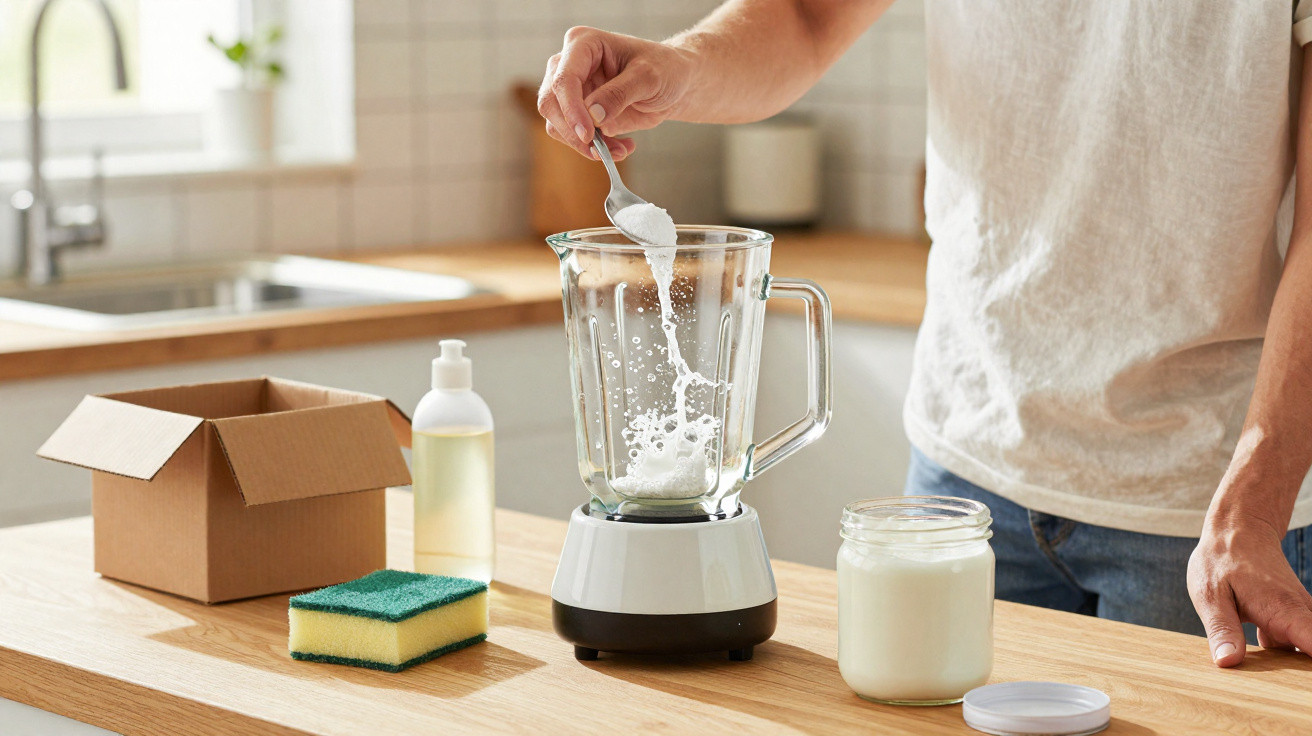
People who clean regularly often find that the time spent arranging cleaning products can have a significant effect on the household routine. For that reason, many people prepare ready-made solutions to speed up everyday jobs, such as a bicarbonate cleaning mixture. It features in many household tips because it works as a mild abrasive and can help neutralise odours, although its results depend directly on the ingredients used alongside it and the surface being cleaned.
Why do some people blend bicarbonate for cleaning?
The main purpose of blending bicarbonate with other ingredients is to make a larger, evenly combined mixture, creating a consistent paste that can be used during the week. This approach is common in organised cleaning routines, where particular days are set aside for the kitchen, bathroom or outdoor areas.
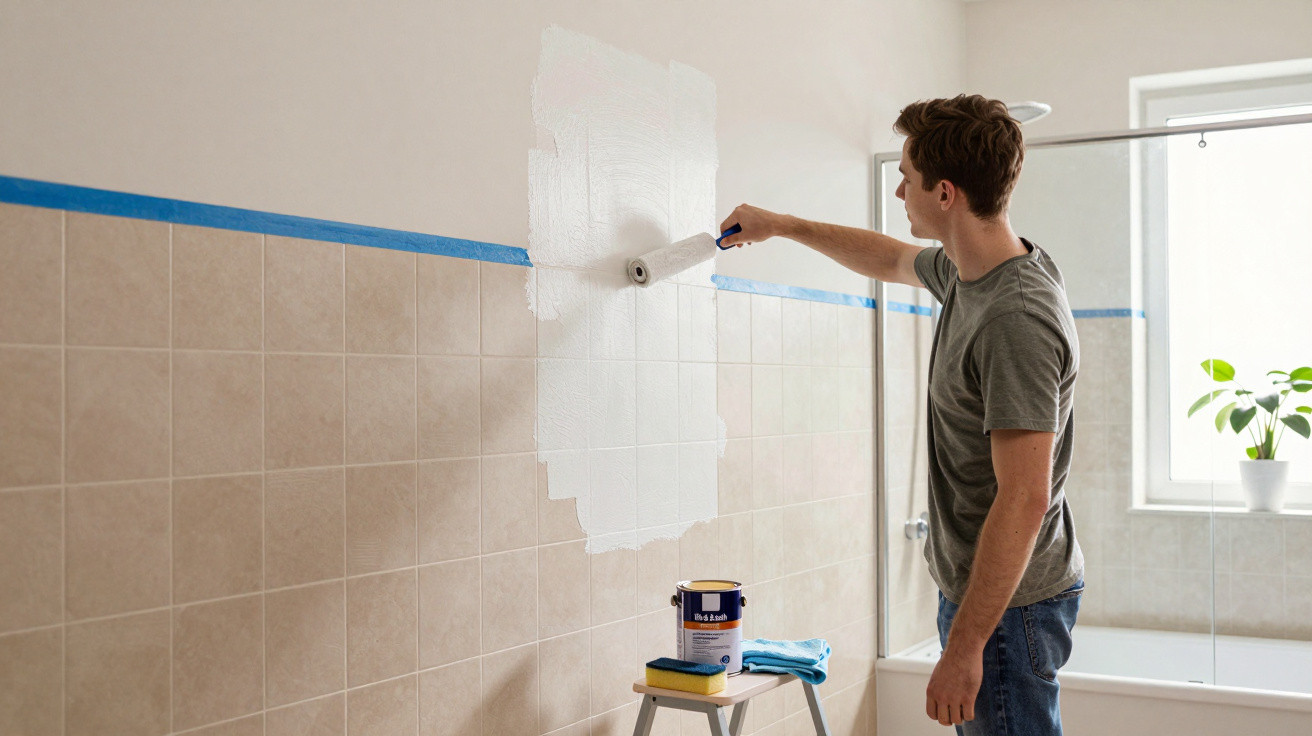
Having a homemade cleaning paste ready to use can remove steps from the process, particularly on surfaces that need scrubbing, such as tiles and grout. Specialists point out that blending does not make the mixture more powerful; it simply combines the ingredients more thoroughly. The blender must be cleaned carefully afterwards and, ideally, should be reserved exclusively for non-food preparations.
Which ingredients can be used safely in a bicarbonate cleaning mixture?
One of the simplest and generally safer combinations is a paste made with bicarbonate of soda, water and mild washing-up liquid, with each ingredient serving a particular purpose. Water provides the right consistency, washing-up liquid helps lift light grease, and bicarbonate acts as a gentle abrasive on durable surfaces.
A practical recipe commonly made in small batches, to help prevent it from losing effectiveness, is as follows:
- 1 cup of bicarbonate of soda;
- 1/3 to 1/2 cup of water, added gradually until a thick paste forms;
- 2 to 3 tablespoons of mild washing-up liquid.
Where does the bicarbonate cleaning mixture work best in the home?
When applied carefully, a bicarbonate cleaning mixture tends to work best on hard, durable surfaces found in indoor areas such as kitchens, bathrooms and utility rooms. In these settings, it may help remove more stubborn dirt, provided that the manufacturer's guidance for surfaces and utensils is followed.
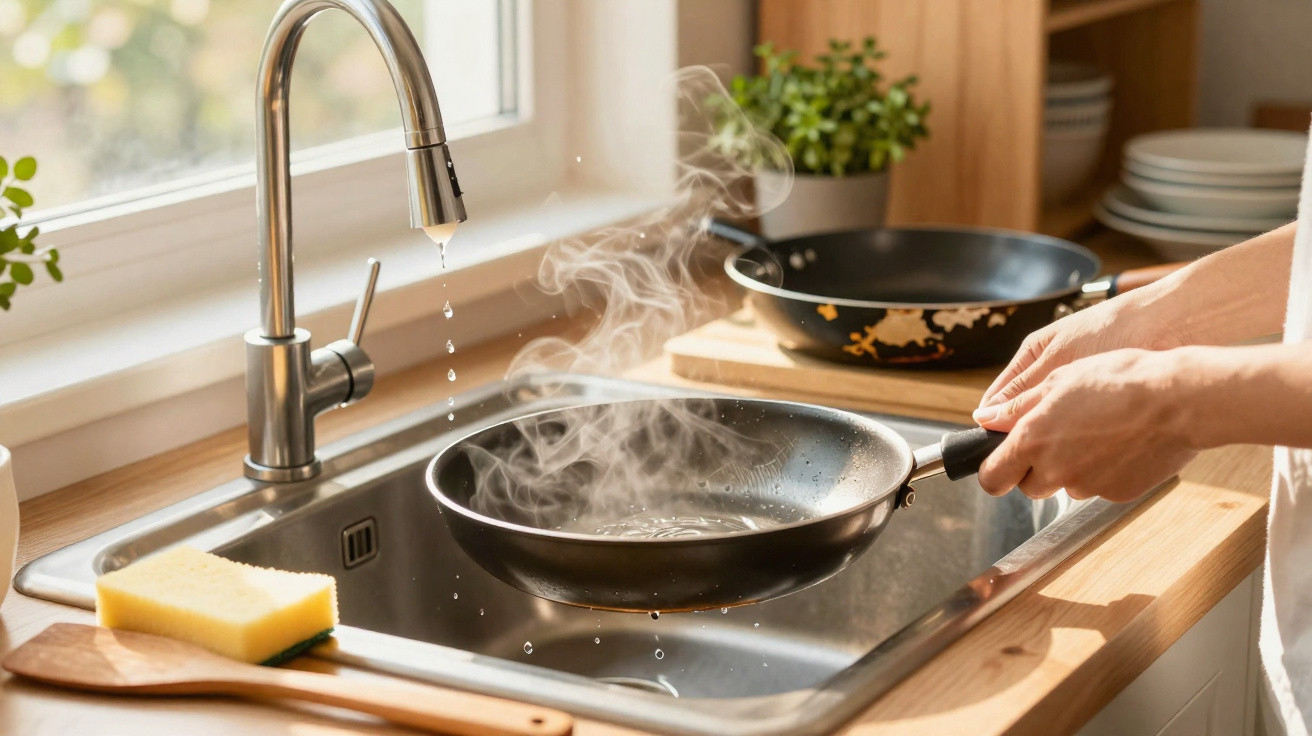
Common uses include durable stainless steel, ceramic, stained grout, baking trays and sturdy utensils, as well as the internal areas of certain appliances where the manual permits it. It is always advisable to test the paste first in an inconspicuous spot to check for changes in colour or shine. Stop using it if scratching, staining or a loss of finish occurs.
How can you prevent damage, store and dispose of bicarbonate paste?
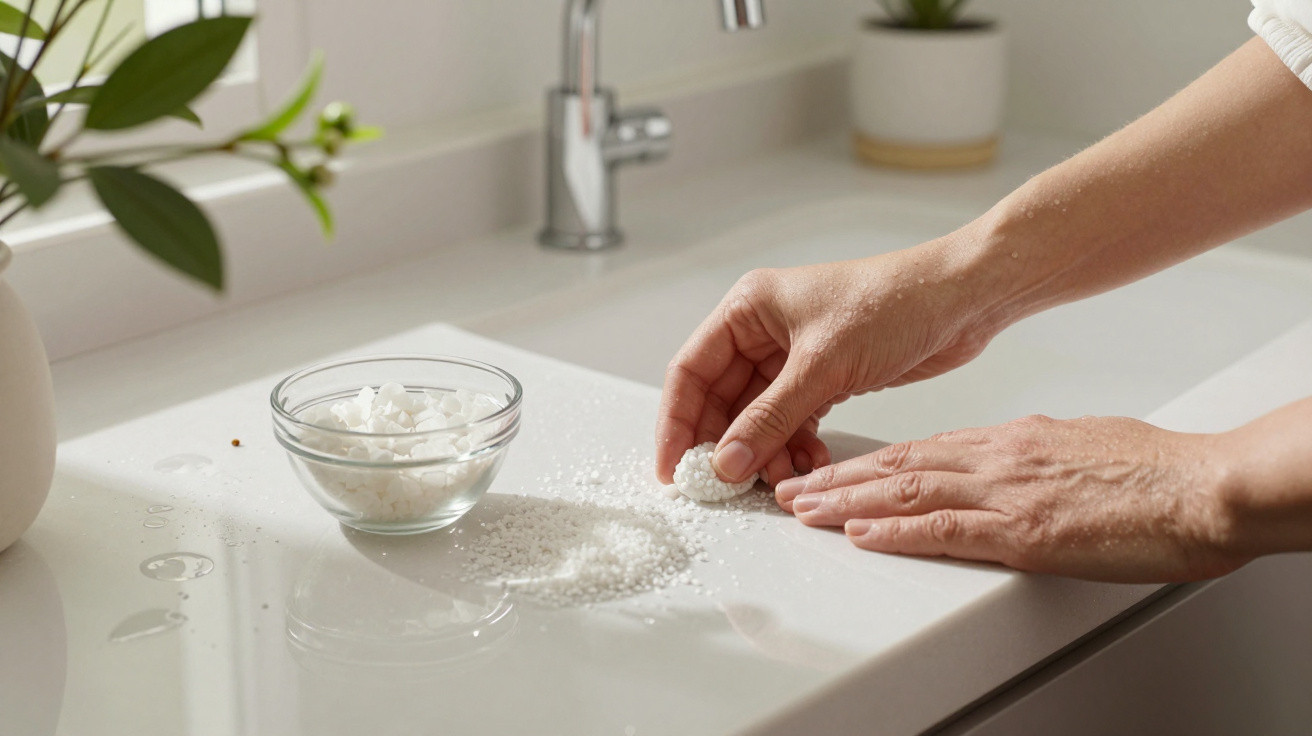
Despite its popularity, bicarbonate is not suitable for every surface and may scratch or wear down delicate materials, including marble, porous natural stone, polished granite, anodised aluminium and highly glossy finishes. It should also not be mixed with bleach, ammonia or other strong agents, as these can produce irritating odours and unwanted reactions.
Once bicarbonate has been blended with water and washing-up liquid, the paste should be kept in a clean, labelled and tightly sealed container, out of the reach of children and animals. Ideally, make only enough for a few days. If its colour, smell or consistency changes, dispose of it down the sink with plenty of running water, while avoiding the build-up of solid residue in the pipes. Wash the blender thoroughly immediately after use.


Comments
No comments yet. Be the first to comment!
Leave a Comment