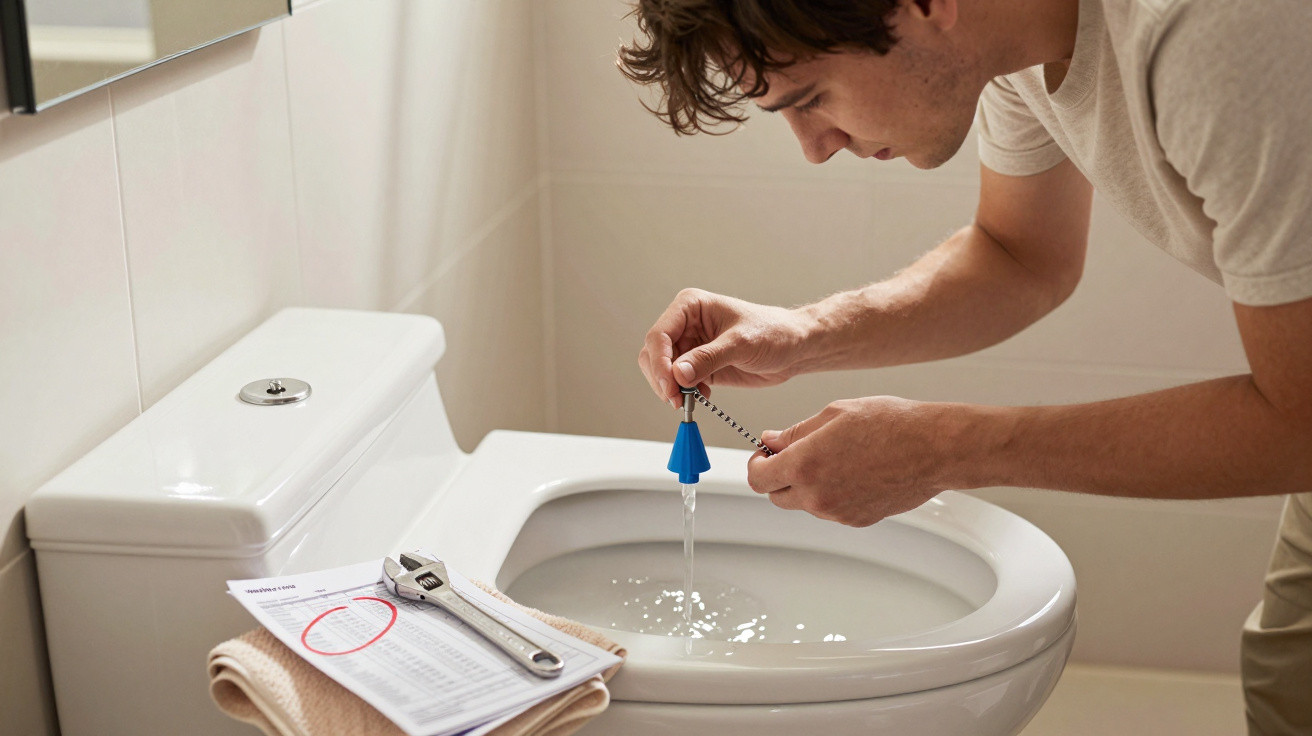
It was right in the middle of dinner. There was a muted panic in the caller’s voice: “My toilet won’t stop running, and the water bill is insane. Can you come tonight?” There was no split pipe or spectacular flood - only that persistent hiss from behind the bathroom door, sounding like money draining away by the second.
Twenty minutes later, we were standing together and looking at the cistern as though it were a bomb. The floor was dry and the bowl was spotless, but the noise would not let up. The homeowner had already spent hours watching videos and attempting every random internet tip they could find.
Five minutes after that, the sound had gone. No replacement parts. No specialist equipment. Just one small adjustment that almost nobody mentions.
And that is precisely the sort of thing plumbers are not keen to see trending on your feed.
The quiet leak that drains your money
Most toilet faults do not begin with a flood. They begin with a whisper: a faint hiss once the house is quiet, a cistern that tops itself up every ten minutes, or a flush handle that feels slightly too loose.
You leave it for a day, then a week, because the toilet still “works”. There is no dramatic overflow or urgent crisis, only a discreet little noise behind the door. Then the water bill arrives with a figure that makes absolutely no sense.
That is normally when people reach for the phone.
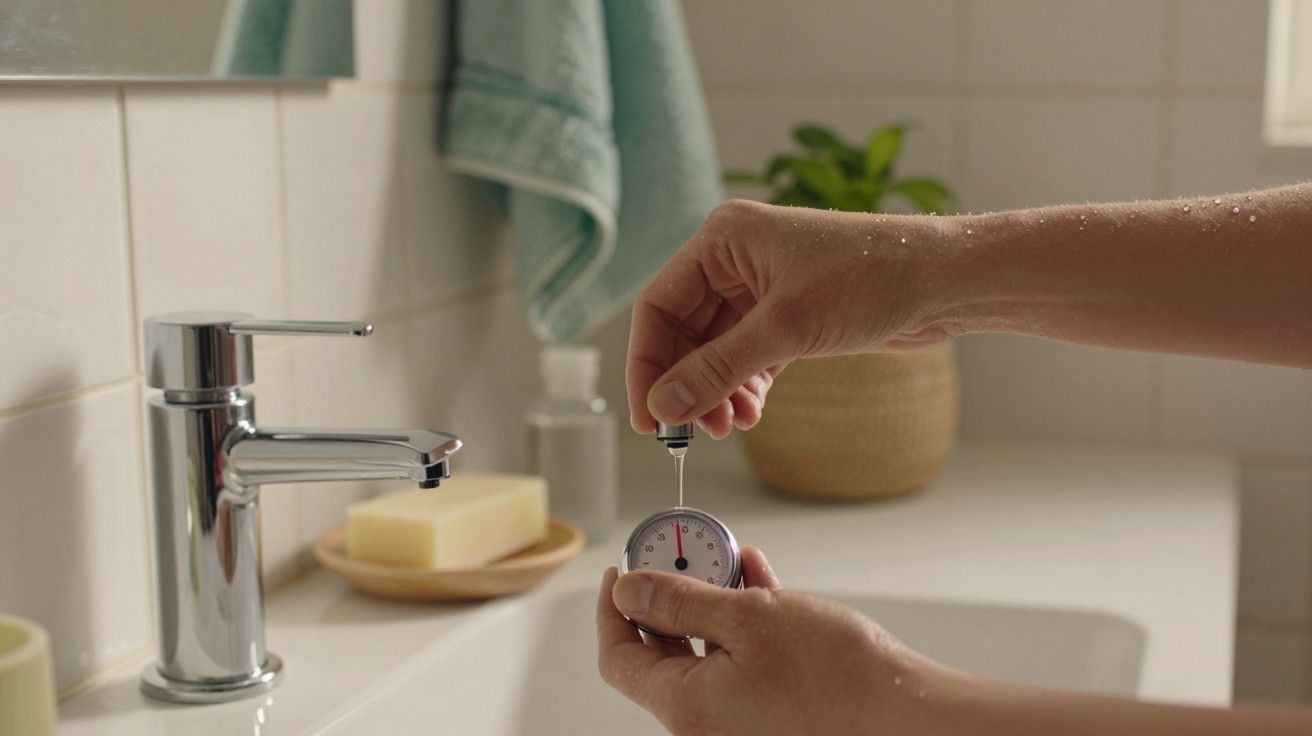
A US utility study found that one continuously running toilet can waste as much as 750 litres of water a day. That is not a typo. It is like leaving a garden hose slightly open and forgetting about it for weeks.
Plumbers encounter the same scenario repeatedly. Callers say quietly and apologetically, “I thought it was nothing.” They may have tried turning off the supply valve, wiggling the handle, or even replacing the whole toilet because a neighbour insisted it was “too old”.
On an ordinary suburban street, three neighbouring homes may all have the same concealed soundtrack of cisterns running. It is not something anyone discusses at the postbox.
What is unusual is how straightforward the answer is in many cases. It is not magic or highly technical - simply a basic adjustment that seldom appears in the polished, big-budget how-to guides.
The dull but harsh reality is that most running toilets result from a slight misalignment between the components inside the cistern. There is no shattered porcelain, terminal crack or heroic replacement required.
Beneath the lid you never lift are three likely culprits: the flapper, the fill-valve float, and the chain that joins the handle to the flapper. When any one of them is slightly out of position, water can leak steadily from the cistern into the bowl. The fill valve detects the lower water level and starts filling again. Then again. And again.
Professionals know that an alignment issue can be resolved very quickly. That is where this five-minute trick becomes slightly awkward for anyone charging a call-out fee.
The five-minute toilet trick plumbers do not rush to advertise
This is the point where people expect a complicated process. It is not. The “secret” repair is more like adjusting a rucksack strap than rebuilding an engine.
First, remove the cistern lid and set it down carefully on a towel. Yes, that heavy ceramic piece really does come off. Inside, there should be a rubber flapper at the bottom, an upright fill valve and a chain leading from the handle lever to the flapper.
Here is the adjustment that makes the difference: shorten the chain by one or two links, so it is nearly taut while the flapper is shut, but not tight enough to lift the flapper even a fraction. Next, adjust the fill-valve float so that the water stops roughly 2–3 cm below the opening of the overflow tube.
That is the entire five-minute trick: chain and float, with nothing elaborate involved.
This small two-part adjustment resolves a remarkable number of supposedly “mysterious” toilet problems. An overly long chain can slip beneath the flapper or prevent it sealing fully. A float set too high lets the water rise too far, flow into the overflow tube and keep the cistern running constantly.
At a property, it can seem like a simple magic act. You flush, observe the chain and spot it catching. You alter two things, flush once more, and the cistern fills silently. No more hissing and no tiny refills every few minutes.
You can pay a professional to spend ten minutes doing exactly this, alongside their journey and minimum charge. Or you can use one coffee break, get your hands slightly wet and keep the money yourself. Let’s be honest: nobody really does that every day.
Many people get it wrong on their first attempt, which is perfectly fine. The usual error is making the chain too short. The flapper then cannot settle completely into its seat, or the chain itself holds it marginally open. Water escapes, the cistern refills and you are back at the beginning.
Another common mistake is lowering the float too aggressively. The flush then feels weak, the bowl fails to clear properly, and it can seem as though the toilet is faulty when it is merely underpowered. Look for the balance: enough water for a strong flush, but not enough for it to enter the overflow.
There is an emotional element that rarely gets mentioned, too. On a difficult day, a toilet that will not behave can feel like the final straw - proof that the house is quietly falling apart. On a good day, sorting it in five minutes feels like a victory.
“People think toilets are these mysterious, dirty monsters,” a veteran plumber told me once. “Ninety percent of the time, it’s just a lazy chain and a cocky float.”
For a quick mental checklist, the five-minute trick comes down to this:
- Open the cistern and examine the chain: it should not leave a pool of slack on the flapper.
- Shorten the chain by one or two links, while retaining a slight amount of play.
- Make sure the flapper lies flat and moves freely when you flush.
- Set the float so the water stops just below the overflow tube.
- Flush twice and listen: no refilling, hissing or dripping noises.
Why this small repair feels bigger than plumbing
There is something surprisingly personal about repairing a toilet yourself. It is not glamorous, and you are unlikely to post about it on social media. But once it is done, the entire bathroom seems different: quieter, calmer and under control.
The five-minute trick is not simply about avoiding one plumber’s visit; it changes the way you view your home. Once you can understand a chain and a float, you can begin to understand other faults as well. You start hearing the small sounds of the house differently: the click of a thermostat, the gentle hum of a fridge or a faint sink drip at night.
At a time when water is becoming scarcer and bills continue to rise, a running cistern is more than an irritation. It is an open tap in both your wallet and your local reservoir. One toilet, five minutes and thousands of litres over a year: a quiet revolution concealed inside a ceramic box.
| Key point | Detail | Benefit for the reader |
|---|---|---|
| Chain adjustment | Shorten the chain so it cannot become trapped beneath the flapper | Stops most internal leaks within minutes |
| Float level | Lower the water shut-off point below the overflow tube | Reduces constant refilling and water bills |
| Final listening test | Flush twice, with no lingering noise or micro-refilling | Confirms the result without tools or technical skills |













Comments
No comments yet. Be the first to comment!
Leave a Comment