The drawer jams, a bag of vegetables drops onto the tiled floor, and that white layer, as thick as frost on a windscreen, has spread yet again. We all know the moment: you open the freezer and think it really needs dealing with… just not tonight. The trouble is that frost eventually steals space, puts extra strain on the appliance and makes every impromptu meal more difficult. The good news is that, with a few straightforward steps, a heavily frosted freezer can look normal again in under an hour. No hammer, no miracle product and, above all, no unnecessary risks. All it takes is a little organisation - and a towel you do not mind getting wet.
Why frost takes up so much room in the freezer
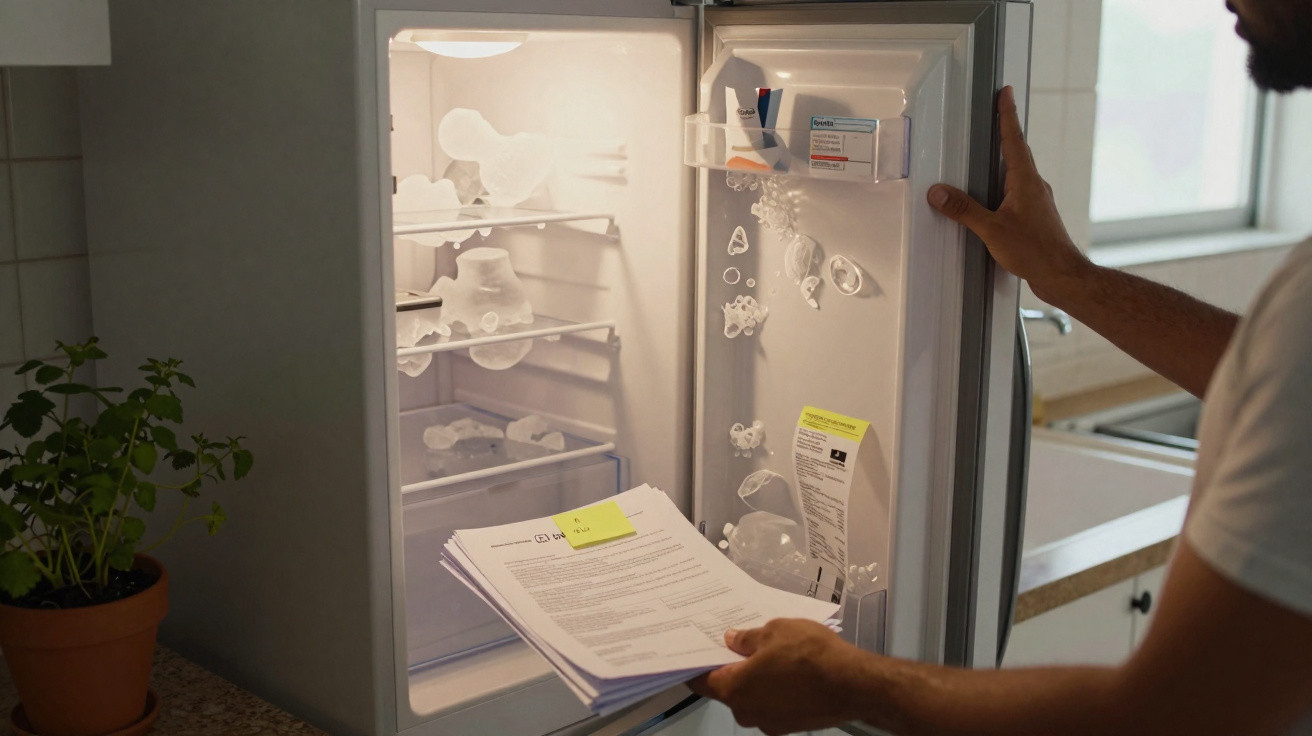
Frost never appears all at once. It builds up quietly after a door has been left slightly open for a few seconds, a drawer has not been properly shut, or food that is still warm has been put away too soon. Humid air gets into the appliance, turns into crystals, then collects on the walls and around the drawers. At first, it looks like a harmless thin film. A few weeks later, packets get stuck and usable space disappears rapidly. The freezer seems full when it is mainly clogged with ice.
In a family kitchen, the situation is often identical: you are looking for a pizza, pull at the bottom drawer and it will not move. Just 5 millimetres of frost can already restrict the circulation of cold air, while a centimetre quickly becomes a proper wall of ice. The motor then has to work harder to maintain the right temperature. In a very full appliance, the additional energy use can have an effect over time, even if it goes unnoticed day to day. It is not dramatic. It is simply unnecessary.
Frost is also a warning sign: humid air is finding its way into the appliance too easily. The cause may be a dirty, flattened or cracked door seal, repeated opening while meals are being prepared, or poorly sealed packaging. Let us be honest: nobody really deals with this every day. Even so, checking the seal with a damp cloth and avoiding leaving the door open while deciding between frozen foods can slow the problem down. A quick defrost treats the symptom; a few habits stop it returning straight away.
How to defrost a freezer in under an hour
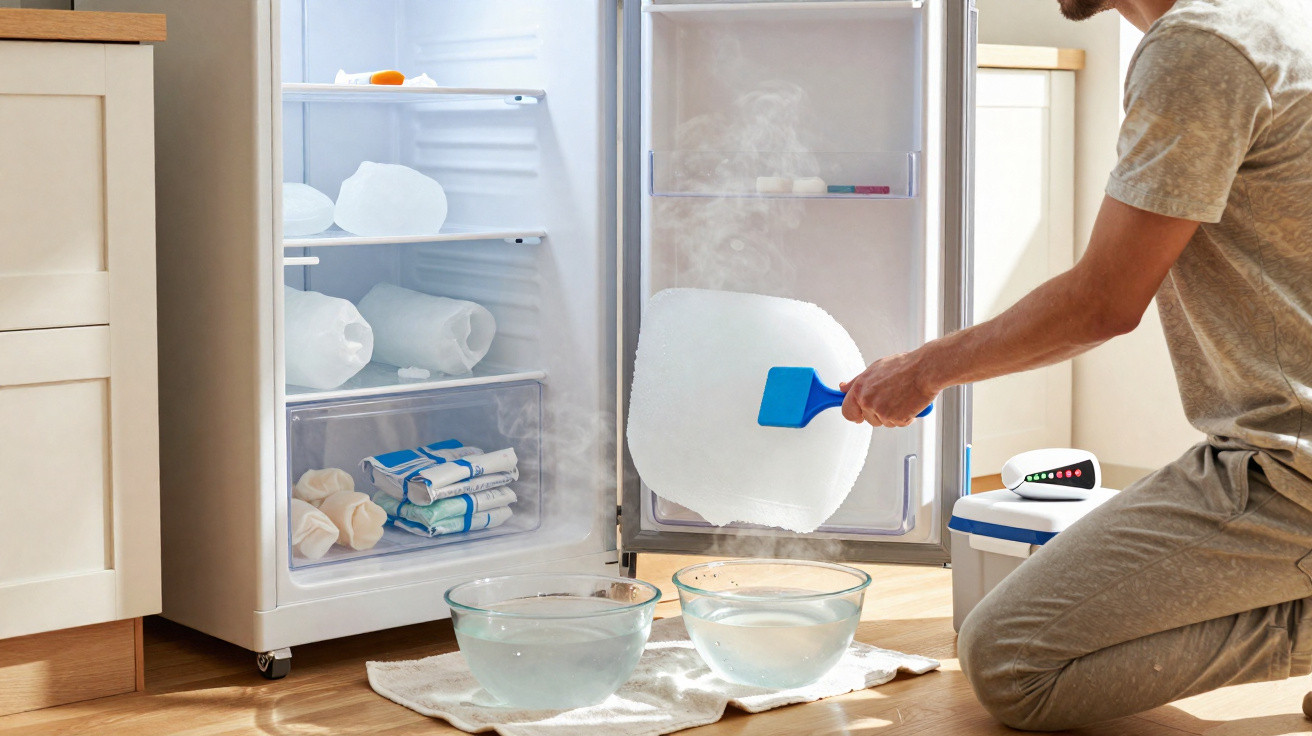
Before you begin, gather the essentials: thick towels, a large washing-up bowl or roasting tray, a plastic scraper, a heatproof bowl and very hot water. Unplug the freezer, remove the food and put it in a cool box with ice packs, or wrap it in towels and keep it together in a cool place. The closer the items remain to one another, the better they retain their chill. Preparation takes five minutes, but it prevents panic when the water starts running.
Lay towels at the base of the appliance, then put a bowl of hot water inside the freezer on a plate or trivet. Shut the door for ten minutes: the steam will soften the frost without harming the interior surfaces. Then open it, use a plastic scraper to remove any loose pieces and repeat if needed. Gentle heat is your best ally. To speed things up further, point a fan towards the open door to circulate room air and encourage the ice to melt.
It is tempting to reach for a knife when a large block refuses to shift, especially towards the end. However, a blade can puncture a wall, damage a circuit and turn a simple defrost into an expensive repair. Keep one simple rule in mind:
“If the frost does not come away by hand or with a flexible scraper, it is not ready to come away.”
- Always unplug the appliance before handling it.
- Use a plastic scraper, never a metal object.
- Replace the hot water as soon as it becomes lukewarm.
- Mop up regularly to prevent a puddle on the floor.
- Dry the interior walls completely before plugging it back in.
Mistakes that make defrosting take longer
A hairdryer is often suggested as a quick fix, but it requires extreme caution: water on the floor, an electrical appliance and a nearby socket are not a reassuring combination. A bowl of hot water enclosed in the freezer delivers a calmer result with far less risk. Also avoid pouring boiling water directly over the walls; thermal shock can weaken some plastics and cause splashing. The aim is not to defeat the ice at any cost, but to let it release naturally.
Another common mistake is putting food back before the interior is completely dry. Any remaining moisture will quickly become a fresh layer of crystals, sometimes within the first few days. Run a dry cloth through the grooves, beneath the drawers and around the seal, where water likes to hide. Take the opportunity to remove torn packaging, unidentified bags and that tub of sorbet forgotten since last summer. A defrosted freezer often feels as though it has gained a whole shelf. It is not just an impression.
Once the appliance restarts, let it return to temperature before replacing the food, particularly if defrosting took longer than expected. Food that is still solid and covered in frost can generally go back into the freezer without any issue. Meat or fish that has completely thawed, however, needs proper attention: it is better to cook it promptly than refreeze it raw. A visual and touch check prevents plenty of uncertainty. Delicate foods should not spend long in a cool box that is not cold enough.
A simple routine for an easier freezer to use
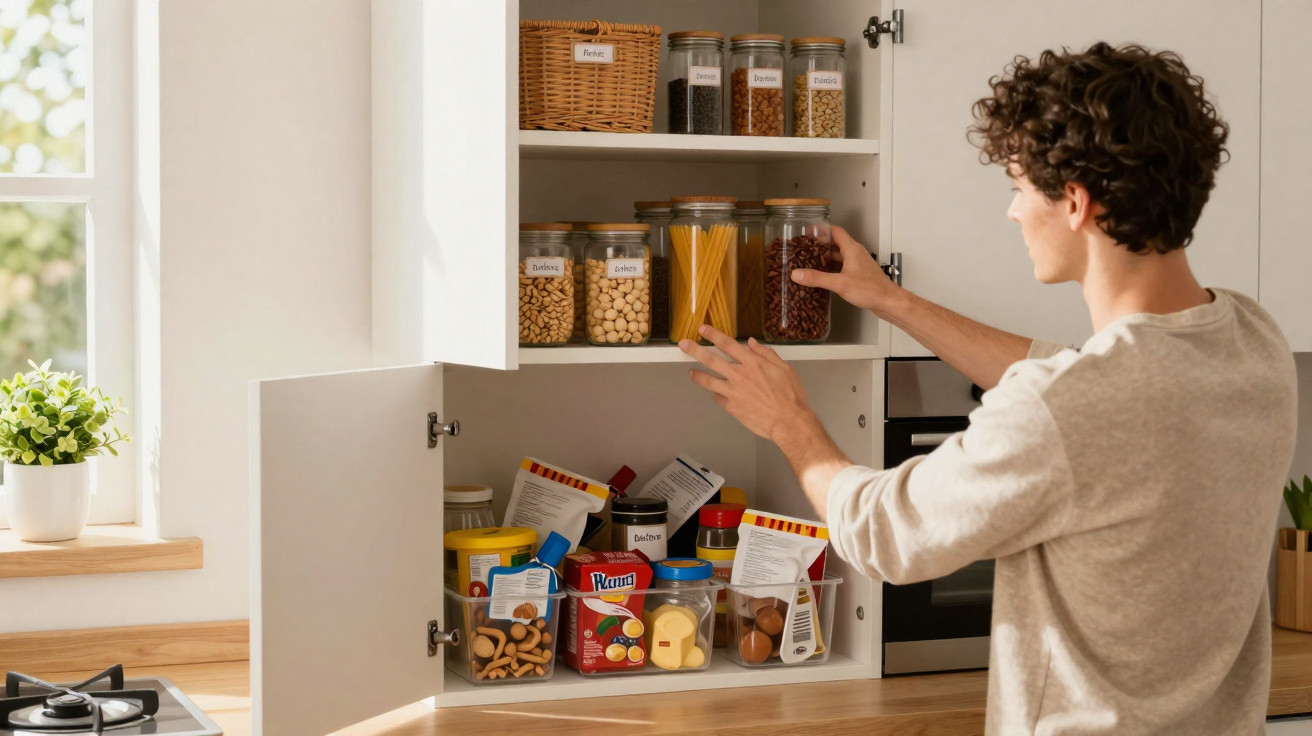
Once the walls are clean again, the freezer can look almost new. This is an opportunity to rethink how it is organised: keep older items at the front, group similar foods together and make dates visible on homemade bags. A simple piece of tape and a marker pen can prevent plenty of mysteries at the back of a drawer. You keep the door open for less time, spend less time looking and allow less moisture to settle inside. They are small details, but they genuinely change evening routines.
The right frequency depends on how each household uses its freezer. In a home where it is opened ten times a day, checking it every two or three months is not excessive; elsewhere, defrosting twice a year is more than enough. Above all, look for practical signs: a sticking drawer, a seal covered in ice, packages frozen together or whitened walls. Taking action before a thick layer forms makes the task almost routine. And once you have tried the hot-bowl method, you are far less likely to put it off.
There is something satisfying about this very ordinary task: having a clean, quiet appliance again, with drawers that finally slide open without resistance. It is not a major household revolution, simply an hour well spent that frees up space and lightens the everyday mental load a little. Some people even keep an old dedicated towel in the cupboard beside the cool box, so there is no frantic searching when the time comes. Frost will return one day, of course. But it will no longer take over all the space.
| Key point | Detail | Benefit for the reader |
|---|---|---|
| Prepare the food | Cool box, ice packs and food kept together | Maintains the cold chain during defrosting |
| Use hot water | A bowl placed in the freezer with the door closed | Melts frost quickly without damaging the interior walls |
| Dry before restarting | Carefully wipe seals, grooves and drawers | Limits the rapid return of ice |




Comments
No comments yet. Be the first to comment!
Leave a Comment