There is a remarkably practical cleaning secret hidden in them.
Anyone who cleans floors with disposable wipes will know the pattern: the packet empties, the rubbish bag fills up and the receipt gets longer. Meanwhile, old bath towels sit neglected in the cupboard. That is where a straightforward trick comes in: it cuts waste, eases pressure on the household budget and still leaves floors thoroughly clean.
Old bath towels as floor wipers: why they are far too good to throw away
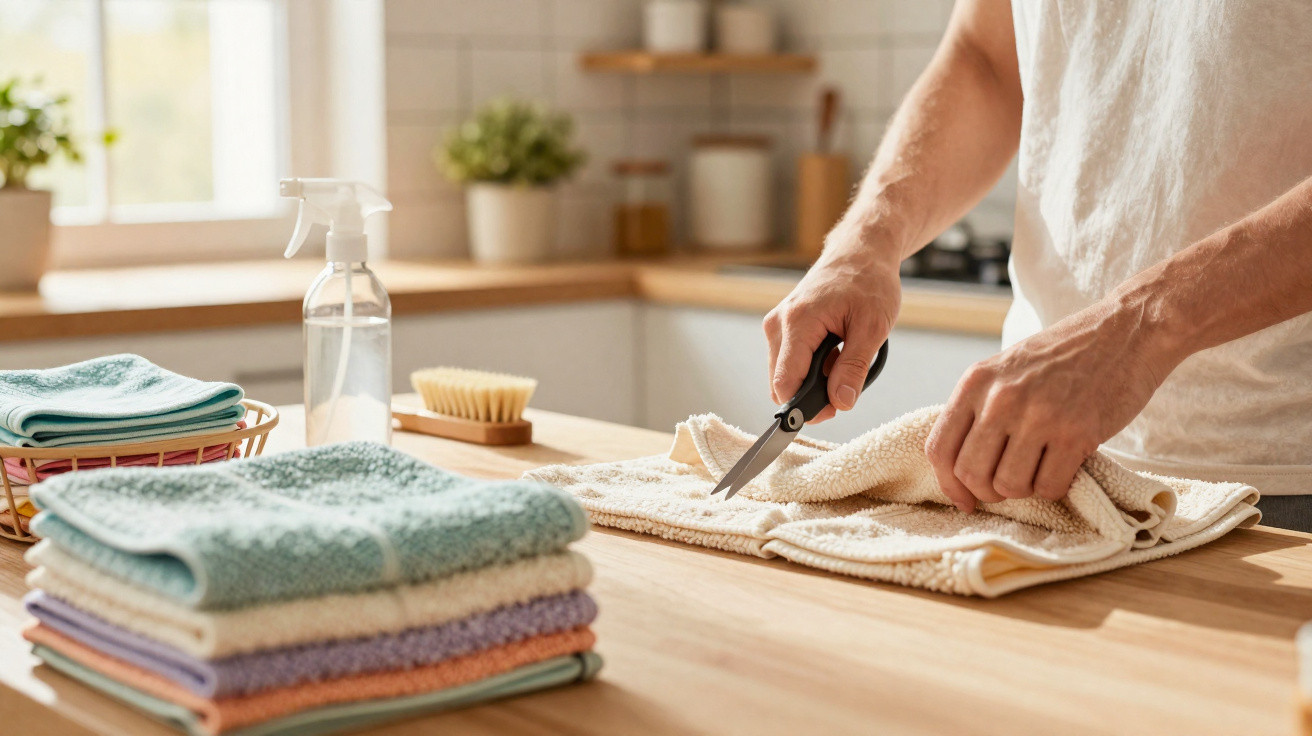
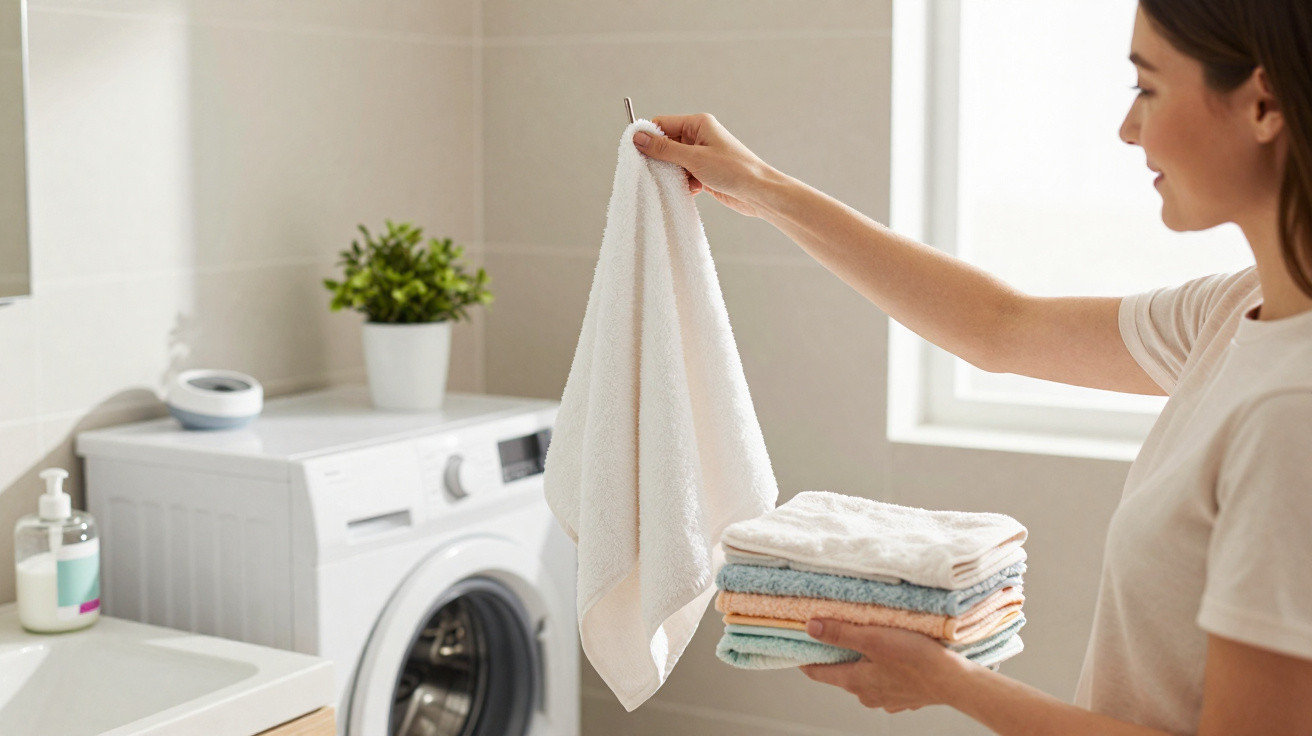
A bath towel that has become rough may initially seem destined for the textile bin. Its fibres have hardened, its colour has faded and it no longer feels soft. Although unpleasant against the skin, it can be unexpectedly useful around the home. This exact material can be turned into a reusable cover for flat floor wipers, replacing disposable wipes with ease.
People using a Swiffer-style floor wiper in particular often reach for ready-made wet or dry wipes. They are convenient, but costly and produce a great deal of waste. Every cleaning session costs money and creates packaging as well as used wipes that end up in general waste.
“One large bath towel can provide several reusable wiper covers – and can therefore replace hundreds of disposable wipes each year.”
Sustainability authorities have stressed for years that waste is reduced most effectively when it is not created in the first place. Making sensible use of old textiles tackles the issue at precisely that point. The towel changes from an unwanted old item into a practical household tool.
Why terry cloth cleans so effectively: a look at the fibres
The secret lies in the terry cloth itself. Bath towels are generally made from cotton with small loops, the familiar raised tufts. In household cleaning, this structure acts like countless tiny hooks.
- The loops catch dust, hair and crumbs.
- Cotton absorbs liquid effectively.
- The surface is sufficiently hard-wearing to withstand many washes.
While numerous disposable floor wipes are made with synthetic fibres, cotton draws water and dirt deep into its fibres. The towel performs in a similar way to the professional mop heads and string mops used by cleaning companies.
“The loops in terry cloth act like a dense net: they hold on to dust instead of merely pushing it around.”
This particular combination of absorbency and mechanical dirt collection makes old bath towels ideal for:
- Dry dusting tiles and laminate flooring
- Damp mopping kitchens and hallways
- Removing light marks without using much water
The real cost of disposable floor wipes for a household
A household that mops twice a week and uses two wipes each time can quickly get through more than 200 floor wipes annually. Many branded options cost between 30 and 40 cents each in shops. The expense soon adds up.
| Use | Quantity per year | Estimated cost |
|---|---|---|
| Disposable floor wipes | Approx. 208 pieces | Approx. €60–80 |
| Bath towel used as a wiper cover | 1 large towel | €0 (already available) |
One large bath towel measuring around 70 × 140 cm can be cut into several covers or plenty of smaller cloths. These pieces will withstand dozens of washes at 60°C. There are virtually no ongoing financial costs beyond a little detergent and water, which are already being used for other laundry.
Step by step: turn a towel into a no-sew wiper cover
No sewing machine or special skill is needed for this conversion. An ordinary flat floor wiper is enough, such as the familiar type with clamp openings or rubber grips for disposable wipes.
Prepare the materials
- 1 old cotton bath towel
- 1 flat floor wiper
- Scissors
- Pen or tailor’s chalk
- Tape measure or ruler
Lay the bath towel flat on the floor or a table. Position the wiper head in the centre of the fabric. Roughly trace around it, allowing an extra 5 to 7 cm on every side. This allowance is needed to clamp the cover in place securely.
Then neatly cut out the rectangular section. If you intend to make several covers, carefully measure with the tape measure and mark every rectangle before cutting.
Cut notches for a more secure fit
Next, make a small straight cut of around 2 cm at each of the four corners of the cut-out rectangle. These notches make it easier to secure the fairly thick terry cloth in the wiper’s holders.
Now place the wiper head onto the cut piece. Fold the long sides of the fabric over the head. Then press the overhanging fabric edges into the rubber grips or clamp openings where the disposable wipes would normally be attached.
“The short cuts at the corners let the fabric sit around the head without tension while still holding it firmly in place.”
After cleaning, the cover can be removed in one quick movement and placed straight in the laundry basket. There is no fiddling about and no wear on the holders.
Everyday mopping: dry, damp or properly wet?
How it should be used depends on the floor type and how dirty it is. Terry cloth performs differently when dry than when moistened.
Dry cleaning for dust and pet hair
When dry, the cloth works much like a static disposable wipe. Dust, hair and fine dirt cling to its loops. A quick dry pass can make a major difference, especially in homes with pets or children.
A practical routine for high-traffic spaces such as hallways or kitchens is:
- First pass with a dry cover to collect hair and crumbs.
- Second pass with a lightly damp cover to tackle marks and dull residue.
Damp cleaning on tiles, laminate and parquet
For tiles, PVC and laminate flooring, the cover can be made somewhat wetter. It is important to wring it out thoroughly so that no layer of water remains on the floor. Delicate parquet only needs very light dampening. The surface should be dry again within a few minutes.
Anyone who prefers the traditional bucket method can simply carry on using their usual cleaning bucket or one with a wringer attachment. The piece of bath towel is treated like a standard cleaning cloth, except that it is held firmly on the wiper.
Care, hygiene and a simple DIY cleaner
Once used, the cover goes into the wash. Ideally, wash it at 60°C with other household textiles, such as tea towels or bed linen. It is best to avoid fabric conditioner because it leaves a coating on the fibres and reduces absorbency.
Those who like a scented cleaning routine can prepare a small supply of damp cloths in advance. Here is how:
- Have an airtight screw-top jar or container ready.
- Pour in a mixture of one-third household vinegar and two-thirds water with as little limescale as possible.
- Optionally add a few drops of lemon essential oil.
- Place several cut towel covers in the liquid.
Before mopping, wring out the cloth well, fit it to the wiper, then wash it with the rest of the laundry after use. This effectively creates “reusable wet wipes” without additional plastic packaging.
“A jar of prepared wiper covers means a quick freshen-up clean is always ready – entirely without disposable products.”
What if the towel is very thick or very thin?
Not every old towel is of the same quality. Some are exceptionally thick, while others are almost see-through. This affects both handling and results.
- Very thick towels: Cut them slightly more generously and make the corner cuts 1 cm deeper. This makes the fabric easier to clamp in place.
- Very thin towels: Consider using two layers by placing two pieces together and clamping them in at once. This improves absorbency and makes the cover less likely to slip.
If you have several towel types in the cupboard, it is worth testing which material best suits your own floors. Thicker qualities often work particularly well on smooth tiles, whereas thinner cloths provide a gentler clean on delicate real wood.
Environmental and practical side benefits
Repurposing old towels has benefits on several levels. Fewer disposable wipes mean less transport, less packaging and less general waste sent for incineration or landfill. It also frees up space in the cleaning cupboard because bulky packs of refill wipes are no longer needed.
There is another advantage: household dust and cleaning chemicals can be managed more carefully. Anyone mixing their own cleaner knows exactly what ends up on the floor. Families with young children or pets especially appreciate this, as hands and paws are often in direct contact with the floor.
The psychological aspect is also interesting. Once you have seen how well an old bath towel works, you start viewing other potential discards around the home differently. Worn tea towels, old cotton T-shirts and thin calico cloths can suddenly take on new roles as dusters, polishing cloths or window-cleaning aids.
This creates a kind of textile cycle within the home: new towels eventually move to the cleaning shelf before they truly need to be discarded. Over time, this not only reduces the volume of waste but also lowers the reluctance to invest in slightly better-quality textiles, knowing they will later have a second life as household helpers.






Comments
No comments yet. Be the first to comment!
Leave a Comment