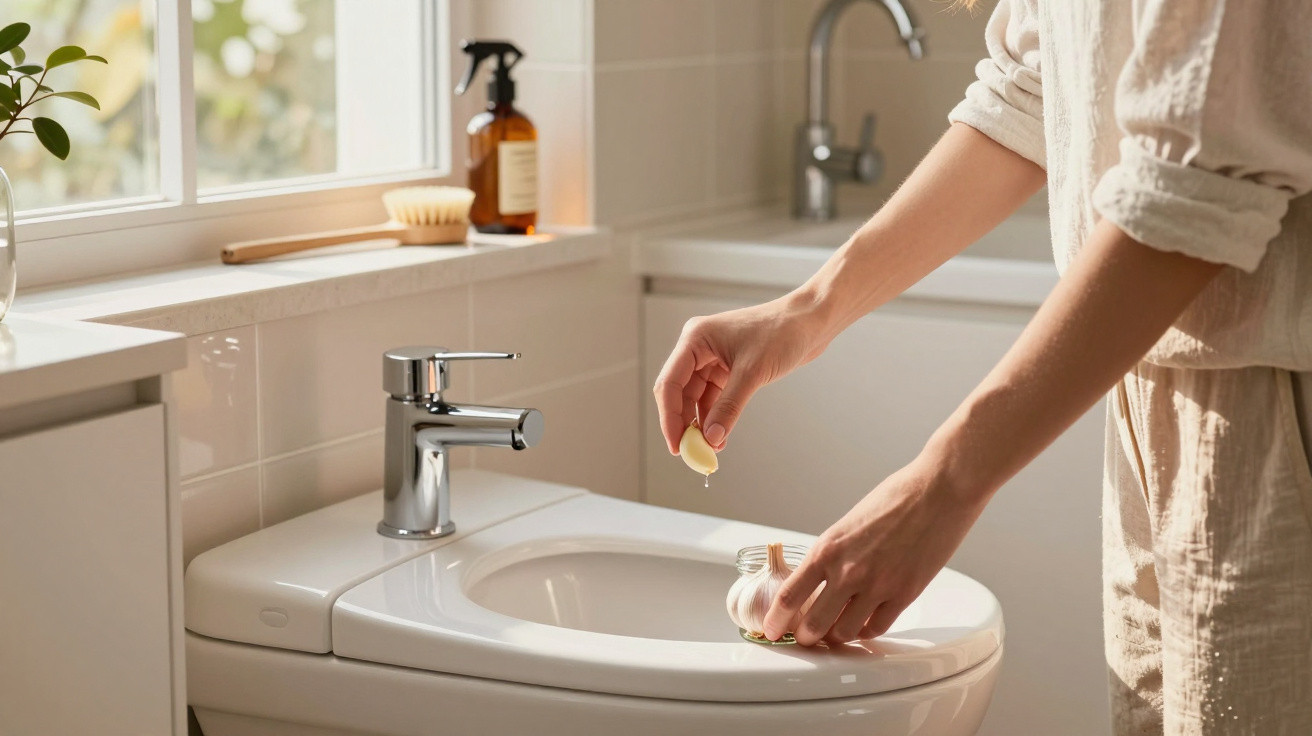
Using garlic in the toilet bowl has attracted attention on social media and in informal discussions about household care. The method is straightforward: place a garlic clove in the toilet before bed so it can sit overnight as a natural cleaning aid. It appeals particularly to people seeking options with fewer chemical products and who enjoy trying inexpensive household tips.
How does using garlic in the toilet bowl work?
When a raw garlic clove is crushed and comes into contact with water, it releases its characteristic sulphur compounds. These substances have been examined in laboratory settings for their potential effects on certain bacteria and fungi, leading many people to link garlic with hygiene in damp areas such as bathrooms.
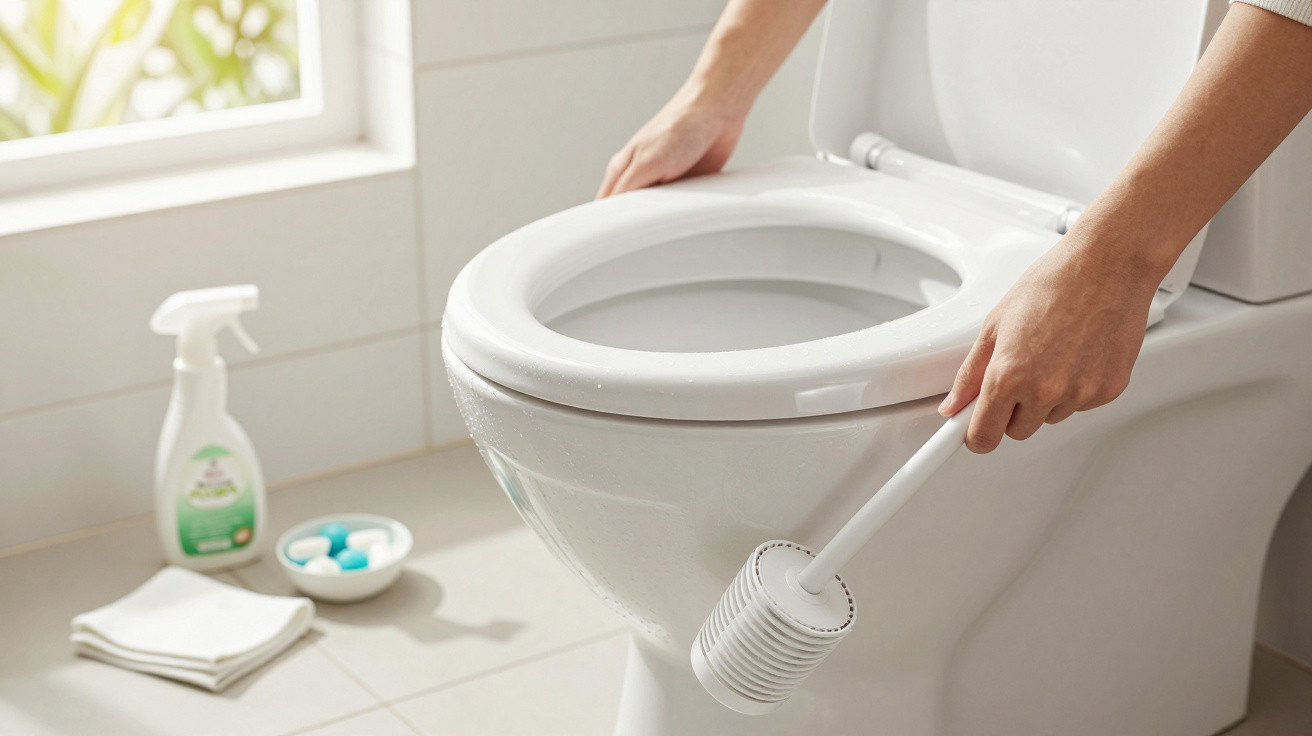
In practice, the clove is peeled, gently crushed and left in the toilet water during a period when the toilet is unlikely to be used, usually overnight. The toilet is flushed several hours later, allowing the water that has been in contact with the garlic to move around the inside of the bowl. However, its effect is restricted by dilution and its limited contact with the surfaces.
Does garlic in the toilet bowl actually make the bathroom cleaner?
For this purpose, garlic should only be considered an additional measure. It may make a modest contribution to reducing mild odours and partially affecting microorganisms, especially in bathrooms that are already cleaned routinely with brushing and suitable products.
However, garlic is not a replacement for registered disinfectants. It will not remove old build-up or deal with stubborn stains, limescale or rust. In homes with very damp bathrooms, ageing plumbing or heavy use, it serves only as an extra support within a more thorough cleaning routine.
How to use garlic in the toilet bowl step by step
Anyone wishing to try this tip safely can follow a short process to keep it organised. This allows garlic to be used without overdoing it, without risky combinations with chemical cleaners, and with less chance of blockages or excessively unpleasant smells.
- Choose the garlic: select a fresh, firm clove with no mould or signs of deterioration.
- Prepare the clove: peel it and crush it lightly to release its aroma and compounds.
- Pick the time: put the garlic into the toilet during a low-use period, preferably at night.
- Leave it to work: keep the clove in contact with the water for several hours without flushing.
- Flush the toilet: in the morning, flush to remove the water and any garlic fragments.
Some people instead boil garlic cloves in water, allow the liquid to cool, and pour it into the toilet, placing the pieces in the food-waste bin. This approach is intended to distribute the solution more evenly around the inner sides of the bowl, without leaving larger debris in the pipework or placing extra strain on older systems or septic tanks.
How can garlic be included in a bathroom cleaning routine?
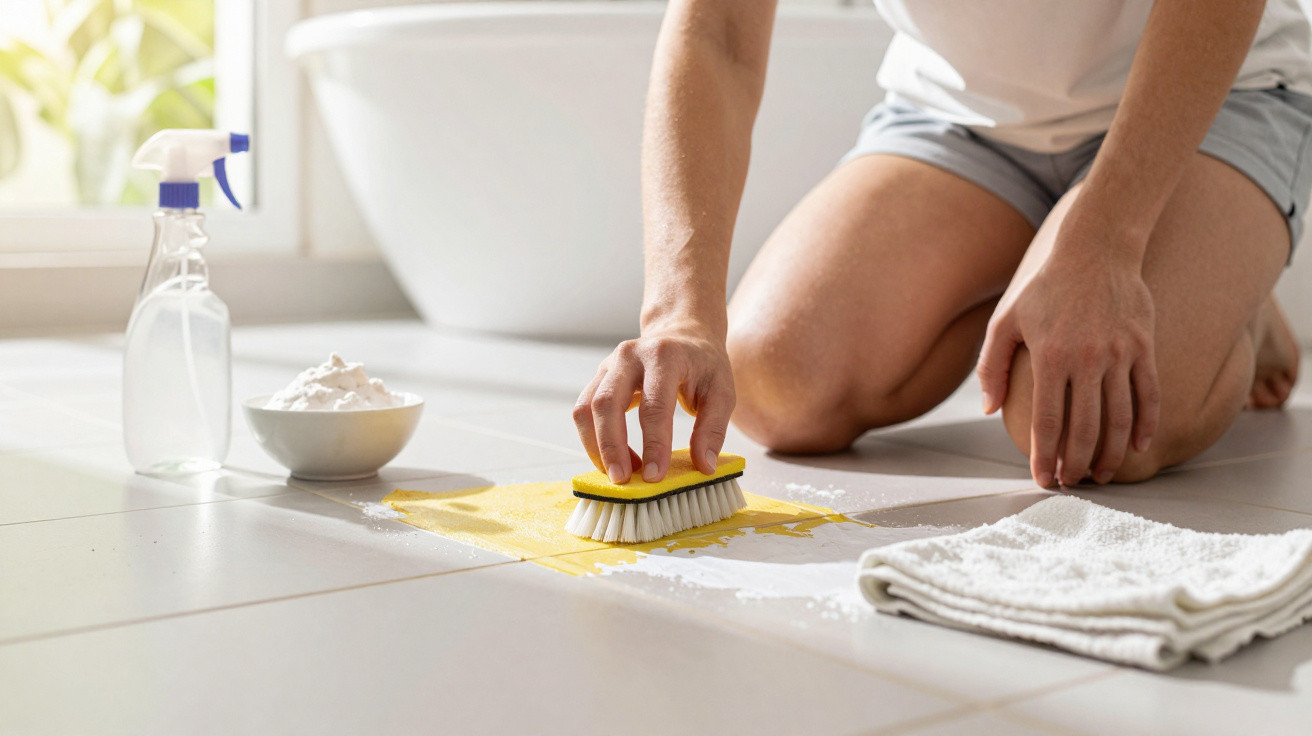
For a balanced approach, garlic should be regarded as a supporting option within a wider set of cleaning measures. Good ventilation, regular washing of floors, walls and drains, plus periodic brushing of the toilet, remain the basis of a clean bathroom with fewer unwanted odours.
In lightly used household bathrooms, occasional use of garlic may help the room feel fresher between more thorough cleans. In shared or heavily used bathrooms, it is more appropriate to follow procedures using professional products and, where necessary, speak to a plumbing maintenance specialist about persistent odours or deposits.




Comments
No comments yet. Be the first to comment!
Leave a Comment