The spider plant perched on the toilet cistern looked… smug.
Its leaves were glossy, curved and bursting with life. In the living room, just two doors away, its “twin” occupied a stylish ceramic pot, with soil drying around the edges, browned leaf tips and the appearance of having survived three harsh winters. Same flat, same owner and same tap water. Different room, completely different outcome.
When I asked plant specialists about this strange bathroom miracle, every one of them laughed knowingly. “Oh yes, the bathroom overachievers,” one botanist called them. An interior stylist confessed that she “quarantines” new plants in the bathroom, simply to see them burst into leaf before relocating them somewhere more on show.
It poses a question rarely raised in plant-care guides. Perhaps your plants do not dislike you. Perhaps they simply like your bathroom better.
Why your bathroom feels like a plant spa
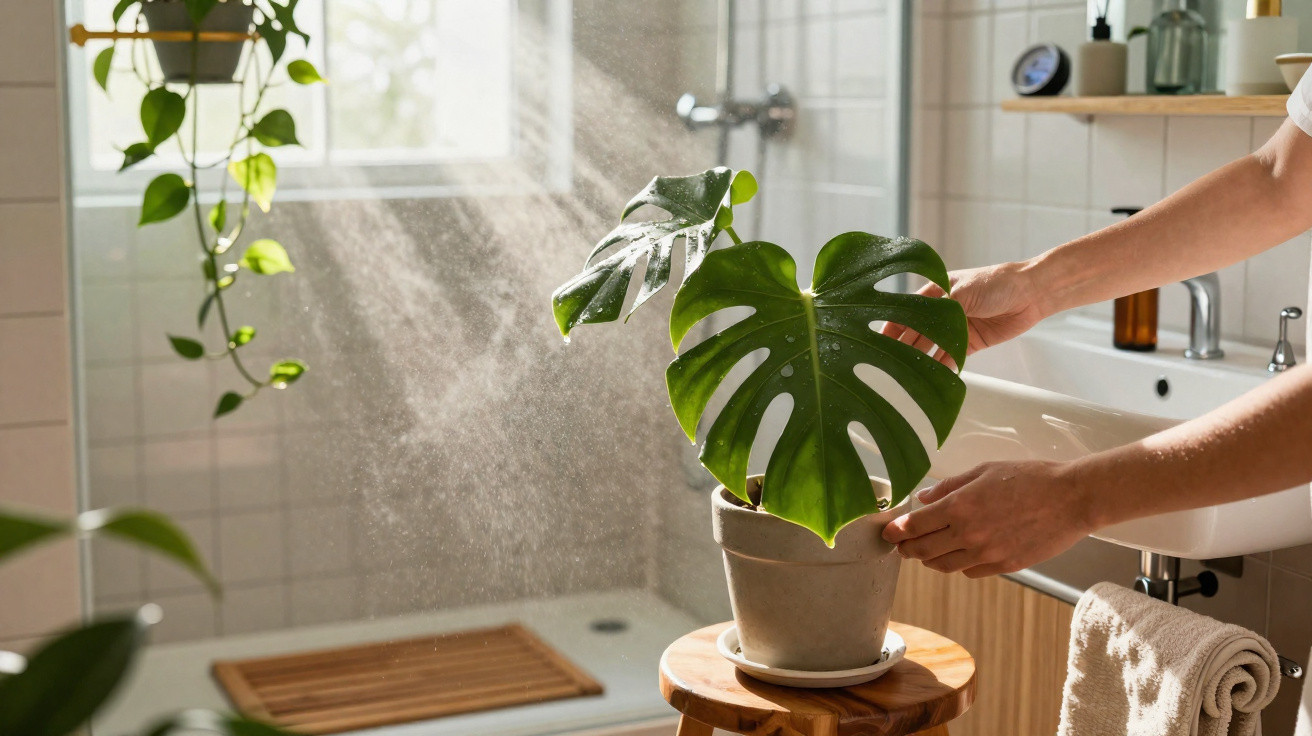
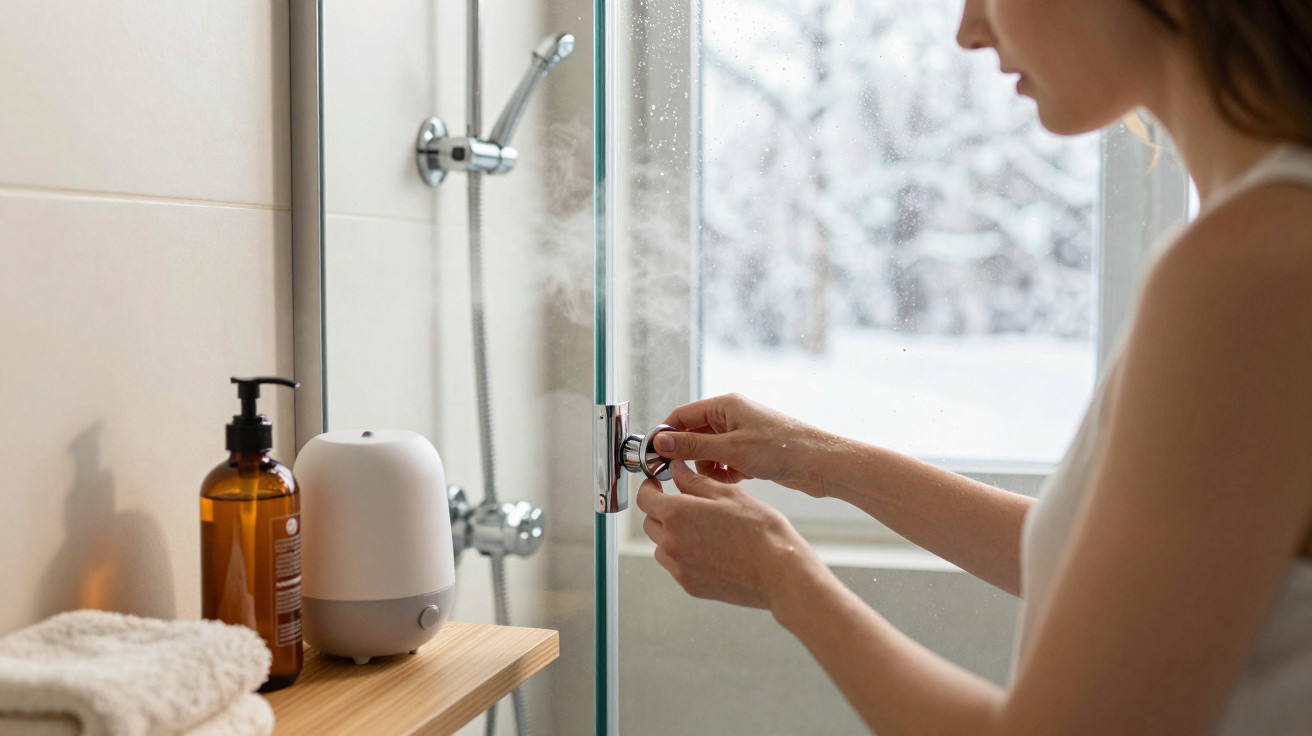
Step into the bathroom after a shower and you feel it immediately: warm, dense air and a fine mist lingering on the mirror. For plenty of houseplants, that is not an inconvenience but a five-star spa experience. Much of the greenery we bring home – pothos, ferns, peace lilies and philodendrons – originates in tropical understories, where the atmosphere is warm and laden with moisture.
In a living room, where radiators hum and draughts seep through large windows, leaves steadily lose water hour after hour. Bathroom steam has the reverse effect. It slows that moisture loss, meaning plants do not need to work as hard to remain hydrated. The difference becomes apparent in their foliage long before it is obvious at a glance.
Plant stylist Alice Vincent says she can often identify a bathroom in a photograph before reading its caption. “Those super shiny, almost lush-for-no-reason leaves? Nine times out of ten, they’re in a bathroom,” she said. She uses a rotation system, giving delicate, humidity-loving plants their first home on a high bathroom shelf, where they can absorb shower steam.
One of her London clients, who works in tech, believed he had a “black thumb” after losing three ferns in a bright, airy lounge. Alice persuaded him to try once more, this time placing a new fern in a compact tiled bathroom with a small frosted window. “He sent me photos every week like proud baby pictures,” she laughs. Within three months, the fern had doubled in size. His original living-room Fern Cemetery? Still empty.
There is a behavioural element, too. We generally spend less time in bathrooms, which means we tend to meddle less. There are fewer impulsive waterings “just in case”, fewer changes of position and less constant fussing. Instead, plants experience a steadier pattern: consistent light, a similar temperature range and regular humidity peaks from showers. By contrast, living rooms are chaotic microclimates, with open windows, gatherings, candles, heaters and fans.
Botanists describe the reason in straightforward terms. Plants release water through minute pores in their leaves. When the air is dry, those pores work harder and the plant draws extra water from its soil, putting strain on its roots and foliage. High humidity – enough to steam up the mirror – allows those pores to ease off. Rather than focusing on emergency hydration, the plant can direct energy towards growth. That apparent bathroom “miracle” is biology, not magic.
How to turn your bathroom into a plant powerhouse
To make your bathroom the house’s high-performing plant corner, begin with one essential principle: choose plants for the conditions you actually have, rather than the bathroom on your ideal Pinterest board. Focus on three factors: light, humidity and temperature. They are what matter most.
Have a dark bathroom with only a small frosted window? Choose low-light champions such as pothos, ZZ plant, snake plant or peace lily. If your bathroom is filled with morning sunlight, ferns, calatheas, orchids and even smaller monstera plants may flourish. Select one, position it away from constant splashing, then observe it for several weeks rather than changing ten things at once.
The simplest routine is usually the most effective. Shower normally, leave the door shut briefly to allow steam to accumulate, then open it slightly so excess moisture can disperse. If leaves remain wet for hours, wipe away visible condensation. That is all. You do not need expensive humidifiers or rituals that feel like a part-time job.
This is where many people go wrong: they care for bathroom plants exactly as they would plants in the living room. Bathrooms already provide humidity at no cost, so watering can be gentler and less frequent. Overwatering in a humid space is like putting a raincoat on someone already sweating. Roots remain in permanently wet compost, oxygen levels fall and rot develops unnoticed. Let’s be honest: nobody really does this every day, but testing the compost with a finger before watering remains the best low-tech check.
Light is another consideration. Frosted glass and small windows are common in bathrooms, making it tempting to decide they are “too dark for plants”. Experts disagree. The key is not Instagram-worthy brightness but reliable conditions. Soft, diffused light can support a plant adapted to growing on a jungle floor. Opening the blind every morning may be more useful than pursuing the “perfect” south-facing window.
On an emotional level, bathroom plant care works differently as well. You are not repeatedly looking at plants while watching television and worrying because they seem slightly limp. That distance can prevent the urge to love them to death. You walk in, notice a plant looking unexpectedly perky and experience it as a success rather than another task. This quiet, background approach is often exactly what plants respond to.
“Bathrooms are underrated plant habitats,” says indoor horticulture expert Dr. Lauren Garcia. “They give you humidity spikes twice a day, stable temperatures, and fewer drafts. For many tropical plants, that’s much closer to ‘home’ than a stylish but dry living room.”
Treat your bathroom as a small jungle laboratory and adjust a few straightforward details:
- Raise plants off cold tiled floors using stools or shelves to reduce temperature fluctuations.
- Use pots with drainage holes, even when they are concealed inside decorative cache-pots.
- Group plants so they form their own humid micro-bubble of air.
- Keep pots away from direct shower spray and blasts from a hairdryer.
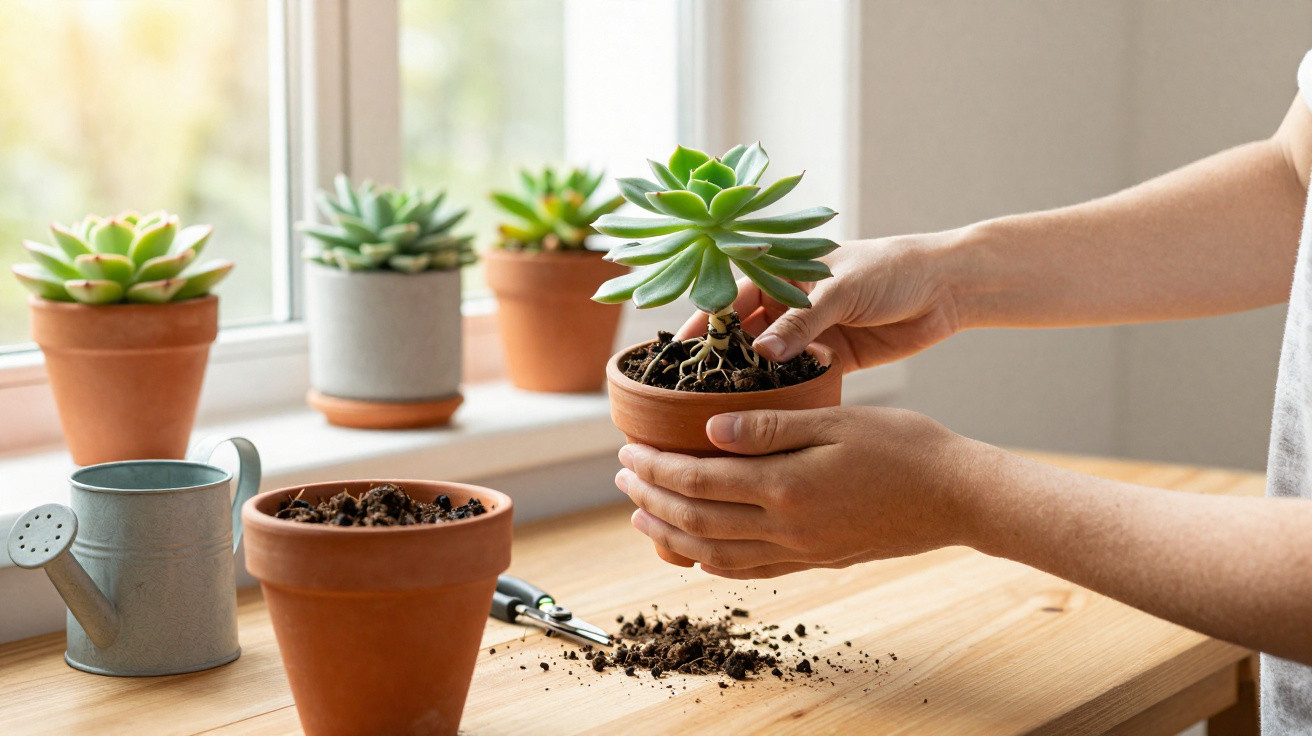
- Rotate plants between the bathroom and living room once they are stronger, if that suits you.
What bathrooms reveal about how plants really live
Plant scientists repeatedly return to one quietly radical point: plants have no interest in our decorating categories. “Living room”, “bedroom” and “bathroom” are labels we impose on a home. Plants only encounter air, light, water and surfaces. The contrast between bathroom and living room offers a clear example of how microclimates affect growth, even across only a few metres.
It also reveals a modest myth within the world of polished interiors. Images of enormous monsteras beside velvet sofas conceal the fact that many of those plants grew large in back rooms, stairwells or, yes, bathrooms before being arranged for the photograph. Many professionals discreetly move demanding plants into humid corners to recover, returning them to their display spot once they are camera-ready. Seen in that light, your own struggling living-room plants may not seem like failures. They may simply have been placed in the wrong setting.
More personally, bathrooms allow both plants and people to be a little less perfect. Leaves may emerge slightly torn, condensation may speckle the mirror and roots may grow more freely. On a grey Monday morning, brushing your teeth alongside a flourishing fern or a pothos that has suddenly doubled in length can feel surprisingly grounding. It is a gentle reminder that growth often takes place when nobody is watching, in parts of the house – and life – that seldom reach the main room.
| Key point | Detail | Why it matters to the reader |
|---|---|---|
| Natural steam bath | Humid air from showers reduces water stress and encourages growth | Understand why certain plants literally “explode” with growth in the bathroom |
| Soft yet consistent light | Frosted windows and small openings provide regular diffused light | Know which plants to choose for these seemingly “difficult” conditions |
| Less human interference | Fewer visits, less compulsive watering and a more stable climate | Adapt your habits to stop “over-loving” your living-room plants |





Comments
No comments yet. Be the first to comment!
Leave a Comment