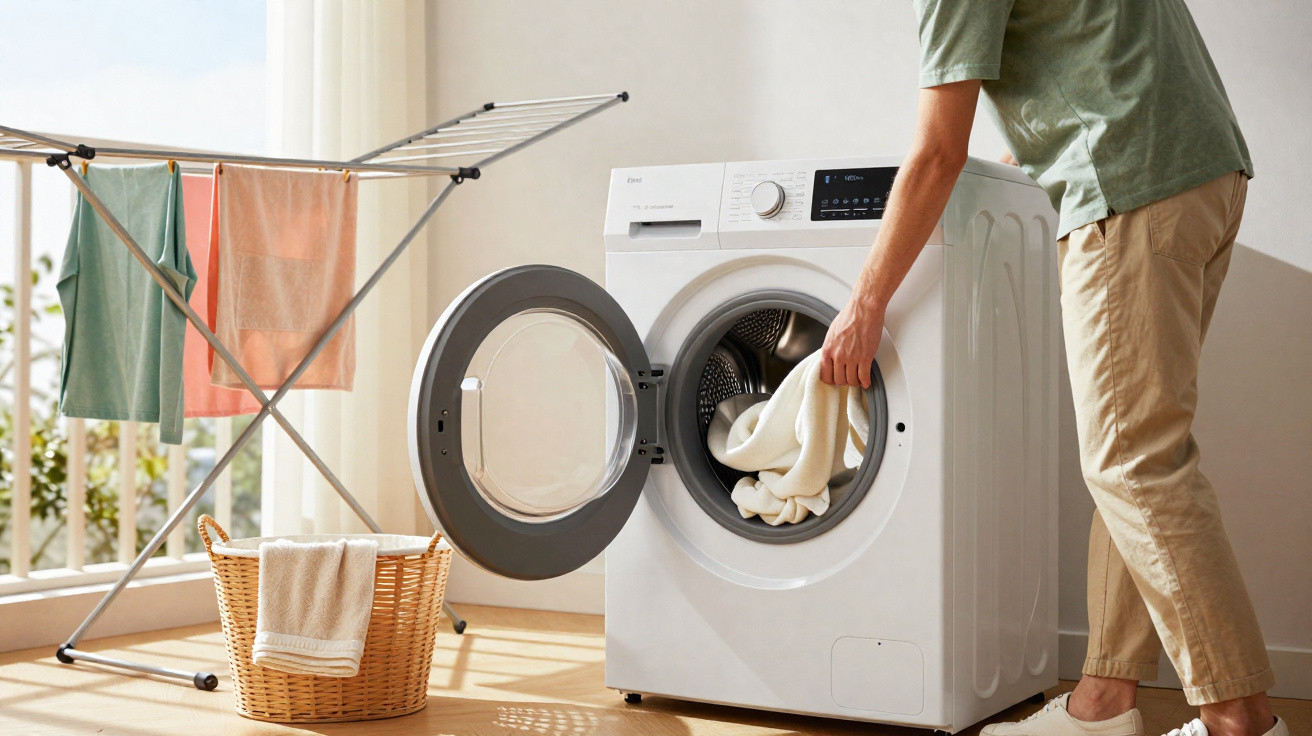
The double spin technique involves running an additional spin cycle once the wash has finished. By removing more water from the fibres before putting garments on the washing line, this method shortens drying time in flats, enclosed utility rooms and during rainy weather, without using the heat of a tumble dryer.
Why does a second spin cycle speed up drying?
During spinning, the drum rotates at high speed, pushing water out of the fabric through the machine’s small holes. Modern washing machines run wash, rinse and spin programmes, with the final stage removing excess water before clothes are hung up.
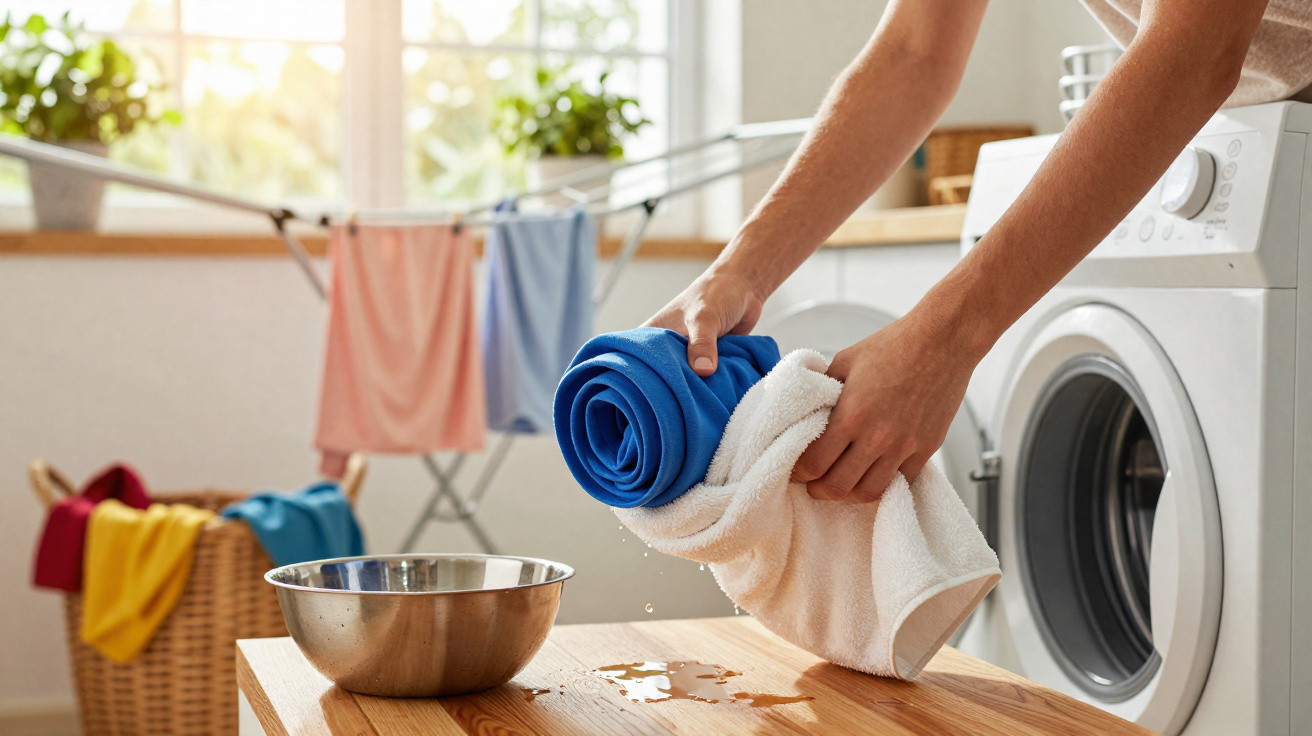
Repeating this stage releases some of the moisture still trapped between the fibres. Clothes come out lighter and less saturated, so there is less water left to evaporate on the washing line.
- Removes additional water from seams, pockets and thick fabrics;
- Cuts the amount of time garments stay damp;
- Helps prevent odours caused by overly slow drying;
- Uses far less energy than a heated drying cycle;
- Makes drying easier in rooms without direct sunlight.
How to carry out the double spin correctly
Once the wash programme has ended, leave the clothes in the drum and select the spin-only function. Choose the highest speed permitted by the garment care labels and the machine manual, balance the load evenly, then wait for the extra cycle to finish before taking everything out to the washing line.
- Check that no items are tangled or gathered on one side;
- Do not exceed the washing machine’s stated capacity;
- Select the spin-only setting;
- Use a high spin speed only for hard-wearing fabrics;
- Remove and hang the clothes as soon as the cycle ends.
Which fabrics cope best with maximum spin speed?
Cotton, denim, towels, bed linen and durable synthetic garments can generally withstand a more intensive spin. Sweatshirts and heavy trousers also often benefit, as they hold a considerable amount of water in their fibres, waistbands and seams.
Check the care label before setting the speed. Excessively high spinning can increase creasing, wear down elastic or distort garments not designed for vigorous movement.
Which items need care during the extra cycle?
Wool, silk, lace, bras, delicate knitwear and clothes with embroidery or loose embellishments may lose their shape or suffer excessive friction. For these garments, choose a low spin speed, use a protective laundry bag where suitable, or skip the second spin cycle altogether.
- Keep delicate fabrics separate from towels and denim;
- Follow the speed stated on the care label;
- Avoid spinning wool at the highest speed;
- Do not repeat the cycle for items with weakened seams;
- Stop using the method if a garment becomes misshapen or worn.
Spacing on the washing line completes the technique
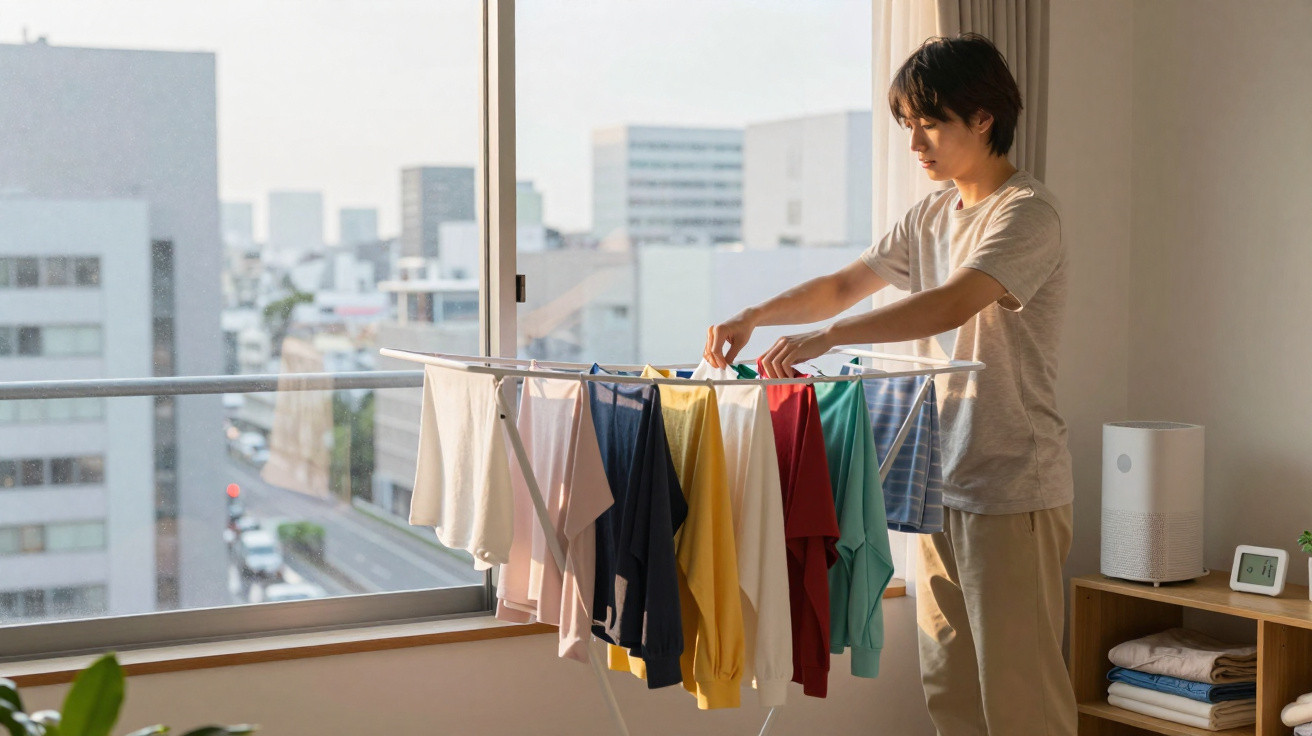
Even after the extra water has been removed before hanging clothes, airflow is needed to finish the drying process. Shake out every item, open pockets and hoods, and leave gaps between garments, avoiding overlaps that trap vapour and extend dampness.
The double spin is preparation for the washing line rather than a replacement for complete drying. With an open window, a fan aimed into the room and clothes properly spaced out, moisture leaves the fibres more quickly, including in enclosed spaces without direct sunlight.







Comments
No comments yet. Be the first to comment!
Leave a Comment