Every evening, millions of people get into bed with a phone in their hand, flicking through mildly interesting posts and unfinished task lists while waiting for sleep to finally “kick in”.
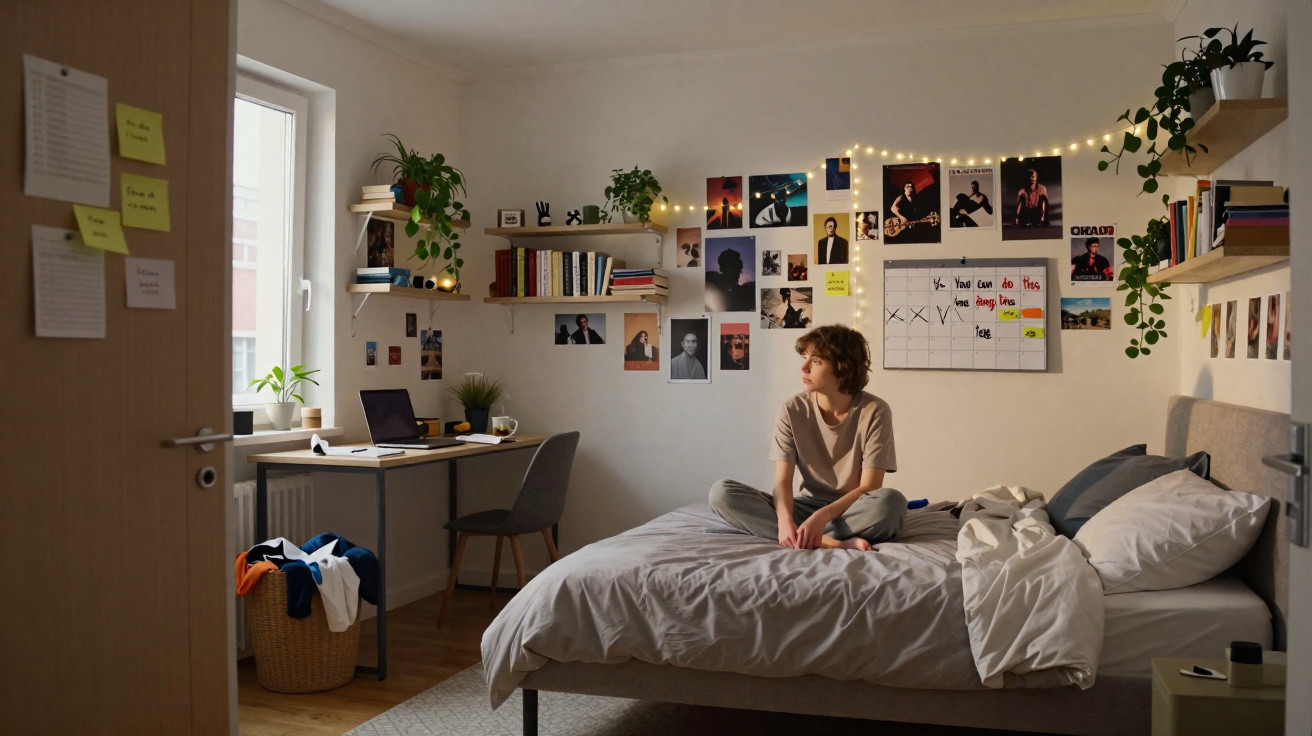
The bedroom appears comfortable enough: clean bedding, a plush pillow and a candle left over from last Christmas sitting on the bedside table. By all appearances, it has everything it needs.
Still, the mind whirs like a laptop that has never fully powered down. Thoughts keep circling: work emails, unanswered calls, the comment you meant to make earlier. Your eyes and body are exhausted, yet something refuses to switch off.
Then, almost accidentally, a minor bedroom adjustment can change the whole pattern. It costs nothing much and involves no clever technology; it is simply a quiet change that seems far too basic to have an effect.
Within a week, sleep can arrive sooner. Nights can seem more restorative, and mornings less punishing. It may feel magical, although there is nothing magical about it.
The difference lies in the small change to what your eyes are exposed to before they close.
The bedroom change your brain registers straight away
Step into an ordinary bedroom after dark and the picture is often familiar: illuminated screens, tiny LEDs and strips of streetlight slipping around the curtains. A room intended to signal “rest” can resemble a budget control room instead.
For many people, a remarkably effective way to improve sleep quality is to make the bedroom properly dark. Not merely slightly dim, and not just with the main light off: aim for genuine, near hotel-standard darkness.
It may sound unremarkable, even dull. But after trying complete darkness for a week, what used to feel normal may suddenly seem bright and distracting.
Sleep doctors often share one story. In a sleep laboratory, a group of people spent several nights under observation. On one night, researchers attached a tiny light - roughly coin-sized - behind their knees. It sounded harmless, but sleep quality fell. A separate group slept with a small light in the room and said they felt less refreshed, despite not consciously recalling the light.
Away from the laboratory, the effects can be less obvious. One person installs blackout curtains and finds they wake just once a night rather than three times. Another covers the small blue light on their router and no longer wakes at 3:17 a.m. without any clear reason.
The change is seldom dramatic. It is more like lowering a constant hum you never realised existed, until quiet takes its place.
The explanation is starkly straightforward. Our brains still operate using ancient programming. Thousands of years in which brightness meant day and darkness meant night do not disappear simply because we own smartphones. In a darker bedroom, the brain produces more melatonin, the hormone that tells the body, It’s safe to go offline now.
Even faint light from a digital clock, a lamp in the hall or a streetlamp outside can muddy that signal. The body does not settle completely, the heart rate remains slightly elevated, and sleep stays lighter - making you easier to wake and leaving you less able to recover.
So the small adjustment that supports better sleep is not another device. It is recognising darkness as a genuine sleep ingredient rather than an optional finishing touch.
How to make your bedroom a proper sleep cave
The practical step that can make the biggest difference is to arrange your bedroom so you can put it into near-total darkness in under a minute at night. Treat it as a “sleep mode” for the room, much like the one on your phone.
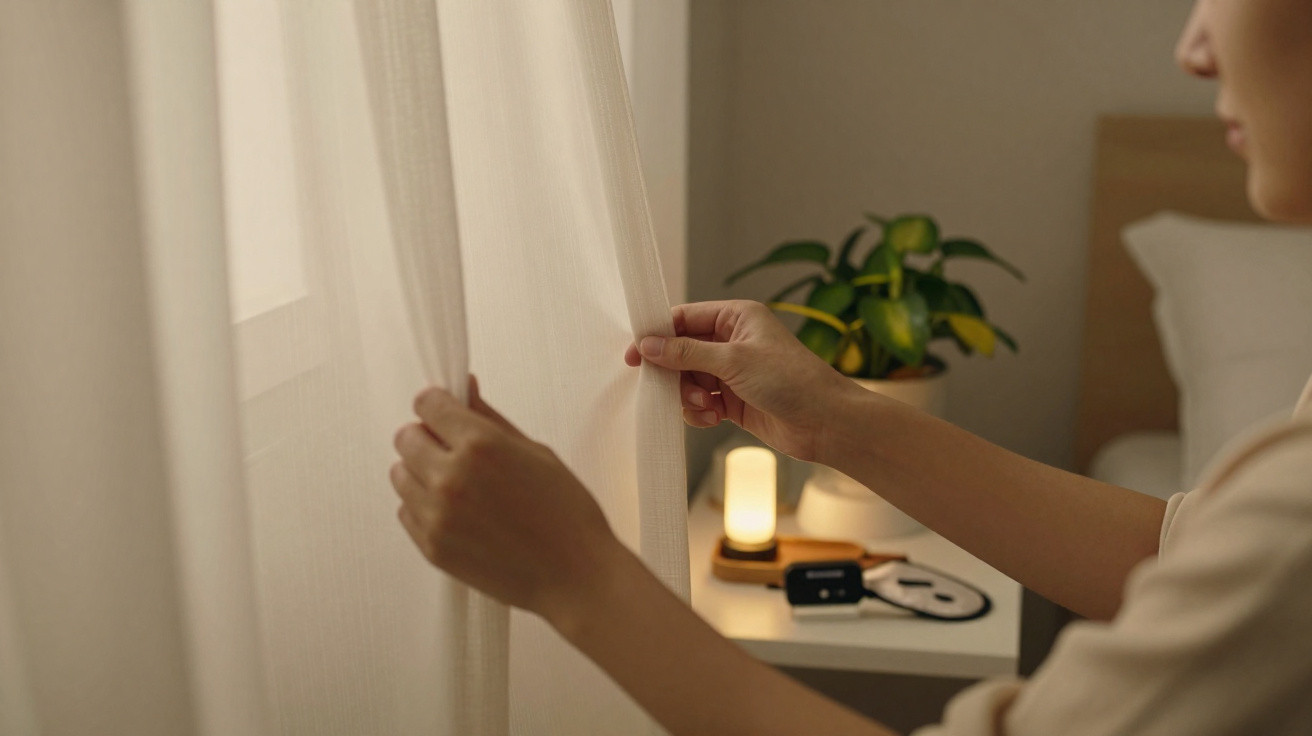
Begin with the largest source of light: the window. Heavy curtains or blackout blinds can be transformative. Where those are not possible, a low-cost alternative is a portable blackout blind or a temporary two-layer curtain arrangement. It need not look like a luxury hotel to perform like one.
Next, track down artificial glows. Plug-in night lights, extension leads, chargers and television standby lights are all small signals your brain can register without you noticing. Covering them with tape, using a cover or unplugging anything that does not need to run overnight can substantially alter the room’s atmosphere.
Many people attempt to sleep better by buying a mattress, pillow spray or costly alarm clock, then feel quietly let down when no major improvement follows. At the same time, their bedroom may still resemble a small airport runway at 2 a.m.
The first common error is having a television or bright monitor in the bedroom. Even when it is supposedly off, using it late teaches the brain to connect the room with stimulation rather than rest.
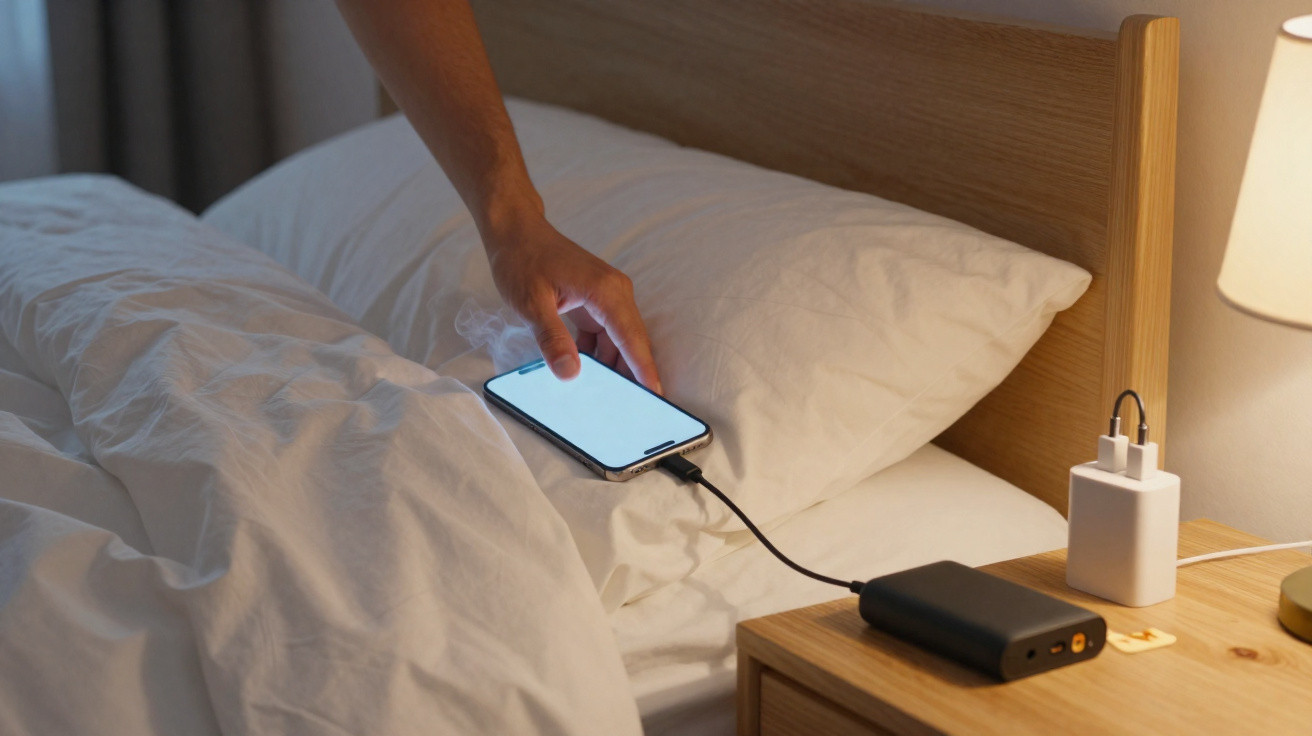
The second is using a phone as a bedside clock with its screen facing upwards on the bedside table. A single notification can light up the room, return the brain to daytime mode and disrupt any prospect of deep sleep. Let’s be honest: nobody really manages this every single day, but simply turning the phone face-down can help.
Feeling uneasy about total darkness at first is entirely normal. Use an extremely dim, warm-coloured light positioned away from your face, or place a salt lamp in a corner at its lowest setting. The aim is not to make a cave that frightens you, but to create a secure dark setting your body can rely on.
“We don’t just sleep in darkness. We sleep because of darkness,” says one sleep researcher. “Light is not neutral for the brain. It’s a message.”
A few modest, practical actions can shape that message in ways that work with everyday life. There is no need to redesign the entire room or live like a monk - only to make several choices that steadily improve your nights.
- Select the darkest window covering you can reasonably buy or create.
- Hide or remove the three brightest artificial lights in the bedroom.
- Keep your phone at least an arm’s length from your pillow.
- Replace bright white bulbs near the bed with warmer, softer lighting.
- Try a sleep mask for one week, even if you doubt it will help.
On a difficult day, doing all of this may not be realistic. That is alright: even one modest adjustment can move things towards more restorative rest.
What follows when the lights finally go out
When the bedroom becomes genuinely dark, a subtle change can begin. Nights may seem shorter, but in the best sense. You shut your eyes and, rather than hovering in half-sleep for an hour, you seem to “wake up” only when the alarm sounds, realising you remember very little of the night.
That is often an early indicator of improved sleep quality: less drama, fewer half-awake arguments with the pillow and more genuine rest. We have all known the moment when an alarm rings and feels like a personal attack. With better darkness, that sensation can ease - not every morning, but more frequently than before.
Naturally, a darker bedroom cannot solve every sleeping difficulty. Stress, pain and children waking in the night are still part of real life. However, this small change to the environment removes one struggle from the body’s workload. It is like cutting out background noise so you can finally hear your own thoughts.
You might also spot other effects: falling asleep slightly faster, waking just before the alarm on some mornings rather than being pulled from heavy sleep, and experiencing fewer sharp temperature changes overnight because the nervous system is calmer.
This is where a small routine becomes interesting. Pulling blackout curtains or putting on a sleep mask quietly tells the brain: “This is the part of the day where nothing more is expected from you.” It is a ritual, rather than merely a technique.
After experiencing more restorative sleep, some people begin guarding their nights in a different way. Late-night emails seem less pressing, while endless social-media scrolling struggles to compete with the prospect of a deeply dark, peaceful space in the next room.
And it all begins with one almost absurdly simple question: “What if my room were darker than I think it needs to be?”
| Key point | Detail | Benefit for the reader |
|---|---|---|
| Make the bedroom genuinely dark | Blackout curtains, sleep masks and less artificial light | Helps the brain release more melatonin and enter deep sleep |
| Remove small sources of light | Cover LEDs, turn the phone over and move screens away | Reduces brief awakenings and the feeling of fragmented sleep |
| Create a simple “sleep mode” | A few repeated actions each evening, taking under a minute | Establishes a clear ritual that helps the body switch off sooner |













Comments
No comments yet. Be the first to comment!
Leave a Comment