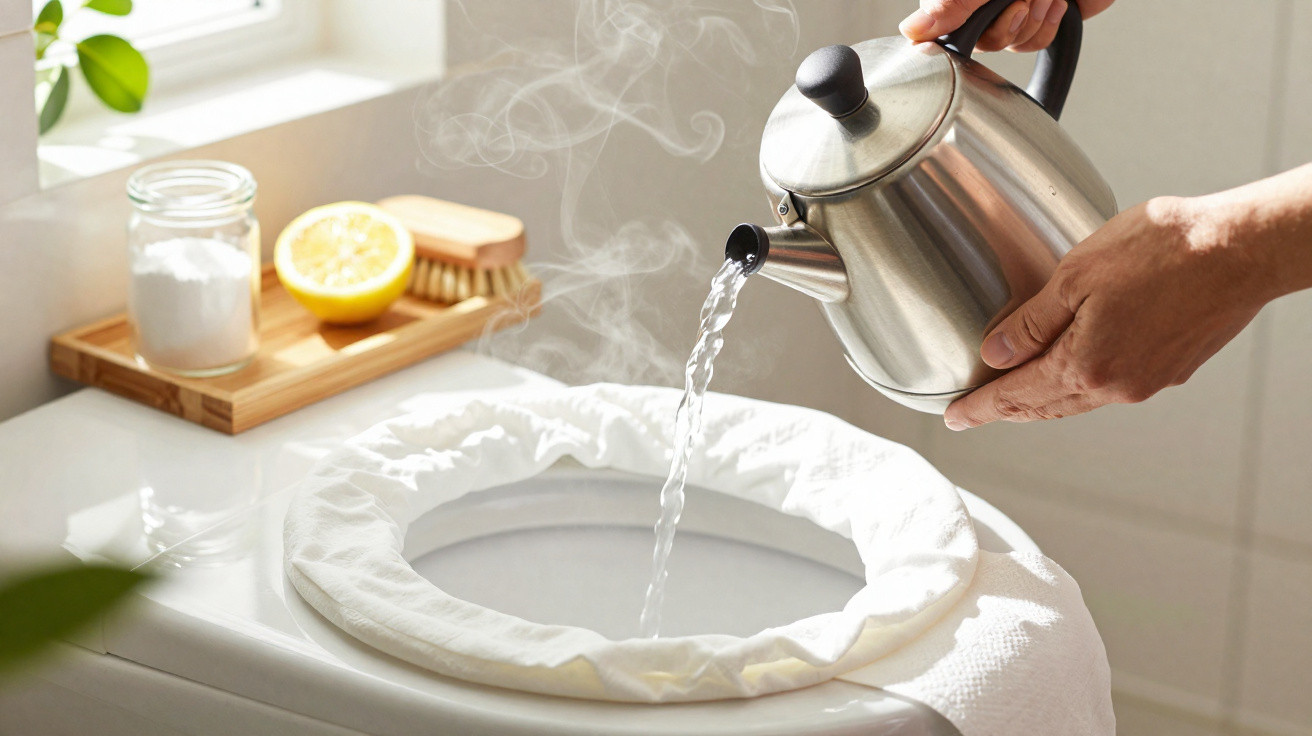
Boiling water, a roll of toilet paper and a persistent household issue: it may sound like an unlikely pairing, but an increasing number of families rely on it.
On social media and DIY forums, one unusual bathroom-cleaning routine comes up repeatedly: using toilet paper soaked in almost-boiling water to deal with an unnoticed problem. Although it appears improvised, the approach addresses a difficulty that affects many homes but is seldom discussed openly.
The hidden bathroom issue many families face
Bathrooms do not usually feature in family group chats unless something has gone wrong. Yet they create plenty of everyday irritations, including sluggish drains, lingering smells, dirty rims and yellow marks that refuse to disappear completely. Such problems can accumulate, particularly in households with children or several adults keeping different routines.
For many households, the real headache is a mix of odour build-up, hidden grime and partial blockages that cleaners alone don’t fix.
Cleaning products often advertise rapid “deep clean” results. In practice, many people hurry the job: they apply a chemical around the bowl, scrub for half a minute and hope that is enough. Residue can remain in the bend of the pipe, the overflow holes and beneath the rim. Those concealed deposits can hold on to unpleasant odours.
This is where the toilet-paper-and-boiling-water method can help: it keeps hot water against the affected area instead of letting it drain away within seconds.
How the boiling water and toilet paper method works
The principle is remarkably straightforward. Rather than tipping hot water directly into the toilet, toilet paper is used as a temporary “sponge” to retain heat and moisture precisely where it is needed.
Step-by-step: the basic method
- Heat a kettle until the water is very hot, but not bubbling vigorously.
- Pull off several long lengths of toilet paper and fold them into thick layers.
- Position the folded paper over stained or soiled sections, such as beneath the rim, around the inside of the bowl or over stubborn marks.
- Gradually pour the hot water on to the paper until it is saturated and sticks to the surface.
- Leave it for 15–30 minutes, then take away the paper and scrub gently.
The toilet paper acts like a hot compress: it traps heat and moisture against limescale, bacteria films and soap residues that usually resist quick cleaning.
The technique tackles two frequent problems at the same time. Heat helps loosen limescale, urine crystals and soap scum, while the longer contact period allows even mild cleaning products to work more effectively.
Why families say it reduces odours
Toilet odours do not usually come solely from the water in the bowl. They can settle into the microscopic texture of the ceramic, beneath the rim and within the first part of the drain. Families who have tested the technique say that several applications of hot compresses noticeably cut down persistent smells that air fresheners had failed to control.
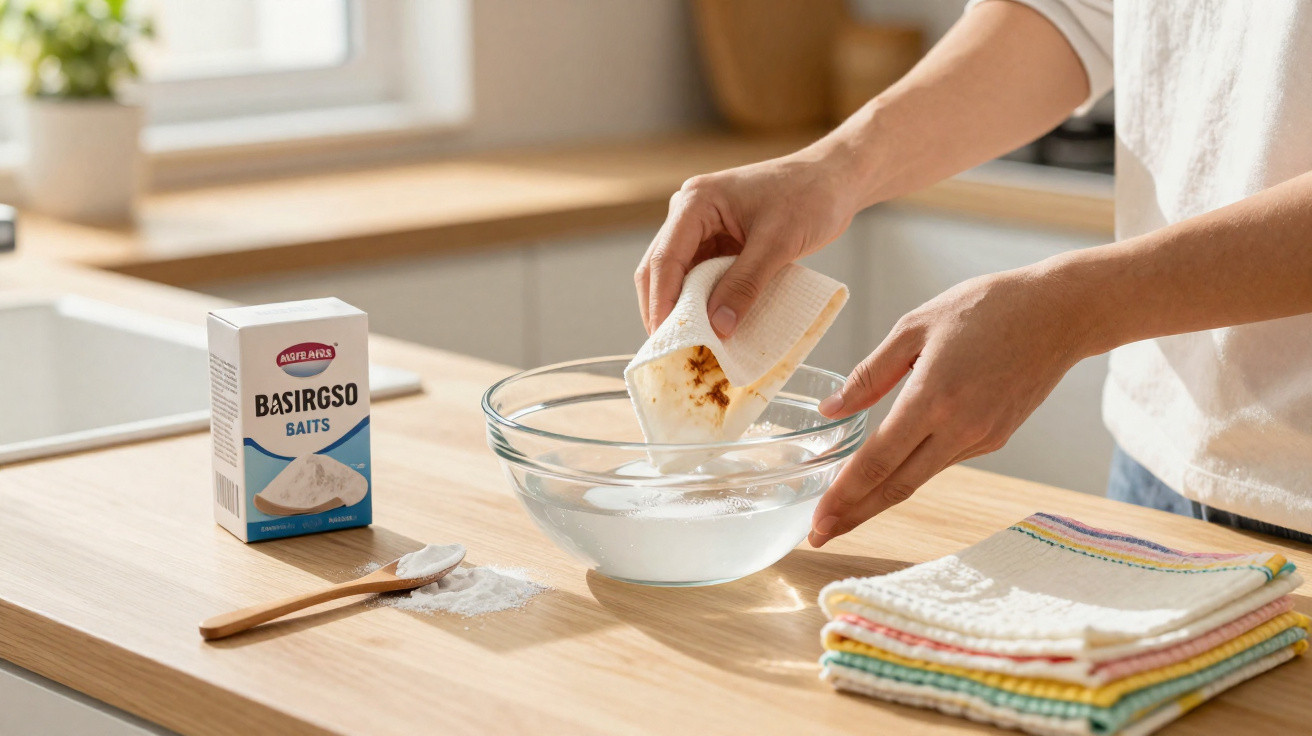
Many people also sprinkle baking soda or add a small amount of washing-up liquid to the paper before soaking it. This produces a mild, warm cleaning paste that works into small gaps rather than immediately slipping down the pipe.
What you should never do with boiling water in the bathroom
Hot water around plumbing raises an important issue: what temperature is safe? Plumbers advise against pouring water at a full boil straight into a toilet or plastic pipework. A sudden temperature change may put pressure on seals and older porcelain.
| Water temperature | Risk level for toilets | Typical use |
|---|---|---|
| Up to 60°C (140°F) | Low risk | Hot tap water, routine cleaning |
| 60–80°C (140–176°F) | Moderate risk if poured fast | Kettle water cooled for a few minutes |
| Above 90°C (194°F) | Higher risk, especially with plastic fittings | Freshly boiled kettle water, used with caution |
To minimise this risk, many DIY enthusiasts leave the kettle for three to five minutes before pouring. The water is still very hot, but it cools below the level at which sudden thermal shock becomes more likely. Pouring it slowly over paper, which cushions the surface, distributes the heat more gently.
Beyond stains: how the trick helps slow drains
Families often report an additional benefit. When handled carefully, hot water and saturated toilet paper may help shift the beginning stages of a blockage, particularly where paper residue, traces of fat or soap build-up are responsible.
The method will not rescue a fully blocked toilet, but it can interrupt the gradual thickening that leads to emergency call-outs.
In practical terms, people place a bundle of toilet paper directly over the drain opening in the bowl before pouring hot water over it. For a short time, the paper slows the flow and holds a pool of hot water in the first bend of the pipe. After waiting briefly, they flush twice using normal water.
Plumbers emphasise that the method is effective only on soft deposits. Foreign items, substantial limescale and blockages deeper in the system still need mechanical tools. Nevertheless, many families have adopted a weekly “hot compress flush” as a habit to help keep their plumbing more reliable.
How this fits into wider eco-friendly cleaning trends
The growing appeal of this technique reflects a broader change in household cleaning. Many homes aim to use fewer harsh chemicals while maintaining good hygiene. Instead of depending entirely on powerful detergents, they are trying heat, physical cleaning action and gentler products.
The toilet-paper method follows that same thinking. It relies on water and waiting time instead of requiring more bottles beneath the sink. Some people still use a small amount of cleaner, but can often opt for milder products because heat does some of the harder work.
Other heat-based habits gaining ground
- Applying hot, damp microfibre cloths to bathroom tiles to loosen soap film before scrubbing.
- Slightly warming glass lids or oven trays before using baking soda pastes, helping residues come away more quickly.
- Rinsing removable tap aerators and shower heads with hot water before soaking them in vinegar for less time.
This movement is particularly attractive to families concerned about indoor air quality. Using fewer aggressive products can mean less scented vapour and fewer irritants, especially for children and people with asthma.
Realistic limits, real benefits
No household tip can resolve every problem. The boiling-water-and-paper technique requires time, must be used carefully around children and is not a substitute for professional descaling in places with exceptionally hard water. Certain stains are embedded deeply in ageing ceramic and may never disappear fully.
The strength of the trick lies not in miracle results, but in how it turns ignored maintenance into a simple weekly habit.
When used consistently, the method may postpone serious build-up. Families say they need to scrub less forcefully, use fewer products and feel more comfortable having visitors, as the bathroom no longer has the faint background odour that many people notice but seldom mention.
It can also encourage closer inspection of bathroom fittings. While laying paper beneath the rim or around the waterline, people may spot hairline cracks, minor leaks or loose toilet seats earlier than they otherwise would. Addressing these small issues at that point is less costly than dealing with emergency repairs months later.
Extra tips for a more resilient bathroom routine
Households thinking of trying this approach can support it with several simple habits that help maintain the whole bathroom. Airing the room after hot showers lowers condensation, which can encourage mould around the toilet base. Inspecting the silicone seal around the bottom of the toilet once each year can help stop odours escaping through gaps between the floor and pipe.
Some parents make the weekend “hot compress clean” a short family activity: one person removes clutter, another deals with the kettle and someone else wipes the surfaces. It takes fifteen minutes, but can encourage a more considered approach to the less visible parts of the home.
When applied sensibly, a toilet roll and a kettle of hot water can become more than an eccentric household tip. They reflect a wider shift towards using simple physics, patience and observation to take control of a space that quietly affects everyday comfort far more than a new candle or an expensive mirror ever could.

Comments
No comments yet. Be the first to comment!
Leave a Comment