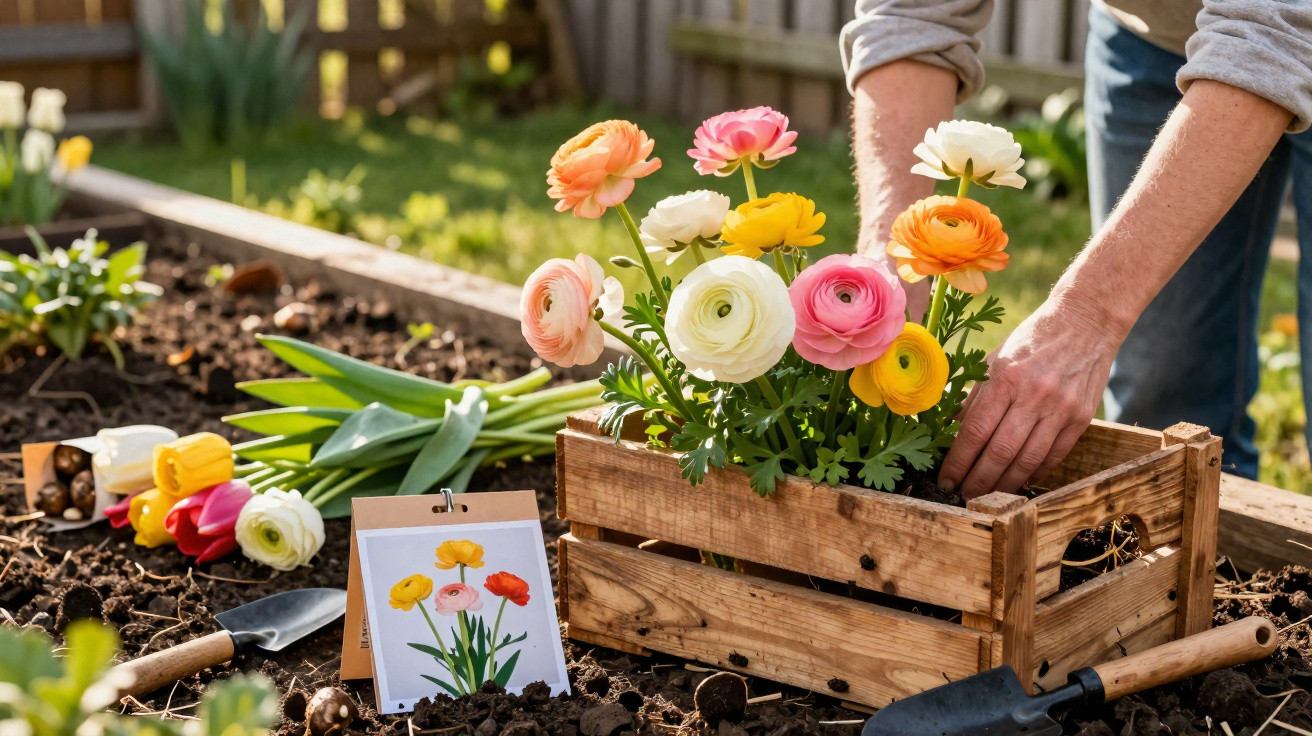
For years, tulips have been seen as untouchable spring stars – but an old, almost forgotten flower with densely packed pompom blooms is now moving into the spotlight.
Something is different this spring in front gardens, allotments and window boxes: amateur gardeners are choosing tulips less often and turning instead to a historic ornamental plant that flowers for longer, appears hardier and looks almost luxurious in arrangements. A walk through garden centres makes it clear: another spring diva is taking the lead.
Why many gardeners are passing over tulips
Tulips certainly still have their admirers. Their colours are vivid and the choice is extensive. Yet the same issue arises every year: after one or two weeks, the display has finished. A heavy downpour or an unexpectedly hot day can leave their splendid cups shredded across the border.
There is another drawback, too: many varieties do not persist in the ground for long. Their bulbs become depleted and produce increasingly weaker growth, so anyone hoping for a colourful sea of tulips every year must keep buying replacements. That becomes costly and is particularly frustrating for people who want a more sustainable, lower-maintenance garden.
This is exactly where the ranunculus excels: a longer flowering period, dense pompoms, and versatility in both borders and vases.
The Persian buttercup (Ranunculus asiaticus) is therefore attracting attention. Its heavily double flower heads resemble miniature peonies floating above the foliage on slender stems. Planted in groups, they create an almost opulent effect – without the demands of a diva.
The “pompom flower”: what makes the Persian buttercup so special
Originally from the eastern Mediterranean, the ranunculus was already being grown in European palace gardens during the 16th and 17th centuries. It is now enjoying something of a revival, particularly in France, and is increasingly finding its way into gardens in Germany.
Flowers, colours and impact in the border
Anyone familiar with tulips is often astonished by a ranunculus flower: each bloom is made up of numerous petals packed closely together. Depending on the variety, the flower head can resemble a round pompom or a small, perfectly formed peony.
- Flowering period: usually from May into June
- Colours: from pure white through apricot, pink, yellow and orange to deep red
- Forms: single, semi-double or fully double
- Uses: in borders, containers, on balconies and as cut flowers
While many tulips have disappeared by mid-April, ranunculus often continue flowering as early summer approaches. In mixed borders, they provide an important link between traditional spring flowers and roses, perennials or summer bedding plants.
Pastel shades are especially popular, as they suit modern natural-style gardens. Combined with horned violets, forget-me-nots or low ornamental grasses, they create the impression of a gently romantic, naturally occurring mix – although in reality it has been rather carefully planned.
Planting time: when Persian buttercups should go into the ground
Persian buttercups grow from what are known as “claws” or “grips” – dry, brown tubers with several finger-like projections, often sold loose in bags. People seeing them for the first time often wonder whether they can really produce such an abundance of flowers.
The key is choosing the correct time and preparing them properly.
The ideal spring planting window
For most regions, March to mid-April is the best period. By then, the soil has warmed slightly while remaining fresh enough to prevent the tubers from drying out.
- Soak the claws in lukewarm water for 12 hours.
- Dig planting holes around 5 centimetres deep.
- Place the claws with the “fingers” pointing downwards.
- Cover with loose soil and firm it gently.
- Leave roughly 15 centimetres between plants.
Soaking gives the plants a faster start. Many gardeners report that shoots emerge noticeably sooner and grow more evenly when they do not skip this stage.
In mild areas, ranunculus can also be planted in autumn, much like tulips. They then tend to flower earlier. Extended or particularly severe frost is a risk, however, as the tubers do not tolerate waterlogging in frozen soil. Free-draining ground and light winter protection, such as a layer of leaves, greatly reduce the risk.
How to care for ranunculus for months of cushion-like flowers
Ranunculus are not considered particularly demanding, but they respond sensitively to two conditions: stagnant wetness and bone-dry soil. Finding the balance between them brings long-lasting enjoyment.
The right position and suitable soil
A sunny to partially shaded spot is ideal, where plants receive sunshine in the morning or late afternoon without scorching at midday. In full shade, they will produce foliage but substantially fewer flowers.
It is worth considering the composition of the growing medium:
- loose, humus-rich garden soil
- a little extra sand or fine grit to improve drainage
- compost as a nutrient source instead of mineral fertiliser
For pots and window boxes, a drainage layer of broken terracotta or expanded clay is helpful. It prevents water from collecting in the lower section and causing the tubers to rot.
Watering, mulching and cutting: everyday care
Ranunculus prefer soil that remains evenly and lightly moist. One common mistake is watering frantically out of concern that the plants may dry out. The simple finger test is more useful: if the top layer of soil feels dry, it is time to water. If it is still slightly damp, the next watering can wait.
A thin mulch of dried grass clippings, bark chippings or straw reduces evaporation. This is particularly effective on windy balconies, where the compost dries out more slowly and plants become stressed less quickly.
Regularly cutting away faded stems encourages new buds and noticeably extends the flowering period.
For a vase, cut the stems when the flowers are still slightly closed but already clearly coloured. In a cool setting, they gradually open, often lasting a week or longer, and their double form gives them a highly elegant appearance – one reason florists have worked with ranunculus for years.
What happens after flowering – and how to use ranunculus for years
After the main flowering season, the foliage gradually turns yellow. Although it is not attractive, this stage is important for the plant: it draws nutrients back into the tubers, laying the foundations for the following year.
In mild regions with well-drained soil, many gardeners simply leave the tubers in the ground. In places with heavy soil or severe winters, a different approach is worthwhile: lift the tubers, store them somewhere dry, cool and airy – for example in a box with sand or newspaper – then plant them again the following spring.
Combining ranunculus cleverly
Anyone who does not want to remove tulips entirely can mix both plants effectively. Tulips provide bold bursts of colour in early spring, while ranunculus take over later and fill the gaps that appear.
Popular border companions include:
- horned violets and pansies for colourful carpets
- forget-me-nots as a delicate blue backdrop
- small ornamental grasses for gentle movement in the breeze
- sweet williams or low-growing herbs around the edge
The result is a layered spring garden that does not simply finish from March to June, but continuously offers something new.
What beginners should also know about ranunculus
Like many members of the buttercup family, the Persian buttercup is not edible. Children and pets should not handle the tubers, as the plant sap can cause irritation. This is rarely an issue in a border, but a watchful eye is advisable for container gardens positioned at ground level.
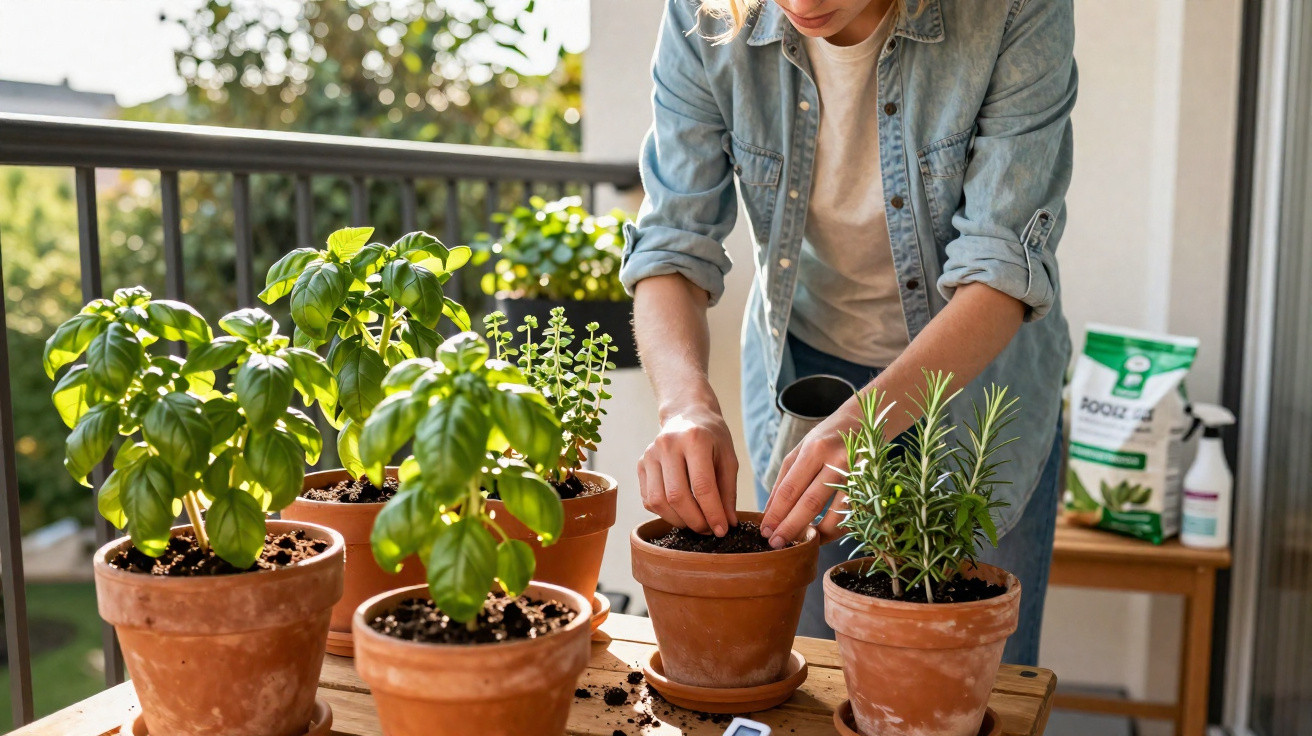
For people with limited space, ranunculus are particularly suitable for containers. A large terracotta pot containing just ten to twelve claws can make a balcony look as though someone has placed a bouquet directly into the container. Planting in stages – at two-week intervals, for example – extends the flowering season further and ensures that the plants do not all fade at once.
This is precisely what many amateur gardeners appreciate about the “new old” flower: it has an upscale, almost luxurious appearance, yet can be cared for with simple methods. Anyone who previously associated spring only with tulips, daffodils and hyacinths will find the Persian buttercup a surprisingly rewarding addition – and will soon understand why so many borders this year look more like a sea of pompoms than a traditional tulip bed.











Comments
No comments yet. Be the first to comment!
Leave a Comment