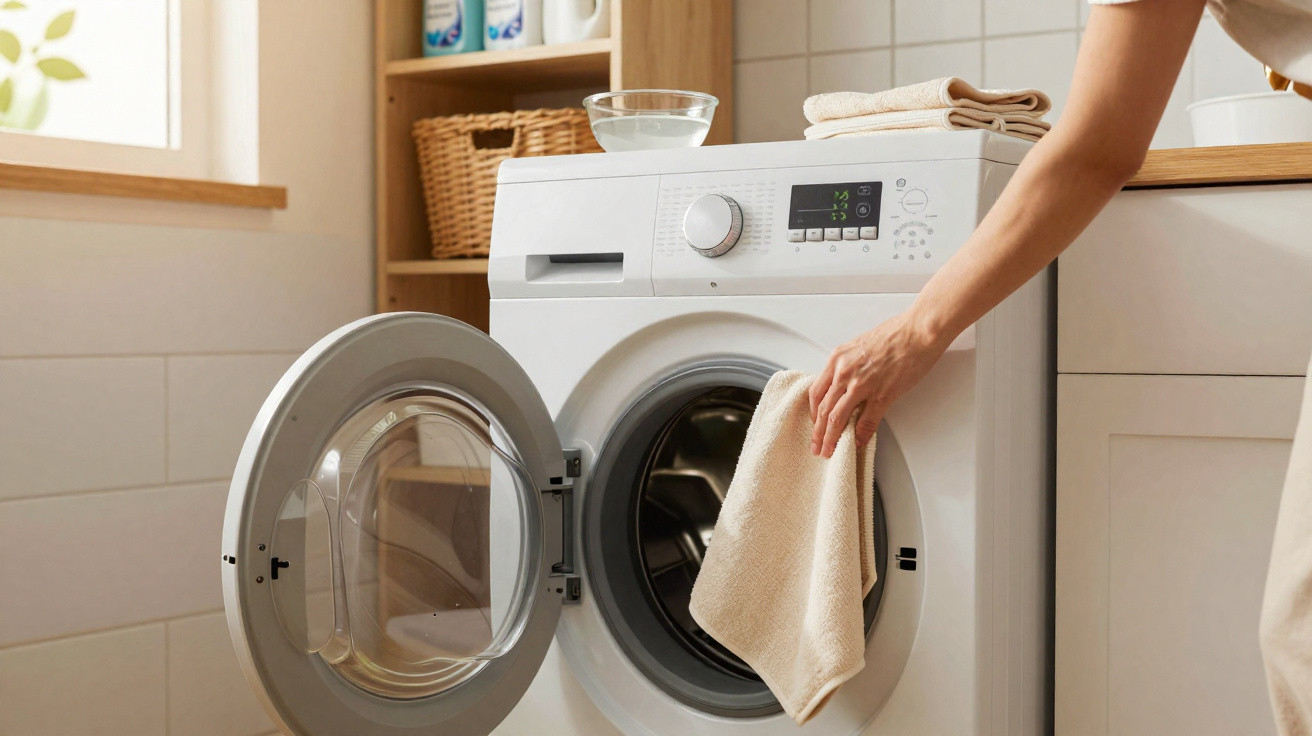
The end of a wash cycle has a familiar soundtrack: a weary little beep, a gentle clunk and the drum slowing to a halt. You take out the warm laundry, shake each item quickly and follow the habit most people barely think about. You leave the washing machine door open “to air it out” before getting on with your day.
An hour later, the kitchen smells clean, the laundry basket is at last empty, and the machine is sitting open-mouthed like a sleepy dog. It can feel strangely satisfying, as though you have finally done something right in the ongoing battle against mildew.
But a growing number of appliance experts suggest that this may not be quite right.
The small laundry habit that quietly backfires
Keeping the washing machine door open seems like obvious advice. Your mum, a neighbour or a cleaning influencer on TikTok has probably said it before: “Leave the door open so it doesn’t smell.” As a result, many of us do exactly that, leaving the door propped open between washes as though it should stay that way permanently.
It appears harmless enough from the outside. Yet behind the machine’s plastic and metal casing, a different process may be taking place - gradually, discreetly and potentially at considerable cost.
Ask appliance repair technicians what they commonly encounter in modern homes and a clear pattern emerges. Around the hinges and door seal, they often discover distorted rubber, hardened plastic and small amounts of detergent residue dried almost like cement. One UK engineer told me that he can enter a home, spot a washing machine door that is always left open, and predict with unsettling accuracy that its door gasket will require replacement within a year or two.
The irony is that these are often the owners most proud of “taking care” of their appliance.
According to experts, airing the machine for an occasional hour is not the problem. The concern is leaving the door fully open continuously over the long term, sometimes 24/7. This places pressure on the hinges, leaves the rubber seal slightly distorted and exposes vulnerable components to dust and accidental knocks. Eventually, repeated stress may cause misalignment, leaks and the frustrating rattle that begins when the spin cycle starts. An open door can also collect humid air from the room, which then condenses on cooler metal parts and encourages the same mould it was meant to prevent.
How to air your washing machine without wrecking it
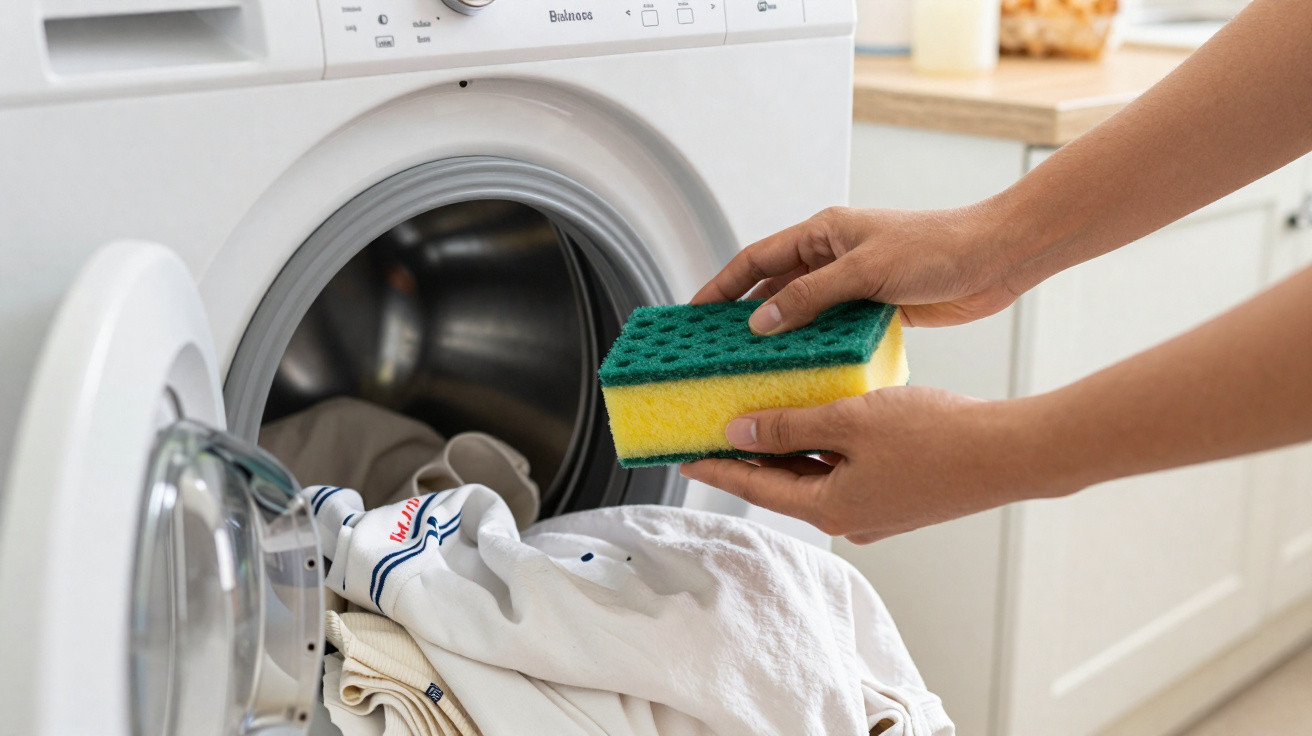
Most specialists now advise taking a middle-ground approach: do not shut the door immediately on a damp drum, but avoid leaving it open like a wardrobe door. The recommended routine is remarkably straightforward. Once the wash has finished, remove the clothes, lightly dry the rubber seal and glass with a small towel, and leave the door only slightly ajar - no more than a few centimetres.
That modest opening provides enough airflow while allowing the door to remain supported in its natural position, instead of putting strain on the hinge like a heavy gate left open.
If that sounds overly particular, you are not the only one. Everyone knows the moment when they promise to “do things properly”, only for life to intervene: children call out, work emails arrive and the washing machine is forgotten. Laundry habits belong to that messy category of good intentions that rarely survive a busy week.
Realistically, hardly anyone follows this routine perfectly every day. Even so, making one or two modest changes - wiping the seal twice a week and leaving the door slightly open rather than fully extended - can often prevent the most frequent problems.
“People think mildew is their main enemy,” says French appliance technician Laura Martin. “But what quietly kills machines is long-term stress on parts that were never designed to stay open at a full angle for years.”
- Open the door only slightly: a hand’s width provides plenty of airflow.
- Wipe the door seal regularly to clear away retained water and detergent.
- Keep the detergent drawer slightly open rather than opening the entire door.
- Run a hot maintenance wash once a month to remove concealed residue.
- Inspect the hinge screws twice yearly if the machine begins to sag or creak.
A small change that can save an expensive appliance
What makes this issue particularly interesting is that the harm can be difficult to notice. You do not wake up one morning to find a hinge suddenly broken. Instead, the door becomes less smooth to close, you have to push it a little more firmly, the rubber begins to look worn and a faint musty odour returns despite the door always being left open.
Then, after a single leak across the kitchen floor, you may be facing a repair bill that seems wildly disproportionate to such a minor everyday habit.
| Key point | Detail | Value for the reader |
|---|---|---|
| Door position matters | Leaving it fully open for days puts strain on hinges and seals | Lowers the likelihood of expensive repairs and leaks |
| Controlled airflow is enough | A narrow gap and a wiped seal work better than a fully open door | Reduces odours without harming the machine |
| Simple routine wins | A quick wipe, monthly hot cycle and slightly ajar door | Prolongs the appliance’s life and saves money |
FAQ:
Question 1 Should I ever close the washing machine door completely?
Yes, provided the drum and seal are dry. Once it has aired for a couple of hours and you have wiped away visible moisture, it is fine to close the door fully.Question 2 How wide should I leave the door open after a wash?
A narrow gap of a few centimetres is sufficient. The aim is airflow, not a door left at its widest angle throughout the day.Question 3 Is mould only caused by closing the door?
No. Low-temperature washes, using too much detergent and missing maintenance cycles also encourage mould and residue around the seal.Question 4 Can a damaged rubber seal be repaired, or does it need replacing?
Minor staining can be cleaned, but cracks, tears or distortion usually require a replacement seal to prevent leaks.Question 5 Does this advice apply to top-loading machines too?
Partly. Top-loaders do not put as much stress on hinges, but it is still preferable not to keep the lid permanently wide open and to clean the rim regularly.





Comments
No comments yet. Be the first to comment!
Leave a Comment