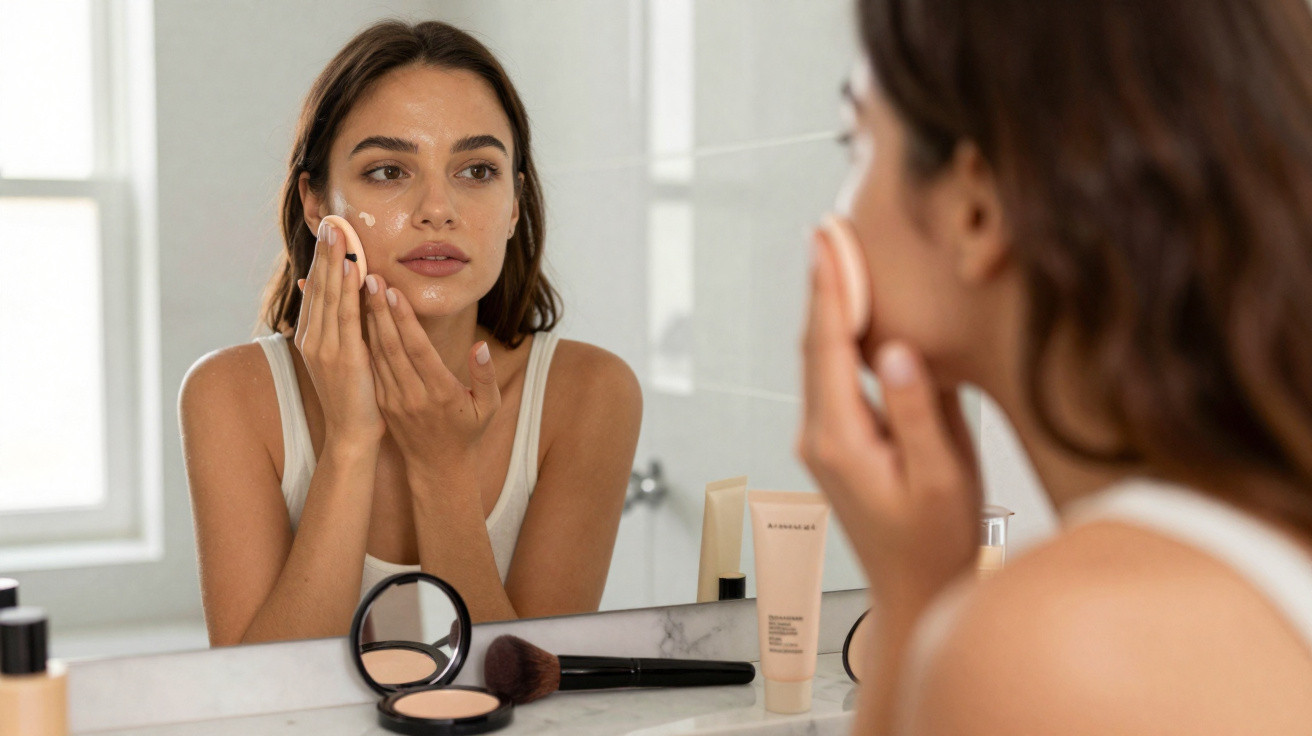
Combination and oily skin in particular know the struggle: foundation shifts, the nose becomes shiny, pores appear larger, and make-up looks tired sooner than you do after a 10-hour day. An affordable drugstore pressed-powder option is currently attracting attention because it tackles precisely this issue with surprisingly reliable results.
Why our face suddenly becomes shiny during the day
The classic problem area is the so-called T-zone: the forehead, nose and chin. These areas have more sebaceous glands than the cheeks. When they are working at full speed, excess sebum forms an oily layer on the skin’s surface – and this layer reflects light, making the face look shiny.
Several factors can intensify this:
- Heat and humidity: In summer or in overheated offices, the skin produces more sebum.
- Stress: It raises cortisol levels, which stimulate the sebaceous glands.
- Hormonal fluctuations: Your cycle, the contraceptive pill and puberty can all make skin oilier.
- Unsuitable skincare: Overly harsh cleansers dry out the skin, which may respond by producing even more sebum.
- Diet: For some people, large amounts of fast-acting sugars and saturated fats can affect sebum production.
“Anyone wanting to get rid of facial shine should not punish their skin, but balance it – skincare and powder work as a team here.”
The drugstore pressed-powder icon: what makes it work
Within the beauty community, Rimmel Stay Matte mattifying pressed powder has been considered a budget-friendly classic for years. According to reviews, it stands out primarily for one reason: it reliably removes shine without coating the face in a heavy layer.
The concept is straightforward: powder is the final step in complexion make-up. It sits over foundation and concealer like a transparent veil, setting everything in place while absorbing excess sebum. It can also be worn alone without make-up, leaving skin looking calmer and more even without appearing made-up.
The formula: minerals for shine and visible pores
From a technical perspective, the powder relies mainly on two minerals: talc and mica. Both are widely used in make-up, although they serve different purposes.
- Talc: Works like a micro-sponge, binding excess skin oil to reduce shine quickly.
- Mica: Softly diffuses light, helping pores and minor unevenness appear blurred.
It also contains magnesium stearate. This ingredient helps the powder adhere more effectively to the skin rather than disappearing after just two hours. As a result, the matte effect remains visible for longer.
Those who often find powders drying may be interested to know that the formula also includes small amounts of aloe vera and coconut oil. These are intended to soften the powdery feel and prevent dry patches from feeling uncomfortably tight. Zinc oxide also has a mildly soothing effect – a benefit for skin that becomes irritated easily.
“The combination of oil-absorbing minerals and lightly conditioning ingredients makes this powder especially appealing for everyday use: matte, but not mask-like.”
How the powder performs in everyday use
Across review platforms, the texture often receives four out of five stars from hundreds of opinions. One recurring theme is that many users prone to oily skin are surprised by how long it genuinely keeps shine under control.
Broadly, the reported experiences fall into three areas:
1. Shine control by skin type
People with very oily skin report that their foreheads remain noticeably calmer for longer, without needing to reapply powder every half hour. Some comfortably get through an eight-to-twelve-hour working day, while others reach for their brush briefly again in the afternoon.
Normal and combination skin generally requires far fewer touch-ups. One important point: the result depends heavily on what is worn underneath – an extremely rich cream or shiny sunscreen can use up the powder’s mattifying effect more quickly.
2. Finish: noticeable, yet not mask-like
The focus is a naturally matte-looking complexion. Many describe the powder as slightly visible, but not like a layer of plaster. Skin appears smoother, pores are less obvious and small blemishes draw less attention.
It is also positively noted that dry flakes are not emphasised. This can otherwise look unflattering on combination skin that is drier on the cheeks but oily around the nose. Here, the powder is surprisingly forgiving.
3. Make-up longevity
Those who wear foundation mainly use the product as a setting powder. Many reports say that make-up wears more neatly as a result: there is less settling into fine lines and less transfer onto clothing or a phone.
A typical routine is:
- Apply a lightweight day moisturiser that is not overly oily.
- Blend in foundation or BB cream.
- Apply concealer to dark circles and blemishes.
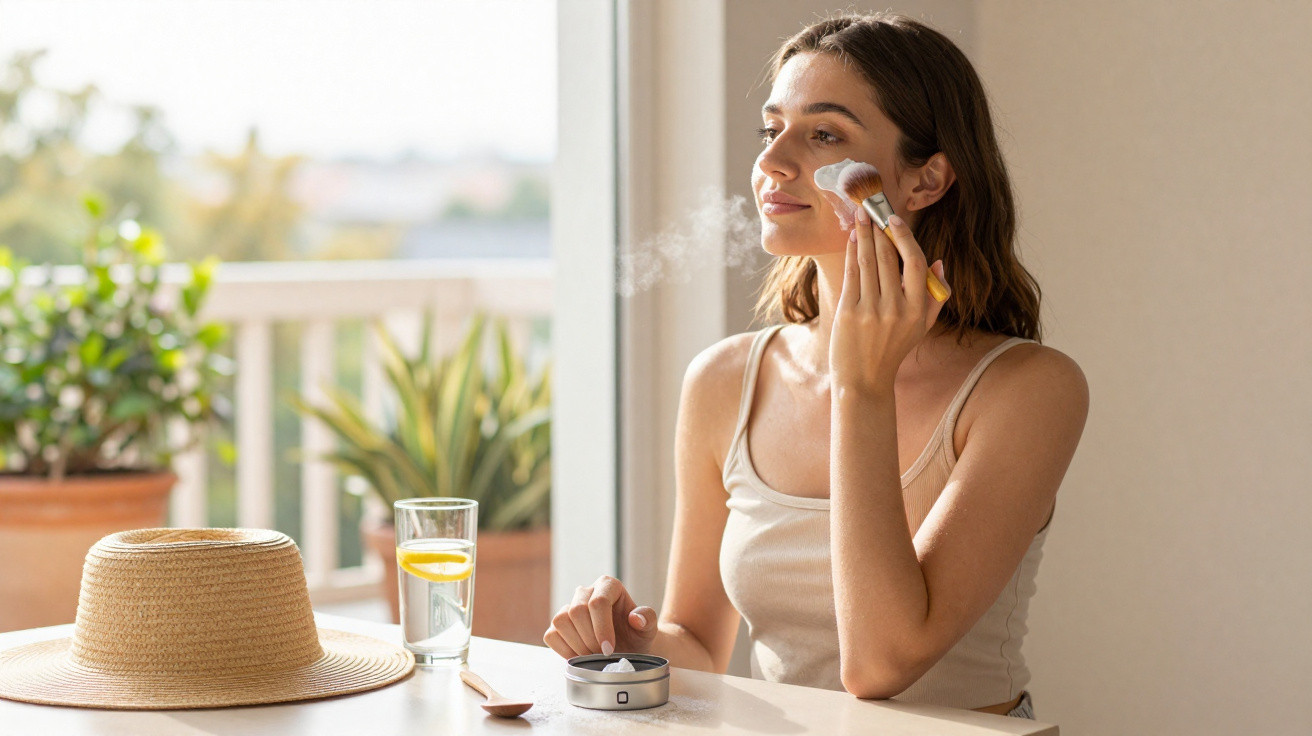
- Using a fluffy powder brush, apply a light layer of Stay Matte to the T-zone and, if desired, across the whole face.
Following this order helps the complexion stay in place for longer without looking over-powdered.
Where the powder shows its weaknesses
One aspect frustrates a great many users: the packaging. The compact feels basic and lightweight, which explains the price but also creates practical drawbacks.
| Advantages | Weaknesses |
|---|---|
| very affordable price | no mirror in the lid |
| wide choice of shades | no powder puff included |
| available in many drugstores | lid can crack quickly |
| matte but not lifeless finish | prone to breaking if dropped amid handbag clutter |
Anyone planning to use the powder on the go will usually need an additional case, a small puff or a travel brush. For some compacts, a brief drop in the bathroom or inside a handbag is enough to turn the product into crumbs.
“Great contents, poor casing – anyone frequently on the move should protect the compact or re-press it at home if something does break.”
Five habits that keep facial shine under control long term
A good mattifying powder works even better when the skincare routine supports it. A few adjustments can help calm sebum production over the long term.
1. Gentle cleansing rather than a “squeaky-clean” feeling
Foaming cleansers containing lots of alcohol or strong surfactants may remove oil, but they also strip away the skin’s natural protective film. The skin then tries to compensate for the loss by producing more sebum. A gentle gel or foam cleanser without harsh additives is usually entirely sufficient.
2. Lightweight moisture care
Oily skin needs hydration, simply less oil. Lightweight fluids, hyaluronic-acid gels or creams containing niacinamide can help soothe the skin without weighing it down. Anyone thinking, “I’ll skip moisturiser, then my skin will be less oily,” will usually achieve the opposite.
3. Keep stress in check
Long-term stress eventually shows on the face. Cortisol not only stimulates the sebaceous glands, but also encourages inflammation. Small habits such as exercise, short breaks, regular sleep and deliberate relaxation techniques often have a stronger effect on the skin than the next trending product.
4. Diet as a quiet contributor
Convenience foods, heavily sugared snacks and soft drinks can worsen the skin for sensitive individuals. Choosing omega-3 sources such as salmon, mackerel or walnuts more often, alongside zinc-rich foods such as pumpkin seeds or seafood, supports the skin from within.
5. The right powder technique
How the product is applied also makes a difference:
- Pick up powder with a large, soft brush and tap off the excess.
- Rather than sweeping, gently press it on, particularly over the nose and forehead.
- When out and about, refresh only the T-zone so the layer does not become too thick.
- For very oily skin, first remove excess sebum with blotting paper.
Who will benefit most from the powder
Anyone on a limited budget who still wants a reasonably professional finish will find a dependable everyday helper in a product such as Stay Matte. Many users remain loyal to it for years and use it instead of considerably more expensive brands because the price-to-performance ratio is convincing.
The powder is ideal for:
- combination skin with a shiny T-zone
- oily skin that is difficult to control
- people who prefer a natural, not heavily made-up finish
- anyone wanting to set foundation and extend their make-up’s wear time
Not every skin type responds in the same way: very dry or mature skin can quickly look dull with matte powders in general. In that case, targeted use on the forehead and nose is usually enough. Anyone with very sensitive skin or known intolerances should first test new products on a small area.
Ultimately, an affordable, well-formulated pressed powder cannot replace good skincare, but it can make everyday life considerably more relaxed – especially when photos and mirrors no longer reflect only the shine from your forehead.





Comments
No comments yet. Be the first to comment!
Leave a Comment