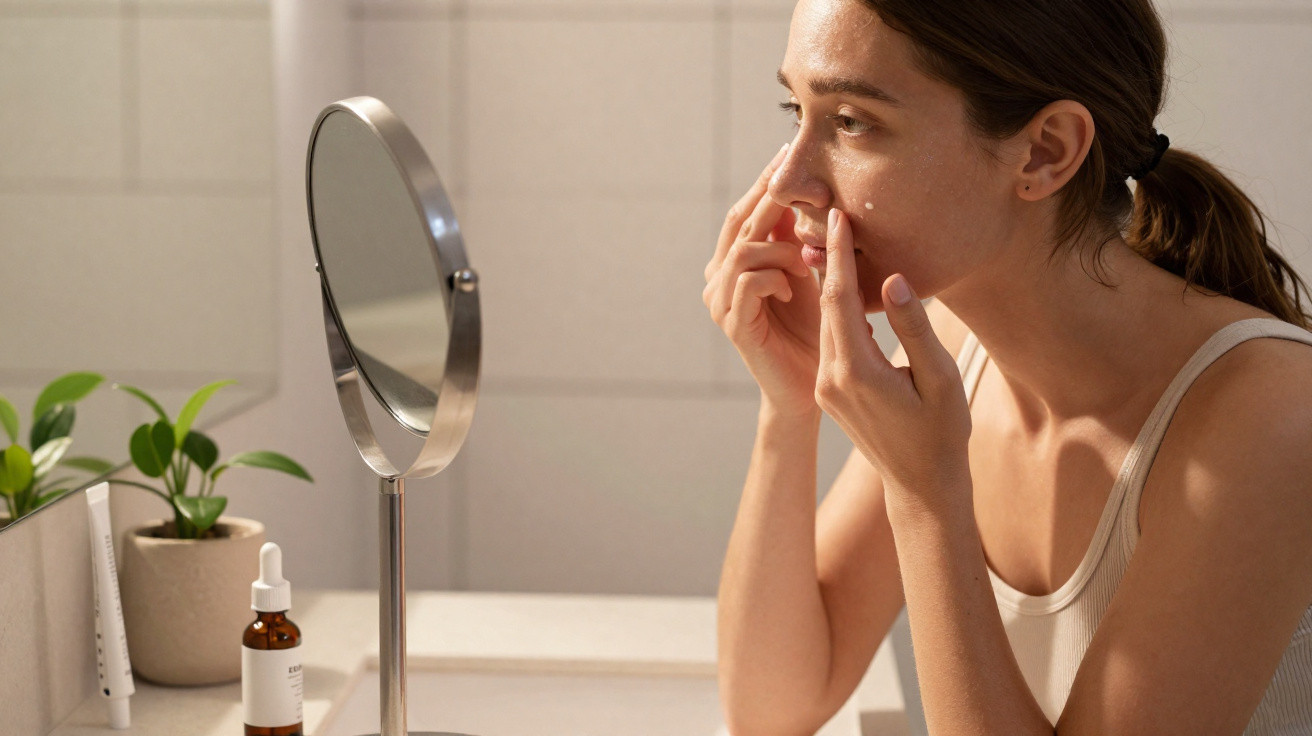
Squeezing feels irresistible. Then comes the redness. It can become a personal, never-ending cycle, like a late-night habit you cannot stop.
The bathroom lighting was harsh, the sort that revealed every pore and partly healed squeeze mark. At a clinic sink, I watched a woman wash her hands, glimpse herself in the mirror and pause. She pressed a tissue to her nose as though it could wipe away ten years of blocked dots. A dermatologist behind me said, almost softly, “They’re not dirt.” That one sentence seemed to alter the room. I asked what blackheads actually were, and whether it was possible to make pores look smaller without turning your face into a battleground. She explained it step by step, like a recipe you would genuinely use. What if pores could be guided rather than punished?
What you are actually seeing when you look at your pores
Stand by a window and angle your face towards the light. Across your cheeks and nose, you may notice minute openings that appear bigger on camera than they do in person. They are hair follicles connected to oil glands, rather than “holes” that can be closed like a zip. Blackheads are oxidised oil, not dirt. When oil and dead skin cells build up, oxygen reaches the top of the blockage and turns it dark. This is why surface scrubbing achieves very little: the congestion is deeper down.
I met Lina at a lunchtime clinic appointment. Every morning, she scrubbed until her skin felt squeaky clean, then followed with a toner that stung like a challenge. Her blackheads remained, while her cheeks became blotchy. She moved to a gentle cleanser, applied a beta-hydroxy acid only to her T-zone and quit picking. After three weeks, she held up her phone and stared at her selfie. The dots seemed softer. They had not vanished, but they were less noticeable. That modest result changed the way she handled her skin.
Blackheads form when sebum transports dead skin cells into a follicle, creating a blockage. The exposed end darkens on contact with oxygen, which gives it its black appearance. The apparent “size” of pores depends more on genetics, oil production and the collagen support in your skin. You cannot physically shrink pores, but you can make them look smaller. Clearing blockages, exfoliating regularly and wearing sun protection all lessen the contrast that makes pores noticeable. It is a little like clearing a doorway and polishing its frame.
A gentle plan for clearing blackheads
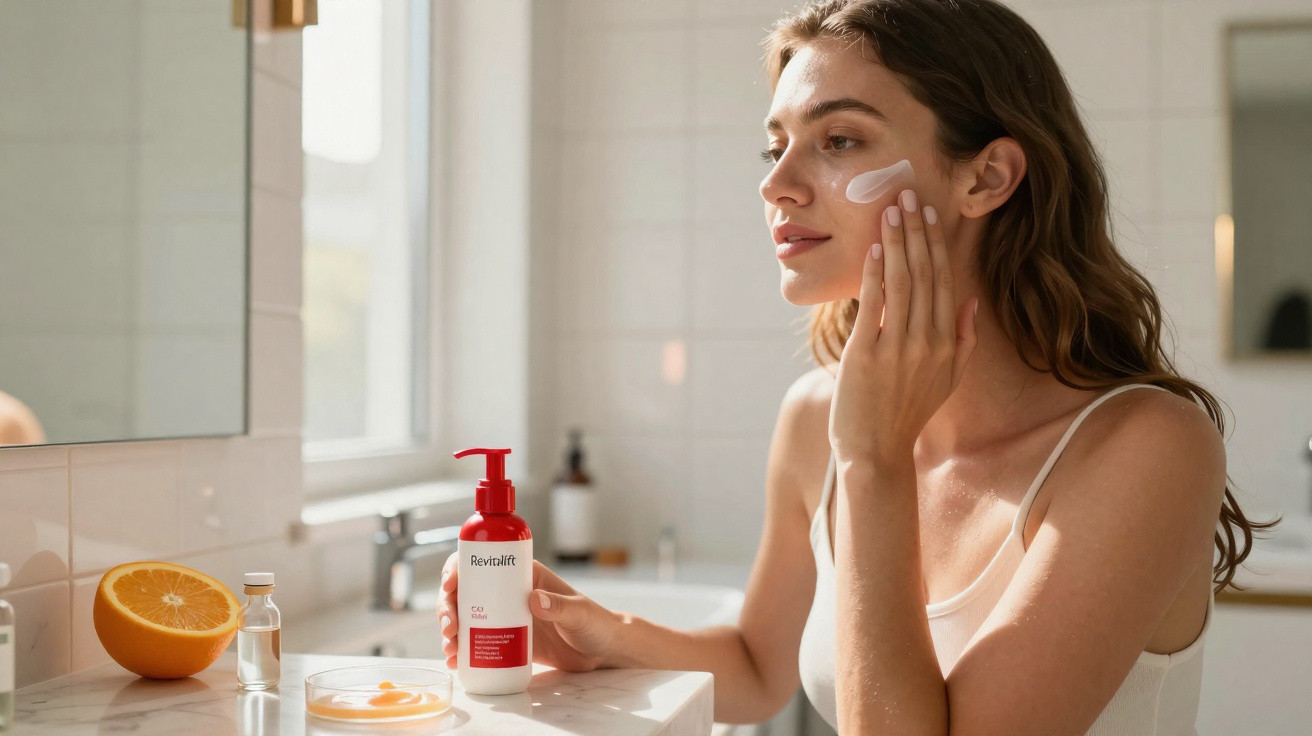
Begin with a soothing cleanse. Use a gentle, pH-balanced gel or milky cleanser for 30–60 seconds before rinsing with lukewarm water. In the evening, melt and loosen everything first: briefly cleanse with oil to dissolve sunscreen and make-up, then follow with your normal cleanser. Pat your face dry, pause for a moment, and apply 1–2% salicylic acid to the nose and chin on three evenings a week. On the nights in between, apply a pea-sized amount of retinoid across the whole face. Build up gradually. Skin does not require punishment; it responds to routine.
We have all experienced the moment when the mirror gets too close and fingernails take over. Squeezing with your nails damages the edge of the pore and can cause swelling. Pore strips may pull out a few blockages, but they can also leave follicles sore and ready to fill again. If you absolutely need to extract, do so after a shower, using clean hands and a tissue-wrapped fingertip, and stop as soon as it hurts. Include a lightweight niacinamide hydrator to help keep oil production more even. Allow serums to dry before moisturiser to prevent the layers from pilling. Honestly, no one manages that every day.
Here is the dermatologist’s view in one straightforward sentence:
“Treat the clog from the inside of the pore, not the outside of the skin. Salicylic acid loosens the plug, retinoids retrain the pore, and sunscreen protects the scaffolding that keeps pores looking tight.”
- Morning: gentle cleanse, 2–5% niacinamide serum, lightweight moisturiser, broad-spectrum SPF 30+.
- Evening, 3 nights/week: cleanse, salicylic acid on T-zone, moisturiser.
- Evening, 2–3 nights/week: cleanse, pea-sized retinoid, moisturiser.
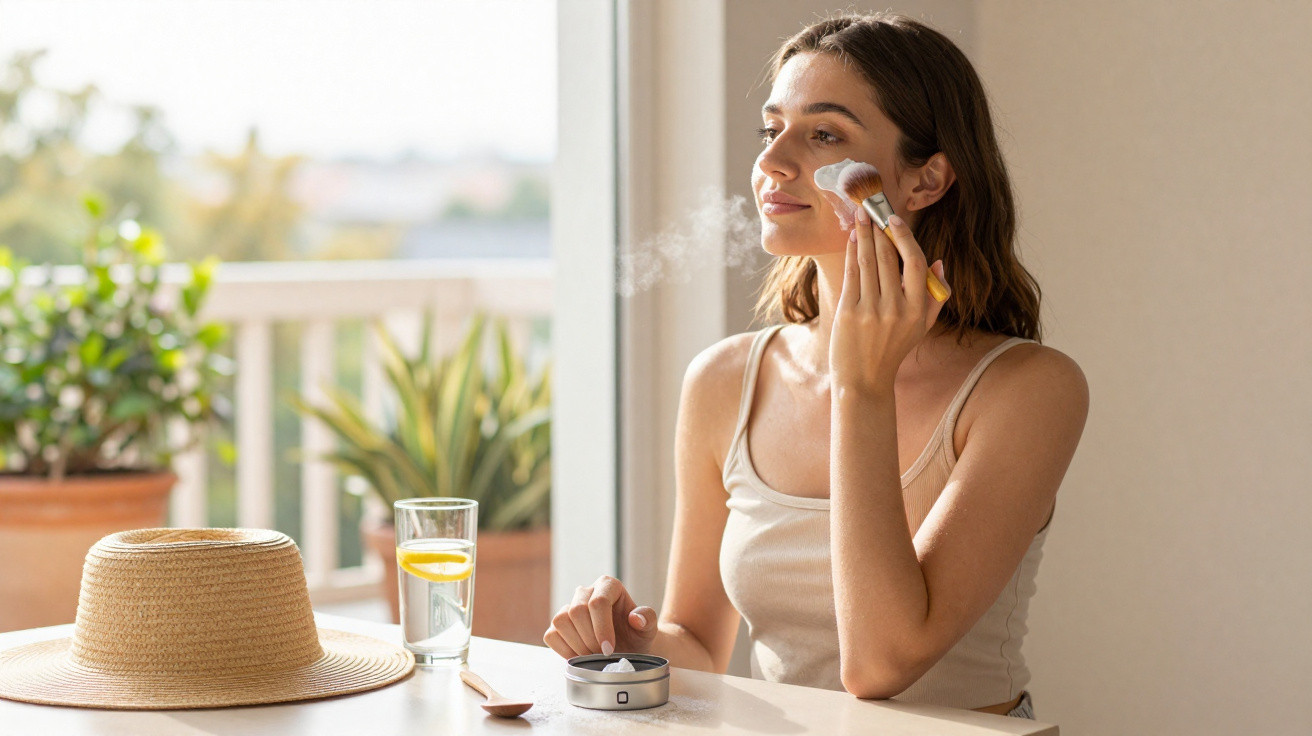
- Weekly: clay mask on nose and chin for 10 minutes max, then moisturise.
- Always: keep hands away from new bumps; use a spot treatment instead.
How to make pores look smaller naturally
The aim is not glass skin, but balance. As oil production becomes steadier and dead cells shed properly, the edge of each pore lies flatter against the skin and reflects light more evenly. Niacinamide and reliable sunscreen use help prevent UV from breaking down collagen. A brief clay mask once weekly can absorb surplus oil without stripping the skin. Avoid social-media ice-cube and lemon tricks: cold only creates a temporary tightening effect, while citrus may sting. Drink water for comfort rather than treating it as a cure. Reduce stress where possible, as stress hormones can stimulate oil glands. If you wear make-up, select non-comedogenic products and remove them every evening. Consistency beats intensity every single time. Share the routine that helps you. Someone else is standing under that glaring bathroom light, counting every dot.
| Key point | Detail | Benefit for the reader |
|---|---|---|
| Clear the blockage from within | Use 1–2% salicylic acid on the T-zone a few evenings each week | Targets blackheads at their source for faster, gentler results |
| Train the pore over time | Introduce a retinoid gradually, using a pea-sized amount on alternate evenings | Smoother texture and fewer new blockages over time |
| Protect the pore’s “frame” | Daily SPF and niacinamide support collagen and regulate oil | Pores appear smaller because the surrounding skin remains firm and calm |







Comments
No comments yet. Be the first to comment!
Leave a Comment