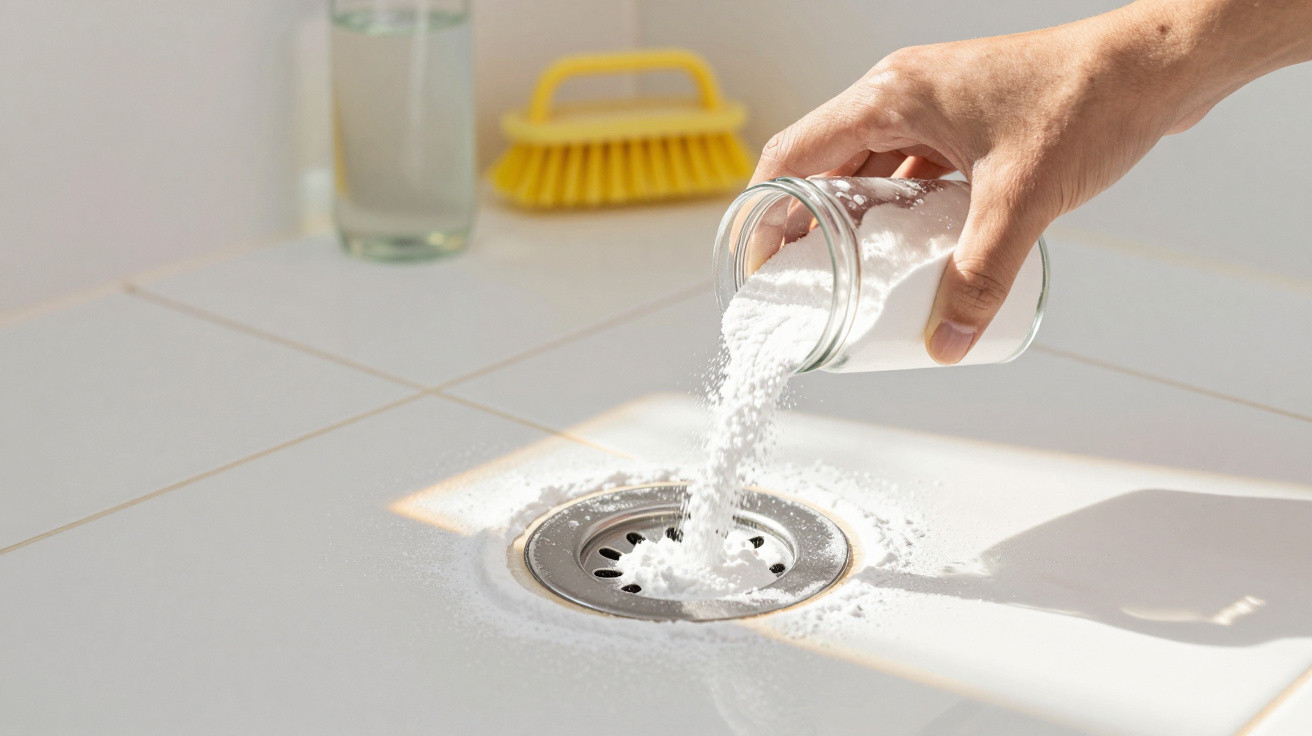
Sprinkling bicarbonate of soda around the shower drain has become a reliable little trick for anyone who wants a fresh-smelling bathroom that is easy to clean, without much effort or expense. Soap remnants, conditioner, hair, body grime and foam that does not fully drain away all collect around the shower drain. Bicarbonate of soda helps loosen this built-up layer, cutting unpleasant smells and making routine cleaning easier.
Why does using bicarbonate of soda around the shower drain help with cleaning?
Bicarbonate of soda has a mildly “exfoliating” action, helping to lift body oils, shampoo, conditioner and soap residues, as well as the film that can leave the floor looking dull. It also neutralises odours and reaches the inner edge of the drain, helping to reduce that odd smell which can sometimes rise from the pipework.
Although it is not a replacement for a powerful disinfectant, it works very well for regular upkeep. It can make the shower enclosure look cleaner, give the floor more shine and leave the room feeling fresher. In many bathrooms, consistent use alone produces a noticeable difference, particularly in damp areas that stain easily.
How should bicarbonate of soda be applied around the shower drain?
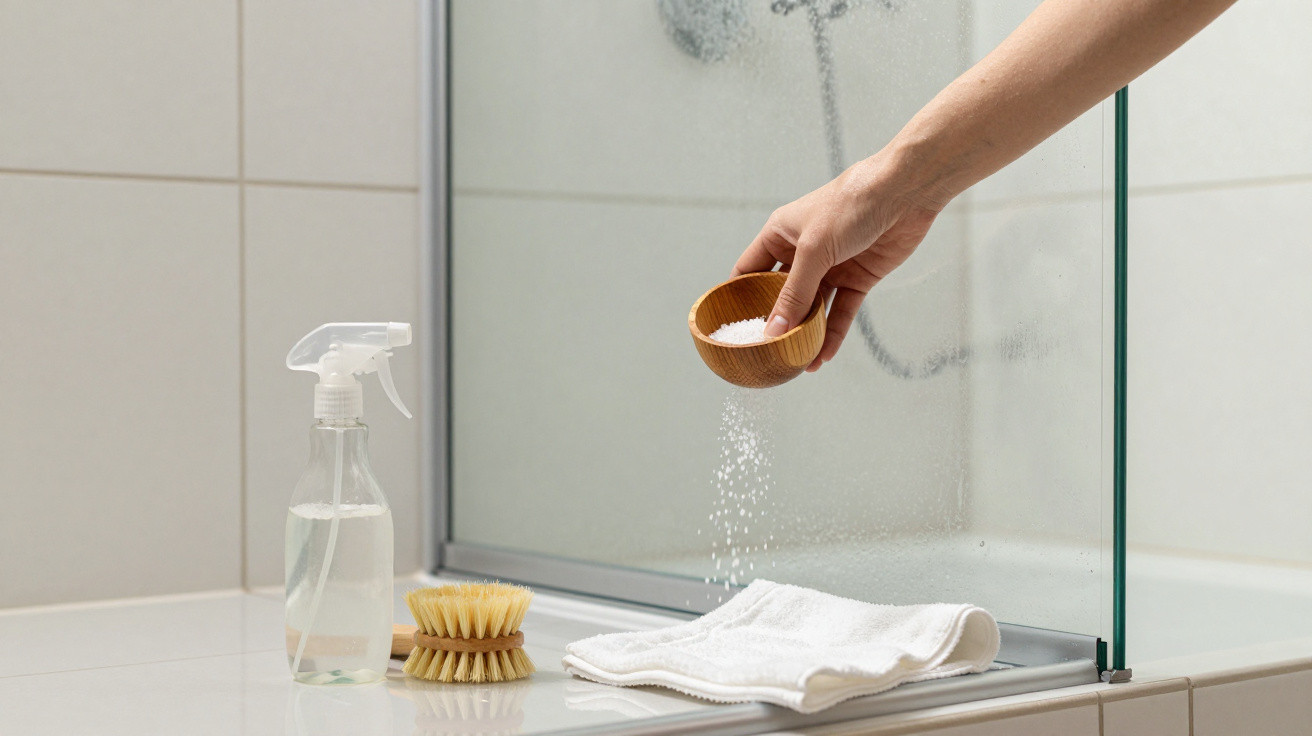
For this method to work properly, how it is applied matters more than the amount used. Usually, a thin ring around the drain cover is enough to treat the key area, preventing waste and avoiding a build-up of powder on the shower floor.
Follow these straightforward steps to add it to your cleaning routine without any fuss:
- Leave the floor lightly damp rather than soaking wet, so the bicarbonate of soda does not dissolve too quickly.
- Sprinkle bicarbonate of soda around the full edge of the drain, as though seasoning food.
- Create a circle 5 to 10 cm wide around the cover, making sure the entire area is well covered.
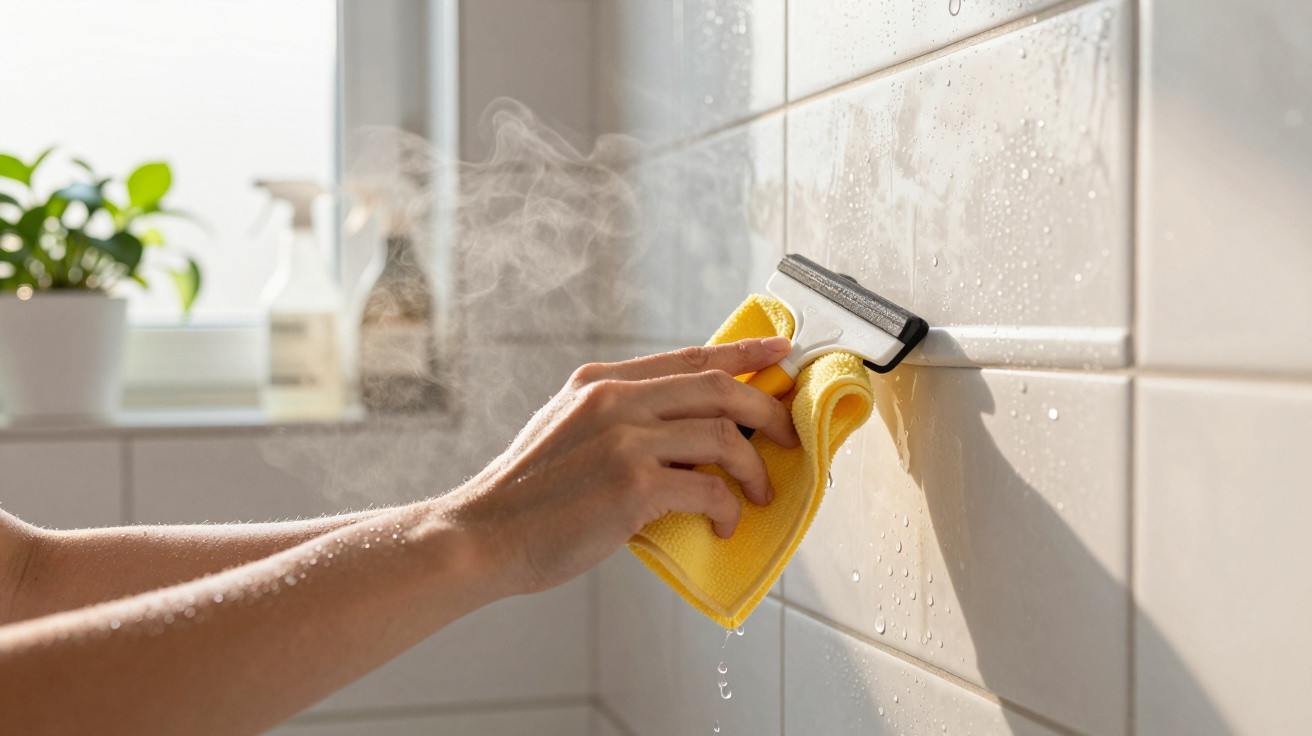
- Leave it to work for a few minutes, then gently scrub with a brush or sponge and rinse.
How long should bicarbonate of soda be left on the drain, and how can its effect be enhanced?
Leaving the bicarbonate of soda in place for 15 to 30 minutes is generally enough to soften grime, lessen odours and make rinsing easier. While it works, you can clean other parts of the bathroom, then return to finish the shower enclosure and rinse thoroughly until no powder remains.
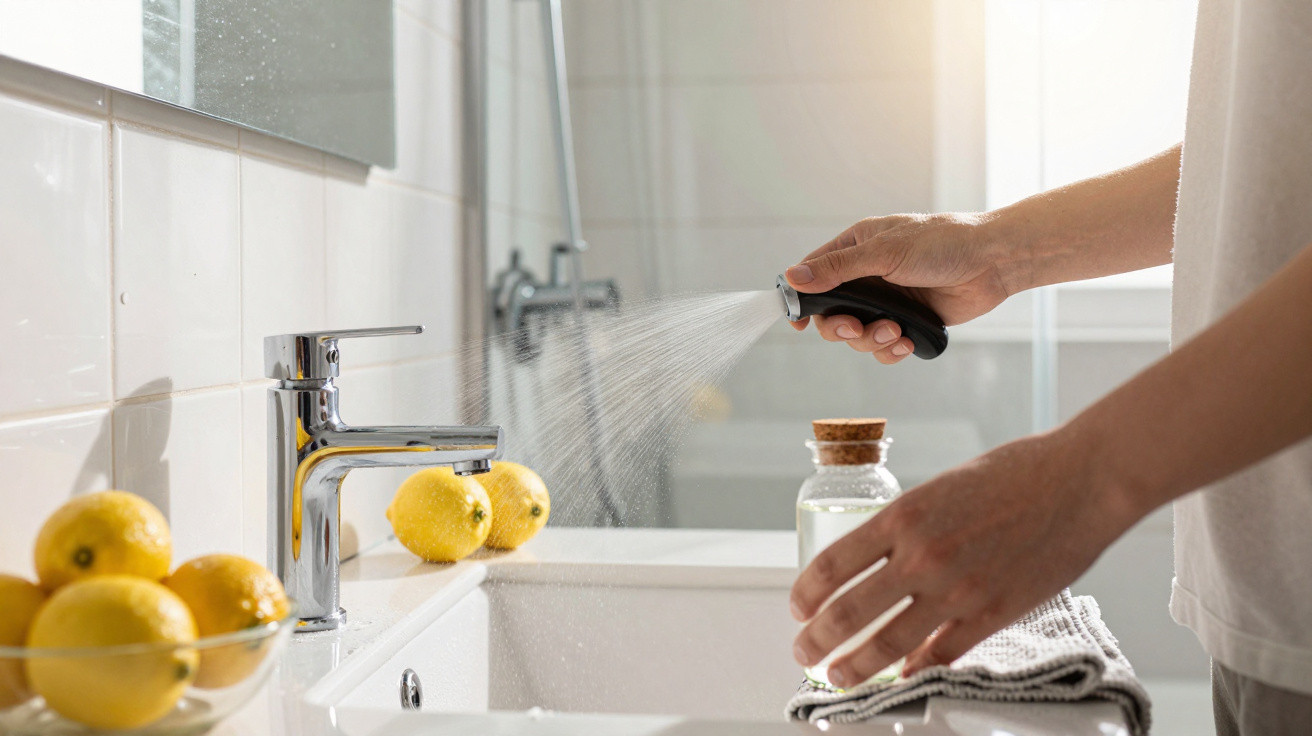
If there is a strong smell or heavy build-up, the treatment can be boosted by pouring a little white vinegar over the bicarbonate of soda and leaving it for around 10 minutes. The combination fizzes, shifts more residue and reaches areas that a brush may not access as easily. However, sensitive surfaces, including some natural stones, require you to check the manufacturer’s instructions before using vinegar regularly.
How often should bicarbonate of soda be used in the shower drain for good results?
The key to keeping the shower enclosure clean, free from bad smells and looking well maintained is using bicarbonate of soda consistently. In many homes, applying it around the drain once a week is already very helpful for preventing dirt and odours from building up, especially in frequently used bathrooms.
In homes with a large family or heavier use, it is worth carrying out a more thorough clean every 15 days or once a month, including longer scrubbing and, if needed, an extra treatment with vinegar. Combining this habit with simple measures, such as removing hair from the drain after showering and avoiding excessive use of very oily products in the shower, helps protect the floor, prevent dark marks and maintain a fresher, better-kept bathroom.




Comments
No comments yet. Be the first to comment!
Leave a Comment