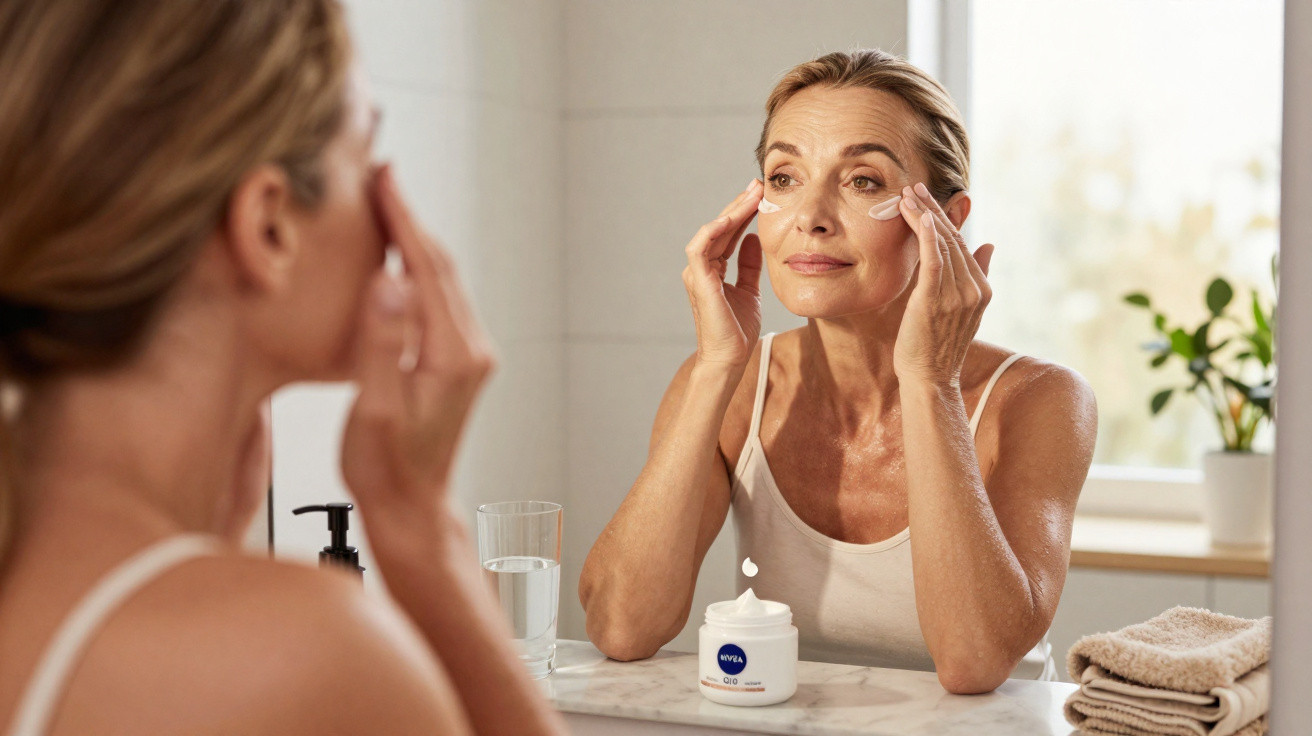
Anyone who has explored their mother’s or grandmother’s bathroom shelf will recognise it: Nivea’s iconic blue tin. It represents skincare, dependability and a touch of childhood nostalgia. The brand has now launched a product with a far more specialised approach, designed specifically for mature, very dry skin. The new balm is already creating a stir in France, where many users believe it can deliver more than the classic cream.
New Nivea balm: targeted care for mature, dry skin
The new skincare highlight is, in effect, called the “Q10 Rich Balm Day & Night”. Despite its understated name, it is formulated to work more intensively than a standard day cream. It is intended for people with mature, very dry or visibly slackening skin who need more than a little added moisture.
Its texture is closer to a rich balm than a lightweight lotion. Once applied, the product forms a soft protective layer over the skin. Its purpose is to lock in moisture, ease feelings of tightness and visibly smooth wrinkles. According to the manufacturer, skin should feel denser, plumper and more comfortable overall, both during the day and overnight.
The balm is intended not only to soothe and plump mature skin, but also to use targeted active ingredients to address wrinkles and loss of firmness.
What supports the anti-wrinkle claim
This new balm combines familiar anti-ageing ingredients that are well known in dermatology. Rather than offering universal skincare like the classic blue cream, it follows a focused strategy against wrinkles and skin laxity.
Q10 – an energy source for skin cells
Pure Q10 is at the heart of the formula. This substance occurs naturally in the body and plays an important part in cellular energy production. As we age, Q10 levels in the skin decline, leaving it looking more tired, less firm and slower to regenerate.
Nivea uses highly concentrated Q10 in this balm, which is intended to stimulate skin-cell activity. The principle is that more efficient cells can help stabilise the skin barrier, while wrinkles appear less pronounced because the skin’s structure is strengthened.
Peptides to support collagen
Peptides, which are small protein components, form another part of the formula. In anti-ageing skincare, they are considered to be “trainers” for collagen production. Collagen is the structural protein that keeps skin supple and firm. Over time, the body produces collagen more slowly, resulting in fine lines and a loss of facial definition.
The peptides in the balm are intended to activate different collagen types so that the tissue appears more stable again. The aim is not the “lifted” look associated with a cosmetic procedure, but rather firmer, more clearly defined facial contours.
Ceramides for a resilient skin barrier
Together with lipids and cholesterol, ceramides act rather like cement in the outermost layer of the skin. When that cement begins to break down, skin loses moisture, becomes more sensitive and can look dull.
The balm contains ceramides intended to reinforce the weakened barrier of mature skin. This helps the skin retain more moisture, makes irritation less likely and allows skincare ingredients to work more effectively without causing discomfort.
- Q10: supports cellular energy production
- Peptides: encourage the collagen structure for greater firmness
- Ceramides: reinforce the protective barrier and retain moisture
Promised effects: visible results within a few weeks
According to Nivea, the balm is not simply pleasant to use in the background: it is also said to produce measurable effects relatively quickly. After one day, 91 per cent of tested users reportedly noticed intensive, long-lasting moisturisation.
After two weeks of use, the brand reports noticeably softer expression lines and forehead wrinkles, along with smoother deeper wrinkles. After one month, 88 per cent of testers said that signs of skin laxity felt reduced, including less apparent sagging around the cheeks and jawline.
The manufacturer describes facial contours that appear firmer and a denser, more resilient skin structure – particularly around the cheeks, jawline and neck.
How to apply the balm correctly
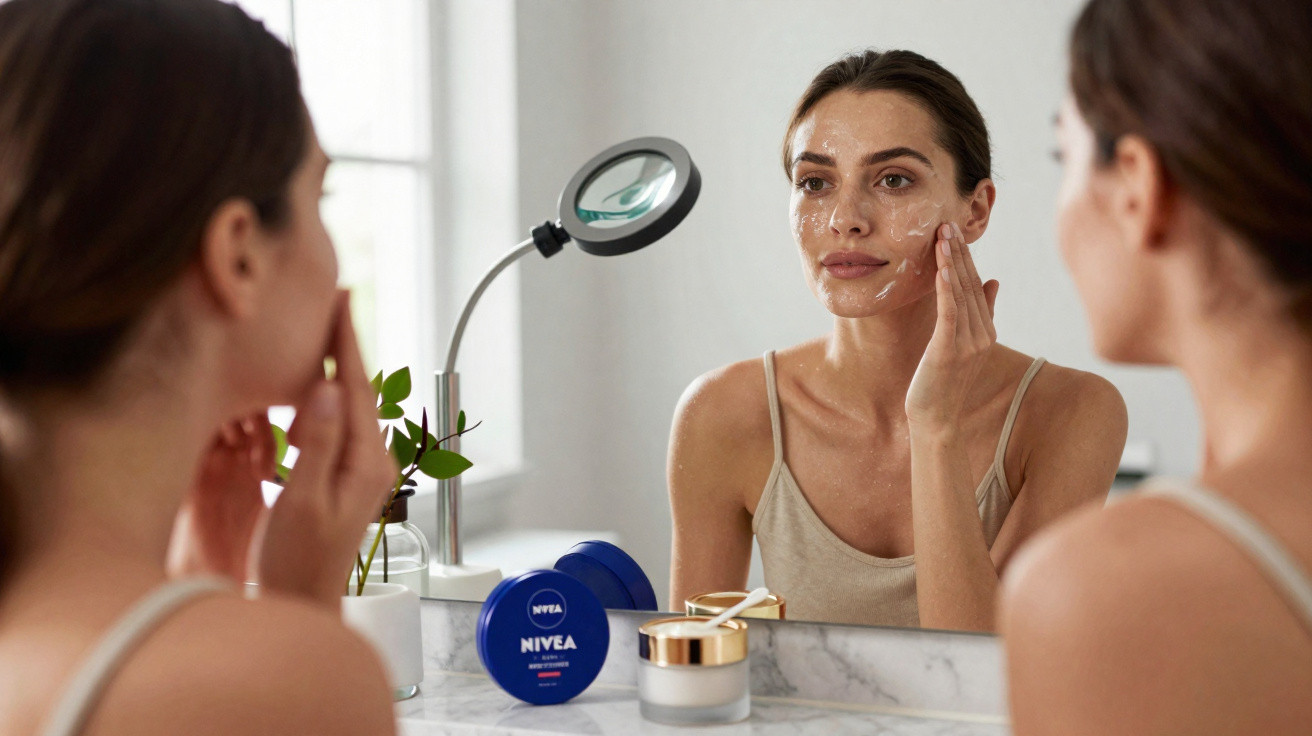
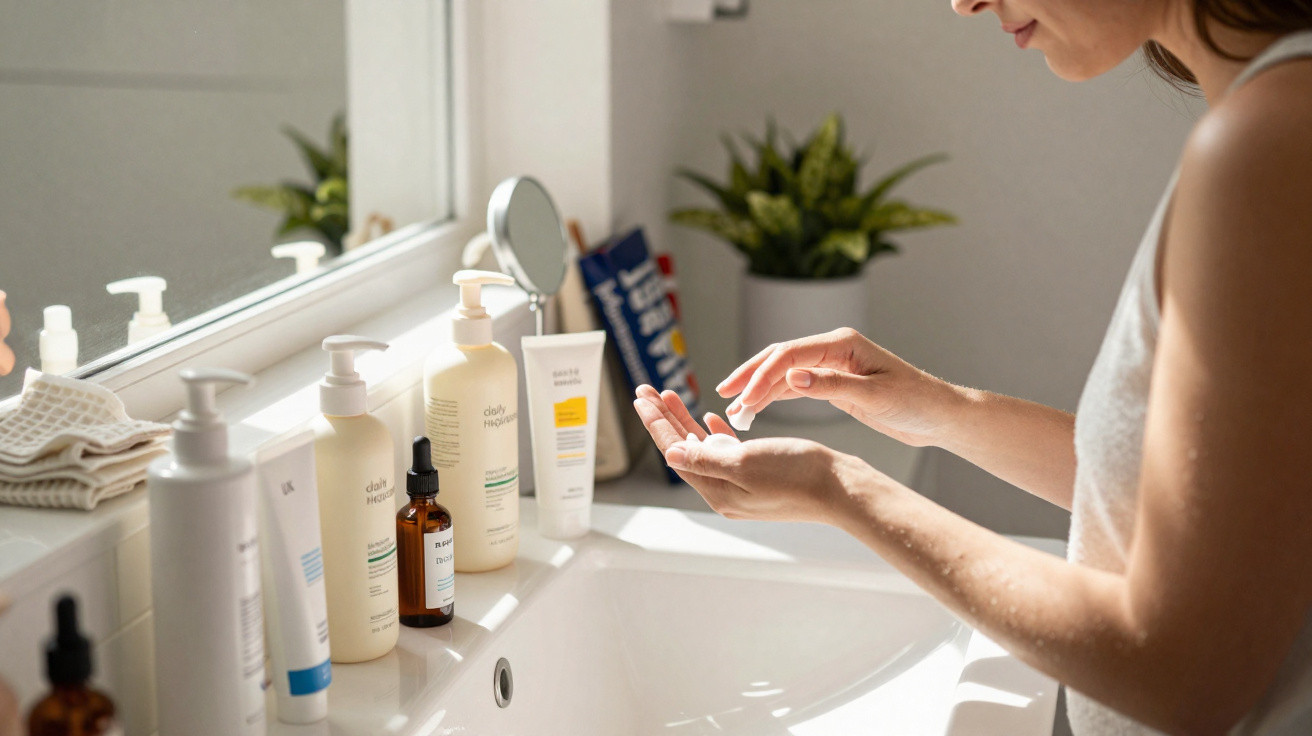
According to the manufacturer, the Q10 balm can be used as all-round daytime and night-time skincare. Apply it every morning and evening to the face, neck and décolletage after cleansing. Skin should be clean and dry so that the active ingredients can absorb evenly.
- Cleanse the face with a mild cleansing gel or cleansing milk.
- Pat the skin dry gently rather than rubbing it.
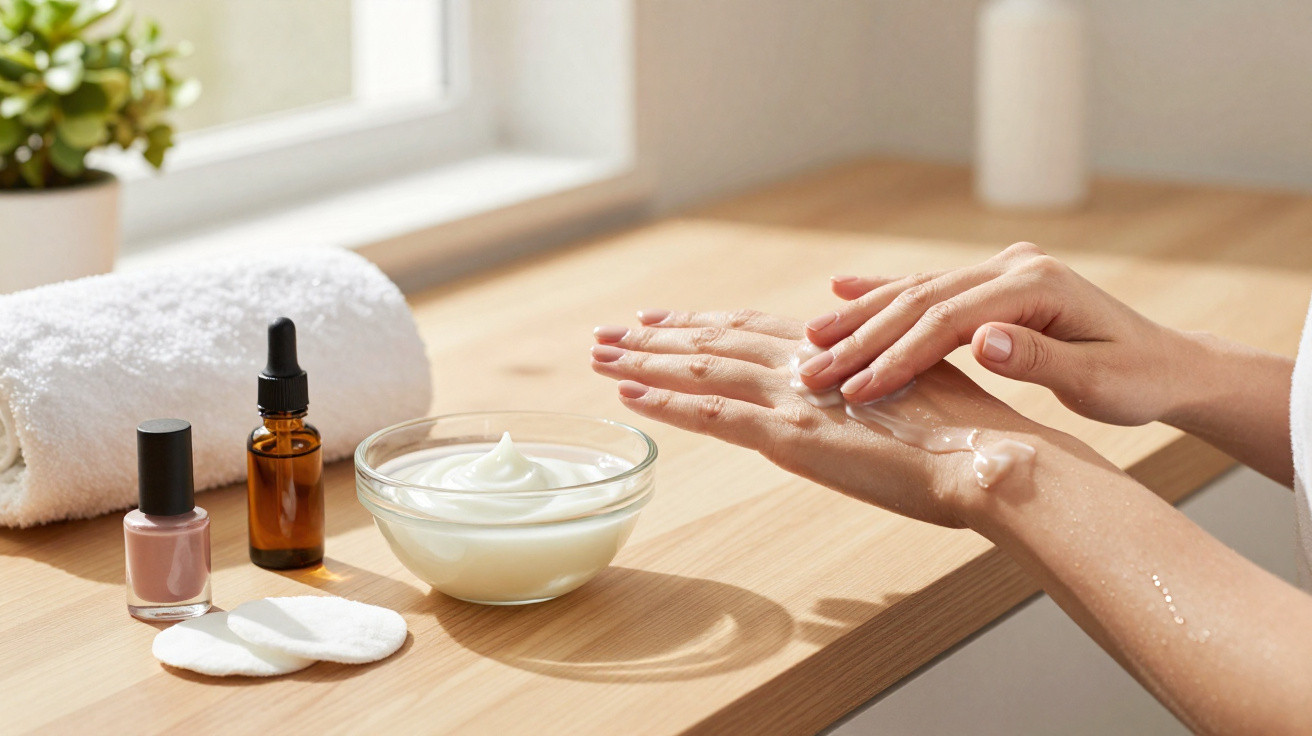
- Warm a small amount of balm between your hands.
- Massage it in from the centre of the face outwards, then apply it to the neck and décolletage.
- At night, use a slightly more generous amount if needed.
For periods of severe dryness, the balm can also be used as a mask: apply a thicker layer, leave it on for ten to fifteen minutes, then gently massage in any excess or remove it with a soft cloth. This method can act as a moisture boost, particularly in winter or after intense sun exposure.
Price, tolerance and target group
The new anti-wrinkle balm is positioned in the mid-range high-street beauty price bracket. It is expected to cost around €15 per tin, depending on the retailer and offer. That makes it considerably more affordable than many pharmacy or luxury brands, while providing a more specialised formula than the classic all-purpose cream in the blue tin.
Dermatological testing indicates that the balm is well tolerated by the skin. It is particularly suited to:
- people with mature skin, generally from their mid-40s onwards
- very dry or rough skin types
- faces with visible wrinkles and diminishing firmness
- skin that quickly feels tight or uncomfortably dry
Anyone prone to significant blemishes or oily skin should first test the rich texture on a small area of the face. Mature combination skin often tolerates the balm better when it is used only in the evening or applied in a thin layer.
Why mature skin needs specialised care
As the years pass, the skin’s structure changes in several ways at once. Sebum production decreases, water content falls, collagen fibres break down more quickly, and the skin’s natural cell renewal slows. Sun exposure, nicotine, stress and too little sleep intensify these effects.
Typical signs include:
- fine lines developing into deeper wrinkles
- cheeks losing volume and facial contours becoming softer
- skin becoming drier and more sensitive
- a complexion that looks duller and less fresh
A standard cream that provides only a little moisture is often no longer enough. Mature skin benefits from ingredients that work on several factors at once: reinforcing the barrier, retaining moisture, supporting the collagen structure and stimulating cells.
How the Nivea balm fits into a practical skincare routine
Those wishing to introduce the new Nivea balm into their routine can follow a simple approach. In the morning, cleansing, a light serum and the balm are often sufficient, followed by sun protection if required. In the evening, the routine can be more intensive, for example by combining it with a gentle exfoliant on two evenings a week or a hydrating hyaluronic serum.
Many dermatologists advise against overwhelming mature skin with too many aggressive active ingredients at the same time. Retinol, fruit acids and strong exfoliants can quickly lead to irritation when used alongside rich balms. Anyone using these ingredients should introduce them gradually and monitor their skin’s response carefully.
The new Nivea balm is especially interesting for people who love the cult cream in the blue tin but have realised that their skin now has different needs than it did ten or twenty years ago. The familiar brand name meets a far more modern combination of active ingredients – and this blend may be exactly what allows the newcomer to overtake the classic on the bathroom shelf.

Comments
No comments yet. Be the first to comment!
Leave a Comment