
The alarm sounds, your mind objects, and the first pang of guilt appears: “I should really make the bed.”
Many of us straighten the duvet, arrange the pillows and shut the bedroom door with a curious sense of achievement, as though we have already completed the day’s first task.
However, beneath that immaculate bed, another process is under way.
Unseen colonies of microscopic dust mites settle down, consuming the skin cells shed overnight and flourishing in the warm, damp microclimate we have carefully enclosed for them.
The setting seems ordinary: sunshine filtering through the curtains, the gentle scent of coffee drifting in from the kitchen, and a sharp, Instagram-worthy line across the duvet.
Yet the science of what happens inside your bedding indicates that this everyday morning habit could support the very organisms responsible for sneezing, wheezing and irritated eyes.
Why your “perfect” bed is paradise for dust mites
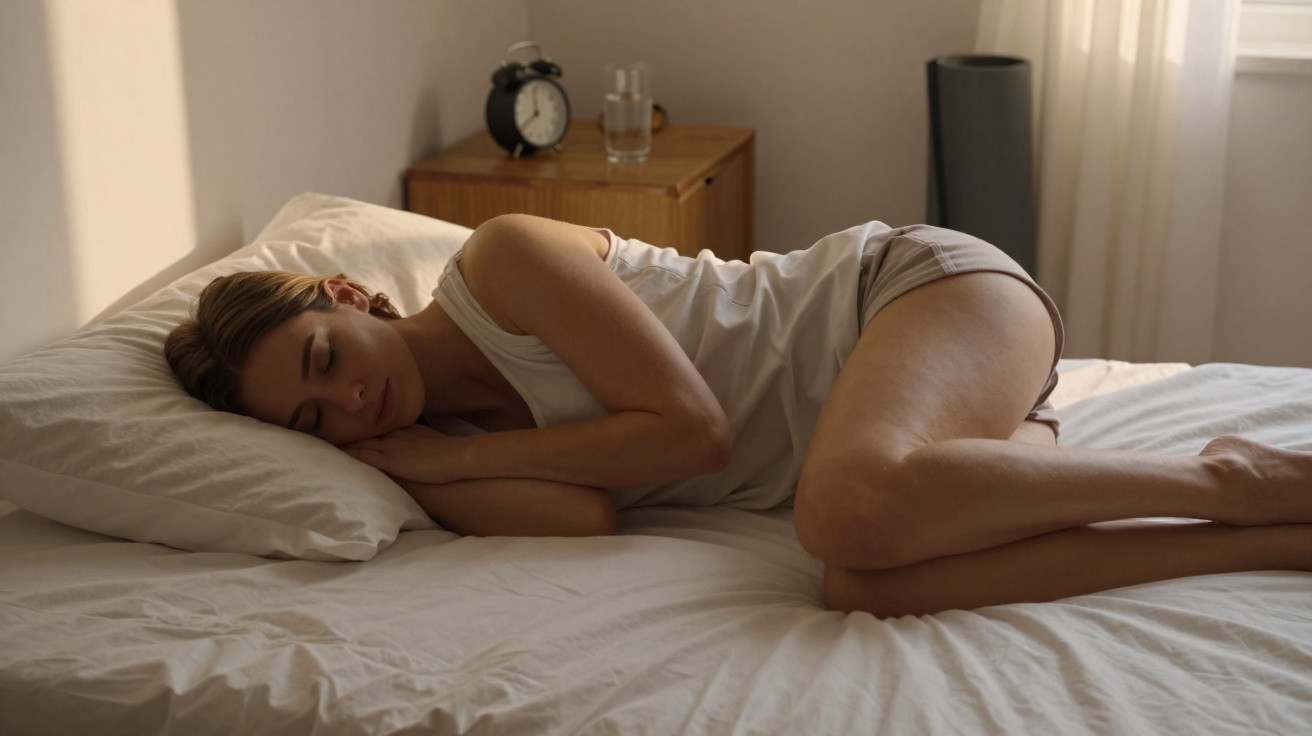
Consider your bed the moment you get up: the sheets retain your body heat, are lightly moist with perspiration and contain tiny fragments of shed skin.
It may simply appear untidy to us, but to dust mites it resembles an all-inclusive holiday resort.
Pulling the duvet taut across the mattress locks in the warmth and moisture.
That creates a dim, comfortable microclimate in which mites can eat, reproduce and build their miniature city undisturbed.
They are already present, even in a home considered “clean”.
Research repeatedly identifies tens of thousands of mites in one mattress, and sometimes far more, particularly where bedrooms are humid or lack ventilation.
A British survey of household dust found that bedrooms repeatedly contained the highest concentrations of mite allergens, especially in mattresses and pillows.
A separate study found that mite numbers rise dramatically when indoor humidity remains over 50–55% for extended periods.
Our morning routine adds to this problem: during the night, we perspire as much as 200–500 ml, depending on the temperature, bedding and hormones.
That moisture does not disappear at 7 a.m. when the alarm rings; it remains caught within the fibres of the sheets and mattress.
Making the bed immediately encloses that humidity in a warm cocoon.
Mattresses and bedding may then remain damp for hours, providing precisely the conditions mites require to stay active and generate additional allergens.
Leave the bed uncovered, by contrast, and a different chain of events begins.
Air circulates over the sheets, sunlight reaches the fabric, retained warmth escapes and humidity gradually falls.
Dust mites are more vulnerable than you might expect when air is dry and temperatures vary.
They will not vanish overnight, but they hate losing that stable, moist bubble you kindly provide by tucking everything in at once.
The “lazy” habit that secretly helps your allergies
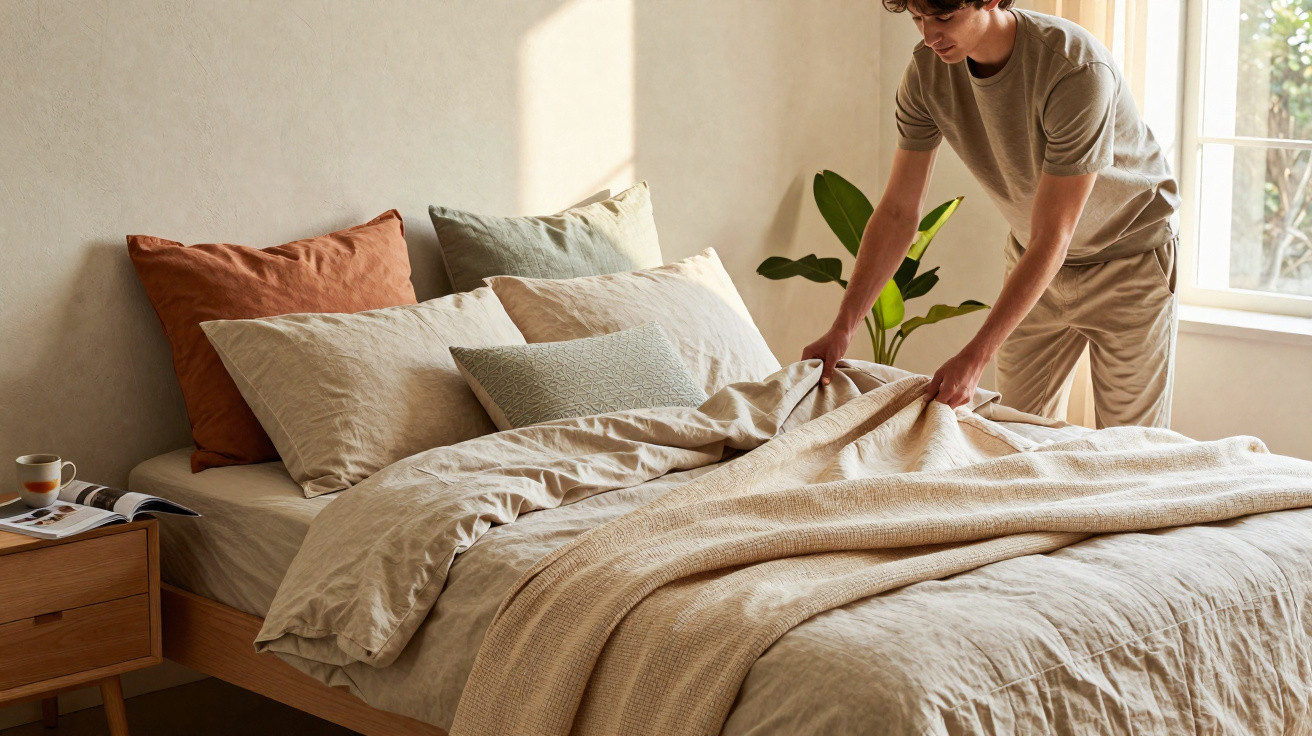
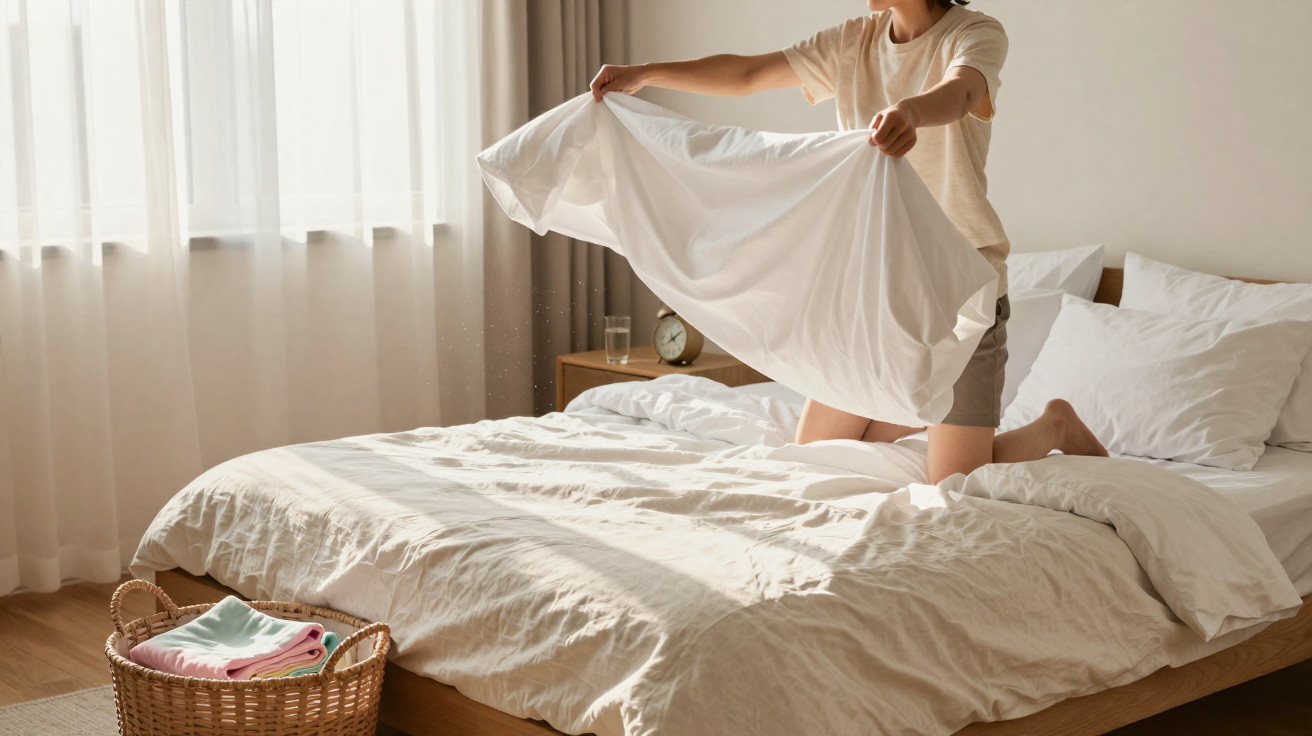
The adjustment is straightforward: rather than making the bed as soon as you rise, pull the bedding back.
Push the duvet towards the end of the bed or place it over a chair, then leave the sheets spread out.
If weather conditions and outdoor air quality permit, open the window, even slightly.
Allow the room to air for at least 30 minutes, and ideally for an hour or longer.
This gives perspiration and remaining moisture an opportunity to evaporate.
The mattress surface becomes drier, the sheets lose heat and the setting is much less welcoming to mites.
It can seem contrary to common practice, particularly if you were taught that a “proper” adult makes the bed straight away.
On a hectic weekday, leaving it unmade may even bring a small feeling of guilt or disorder.
One Sunday morning in a compact Madrid flat, I watched a young father do something that appeared, honestly, rather untidy.
He pulled the duvet from the bed, tossed it across a chair beside the open window and opened out the sheets like a sail.
“Allergies,” he shrugged, rubbing his nose. His son had spent years waking up congested and coughing.
Following an appointment with an allergist, they had made three changes: covering the mattress, hot-washing the bedding weekly and postponing bed-making.
Within a month, the boy’s bouts of sneezing each morning had reduced markedly.
There was nothing miraculous involved: simply a less favourable environment for mites and a family no longer quietly competing to have the “neatest bed” before breakfast.
Allergy specialists focus less on “killing” mites in a Hollywood-style sense and more on lowering their numbers and reducing their droppings.
Those droppings are the substances that provoke asthma, rhinitis and itchy eyes.
Airing the bed when you first get up is not an extreme hygiene measure.
It merely disrupts the combination of heat, dampness and stagnant air that allows mites to reproduce so readily.
Think of it as managing an ecosystem rather than attempting extermination.
Time, airflow and changing temperatures become subtle ways to keep this tiny habitat in check.
How to turn your bed into hostile territory for dust mites
The most useful morning step is remarkably easy: regard the bed as a damp towel that needs drying.
Get up, draw the duvet fully back and pull the fitted sheet so that it is taut and exposed.
Where possible, open a window to create cross-ventilation for at least half an hour.
During winter, or in cities where outdoor air quality is poor, simply leaving the bedroom door open and using a fan on a low setting can still help.
When you return later, perhaps after breakfast or immediately before heading out, you can then make the bed.
By then, the upper layers will be cooler and drier, and the microclimate favoured by mites will already have been disrupted.
Let’s be honest: nobody manages this flawlessly every day, all year round.
Some mornings are simply about survival: you take your coffee, phone and keys, and leave.
On those days, modest changes still make a difference over time.
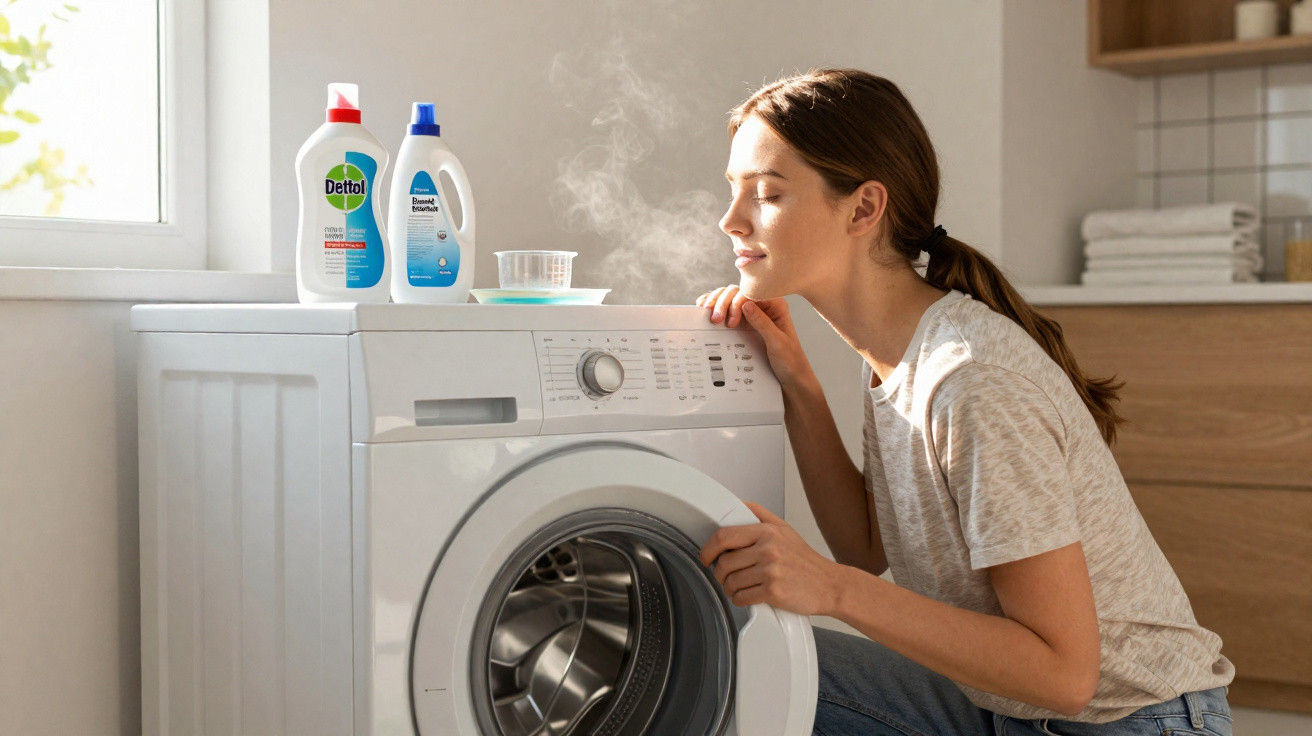
Mattress and pillow protectors, washing sheets at 60°C where possible, and reducing humidity in the bedroom all help, even if the bed remains somewhat disordered.
One frequent error is concentrating on the visible details – hospital corners, ornamental cushions and immaculate duvet lines – while overlooking what is occurring within the mattress.
Another is using fragranced sprays on bedding in the belief that they “sanitise” it; in most cases they merely disguise odours and may irritate airways that are already sensitive.
Allergy nurses will tell you: it is less about appearing clean and more about being less appealing to microscopic freeloaders.
If that leaves the bed unmade for some of the morning, your breathing in the future may benefit.
“People think of dust mites as a sign of a dirty home.
In reality, they’re a sign of a warm, comfortable, lived‑in home – and that’s why we need strategies, not guilt.”
To keep these strategies memorable, focus on layers rather than perfection.
Several reliable actions can gradually shift the balance away from mites.
- Air the bed for 30–60 minutes before making it.
- Use washable covers for mattresses and pillows, washing them hot each week.
- Keep bedroom humidity ideally between 40–50%.
- Wash duvets and blankets every 1–3 months, according to the season.
- Vacuum the mattress surface several times a year using a HEPA filter.
Rethinking what a “good” morning really looks like
There is something unexpectedly freeing in learning that the “lazy” choice can be the more sensible one.
Leaving the bed open to fresh air and light contradicts decades of tidy-home culture, but it fits closely with what is known about moisture and mites.
On a rushed Tuesday, your bedroom may look slightly less Instagram-ready.
At a more meaningful level, it is a modest act of practicality: a quiet decision to prioritise your lungs and sinuses over a brief sense of visual order.
We have been conditioned to connect neatness with health.
In this instance, science points another way and quietly advises: let the sheets air first, then make the bed look attractive.
Perhaps this adjustment will not only reduce your allergy burden.
It may also ease the way you judge yourself when the home is not immaculate, the bed remains open, or life feels slightly chaotic but you can breathe more comfortably.
It is a small morning act of defiance with meaningful effects for anyone experiencing asthma, rhinitis or chronic tiredness caused by disrupted, allergy-affected sleep.
It begins with something as simple as resisting the urge to tuck in the duvet as soon as your feet reach the floor.
You may still enjoy the appearance of a perfectly made bed.
There is no reason not to – simply wait an hour, until the unseen world beneath the sheets has had an opportunity to move in your favour.
| Key point | Detail | Benefit for the reader |
|---|---|---|
| Do not make the bed immediately | Leave the sheets open for 30–60 minutes after waking | Reduces humidity and makes the bed less favourable for dust mites |
| Control humidity | Keep the bedroom at roughly 40–50% humidity | Slows the spread of allergy-causing dust mites |
| Washing and protective covers | Dust-mite-proof covers and washing sheets and pillowcases at 60°C | Lowers the allergen load without complicated routines |





Comments
No comments yet. Be the first to comment!
Leave a Comment