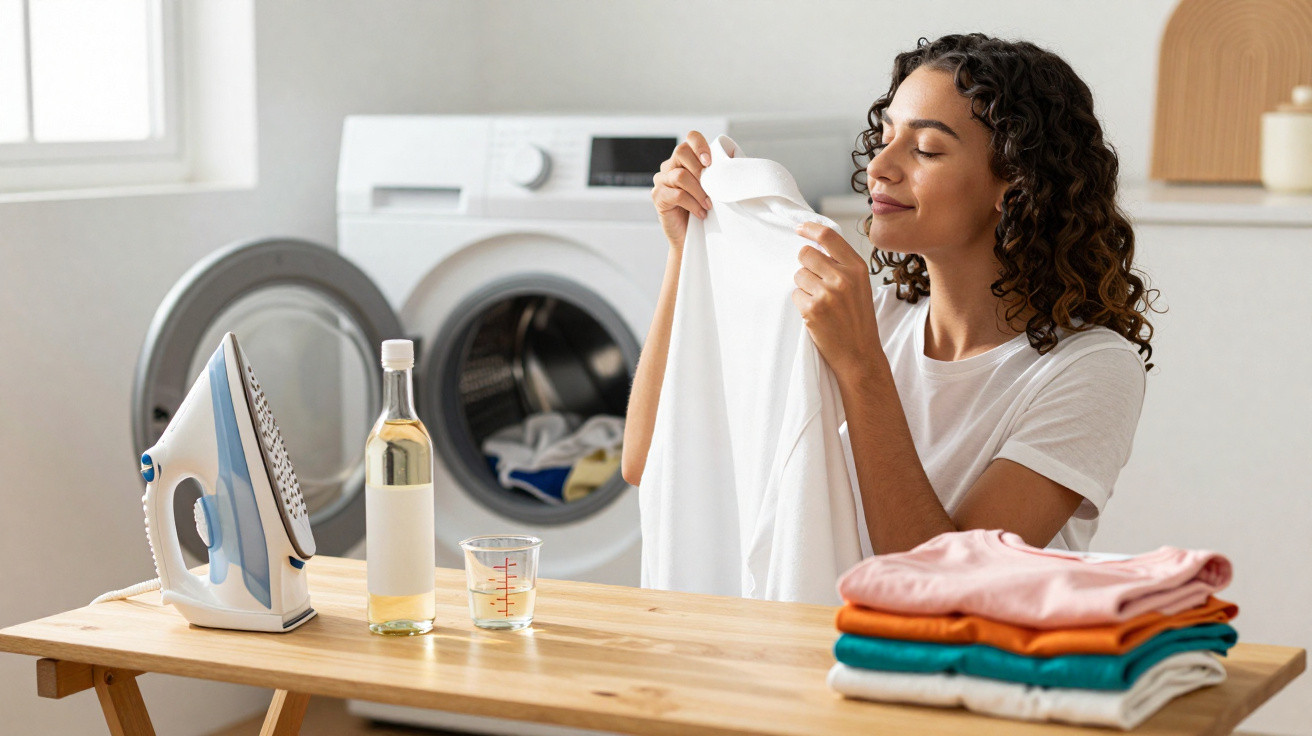
Keeping clothes fresh during hot everyday weather can become a major household challenge. Many garments emerge from the washing machine looking clean, yet still retain an unpleasant, persistent odour around the underarms.
How can you remove sweat odour from clothes permanently?
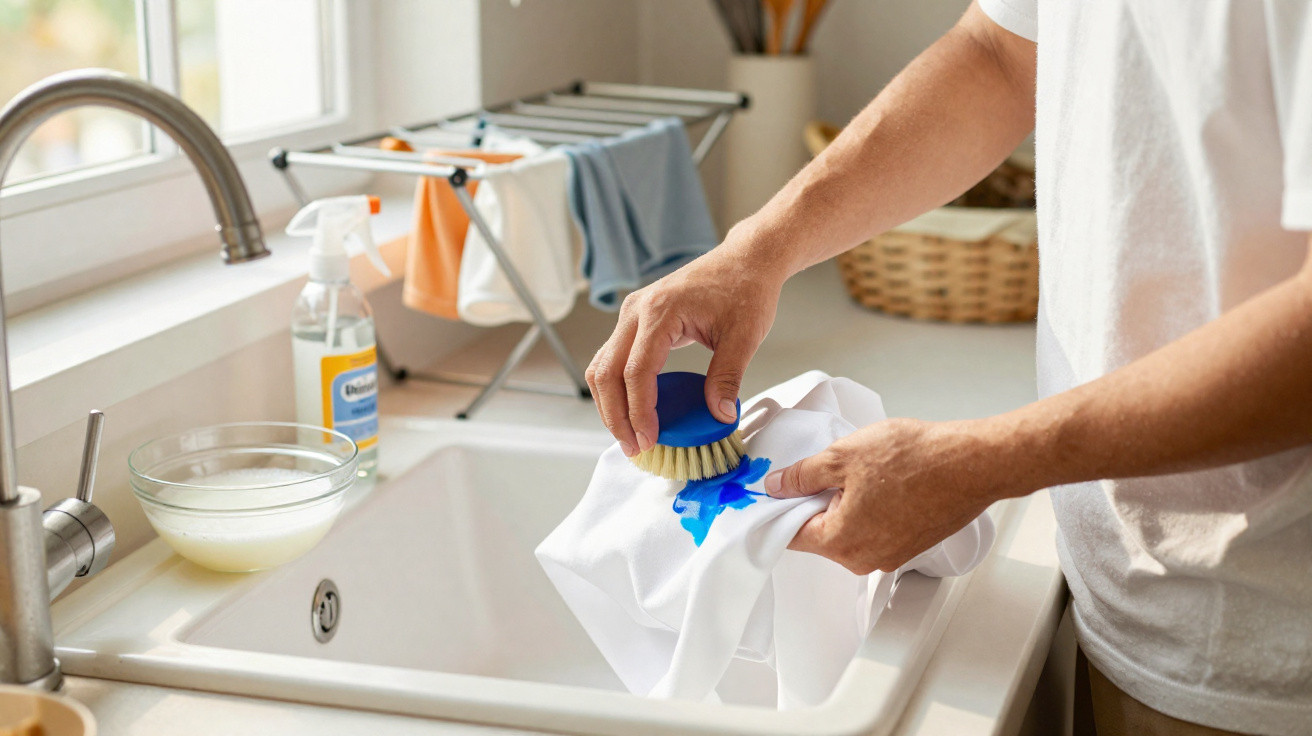
Ordinary detergent is not a complete disinfectant: it removes only surface dirt from fabric. As a result, the micro-organisms responsible for unpleasant smells remain alive in the fibres and can contaminate the entire washing machine drum during the wash.
To tackle this recurring issue simply, microbiology specialists recommend effective household alternatives. Used correctly, these readily available substances prevent cross-contamination between garments and restore freshness to your favourite fabrics without harming their colours.
Here are the key recommendations for treating your clothes:
- Distilled white vinegar: This acidic option fights micro-organisms without staining clothing.
- Standard disinfectant: Half a cup per litre of water efficiently destroys bacterial hotspots.
- ⏱ Correct timing: Pre-soaking must last exactly ten minutes to ensure it works.
- Wash afterwards: Put the garments in the machine to complete the usual washing cycle.
- Odour disappears: The strong vinegar smell vanishes completely in only five minutes.
Why does ordinary detergent not remove bacteria from fabrics?
The main purpose of powder or liquid detergent is to lift visible dirt particles and grease that build up on everyday clothing. However, it does not have disinfecting properties that can stop the growth of bacteria responsible for the unpleasant smell.
Putting strongly smelling items straight into the washing machine drum can spread contamination throughout the whole load. Consequently, otherwise clean garments may pick up these invisible harmful agents, causing ongoing difficulties in your clothing care routine.
Watch the detailed explanation presented on the Fala Brasil YouTube channel:
How should you clean the washing machine to prevent cross-contamination?
Cleaning the washing machine regularly is vital to break the cycle of bacterial contamination between consecutive washes. Failing to clean the appliance allows organic residue to build up, creating the ideal shelter for unwanted germs to multiply in the machine.
Deep cleaning
Complete disinfection
Fill the washing machine with water and add one litre of bleach, then run a full cleaning cycle.
This preventive maintenance should be carried out monthly to ensure all accumulated bacterial hotspots are removed.
The specialist warns that bleach used for this internal cleaning process must never be reused to wash coloured garments. This concentrated chemical has powerful bleaching properties that permanently damage the original pigment of any coloured fabric.
The benefits of keeping the drum sanitised include:
- Complete prevention of unpleasant odours developing in the washing machine.
- Effective protection for new clothes against harmful fungi.
- Assurance of washing cycles that are much more efficient and hygienic.
What role does white vinegar play in fighting unpleasant odour?
Distilled white vinegar acts as a powerful natural agent that breaks down the structure of the micro-organisms responsible for the unpleasant smell of sweat. Its acidity creates an environment that is entirely hostile to the bacteria that colonise clothing on intensely hot days.
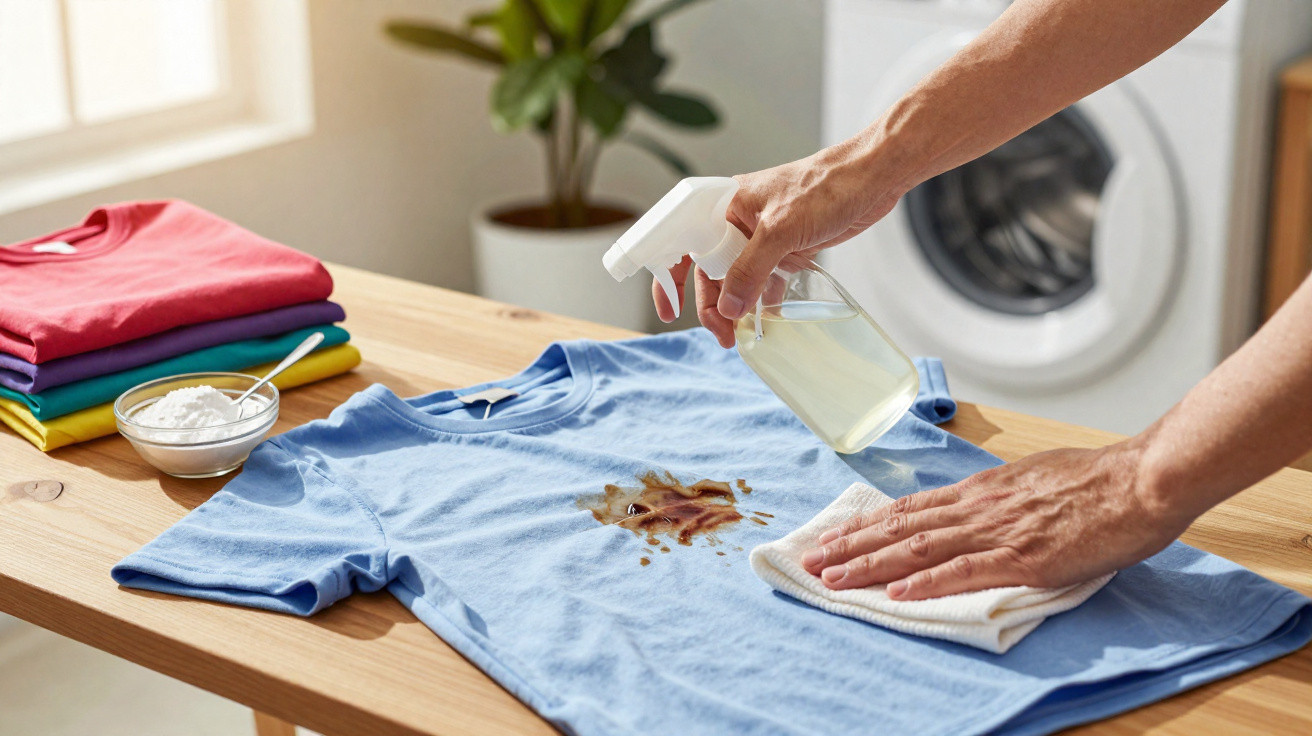
It is important to note that other varieties, such as apple cider vinegar or wine vinegar, are unsuitable for this cleaning purpose. These types contain colourings and sugars that can permanently stain your favourite garments while they are soaking.
Follow these essential precautions when using this method:
- Do not use coloured vinegars, to avoid unwanted stains.
- Observe the maximum soaking time of ten minutes in the bucket.
- Continue with a machine wash using your usual detergent.
How does an iron help remove remaining odours?
The final drying and ironing stage delivers the finishing blow to any micro-organism that has survived within the fabric weave. The intense heat produced by the appliance breaks down the remaining biological structures, providing deep and safe disinfection for intimate clothing.
This practice is recommended for tea towels, children's uniforms and cotton garments that come into direct contact with the body. Combining the initial soak with a hot iron leaves items smelling fresh and free from contamination by bacteria that cause unpleasant odour.
Read also: An unpleasant smell in a towel after washing is not necessarily the fault of washing powder









Comments
No comments yet. Be the first to comment!
Leave a Comment