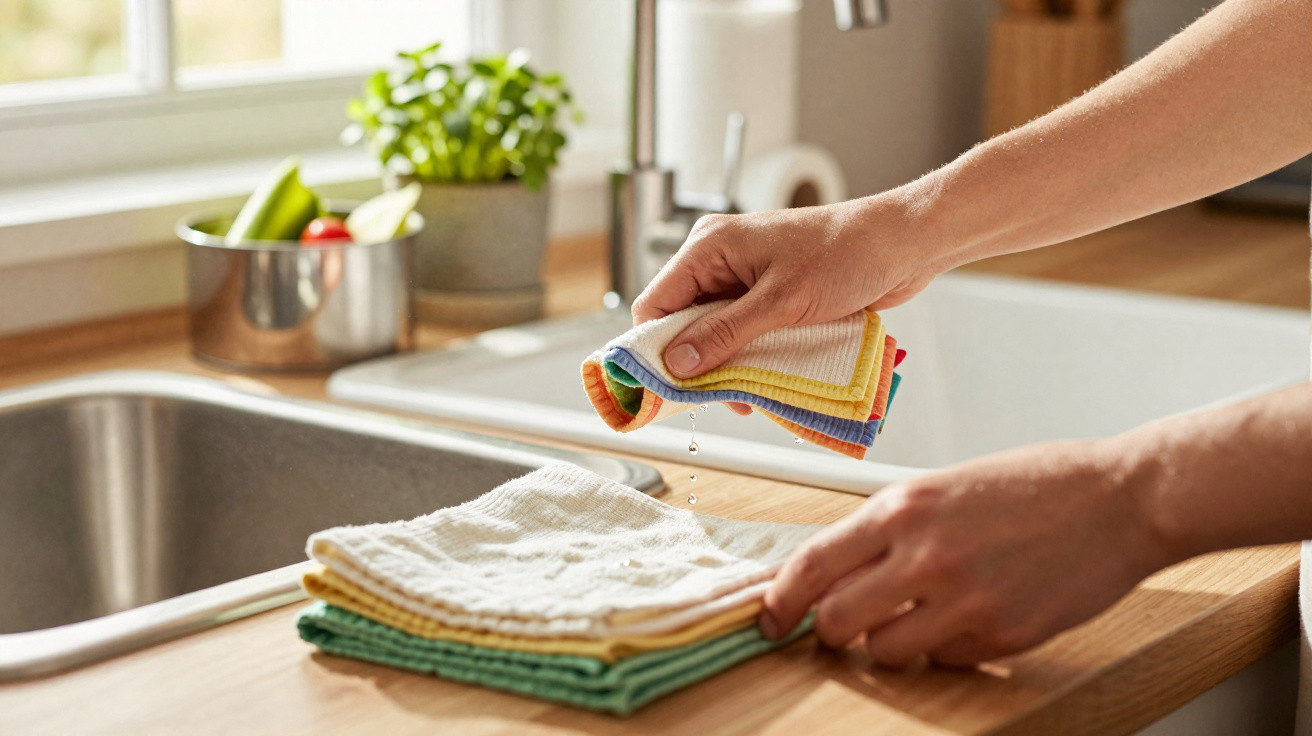
Using a kitchen roll every day has long been linked with convenience in the kitchen, but many households are starting to reconsider the habit. With prices rising and greater awareness of environmental impact, alternatives that save money, create less waste and keep routines practical are attracting more interest, including reusable kitchen cloths.
Why are reusable kitchen cloths becoming more popular?
Reusable kitchen cloths are a straightforward, affordable replacement for kitchen roll. Made from cotton, microfibre, bamboo or even offcuts from old clothing, they can be washed and used again many times.
From a financial perspective, the upfront cost of a set of reusable kitchen cloths is generally recovered within a few months when compared with annual spending on kitchen rolls. Environmentally, it is estimated that approximately 1 tree is needed to make between 40 and 50 kitchen rolls, highlighting the long-term impact.
What everyday benefits do reusable kitchen cloths offer?
Reusable kitchen cloths provide more than just financial savings: they can dry dishes, wipe worktops, soak up spills and even replace paper napkins. If they are washed regularly and dried thoroughly, they support a more sustainable routine without compromising hygiene.
Several advantages stand out for people looking to cut down on disposable products and make the kitchen more practical:
- Long-lasting use: one cloth can last for months when cared for properly.
- Less waste: the amount of paper thrown away each day is greatly reduced.
- Versatility: they can be used on surfaces, hands, dishes and pans, and even for covering food.
- Durability: they do not tear easily when used with grease or large amounts of liquid.
- Appearance: a range of colours and patterns can complement kitchen décor.
How should reusable kitchen cloths be chosen and cared for so they last longer?
When choosing reusable kitchen cloths, it is worth considering the material, texture and intended purpose, as some types are designed for dishes, heavy-duty cleaning or use as napkins. Knowing the differences helps maintain hygiene and extend the lifespan of each cloth.
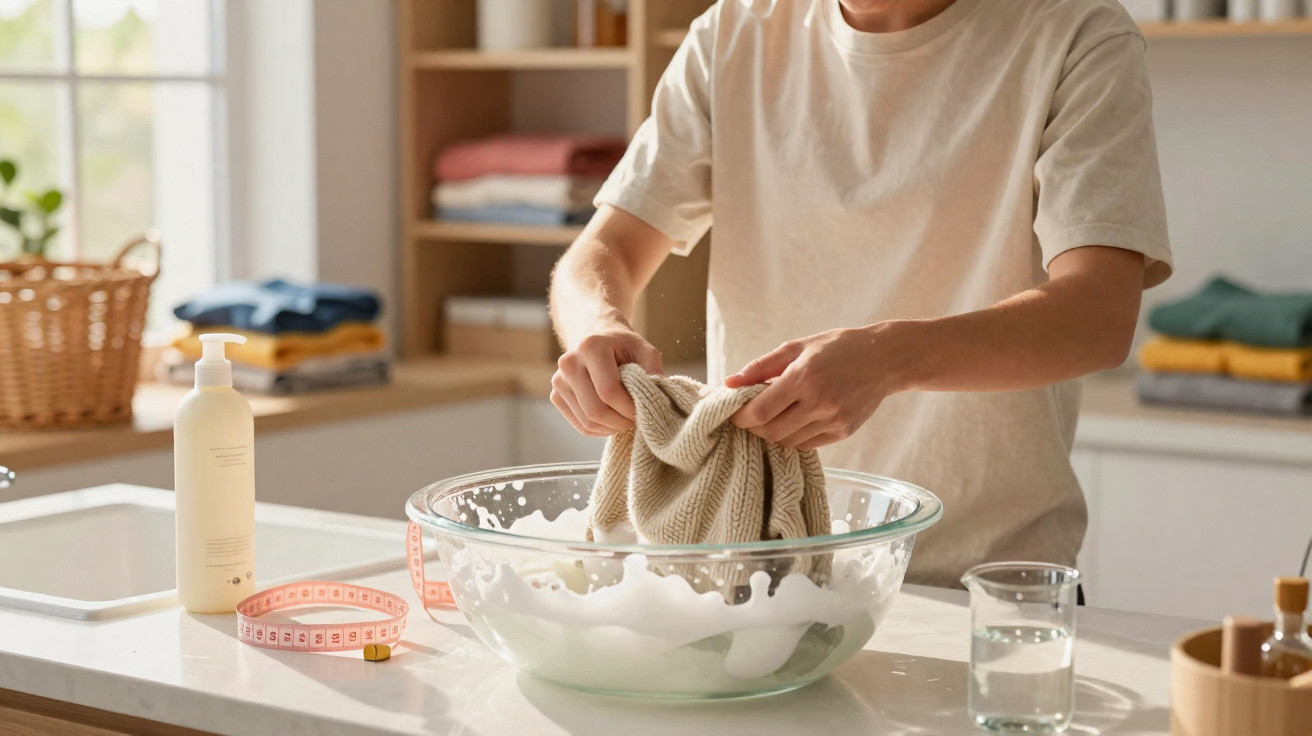
A few everyday measures make a difference: keep cloths separate according to their purpose, wash them often, dry them thoroughly in an airy place or in the sun, avoid using too much fabric conditioner on microfibre, and reserve very worn cloths for outdoor areas. For those who prefer the traditional format, washable cloth rolls joined with Velcro are now available; they can go in the washing machine and replicate the use of kitchen roll.
Is it worth replacing kitchen roll with reusable kitchen cloths?
Switching from kitchen roll to reusable kitchen cloths is a simple routine change that cuts spending and waste without sacrificing convenience. In many homes, kitchen roll is kept only for specific situations, while fabric cloths take on most tasks.
At a time of rising living costs and growing environmental concern, this change is a useful idea that can become an everyday habit. By choosing durable, well-maintained cloths, families can balance hygiene, savings and sustainability in small kitchens as well as busy households.





Comments
No comments yet. Be the first to comment!
Leave a Comment