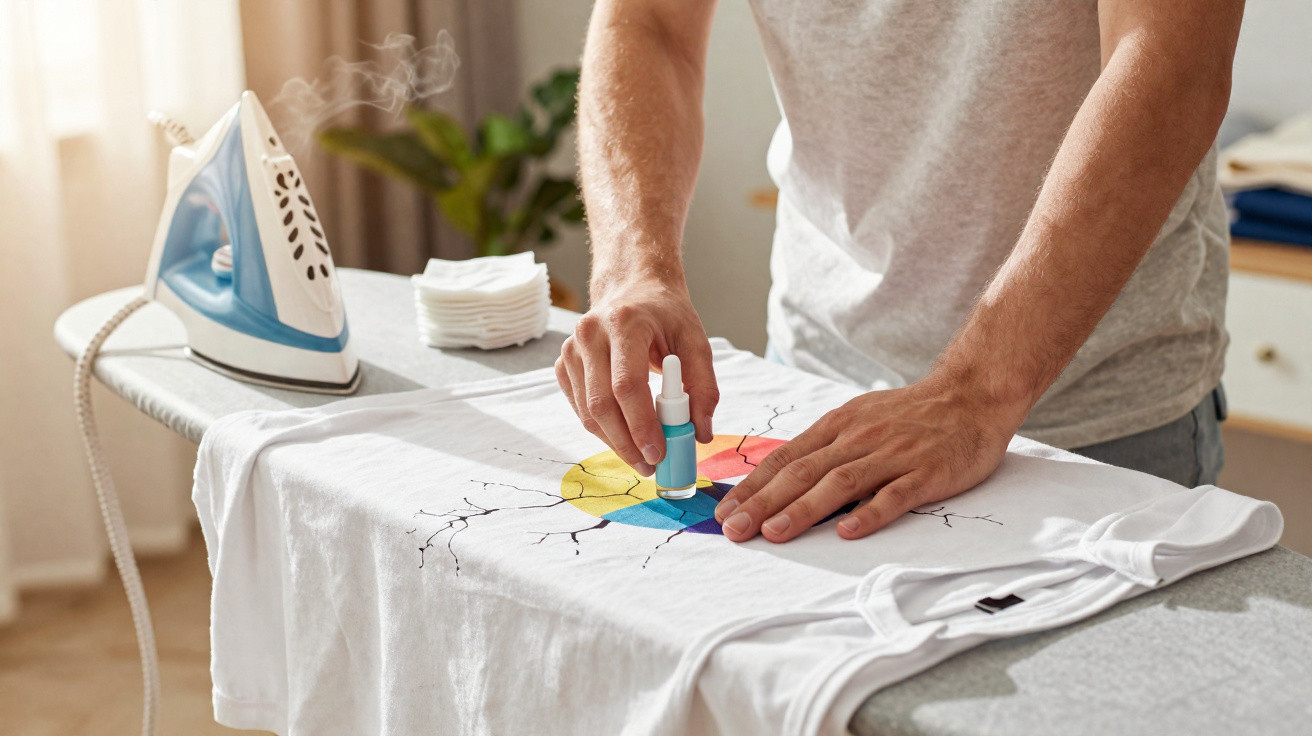
This is precisely where the rescue begins.
Many T-shirts are thrown away simply because the print looks cracked, even though the fabric itself remains in excellent condition. What few people realise is that a straightforward bathroom product, combined with an iron, can visibly smooth flaking prints and give a shirt several more years of wear - with no professional equipment and no sewing skills.
Why printed T-shirts start looking old so quickly
Whether it is a band T-shirt, a festival souvenir or a club logo, printed T-shirts rarely age evenly. The cotton fabric often lasts for a long time, while the print may crack after only a few washes. Tiny splits tend to appear first in areas where the fabric is constantly moving, such as the stomach, chest and centre of the back.
On many shirts, the design is made from a vinyl- or rubber-like layer pressed onto the fabric. Over time, this material hardens, becomes brittle and breaks a little further with every movement. The result is that its appearance suddenly shifts from “a much-loved vintage piece” to “I cannot really wear this any more”.
“The good news is that a cracked print does not automatically mean the shirt is beyond saving - the surface can be made more flexible again in a targeted way.”
That is the basis of a simple technique shared in many sewing forums and upcycling groups: a solvent is used to soften the print slightly, then an iron is used to lay it back down.
The unexpected bathroom helper: acetone
The key product for this repair is acetone, which is often found in nail varnish remover. It reacts with the print’s vinyl layer, making it temporarily softer without greatly affecting the fabric itself, provided it is used sparingly.
What you need to save a T-shirt
- an old but clean cotton cloth or tea towel
- acetone or acetone-based nail varnish remover, preferably without added oils
- a small piece of cotton wool, a cotton pad or a cotton cloth
- an iron with adjustable temperature settings
- a smooth, heat-resistant surface, such as an ironing board or a table with protective padding
Every item has a specific purpose: the cotton pad controls the amount of solvent, the acetone makes the print more pliable, the protective cloth prevents direct heat from reaching the design, and the iron helps to fuse the softened layer back into a more even surface.
Step by step: how to make the print smoother again
1. Prepare the area and carry out a test
Lay the T-shirt flat on the ironing board with the print facing upwards. Before beginning, test a very small amount of acetone on an inconspicuous section of the design to see how the material reacts. If the print becomes heavily discoloured or starts to dissolve, stop immediately.
2. Soften the print precisely
Lightly moisten a cotton pad with acetone. It should be damp rather than dripping wet. The aim is to treat only the surface of the printed layer, not the entire fabric.
“Rather than rubbing, gently dab the area - this helps already-crumbling sections stay in place.”
Now dab the cracked section carefully. Work slowly, one small area at a time. After a few seconds or minutes, the print should begin to soften. It will feel less hard and almost rubbery. If you are unsure, pause briefly and check it with your fingertip: once the surface feels more flexible, the amount used will usually be sufficient.
3. Add a protective layer
Before bringing in the iron, place a thin cotton cloth or old tea towel over the print. This layer acts as a safety barrier:
- it stops the vinyl from sticking directly to the soleplate
- it spreads the heat more evenly
- it makes the print less likely to overheat or become misshapen
The cloth should lie flat and without creases so that no new edges are pressed into the design.
4. Use heat to “push together” the cracks
Set the iron to a medium temperature with the steam switched off. Steam may create droplets that can leave marks. Place the iron onto the cloth over the print, initially only briefly, almost as though using a gentle stamp. Avoid pushing it around forcefully; instead, set it down carefully and move it only slightly.
“With heat, the particles in the print layer that have been softened by the acetone bond together somewhat more strongly again.”
Repeat this process gently. Gradually, many fine cracks will look smoother, and the overall print will appear more uniform. The important thing is to use several short applications rather than one that is too hot or too long.
Mistakes you should definitely avoid
Impatience can cause permanent damage. Common pitfalls include:
- Too much acetone: parts of the print dissolve or smear.
- Too much pressure while rubbing: cracks tear open completely and small pieces break away.
- Direct contact with the iron: the print melts, develops an unnatural shine or sticks to the iron.
- Excessive temperature: the fabric may develop shiny patches or become discoloured.
If you are uncertain, try the method first on a T-shirt that is less important to you. This gives you a chance to get to know how the material behaves.
How to keep the “new” print looking good for longer
Once the print is smoother again, it is worth treating it more gently in future. A few simple habits can noticeably extend its lifespan:
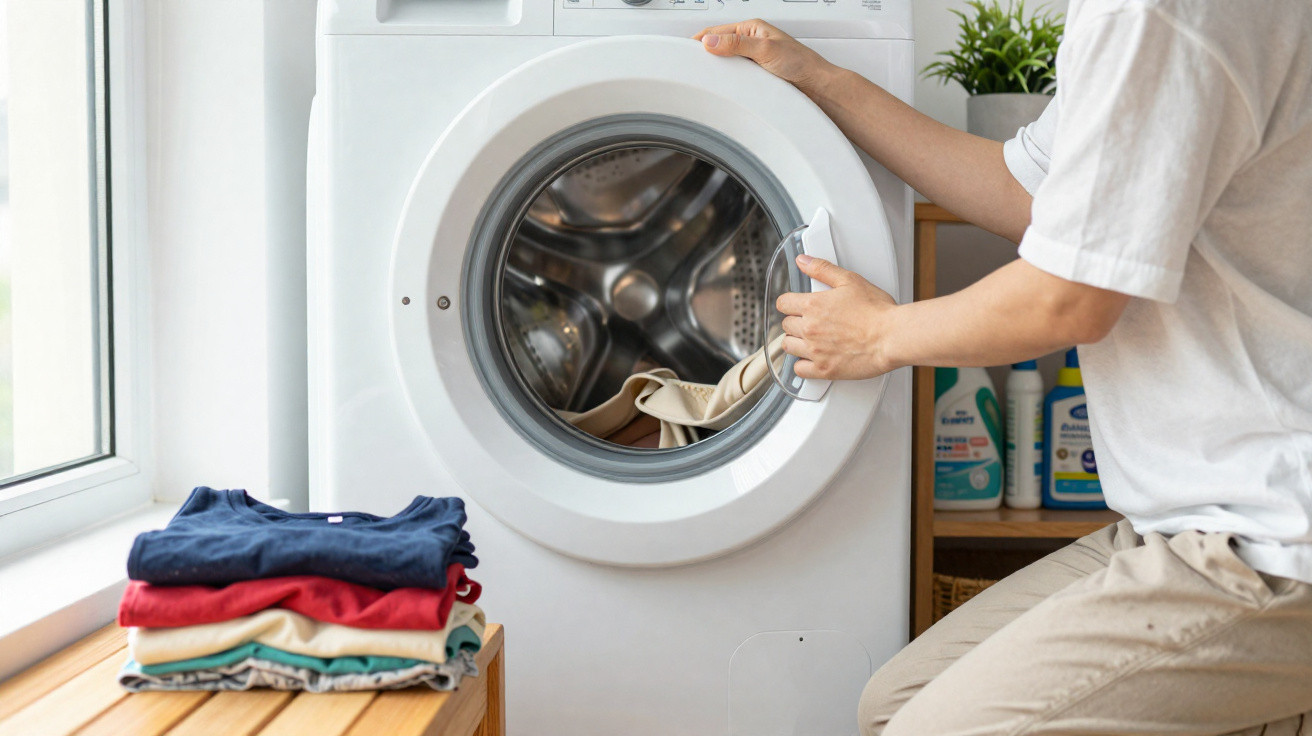
- turn printed T-shirts inside out before washing
- avoid extremely hot washes; 30 °C is usually enough
- use fabric conditioner sparingly, as it can affect the printed layer
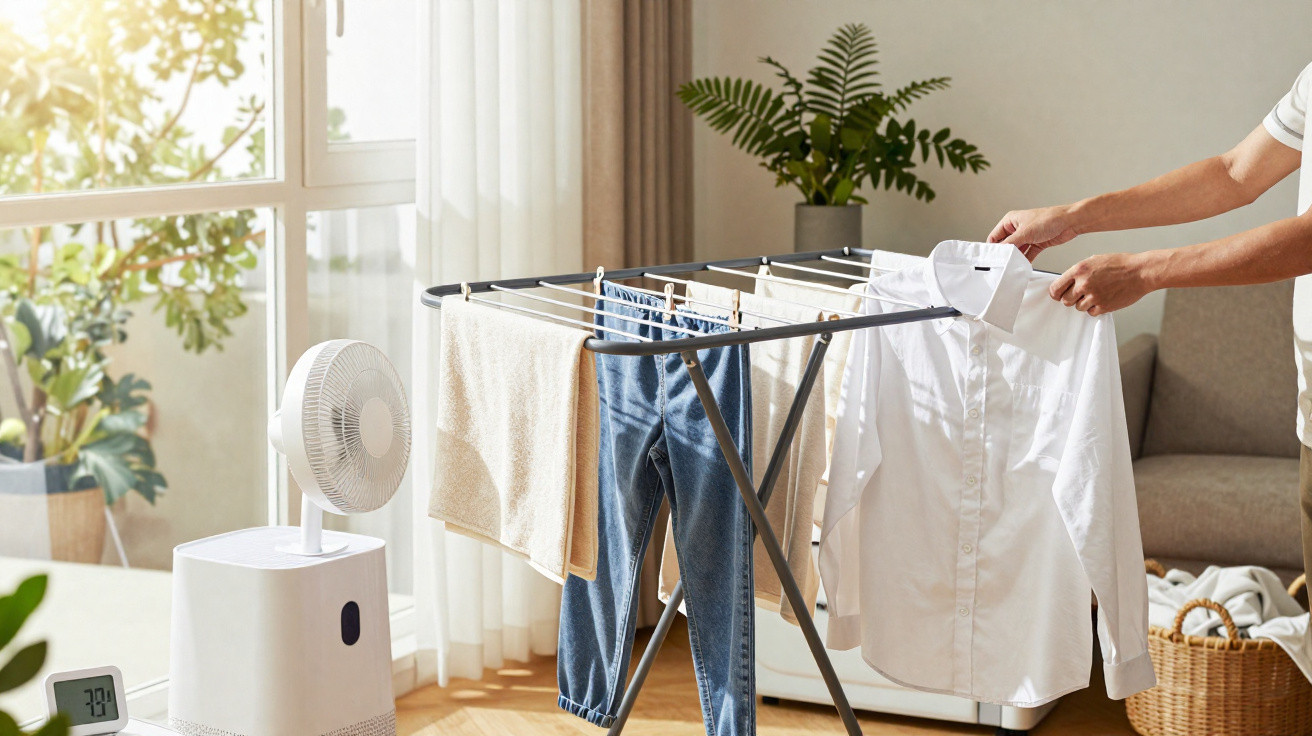
- do not “cook” the shirt in a tumble dryer; air-dry it instead where possible
- when ironing, continue to protect the print with a cloth and use a medium setting
The printed layer is especially sensitive after a “rescue operation”. Treating the shirt roughly again straight away can quickly undo the result.
When the repair is worthwhile - and when it is not
This method is particularly suitable for:
- T-shirts with moderate to fine cracks in the print
- prints that feel hard and slightly brittle
- favourite items you would like to wear for another year or two
The effort is less worthwhile if the print is already peeling away across large areas or if the fabric itself has holes. In that case, upcycling is often the better option: the motif can be turned into cushion covers, tote bags or patch details for other garments.
Why acetone works - and where care is needed
Acetone is a type of solvent. It can soften certain plastics and coatings without strongly dissolving cotton at the same time. This is exactly why the print reacts more noticeably than the fabric. Even so, it should be handled with some care: in large amounts, it can affect colours, irritate the skin and should not be inhaled in enclosed spaces.
Anyone with sensitive skin is better off wearing gloves briefly and ensuring the room is well ventilated. Nail varnish remover containing conditioning oils can work in principle too, but it may leave residue behind. If there is a choice, opt for a simple product without a mixture of fragrances and oils.
More life for your wardrobe through small tricks
Repairing a cracked print is only one example of how clothing can be used for longer with a few simple steps. Many items seem “finished” only because one detail is no longer perfect. A button, a seam or a print may be a reason to buy new for the textile industry, but in everyday life, 15 minutes of work is often enough.
Knowing a few of these small tricks saves money, reduces textile waste and keeps favourite pieces in regular use for longer. That is what this bathroom-cupboard trick is about: not turning every old T-shirt into a museum piece, but simply giving it a few more good outings before it finally becomes a cleaning rag or upcycling material.








Comments
No comments yet. Be the first to comment!
Leave a Comment