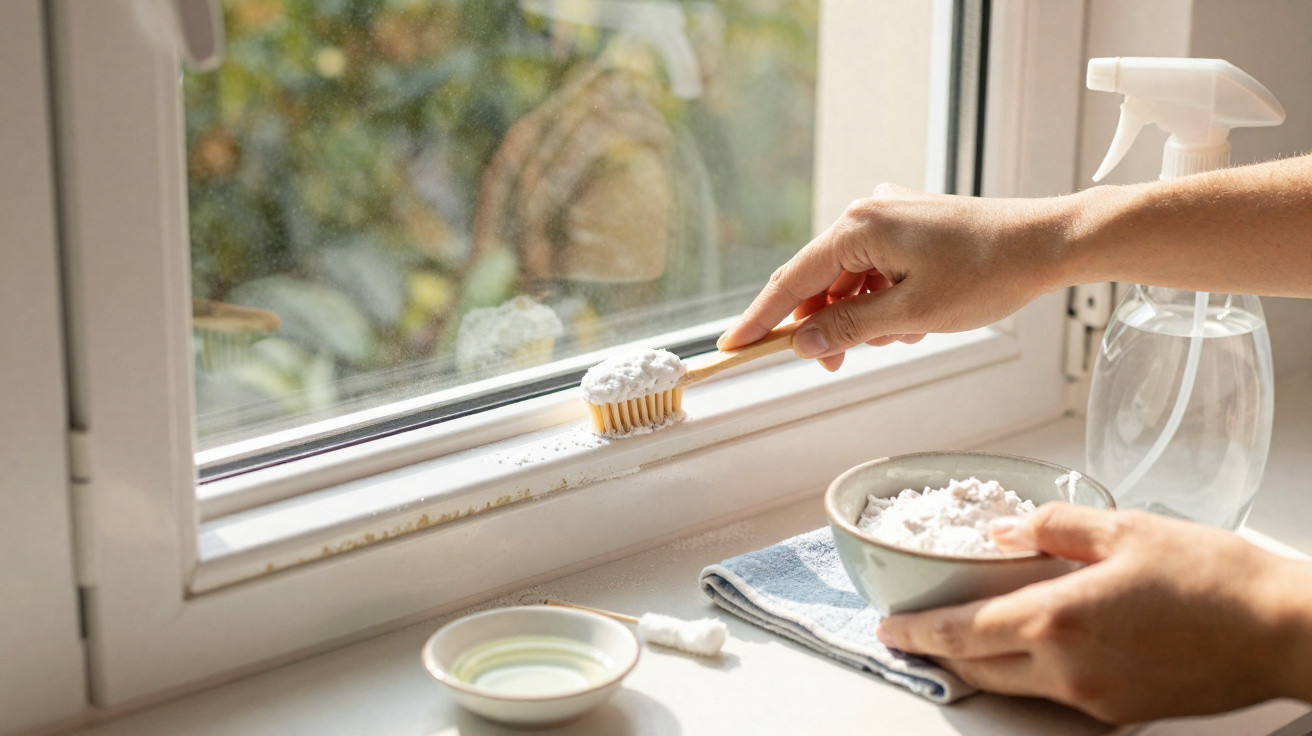
Dust-filled window tracks can reveal a great deal about a home, but most people overlook them until the window glass will hardly slide.
Tucked beneath the sash and largely unseen, these channels gradually collect dirt, insects and moisture. Yet a low-cost white powder found in almost every kitchen cupboard can improve the situation in under half an hour.
Why baking soda works so well on window tracks
Also called sodium bicarbonate, baking soda acts both as a fine scrubber and an absorber of unpleasant odours. This combination makes it particularly useful for the dirty channel at the bottom of a sliding window or patio door.
Baking soda loosens caked-on dirt, tackles smells from damp grime and helps the sash glide again without scratching the frame.
A mild abrasive that protects the frame
Window tracks build up a stubborn mixture of dust, pollen, dried mud and oily deposits from hands or city pollution. Powerful conventional cleaners may damage aluminium, pit soft PVC or take the sheen from painted timber. Baking soda provides gentle abrasion that loosens the hardened layer without cutting into the surface.
Its individual particles create enough friction to break through the film that obstructs the rollers. Applied with a soft brush, it removes the grey build-up that would otherwise require repeated cleaning with more aggressive products.
Controlling odours in damp, neglected spaces
Tracks are positioned where condensation gathers, rainwater can enter and insects pass through. Leaf fragments, dead insects and pet hair can remain inside this damp recess. In time, bacteria and mould spores thrive there, creating a musty odour, particularly during summer or in coastal areas.
Baking soda naturally neutralises many of the acidic compounds responsible for these smells. Rather than merely masking the odour, it reacts with particles on the surface to reduce it. This is especially useful in compact rooms or flats where windows are seldom left open for extended periods.
Moisture control and mould prevention
Although baking soda cannot dry a saturated frame, it can take up a small amount of surface moisture and alter the pH within the track. Mould favours slightly acidic and damp conditions. Sodium bicarbonate raises the local pH, making the area less suitable for some common moulds.
Regular baking soda cleanings reduce the thin damp film where mould spreads, especially on plastic and aluminium tracks exposed to rain.
This preventative benefit is not a substitute for adequate ventilation or repairing leaks, but it can help delay the return of familiar black spots around the corners.
Step-by-step: how to clean window tracks with baking soda
This technique calls for patience rather than specialist ability. Most homes already have the necessary items.
- Clear loose dust using a dry brush or a vacuum cleaner fitted with a narrow nozzle.
- Scatter a light coating of baking soda along the full length of the track.
- Add several drops of water to create a soft paste rather than a runny mixture.
- Allow it to sit for 5 to 10 minutes to loosen embedded dirt.
- Scrub with an old toothbrush or small nylon brush, working into corners and screw holes.
- Remove the dirty paste with a damp cloth or sponge, rinsing it as needed.
- Dry the track thoroughly with a clean cloth to prevent new rust on metal components.
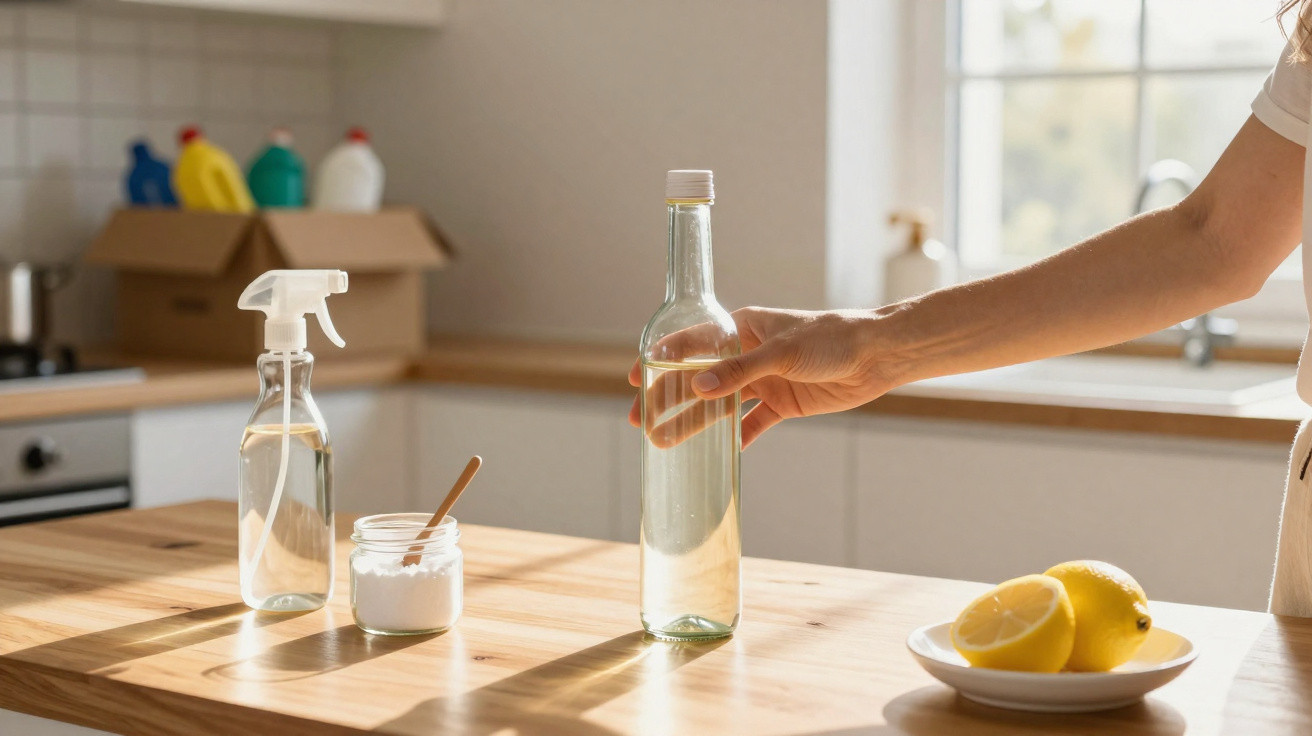
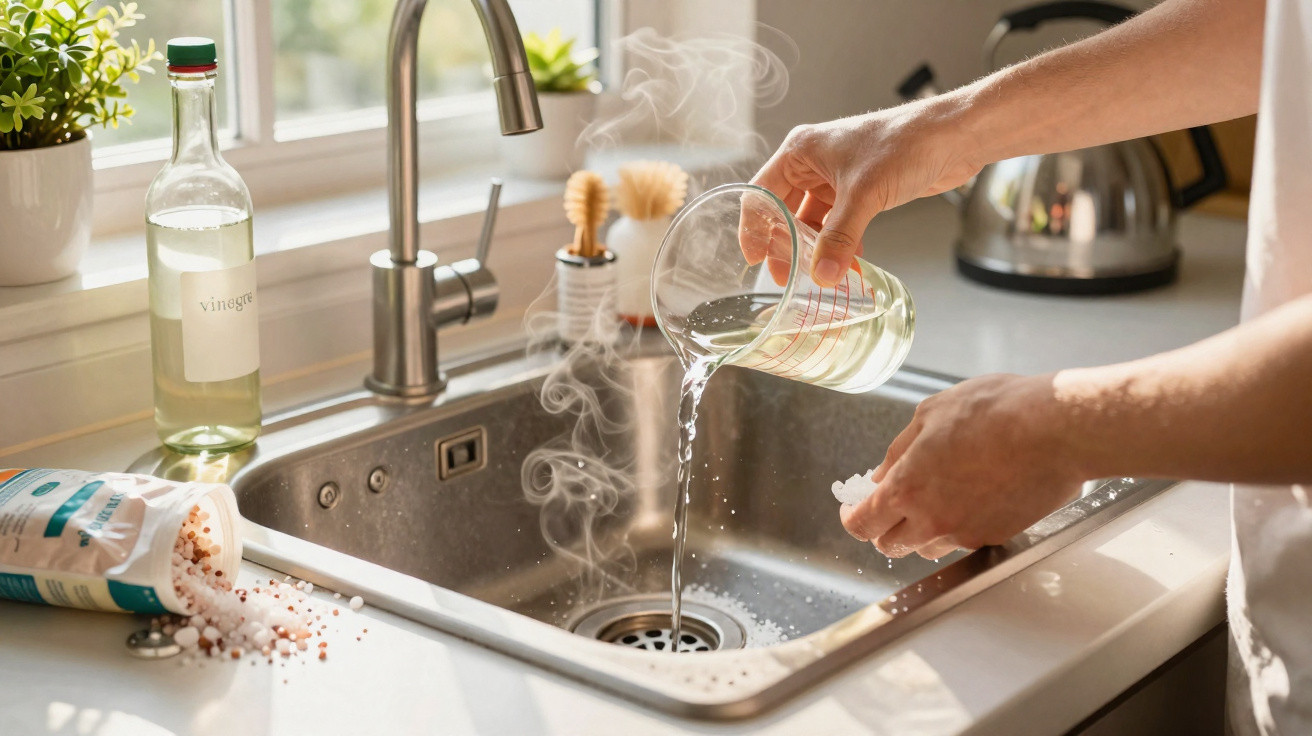
If grease or sticky urban deposits have accumulated, a basic kitchen combination provides added cleaning strength. Add a small amount of white vinegar to the baking soda. The resulting fizz helps release oily residue and old sealant fragments that gentle cleaners often fail to shift.
The vinegar-and-baking-soda foam reaches into tiny gaps and under rollers, pushing out grime that brushes alone often leave behind.
People living in busy cities notice a marked improvement when they include this stage every few cleans, particularly on balcony doors facing heavily used roads.
How often should you clean the tracks?
The ideal cleaning schedule varies according to your location and how often the windows are used. A dry flat on an upper floor in a quiet street will not become clogged as quickly as a ground-floor property beside building work or a dusty road.
| Environment | Suggested track cleaning frequency |
|---|---|
| Urban area with heavy traffic or dust | Every 2 weeks |
| Humid or coastal climate | Every 2–3 weeks |
| Temperate, low-dust suburb | Once a month |
| Rarely opened windows | Every 2–3 months, plus after storms |
Many window installers recommend at least a brief monthly clean. This routine keeps rollers moving freely, limits pressure on handles and locks, and may extend the lifespan of seals, which frequently fail well before the glazing does.
Hidden benefits: from smoother sliding to lower repair costs
Grimy tracks cause more problems than an unattractive appearance. Dirt creates friction, making people push harder to operate the window. Over time, this force can slightly distort frames, wear down plastic guides and throw latches out of alignment.
Maintaining clean tracks brings practical advantages:
- Windows move with less force, helping older people and children use them safely.
- Locks align more readily, reducing the chance of someone slamming the sash to make it engage.
- Weatherstripping creates a better seal, potentially reducing minor draughts and heat loss on windy days.
- Rollers and glides remain serviceable for longer, reducing the likelihood of expensive call-outs.
A 20-minute cleaning every month can delay the day when a technician must remove the sash, replace worn rollers and re‑seal the frame.
For tenants, clear tracks may also prevent disputes when moving out, as many landlords now check sliding doors and windows for “heavy soiling” in end-of-tenancy reports.
A quick look at baking soda’s long journey to the window frame
This familiar household product has remarkably ancient origins. Ancient Egyptians used natron, a naturally occurring mineral mixture rich in carbonates, for cleaning textiles, preparing bodies for burial and caring for teeth and skin. They used the material long before chemistry assigned it a precise name.
European chemists did not isolate sodium bicarbonate as a separate compound until the 18th century. This development transformed an unknown salt into a consistent ingredient that could be measured, tested and manufactured repeatedly.
Production on an industrial scale expanded during the 19th century through the Solvay process, which converted everyday raw materials such as salt and limestone into soda ash and bicarbonate. As its cost declined, the powder made its way into bakeries, chemists and eventually supermarket shelves across the world.
Today, the same white crystals that help produce a light sponge cake also remove tannin marks from mugs, ease acid stomachs under medical guidance and clean shower grout. Using it for window-track care is simply another illustration of how one uncomplicated molecule supports numerous everyday household jobs.
Practical tips, variations and safety notes
Although baking soda is usually gentle, several practical precautions can make the work simpler and safer.
- Do not make the paste too wet; surplus water can force dirt further into gaps and reach concealed timber or insulation.
- For narrow corners that brushes cannot reach, use a wooden skewer or cotton bud.
- Wear lightweight gloves if your skin is sensitive, particularly when using baking soda and vinegar together.
- Do not leave the powder on uncoated anodised aluminium for prolonged periods; rinse well to avoid dull marks.
- Fully open the window and secure it with a prop before cleaning near its edges, preventing unexpected movement.
Homeowners seeking an extra measure often finish by applying a very thin layer of silicone spray or dry Teflon lubricant to the clean, dry rails. This keeps the mechanism moving smoothly and helps dust slide away rather than adhere. Oil-based products, including cooking oil and motor oil, attract dirt and may reverse the cleaning benefits within weeks.
This approach for window tracks can also be used on sliding wardrobe doors, shower enclosures with bottom rails and certain conservatory systems. Vary the quantity of water and brush type to suit the material. Glass-fibre, lacquered timber and soft PVC all require a light touch and less contact time with any cleaner, including one as household-friendly as baking soda.






Comments
No comments yet. Be the first to comment!
Leave a Comment