
Using thin liners every day, however, comes with a downside.
Panty liners can create a reassuring feeling of cleanliness and security. They absorb discharge, help protect favourite underwear and initially seem conveniently practical. Yet using them every day can lead to the very opposite: irritated mucous membranes, infections, skin complaints and an imbalance in the intimate area. Specialists therefore give clear advice: use panty liners selectively rather than treating them as a permanent part of your clothing.
Why vaginal discharge is entirely normal – and protective
Many women reach for panty liners for one reason alone: vaginal discharge. Although it can sometimes feel inconvenient, it is an essential part of vaginal health.
- Cervical mucus is produced in the cervix.
- It contains lactic acid bacteria that help establish a stable vaginal flora.
- These bacteria inhibit fungi, viruses and harmful germs.
- A subtle smell and a clear-to-whitish colour are considered normal.
“Anyone who continually ‘pads away’ normal discharge interferes with a finely balanced protective system – often for no reason.”
This protective system needs air and a reasonably neutral environment. Skin that remains covered by non-breathable material finds it difficult to stay balanced.
What many panty liners contain – and why it can cause problems
Panty liners may appear harmless and soft. In reality, many products contain a mixture of plastics, adhesives and chemically treated fibres.
A chemical cocktail against the mucous membrane
Typical components of conventional liners include:
- synthetic fibres and plastic films to provide shape and leak resistance
- organohalogen compounds intended to prevent yellowing
- superabsorbents that soak up and retain fluid
- fragrances and perfume to mask odours
- optical brighteners and dyes for a white, “clean” appearance
Organohalogen compounds can trigger allergies and are, in some cases, suspected of being harmful to health over the long term. They do not enter the body in large amounts, but they sit directly against a particularly sensitive area.
“The thin mucous membrane of the vulva is considerably more sensitive to irritants than ordinary body skin – and constant friction intensifies the effect.”
Adhesives and plastics also offer very little breathability. The skin becomes warm, damp and soft, creating an ideal breeding ground for germs.
A warm, damp environment: why daily panty liners encourage infections
Moisture accumulates beneath a panty liner. Sweat, discharge and possibly small amounts of urine cannot evaporate as easily as they can in cotton underwear alone.
This may result in:
- softened skin in the intimate area
- more frequent irritation and redness
- itching and burning
- a greater susceptibility to fungal infections
- bacterial vaginal infections with an unpleasant smell
Irritated mucous membranes are less able to defend themselves against germs. At the same time, certain fragrances and chemicals disrupt the natural acidic environment. Lactic acid bacteria lose ground, while fungi such as Candida have an easier time.
Why panty liners can actually make odour stronger
Many women use a liner because they worry about odour, then find after a while that it seems to worsen instead. There are several reasons for this:
- trapped moisture promotes bacteria that produce odorous substances
- fragrances briefly cover up odour but alter the natural environment
- irritation can sometimes cause increased discharge – which in turn adds more moisture
“A strong, suddenly changed smell is more likely to be a warning sign of an infection than a ‘hygiene problem’ that can be solved with panty liners.”
Skin rashes, inflammation and mountains of waste
Alongside infections, regular use can cause further issues that many people do not immediately associate with panty liners:
- Skin rashes: small red spots or pustules around the bikini line
- Contact allergies: itching and burning precisely where the liner adheres
- Inflammation: painful, sore areas caused by ongoing friction and moisture
There are practical drawbacks too: liners can slip, bunch up, leave adhesive residue in underwear and provide hardly any protection during a period. Consumer magazine tests repeatedly find products that fall short, whether because of their ingredients or their actual absorbency.
Their environmental impact is another consideration. Daily panty liners create a huge amount of waste year after year. The plastic content breaks down only very slowly. Using them continuously also has a noticeable cost, particularly when branded products are chosen.
When panty liners are useful – and when they are not
There is no need to avoid panty liners altogether. They can be useful in certain circumstances:
- shortly before or after a period, when there is light residual bleeding
- for isolated “accidents”, such as a sudden increase in discharge
- while travelling, when changing underwear quickly is not possible
- temporarily for mild stress or cough-related urine leakage, until the cause has been clarified
When used permanently every day, though, they often replace just one thing: trust in your own body. Anyone who finds healthy, neutral discharge bothersome is more likely to use a liner than to ask whether it is genuinely necessary.
“The best ‘panty liner’ for everyday life remains well-fitting underwear made from breathable cotton, which absorbs moisture while allowing the skin to breathe.”
Healthier alternatives for a fresh feeling
Breathable underwear and reusable cloth liners
If you feel uncomfortable without additional protection, gentler options are available:
- underwear made from pure cotton or bamboo viscose
- period underwear with a thin absorbent layer, including outside menstruation
- washable cloth liners made from organic cotton, without plastics or fragrances
These alternatives allow more air to reach the skin while reducing waste. Regularly changing underwear remains important – ideally at least once a day, and more often if you sweat heavily.
Gentle intimate care rather than permanent padding
For a fresh feeling, a simple but consistent care routine is usually enough:
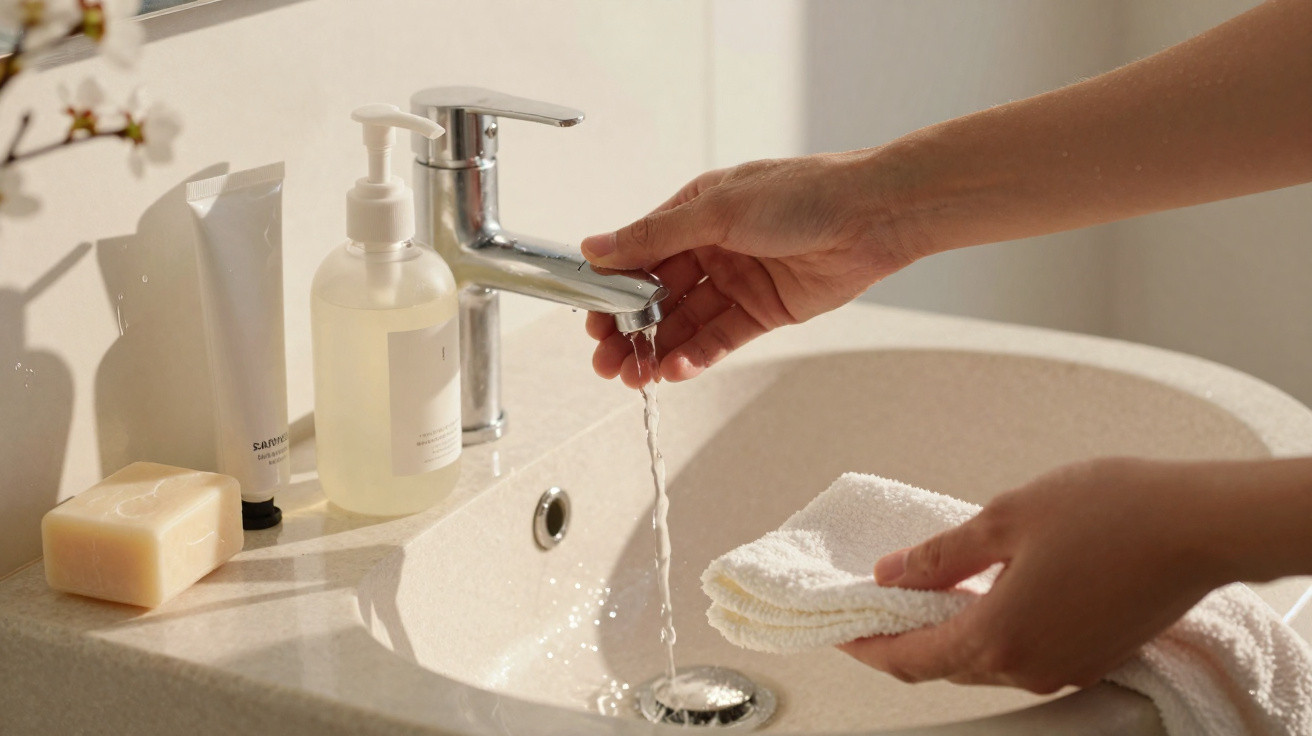
- wash only the outer vulva with lukewarm water
- use a mild, skin pH-neutral wash lotion, without applying it inside the vagina
- avoid intimate deodorants and sprays
- dry thoroughly but gently after showering
The vagina cleans itself through discharge. Extra douches, sprays or heavily perfumed products disrupt its natural ecosystem and encourage precisely the problems they are meant to prevent.
When to see a doctor – and what remains normal
Not every change in discharge is cause for alarm, but it is worth looking closely. Gynaecology practices recommend making an appointment, among other things, if:
- discharge suddenly smells strongly (fishy or foul)
- its colour turns yellowish, greenish or brownish
- itching, burning or pain develops as well
- small traces of blood appear outside your period
A liner offers no solution here; it only conceals the signs. Specialists can determine whether an infection, fungal condition or another cause is responsible, and provide targeted treatment.
Those who stop using a daily panty liner often notice within just a few days that their skin settles, itching eases and the feeling of “constant dampness” disappears. The body shows quite quickly what suits it. Many women report that the perceived “insecurity” of going without a liner fades after a short time, once they realise how little they truly need one in everyday life.







Comments
No comments yet. Be the first to comment!
Leave a Comment