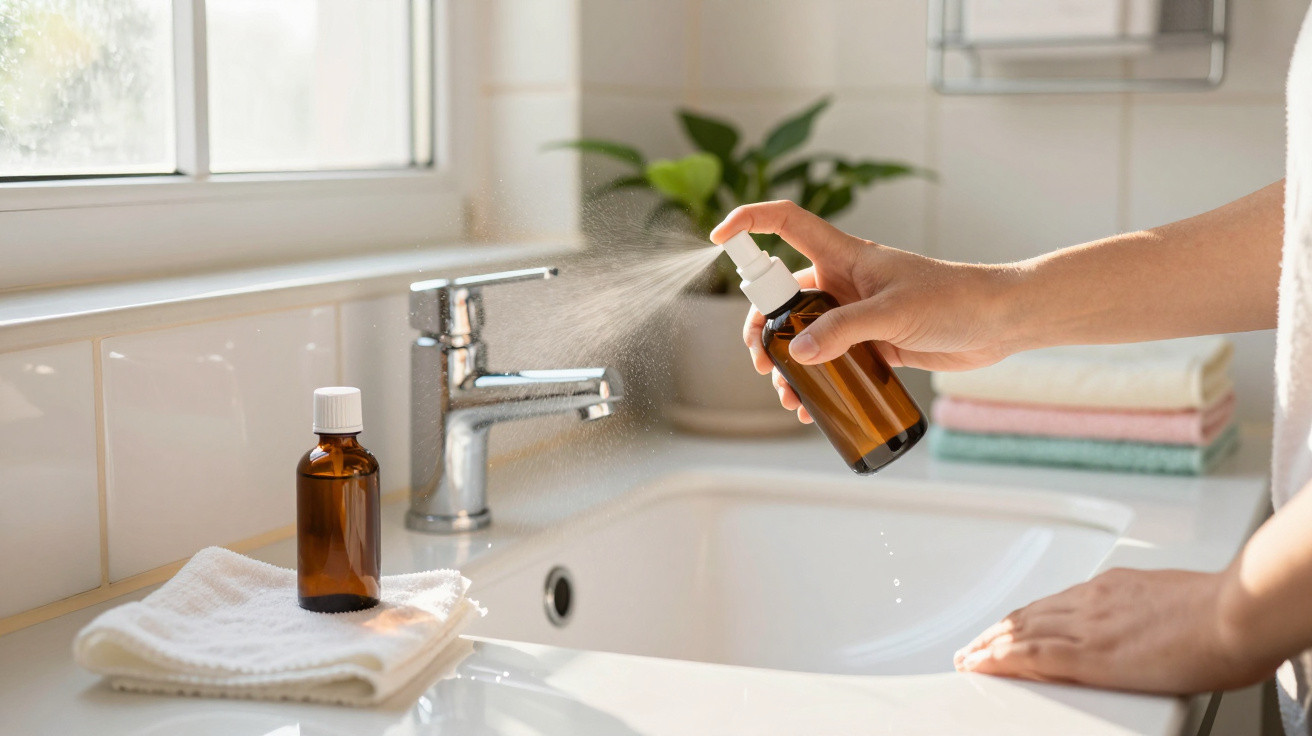
It can clean more effectively than a cupboard packed with expensive sprays. Most of us spray, wipe and assume the bathroom is germ-free, but the labels contain a catch: the surface has to remain wet far longer than we usually allow. At the same time, an unassuming clear liquid can tackle dirt and microbes within seconds, with none of the scented haze. It does not smell of “fresh rain”. It smells like a job getting done.
Picture a Tuesday morning you will probably recognise: steam coating the mirror, toothpaste across the basin and somebody shouting for a clean towel. I use the usual antibacterial spray, see it collect in droplets on the tap, and then walk off. When I return, the chrome gleams almost smugly. But looking shiny is not the same as being sanitary. A neighbour gives me a brown bottle fitted with a budget trigger spray. “Try this,” she says. I spray it, catch a faint hiss and spot the familiar fizz. That fizz does not lie.
The bathroom disinfectant hiding in plain sight
The answer is 3% hydrogen peroxide in its brown bottle. In bathrooms, it is an understated workhorse: an oxidiser that damages bacterial cell walls and the outer envelopes of many viruses. It bubbles when it meets organic residue, which is satisfying to watch and offers a useful indication that you have treated the right area.
For a home test, I divided a basin into two sections. I applied the fashionable antibacterial spray to the left and a mist of hydrogen peroxide (3%) to the right, leaving the latter for five minutes. ATP swabs gave a straightforward result: the peroxide-treated section fell close to baseline, whereas the spray-treated side levelled off unless the surface was kept visibly wet for an extended period. It was not a laboratory trial, but it was the sort of kitchen-table evidence that feels familiar.
The reasoning is simple. A number of “antibacterial” sprays use quats, ingredients that may struggle against viruses and lose effectiveness as they dry. Their labels commonly specify 5 to 10 minutes of wet contact, something that a rushed morning rarely accommodates. Peroxide has no need for fragrance or tacky additives: it reaches into tiny deposits of muck and breaks them down. Afterwards, it returns to oxygen and water. The brief fizz is not merely theatrical; it is oxidation taking place on your tiles.
How to deep-clean with hydrogen peroxide
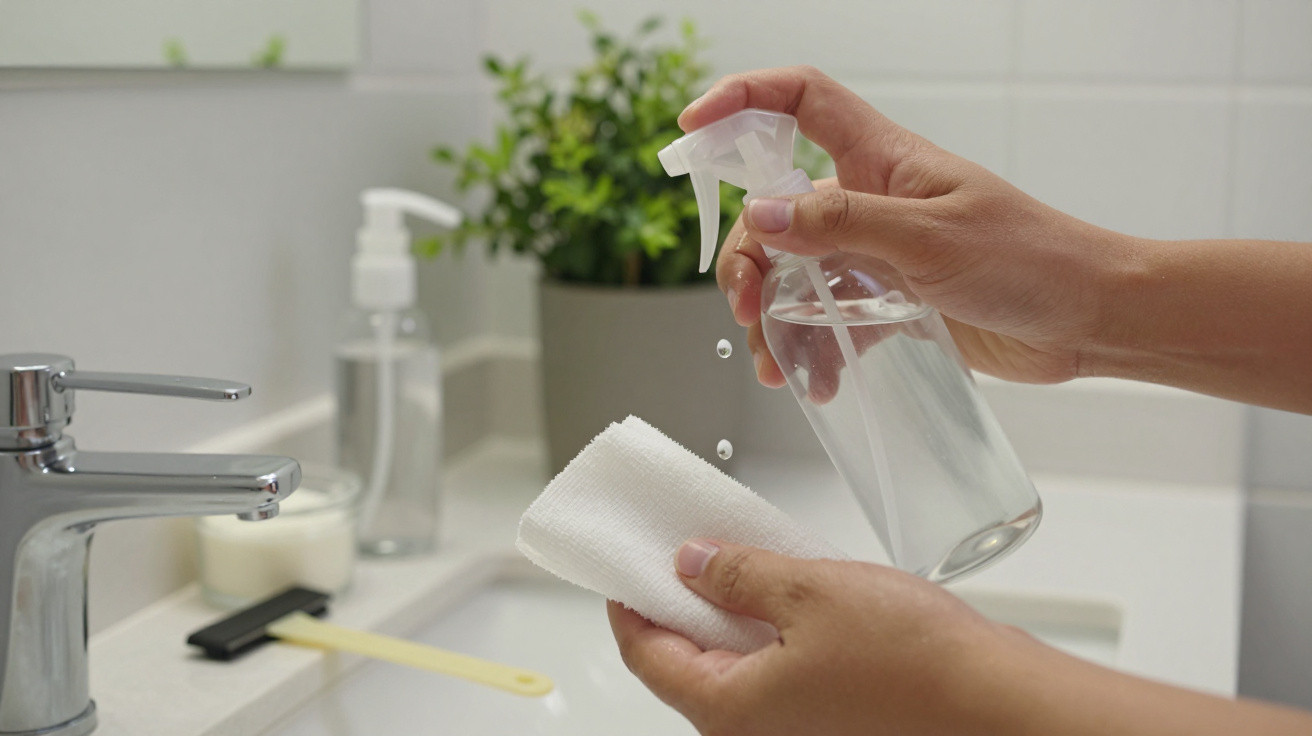
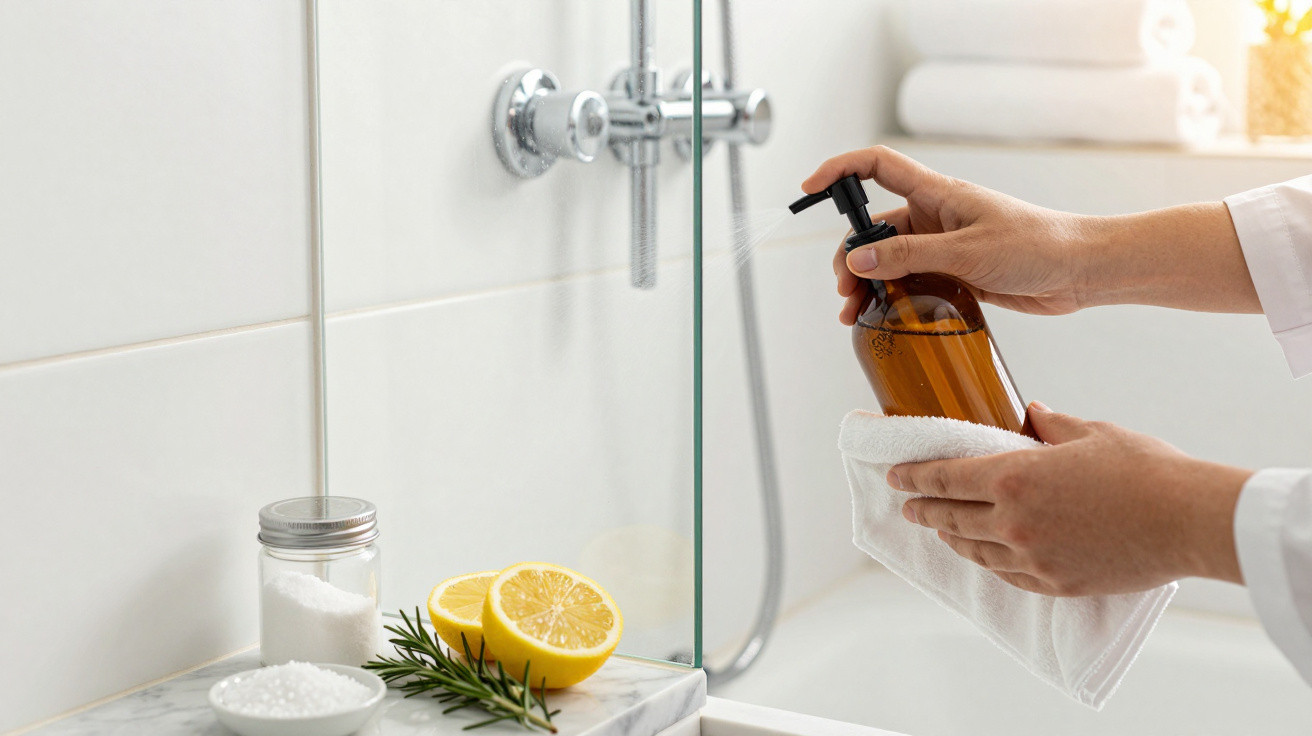
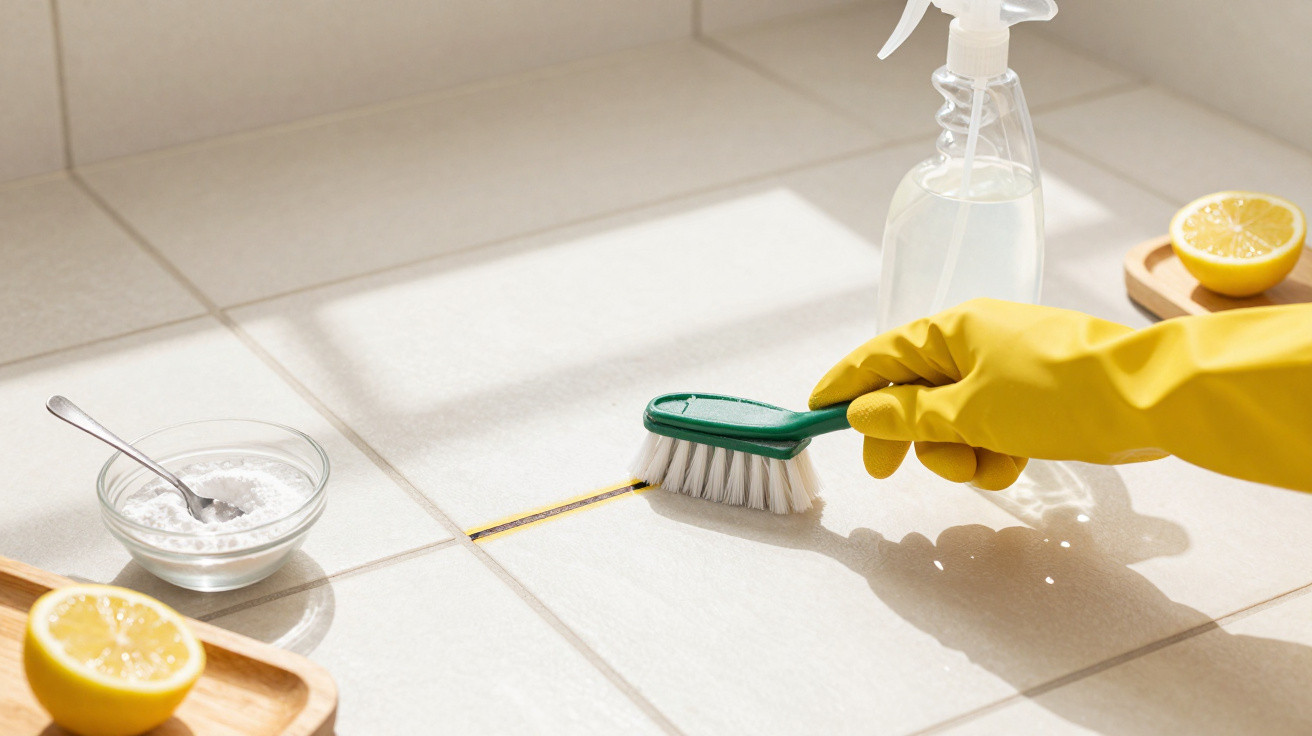
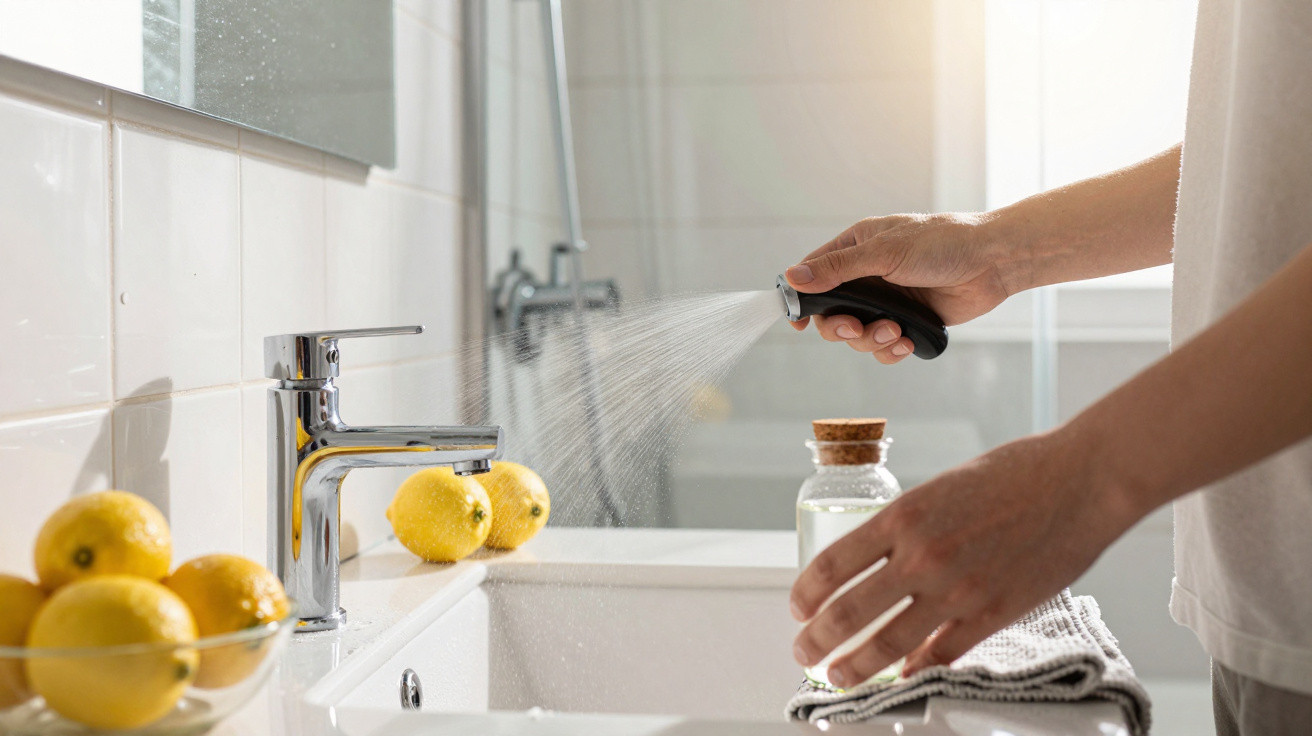
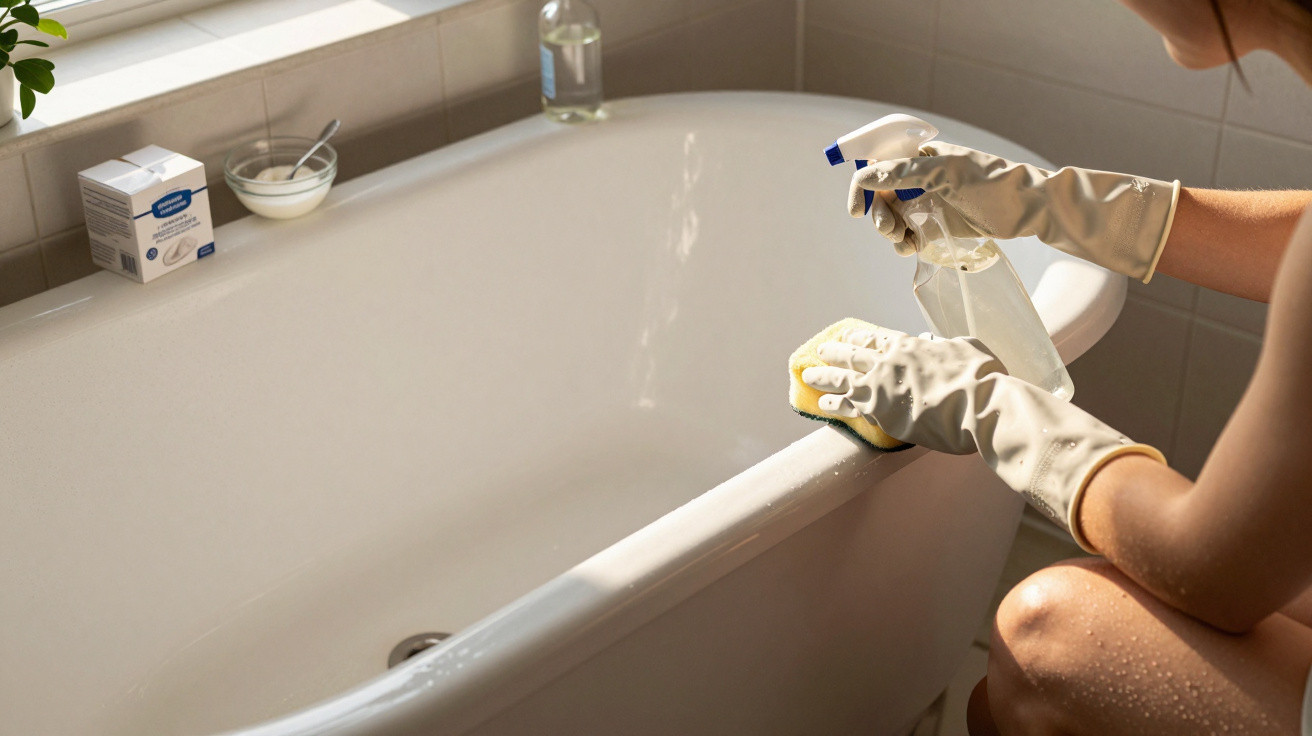
There is no need to complicate it. Attach a trigger spray to the original brown bottle and thoroughly wet the chosen area: taps, handles, toilet seats, light switches and tiles. Then leave it alone. To disinfect properly, keep the surface visibly wet for 3 to 5 minutes. Wipe it with a clean microfibre cloth and appreciate the unobtrusive result. On hot days, when it dries too quickly, spray again to maintain the required time.
We all know the feeling: the bathroom looks “company clean”, yet you still wonder what might be living on the handle. Peroxide quietens that concern, provided you do not hurry. Let it stay wet for five minutes rather than giving in to the usual spray-and-wipe reflex. Test a discreet patch first on natural stone and unfinished wood. Open a window in a confined room. Above all, leave it in its brown bottle, since light degrades it faster than expected.
In truth, no one manages that every day. Even so, a weekly peroxide clean is worthwhile.
“In head-to-head tests, 3% hydrogen peroxide rapidly knocks down common bathroom bacteria and many viruses when used with proper contact time,” says a hospital hygiene specialist I spoke to. “It’s the contact time that makes or breaks the result.”
- Do not ever combine peroxide with vinegar or bleach - never mix peroxide with vinegar or bleach.
- Apply it to non-porous surfaces. For marble or limestone, use pH-neutral cleaners instead.
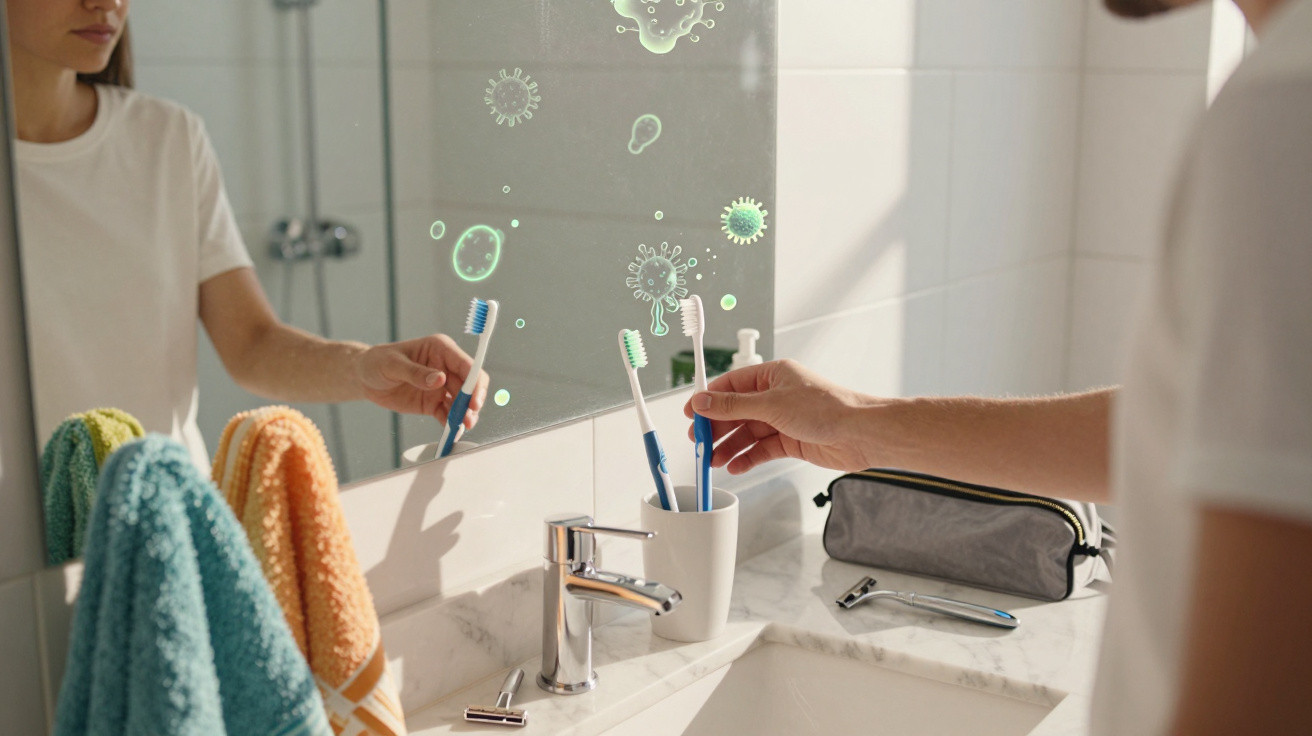
- Change your microfibre cloth regularly. A dirty cloth simply transfers microbes back onto surfaces.
- Once opened, replace the bottle every few months because its strength gradually declines.
Why hydrogen peroxide can outperform antibacterial sprays at home
Product labels are fond of small print. Antibacterial sprays often focus on bacteria rather than a broad range of viruses. Some require 10 minutes of wet contact on an entirely clean surface, a requirement easily forgotten during the school-morning rush. Peroxide continues to work through the small amounts of mess left after a quick initial wipe, which is precisely the reality of household cleaning.
On one busy Saturday, I used a “set it and forget it” approach. I began by applying peroxide to high-touch points-the flush lever, tap and shower controls-before moving on to the basin and worktop. By the time I came back around, the first areas had completed their disinfection period. There was no overpowering smell, and the chrome did not feel tacky. I could hear the faint fizz on the grout, like seltzer on a quiet street. That small sensory prompt encourages you to pause for just long enough.
Residue is another consideration. Sprays based on quats may leave a film that gathers dust and can irritate sensitive skin. Peroxide leaves virtually no residue behind. It is hard on the early stages of biofilm, gentler on the nose and does not clash with the scent of your hand soap. This is not magical water; it is practical chemistry designed around the way we clean between showers and bedtime.
Rethink your bathroom cleaning routine
Peroxide does not require a new cleaning caddy or a fluorescent label. It only asks for a generous mist and some patience. Add it to your weekly reset and you may begin noticing minor improvements: fewer stubborn water marks, handles that feel “quiet”, and grout that no longer appears worn out. Should a stomach bug arrive in the household, you will have an established routine instead of making a panicked purchase.
Its low-key nature is the amusing part. One brown bottle, one trigger spray and five minutes-that is all. The stakes matter, as kitchens and bathrooms handle the traffic of everyday life, but the approach remains calm. If data appeals to you, carry out your own small test on a basin or toilet seat. If you prefer atmosphere, listen for the fizz. Your bathroom will signal when you are heading in the right direction.
| Key point | Detail | Benefit for the reader |
|---|---|---|
| Hydrogen peroxide beats many sprays | Broad action against bacteria and many viruses; works without heavy residues | Cleaner results without a cloud of perfume |
| Contact time is everything | Keep surfaces wet for 3–5 minutes for genuine disinfection | Less wasted scrubbing and more meaningful sanitising |
| Straightforward safety rules | Do not mix with vinegar or bleach; store in a brown bottle | Strong at-home results with low risk |

Comments
No comments yet. Be the first to comment!
Leave a Comment