In a nutshell
- 🧭 Evidence over hype in 2026: Dermatologists direct UK shoppers towards ceramide-rich moisturisers, fragrance-free cleansers, and daily SPF as the reliable foundation of high-street skincare routines.
- 🏥 Pharmacy powerhouses: CeraVe, La Roche-Posay, and Eucerin stand out for barrier-first care; pros include thorough testing and good tolerability, while cons include clinical-looking packaging and textures that may feel heavy to some.
- 🔬 Actives made accessible: The Ordinary, The Inkey List, and No7 provide clear concentrations of niacinamide, azelaic acid, and retinol; dermatologists recommend “start low, go slow” while supporting skin with barrier care.
- 🫧 Sensitive-skin saviours: Aveeno, Avene, and Bioderma help soothe reactivity through pared-back formulas; one rosacea case study recorded fewer flare-ups after simplifying to cleanse–moisturise–SPF.
- ☀️ SPF on the high street: La Roche-Posay Anthelios, Garnier Ambre Solaire, and Boots Soltan offer broad-spectrum protection that sits well beneath makeup; use the two-finger rule and favour UVA five-star protection.
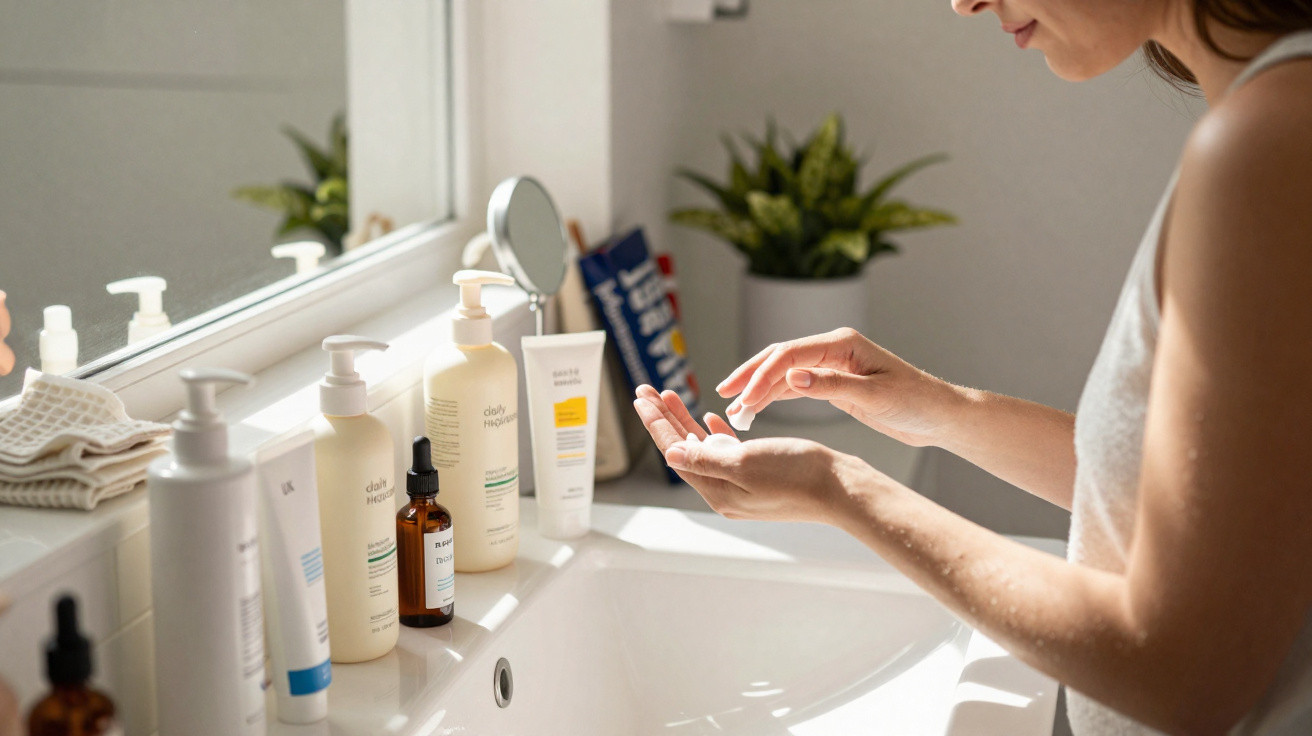
By 2026, the UK high street has discreetly evolved into a clinical-grade beauty destination. Pharmacists and dermatologists are guiding shoppers towards science-led essentials instead of attention-grabbing trends. Across interviews in London, Manchester and Cardiff, clinicians consistently identified ceramide-rich moisturisers, fragrance-free cleansers, and daily SPF as the basis of healthy skin. The link between the best-loved choices is straightforward: evidence over hype, tolerability over trend. What follows is a reporter’s guide to expert-approved brands available in Boots, Superdrug and supermarkets, including how their formulas perform, where they excel and when care is needed. Expect accessible prices, transparent ingredients and textures your skin can genuinely cope with at 7 a.m. on a wet Tuesday.
Pharmacy Powerhouses: CeraVe, La Roche-Posay, and Eucerin
When UK dermatologists are asked to suggest a basic routine, these three names regularly come up. CeraVe made affordable ceramides and hyaluronic acid widely available in straightforward moisturisers designed to reinforce a weakened barrier-particularly important during acne treatment and after procedures. La Roche-Posay combines a sensitivity-led approach with focused ranges: Toleriane for reactive skin, Effaclar for blemishes and Lipikar for dry body skin. Eucerin is particularly strong in urea-based body products, smoothing rough skin without causing stinging; its dry-skin lines are widely used in dermatology clinics for concerns such as keratosis pilaris. Their shared strengths are rigorous testing, straightforward labelling and a commitment to respecting the skin barrier.
During clinic visits, I found dermatologists recommending these brands for “boring but brilliant” routines built around a mild cleanser, restorative moisturiser and sunscreen. They are particularly valued for patients using prescription retinoids or managing rosacea, as strongly fragranced products can interrupt progress. Fragrance-free and non-comedogenic choices make it easier to select products for inflamed or acne-prone skin.
- Pros: Evidence-backed actives; widely available; suited to compromised barriers; clear product families.
- Cons: Packaging can look clinical; some textures feel heavier; prices vary by retailer.
Tip: If your skin stings with everything, start with a single ceramide moisturiser at night for two weeks before adding actives.
Actives Made Accessible: The Ordinary, The Inkey List, and No7
High-street beauty aisles have made dermatology-grade actives more accessible, although acids do not all perform in the same way. The Ordinary and The Inkey List sell single-ingredient serums featuring niacinamide, azelaic acid and retinol, allowing shoppers to create a targeted routine without boutique-level costs. No7 adds pharmacy refinement through its retinol and peptide collections, which are often arranged into easy-to-use systems tested on sensitive skin. The dermatologists I spoke with value these ranges for making evidence-based actives less intimidating, especially for pigmentation, uneven texture and fine lines. The key benefit, however, is transparent concentration information that makes it easier to match dosage to tolerance.
Even so, using more does not necessarily deliver better results. Layering too many acids or pursuing high-strength retinoids can lead to redness and flaking. A consultant dermatologist in Leeds put it succinctly: “Start low, go slow, moisturise more than you think.” Niacinamide (around 5%) helps regulate oil and support the barrier; azelaic acid (10%) is a dermatology favourite for redness-prone, acneic and pigmentation-related concerns; retinol or retinal can be introduced in the evening once the skin has settled.
- Why ‘stronger’ isn’t always better: Higher percentages raise the risk of irritation without promising greater benefits.
- Patch testing matters: Test behind the ear or along the jawline for 48 hours before applying across the face.
- Pair with barrier care: Place actives between a gentle cleanser and ceramide moisturiser.
Sensitive-Skin Saviours: Aveeno, Avene, and Bioderma
For reactive skin, dermatologists often turn to calming formulas with minimal ingredients. Aveeno relies on colloidal oatmeal to ease itching and strengthen moisture across face and body, making it useful for families dealing with dry skin or mild eczema. Avene incorporates its thermal spring water into streamlined ranges intended to lower preservative exposure; sterile packaging in some collections is especially helpful for highly sensitive users. Bioderma receives consistent approval for Sensibio cleansers and micellar products, which lift sunscreen and makeup without stripping the skin-a seemingly minor advantage that can stop an irritation cycle. For sensitive skin, the mildest possible cleansing step often produces the greatest improvement in comfort.
A case study from my notebook: “Roxanne, 32, London,” a rosacea patient, replaced a foaming scrub with Bioderma micellar plus Avene’s recovery cream and reported fewer flares after three weeks-confirmed by her GP. Clinicians repeat the same message: fragrance-free, alcohol-free basics provide the foundation for progress; alter one variable at a time and keep a record of changes. These brands are also particularly helpful in winter, when central heating and wind combine to create ideal conditions for barrier damage.
- Pros: Low-irritant formulas; thoughtful packaging; strong track record with dermatology clinics.
- Cons: Subtle textures may feel “too simple” for routine tinkerers; some items cost more than supermarket options.
If your skin is in meltdown, simplify to three steps for 10–14 days: gentle cleanse, bland moisturiser, high-SPF sunscreen.
SPF on the High Street: Affordable Daily Protection That Dermatologists Back
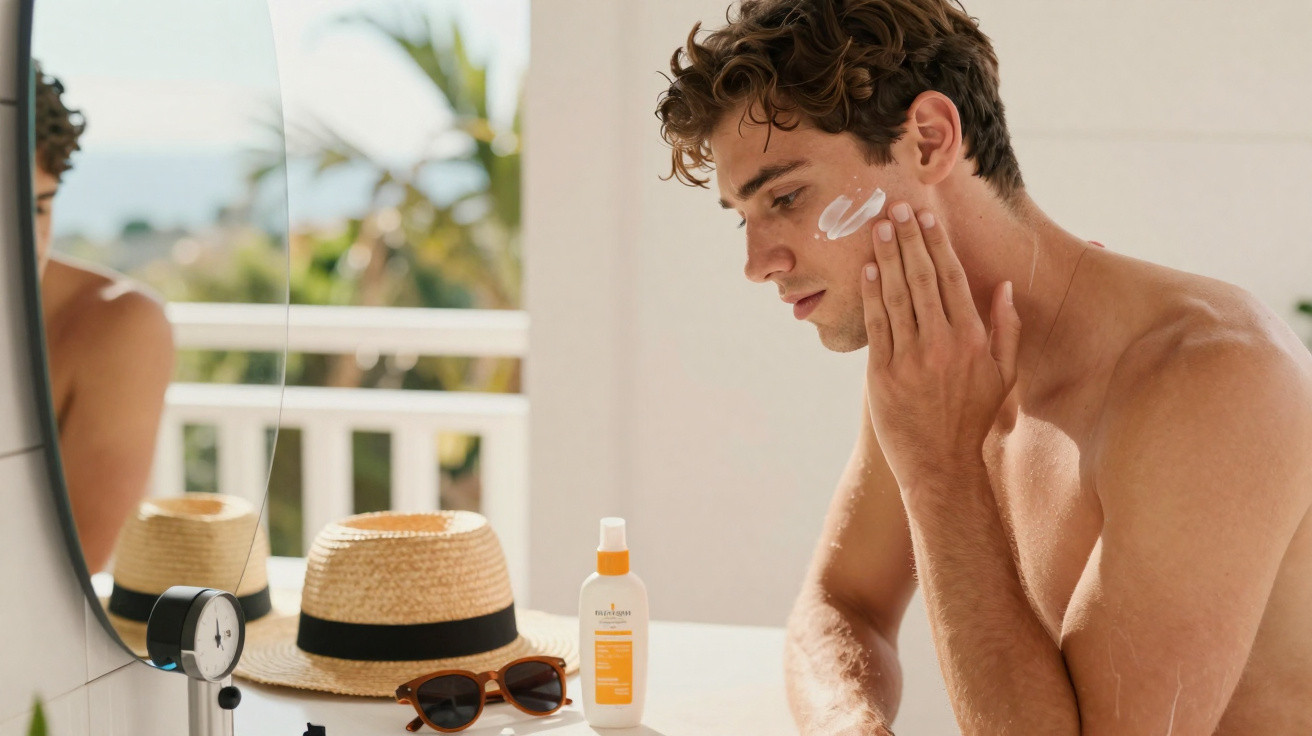
Daily SPF is still the non-negotiable product for dermatologists. UK high-street formulas now come in refined textures that work beneath makeup and suit deeper skin tones. Strong options include La Roche-Posay Anthelios, Garnier Ambre Solaire-including UV Fluid formats-and Boots Soltan, with many offering UVA five-star ratings and SPF 50. Most important is broad-spectrum protection that you will use generously every day-two fingers for the face and neck. Dermatologists suggest light fluids for oily skin, more nourishing creams for dryness, and water-resistant choices for exercise or weekends by the sea.
To make navigating the shelves easier, here is a quick comparison of dermatologist-favoured options commonly stocked at Boots and Superdrug:
| Brand | Hero Ingredient(s) | Best For | Dermatologist Note |
|---|---|---|---|
| La Roche-Posay Anthelios | Mexoryl filters | Sensitive, acne-prone | High UVA protection; elegant fluids reduce pilling |
| Garnier Ambre Solaire | Broad-spectrum filters | All skin types, budget-friendly | Look for fluid textures to minimise white cast |
| Boots Soltan | UVA five-star range | Families, outdoor days | Reliable value; check water resistance for holidays |
- Pros: Wide price range; high UVA coverage; makeup-compatible textures in 2026 formulas.
- Cons: Tinted options still skew light-to-medium; reapplication during office days remains a hurdle.
Remember: the best sunscreen is the one you’ll wear generously and reapply-set a phone reminder for lunchtime.
In 2026, UK high-street skincare is becoming less focused on novelty and more focused on repeatable, tolerable routines that dermatologists can confidently endorse. From barrier-first moisturisers and clearly labelled actives to wearable SPF, the successful approach is one of scientific humility: fewer promises, better skin. If the options feel overwhelming, begin with a gentle cleanser, ceramide moisturiser and SPF 50, then introduce one active that reflects your goal. Patch test, track changes, and give products time to work. Which high-street formula has quietly changed your skin-and what would you like dermatologists to make easier on the shelf next?












Comments
No comments yet. Be the first to comment!
Leave a Comment