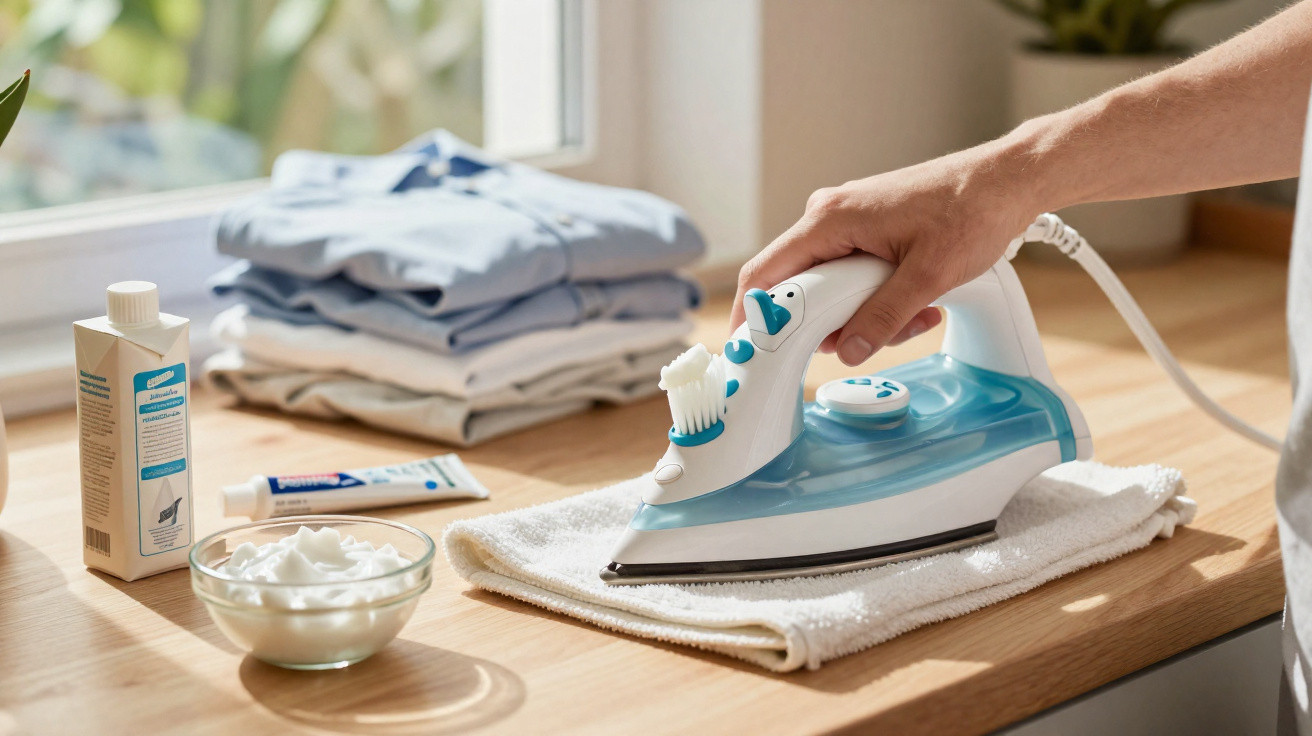
It starts to drag, catch and put white shirts at risk. The remedy may already be in your bathroom cabinet.
Irons rarely stop working all at once; instead, their performance gradually declines. Starch gets baked on, synthetic fibres melt, and hard water deposits chalky spots. Removing this buildup takes only minutes rather than expensive specialist chemicals, and it is safer for clothing than harsh cleaners.
Why harsh chemicals can cause problems
Bleach, washing detergent and strong descalers may seem like quick solutions. Yet on a heated soleplate, they can create more damage than they solve. Powerful oxidisers can attack protective finishes, while detergent residue becomes tacky under heat. Certain products may also etch metal or stain ceramic surfaces. The consequences often appear later: increased drag, faint transferred marks or unexplained brown drips on your finest cotton garments.
The unseen damage to clothing
If a cleaning product leaves behind a film, the iron no longer glides smoothly. Friction increases, heat remains concentrated for longer, and fabric scorches more readily. Tiny scratches collect lint and create streaks. One wrong move can leave a mark on a silk blouse or dark suit trousers.
Skip bleach, oven cleaner, scouring powders, and steel wool. They scratch, pit, or leave films that transfer to fabric under heat.
The baking soda and toothpaste paste that works
A mild paste mixed at home can remove baked-on deposits quickly for very little cost. Preparing it takes seconds, followed by a straightforward wait-and-wipe process.
What you will need
- 1 tablespoon baking soda
- 1 tablespoon white, non-gel toothpaste
- A splash of warm water
- A soft cloth or non-scratch sponge
- Cotton buds and a wooden toothpick (optional, for steam holes)
Mix a thick paste, spread on a cold soleplate, wait five minutes, wipe clean. That’s the whole playbook.
Applying the paste step by step
- Unplug the iron, allow it to cool completely and empty its water tank.
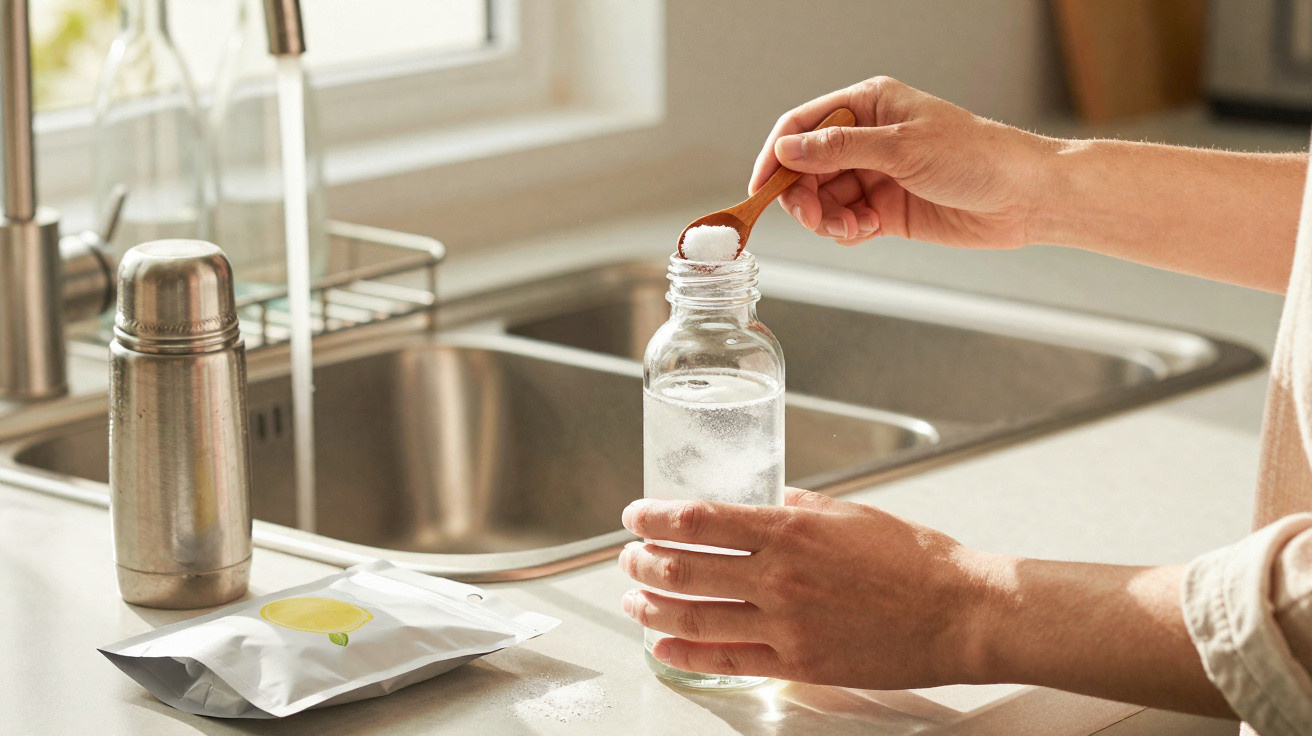
- Combine the baking soda and toothpaste with a small amount of warm water. The paste should have the consistency of peanut butter.
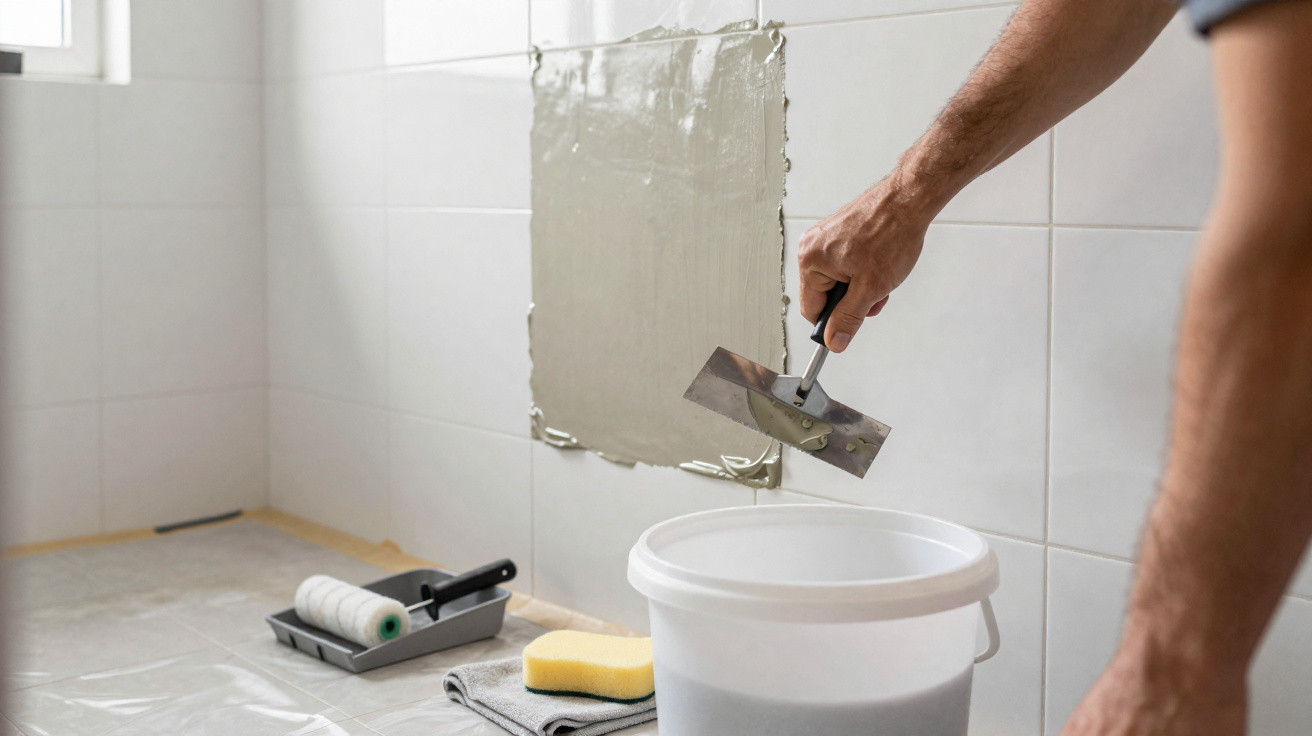
- Work the paste over the soleplate using small circular movements. Do not push it into the steam holes.
- Let it sit for roughly five minutes. The mixture helps release starch, dyes and melted fibres.
- Remove it with a clean damp cloth until the plate feels smooth. Clean recesses with cotton buds; use a toothpick to lift stubborn edges without scratching.
- Polish with a dry microfibre cloth. Briefly warm the iron, then run it over a piece of scrap cotton to buff the surface. Release several bursts of steam before emptying the tank once more.
Why the mixture is effective
Baking soda provides gentle alkalinity, helping to lift acidic deposits and neutralise odours. White toothpaste contains extremely fine silica abrasives plus mild surfactants, which tackle grease without cutting into coatings. Warm water softens the grime, allowing the paste to loosen its hold. Applied with a soft cloth, this mixture is gentle on stainless-steel, ceramic and non-stick soleplates.
The paste gives controlled micro-abrasion. It removes buildup while keeping the soleplate smooth, which protects fabric at ironing temperature.
Maintenance, electricity and safety benefits
A clean soleplate moves over fabric more easily. This means less pressure is needed, shine marks are less likely and ironing takes less time. Improved heat transfer also lets the thermostat cycle more effectively, potentially reducing electricity consumption during longer ironing sessions. Ongoing care can postpone an expensive replacement and lower the chance of mineral-heavy steam suddenly producing brown splatters.
Create an easy care routine
- Following heavy starch use, wipe the iron with a damp cloth after it has cooled.
- Apply the baking soda–toothpaste paste every 10–15 uses, or whenever the iron begins to drag again.
- Check the steam holes and the water quality if white flakes or brown marks appear.
When marks require a more targeted solution
Different types of residue need different treatments. Matching the method to the mark delivers faster results with less risk.
| Problem | Likely cause | Safe fix |
|---|---|---|
| Sticky, amber streaks | Starch or sugar buildup | Use the paste method. Wipe warm, not hot, for faster lift. |
| Shiny grey patches | Melted synthetic fibres | Lift edges with a wooden toothpick, then paste and wipe. |
| White specks or crust around holes | Limescale from hard water | Swab holes with cotton buds dampened in distilled water; if needed, use a light 1:1 mix of distilled water and white vinegar on the swab, then rinse with plain water and dry. Do not soak the soleplate. |
| Brown drips during steam | Minerals and fabric dye residues | Perform a tank flush (details below) and clean the soleplate with the paste. |
The water tank and steam vents
Water with a high mineral content can block vents and carry discolouration through the iron. Where the manufacturer permits it, carry out a quick flush: fill the tank with half distilled water and half white vinegar, heat the iron to full steam and release steam into a sink for five minutes. Refill with distilled water, then steam again to remove the vinegar. As some manufacturers advise against acids, consult the instruction manual first. If you are unsure, use two tanks of distilled water alone and repeat the process more frequently.
Use distilled or demineralized water if you notice white flakes on dark fabrics. It prevents limescale before it bakes on.
Common mistakes to avoid
- Never clean an iron while it is plugged in or hot.
- Avoid steel wool, razor blades and powdered scouring products.
- Do not force paste far into the steam holes, as it can harden inside.
- Do not leave acidic liquids on aluminium-based plates; allow only brief contact, then rinse.
- Do not put the iron away with water still in the tank, as minerals can settle and cause staining.
Small changes that make ironing easier
Place a pressing cloth over delicate materials to avoid shine and unwanted transfer marks. Choose the temperature stated on the fabric care label instead of relying on habit. Begin with the heaviest garments, then lower the heat for lighter fabrics. If you iron regularly, a silicone soleplate cover can limit sticking and provide an added protective layer, particularly for synthetics.
If the iron is beyond repair
Severe pitting or a flaking coating cannot be restored. Keeping the iron clean and using a pressing cloth may extend its life by a few months, but it is sensible to begin setting aside money for a replacement. When buying another iron, consider a ceramic or high-grade stainless-steel plate, a dedicated calc-clean programme and a wide soleplate tip for more control around buttons.
Five minutes with a gentle paste beats hours of wrestling with a sticky iron and stained clothes. Keep it simple and consistent.
One extra tip: when using starch, apply a light spray and allow the fabric to dry for a minute before ironing. This helps the starch set more evenly and reduces residue on the iron. For travel irons, pack a small bottle of distilled water; a clean burst of steam can keep dress shirts crisp straight from the suitcase.





Comments
No comments yet. Be the first to comment!
Leave a Comment