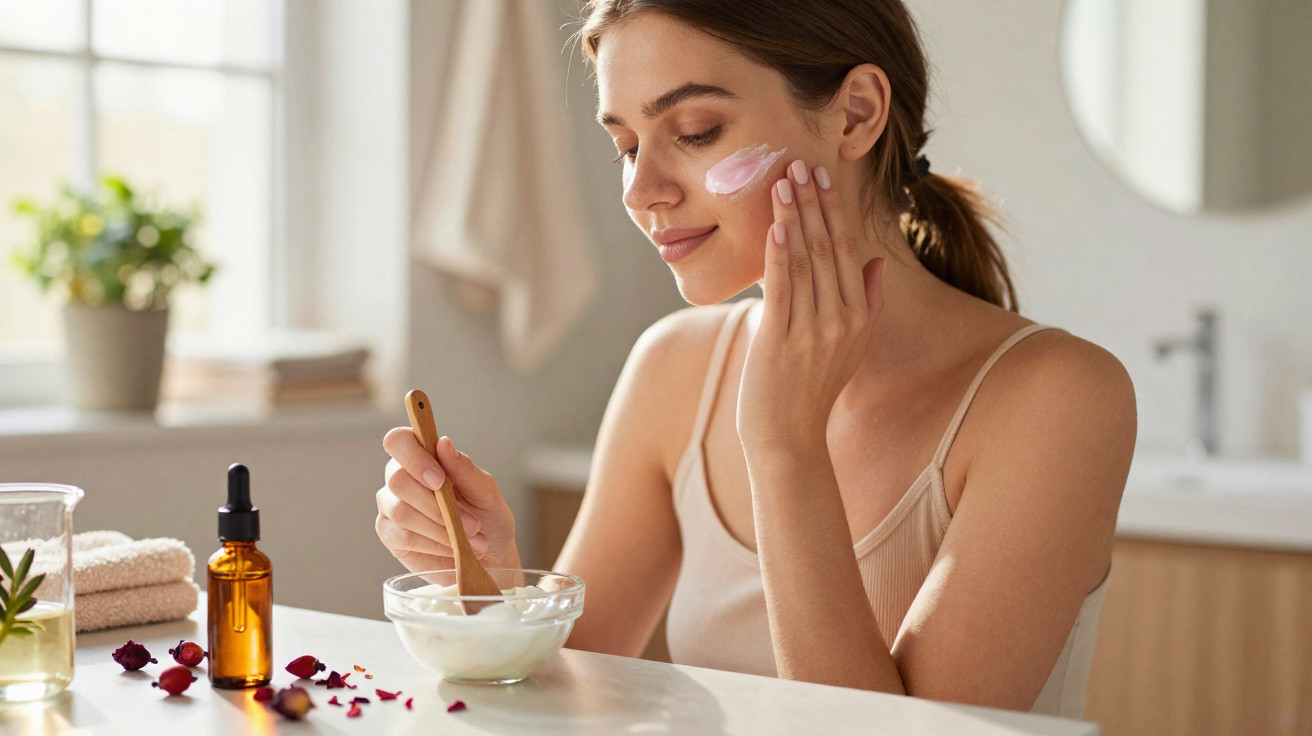
Making a facial cream with rosehip oil calls for care, cleanliness and realistic expectations. The plant is well known for the cosmetic use of oil extracted from its seeds, but any homemade recipe should put safety and moderation first.
Why include rosehip oil in a facial cream?
Rosehip oil is linked with skincare because it is obtained from the plant’s seeds and is commonly used in cosmetic products. Within a cream, it forms the oily phase of the formula, contributing to softness and moisturising.
Rosa rubiginosa, known as rosehip and part of the Rosaceae family, is associated with cosmetic uses for the skin, including the appearance of wrinkles, marks and healing. However, care is needed to avoid promising an immediate result.
Before you make the cream, it is useful to know what each component does:
- Oil: provides the nourishing and emollient element of the blend.
- Vegetable butter: adds substance to the cream and helps it spread more easily.
- Beeswax: creates a firmer consistency and helps protect the mixture.
- Night-time: is the most suitable time to trial richer, oil-based formulas.
- Test: use a small amount before applying it over the whole face.
How do you make the homemade cream base?
The base can be prepared by melting vegetable butter with a small amount of beeswax in a bain-marie. Once the mixture is smooth and even, take it off the heat and allow it to cool slightly before adding the rosehip oil.
A straightforward ratio is two parts vegetable butter, a smaller part of oil and only a little wax to provide firmness. Combine everything in a clean jar, leave it to cool, and retain a creamy texture without using an excessive oily quantity.
What is the safe method for mixing it?
First, sanitise the spoon, jar and preparation surface. Melt the vegetable butter and wax over gentle indirect heat, stirring slowly and without allowing the mixture to boil. Only add the rosehip oil when the base is warm and fluid.
Simple night cream
Firm texture, light application
The wax provides structure, the butter gives body, and the oil completes the oily phase.
It is best to make a small batch and pay close attention to how the skin reacts.
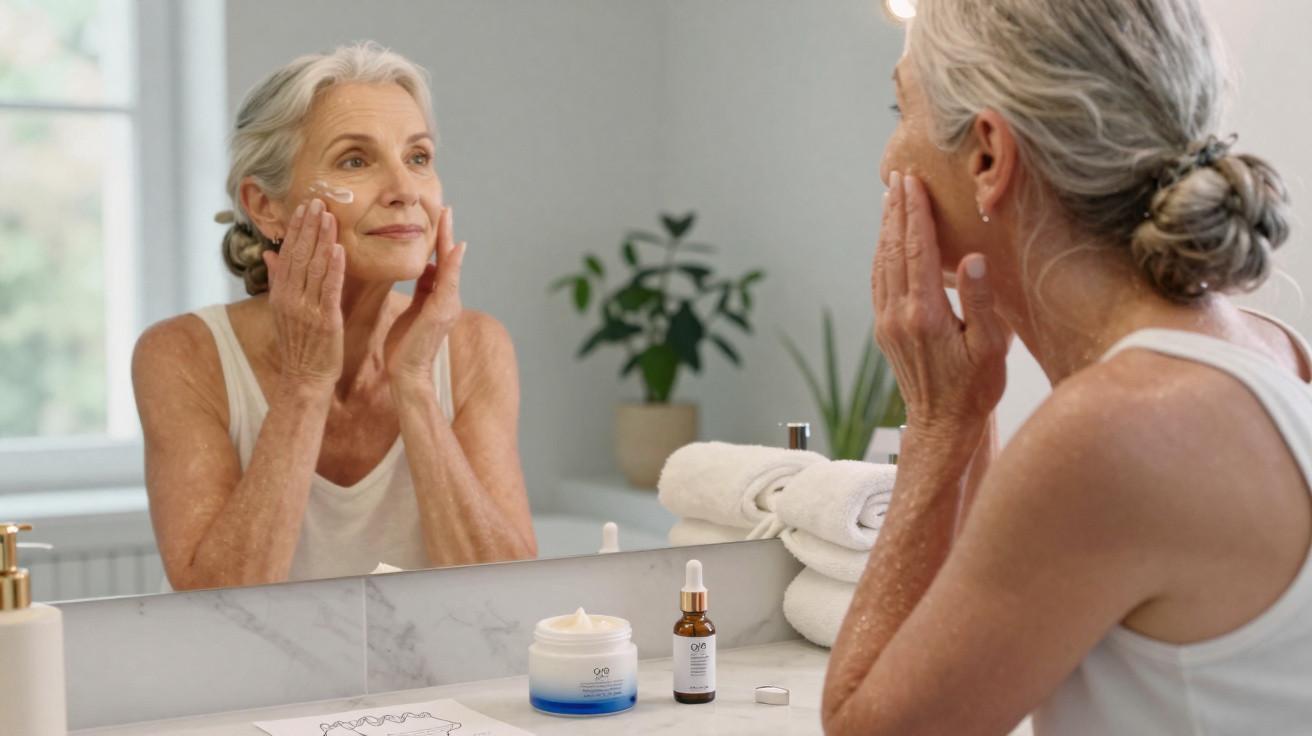
Once blended, decant the cream into a small, dry, tightly sealed container. Apply a thin layer at night only, keeping it away from the eyes and mucous membranes, as facial skin may respond to a new formula with redness or sensitivity.
Follow this order when making it:
- Clean the jar, spoon and worktop.
- Melt the vegetable butter and a small amount of beeswax in a bain-marie.
- Let the mixture become warm rather than hot, then stir in the rosehip oil.
- Store it in a clean, closed container away from heat.
How should you apply the cream at night without irritating the skin?
Apply it to clean, dry skin and always use a small amount. Since the formula is oil-based, spread a light layer, monitor absorption, and stop using it if burning, itching, flaking or persistent irritation develops.
Night-time use is more appropriate because it prevents excessive shine during the day and makes it easier to assess skin tolerance. Wash your face in the morning and apply sun protection, as cosmetic care does not replace sun protection or professional guidance.
During the first week, follow these precautions:
- Perform a patch test on a small area before using it on the face.
- Apply only a thin layer at night.
- Avoid combining it with numerous active ingredients on the same day.
- Discontinue use if discomfort continues.
Does the cream really stimulate collagen on its own?
Anyone wishing to use rosehip oil on the skin should regard this cream as complementary cosmetic care, rather than a guarantee of collagen. The plant is associated with skincare use, but results differ according to skin type and routine.
For this reason, a homemade recipe should remain simple, clean and used cautiously. For marks, scars, acne, irritation or persistent signs, the safest option is to seek professional assessment before continuing with any homemade cream.












Comments
No comments yet. Be the first to comment!
Leave a Comment