
How much do you genuinely need to spend on skincare for wrinkles to look smoother and skin to appear fresher? A journalist at the British newspaper Daily Mail set out to answer that question by testing it on her own face. On the left, she used an ordinary Nivea cream from its familiar blue tin; on the right, a hugely expensive anti-ageing bestseller from the luxury sector. The price gap was almost 500-fold. After four weeks, both she and a dermatologist assessed the outcome.
How the unusual comparison test was carried out
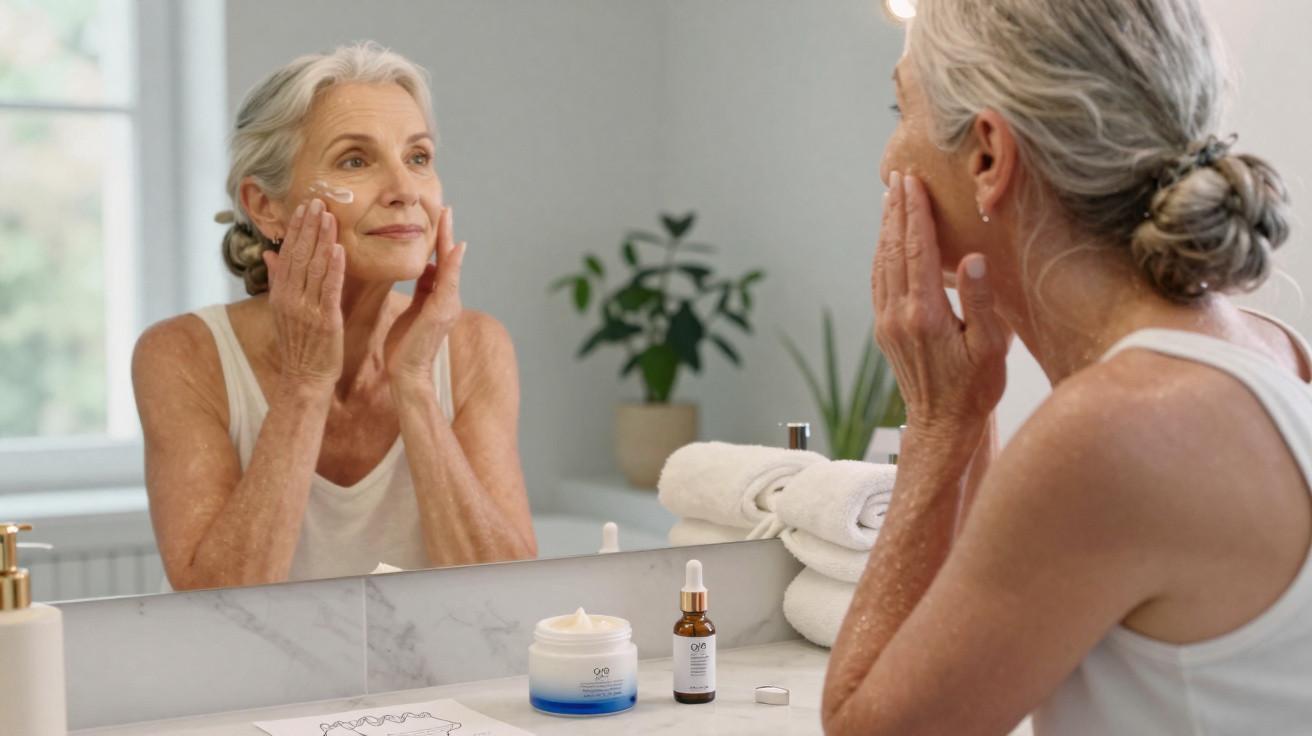
The tester, who had long dealt with dry, slightly reddened skin and early wrinkles, wanted a definitive answer. Advertising claims alone were not enough for her. She therefore began a one-month experiment in normal day-to-day conditions - no filters, no beauty salon, simply at home in her bathroom.
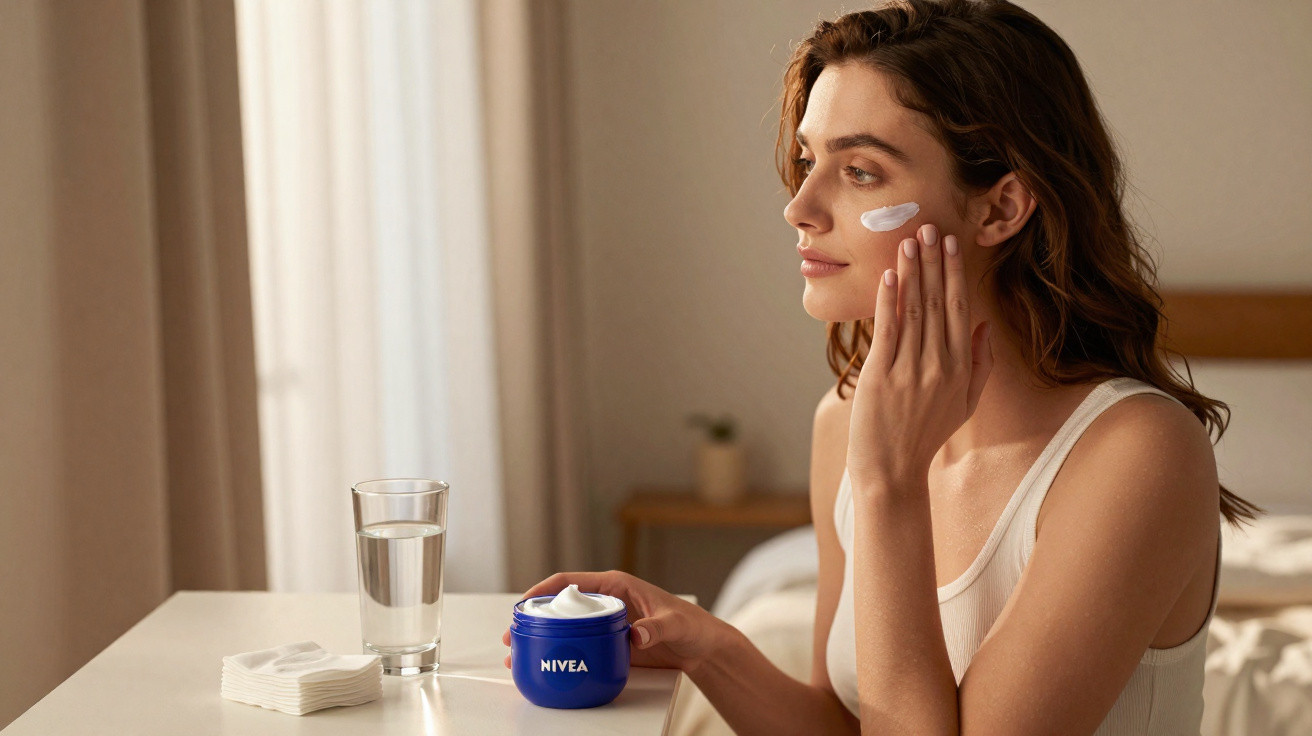
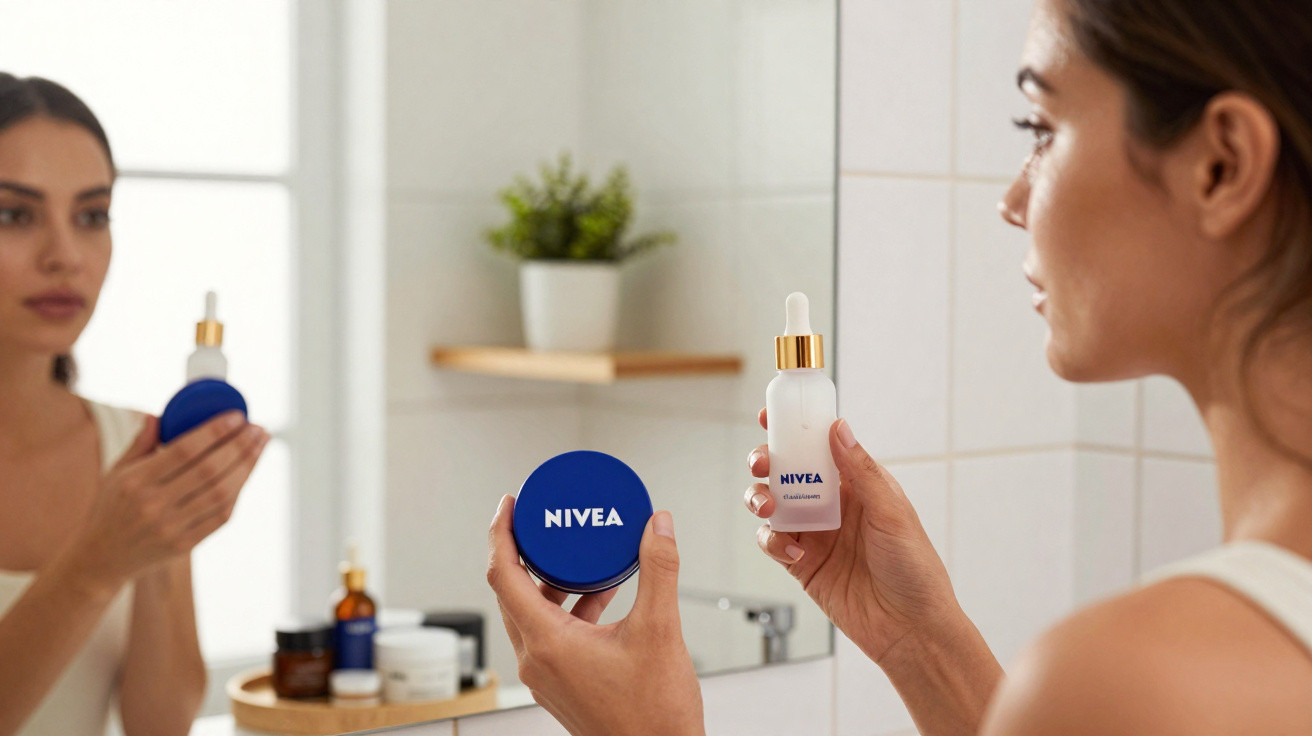
- Left side of the face: classic Nivea cream in the blue tin (around €1–2 per 100 ml)
- Right side of the face: La Mer luxury cream (around €490 per 100 ml)
- Duration: 4 weeks, applied daily in the morning and evening
- Support: dermatological assessment before and after the test
Before beginning, she had her skin examined by a specialist. The findings showed markedly dehydrated skin, visible dehydration lines, several more pronounced deeper lines and signs of rosacea - meaning persistent redness and sensitive blood vessels.
What the creams claim to do
For decades, the well-known blue Nivea cream has relied on a rich, comparatively simple formula. It is intended to provide intensive lipids and moisture while keeping skin supple. There is no high-tech marketing involved; it is more of a down-to-earth all-rounder that many people remember from childhood.
La Mer’s luxury skincare sits in an entirely different category, explicitly promoting anti-ageing benefits. Its marine algae complex is said to reduce wrinkles, stimulate skin regeneration and make the face look plumper and younger. Its price suggests high-tech care for demanding skin.
“Expensive versus affordable, anti-ageing promises versus a cult classic - the luxury cream clearly seems to have the advantage at the outset. But the reflection in the mirror tells a different story.”
Week 1: Hardly any differences, but one detail stands out
After the first week, the main thing visible in the mirror is that both sides look smoother and more hydrated. The tester says her skin feels softer overall. The first surprise is that the anticipated wow factor from the luxury cream does not materialise.
Initially, the expensive side does retain one small advantage: redness appears slightly reduced there, and the skin looks a little more even. At this stage, however, she sees virtually no difference in the wrinkles.
Week 2: Blemishes on the luxury side
During the second week, her view becomes somewhat less positive. Small spots develop around the nose, specifically on the expensive half of her face. They disappear again after a few days, but the impression remains that the high-end moisturiser is not as straightforward as its price might imply.
In everyday use, both sides still feel well cared for. The tester finds that there is almost no visible difference, whether she looks in the mirror or applies make-up. One line from her report is particularly striking: for a cream costing only a little over one euro, the blue tin does an “incredibly good job”.
Week 3: Colleagues are asked to guess - with a surprising result
At the halfway point, she takes a closer look. Studying her face in a magnifying mirror, she begins to suspect that the affordable side is actually a little smoother around the eyes. The lines are harder to make out there, while the skin appears plumper.
Not wanting her own expectations to distort the result, she asks her colleagues for an immediate opinion. She shows them her face without telling them which cream has been used on each side.
“Everyone chooses the left cheek as the ‘better’ side. Nobody picks the luxury cream - it is on the wrong half.”
For the tester, this is a real revelation. The longer the trial continues, the more comfortable she feels with the Nivea side. Its surface texture seems calmer, and the eye area looks more relaxed.
Week 4: A family Botox suspicion
In the final week, the effect becomes a little more pronounced. Both products give an overall fresher appearance, and the skin looks much better nourished than it did at the start. Her sister even suspects she has secretly had Botox injections because her face looks so smooth.
By this point, it is clear that both creams visibly improve hydration and skin appearance. Yet one key question remains: is there a clear winner when a professional examines the results more closely?
Dermatologist checks again: which side really looks younger?
Once the month is over, the tester returns to the dermatologist’s clinic. He remeasures hydration, redness and wrinkle depth, compares photographs and uses devices intended to record changes objectively.
His conclusion is unequivocal: the more affordably treated side of the face performs better. The side treated with Nivea cream shows more stable hydration, less redness and smoother-looking dehydration lines around the eyes. Some fine lines on that side are even barely visible.
“The dermatologist estimates that the Nivea half of the face looks around five years younger than it did at the beginning - and younger than the luxuriously moisturised side.”
For the tester, this means that the price of skincare is far from the only indicator of how it will work on her own skin. Her personal winner is the blue tin from the chemist’s shelf, not the jar presented like a piece of jewellery.
Why an affordable cream can perform so well
How is that possible? Skin experts often point out that many basic creams are built around proven lipids and humectants such as glycerine. These form a kind of protective layer on the skin, helping it retain water and supporting its natural barrier. That is often exactly what dehydrated, sensitive skin needs most.
Luxury products frequently offer elaborate textures, exclusive active ingredients and sophisticated packaging. Some of their cost goes towards marketing, design and image. Whether skin actually benefits more depends on individual needs - not the price tag.
What to consider when choosing a cream
Anyone now tempted to throw out half their bathroom cabinet can use a few simple points as guidance:
- Know your skin type: oily, dry, combination or sensitive - the clearer the picture, the more targeted the choice can be.
- Identify the main concern: tightness, redness, wrinkles or blemishes - one product cannot solve everything at once.
- Check the ingredients: moisturisers such as glycerine or hyaluronic acid, replenishing oils, and as few irritating fragrances as possible for sensitive skin.
- Be critical of price: a high cost per jar does not guarantee better results.
- Allow time: skin texture changes gradually, so four to eight weeks is a realistic timeframe.
Skincare routine: what matters beyond the cream
Even the best cream offers little benefit if the rest of the routine is unsuitable. Many dermatologists stress that two steps are essential: gentle cleansing and consistent moisturising. Cleansing too aggressively morning and evening damages the protective barrier and worsens skin appearance - regardless of how expensive the skincare applied afterwards may be.
Everyday factors that are often underestimated also play a role: UV protection, sufficient sleep, stress levels and diet. Wrinkles and redness rarely result from an unsuitable cream alone; they arise from a combination of influences. A solid basic skincare routine can, however, help make skin more resilient.
When a luxury product can still make sense
Despite the surprising result, Nivea’s win does not mean expensive cosmetics are generally unnecessary. People with very specific concerns - such as severe pigmentation marks, pronounced acne scarring or deep wrinkles - may benefit from specialist active ingredients that are present at higher concentrations in some luxury ranges.
What matters is whether a product delivers measurable benefit. Anyone spending a great deal on a jar should closely monitor whether redness, pore size or wrinkle depth genuinely changes. If in doubt, it is worth consulting a dermatologist before putting another elegant glass jar on the credit card.
The British tester’s case shows, in any event, that a simple chemist’s classic can not only keep up with a cream costing almost €500 in a wrinkle battle, but can even come out ahead. For many bathroom shelves, that is likely to be the most welcome news of the month - especially for the wallet.






Comments
No comments yet. Be the first to comment!
Leave a Comment