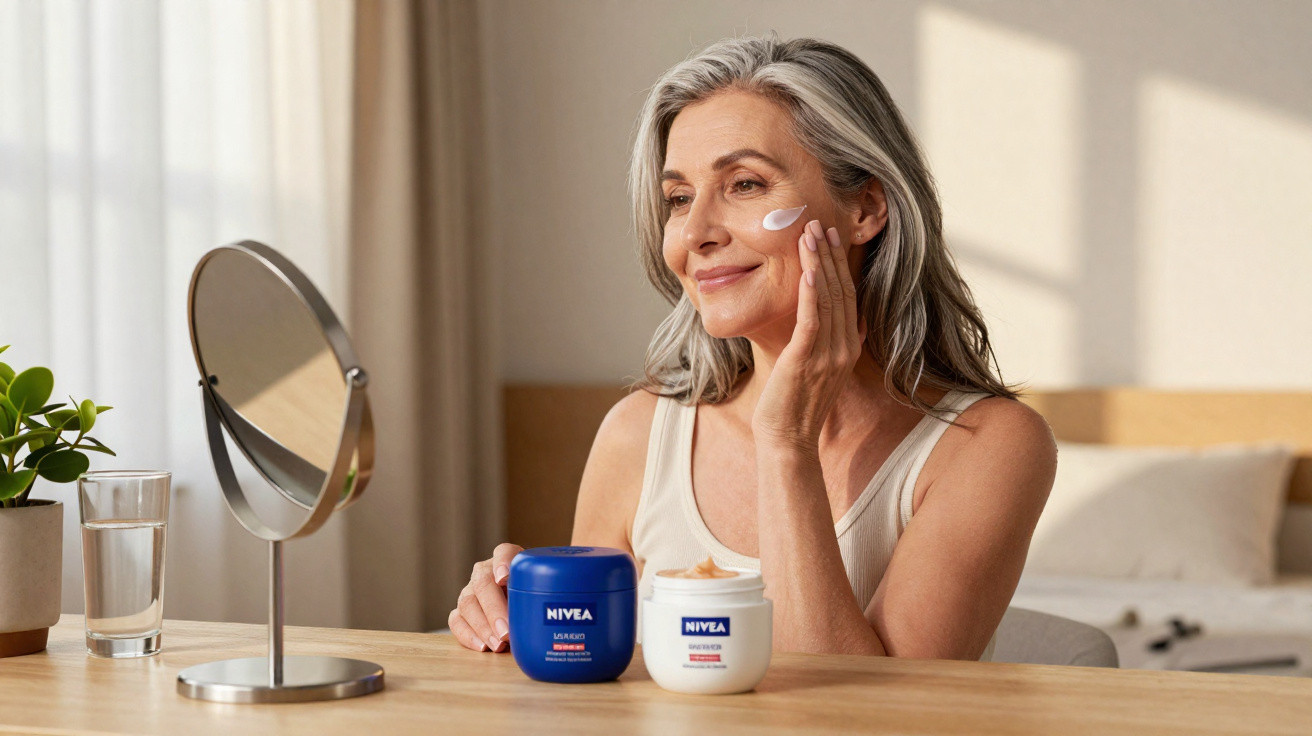
Mature skin brings new needs – and a familiar brand is now putting forward a treatment that poses a serious challenge to the classic blue tin.
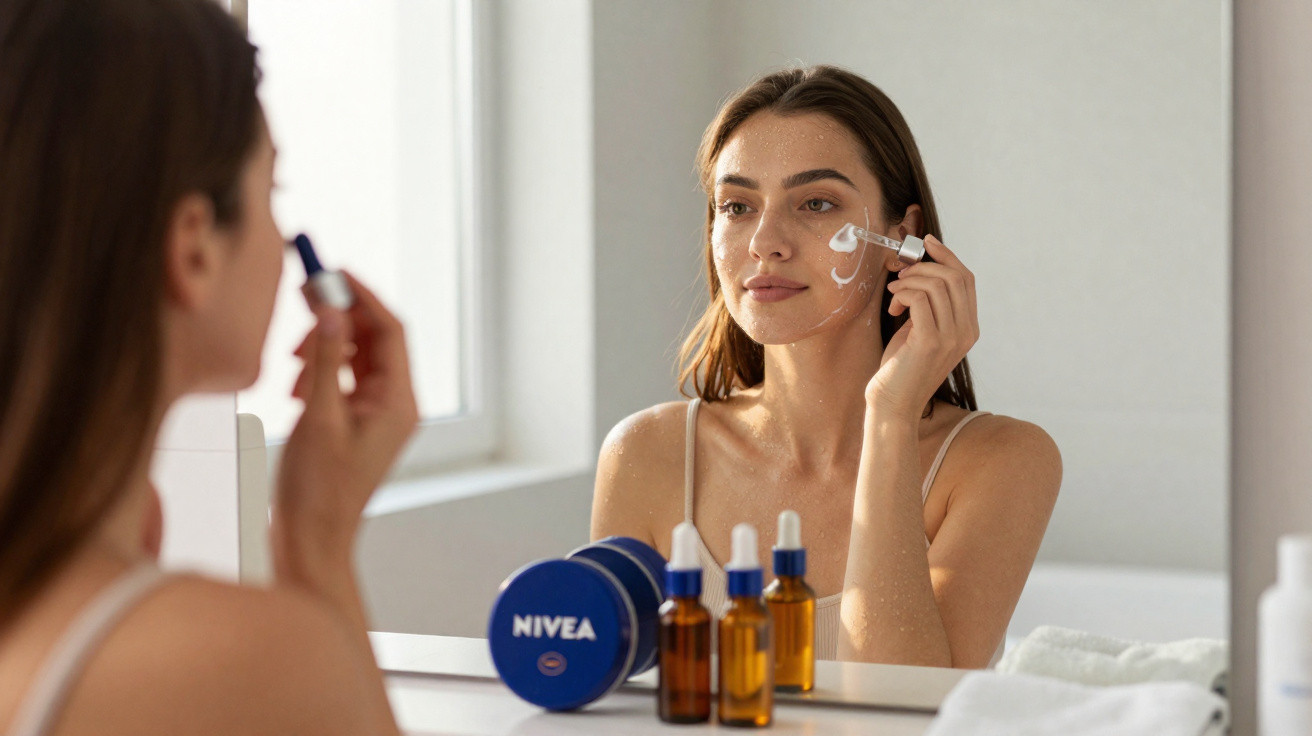
For decades, the blue Nivea tin has been a fixture in countless bathrooms. For many, it evokes childhood, family and its unmistakable fragrance. The brand is now launching a rich anti-wrinkle treatment designed specifically for mature, very dry skin that is losing firmness – targeting precisely the areas where the traditional all-purpose cream reaches its limits.
From cult classic to specialised care for mature skin
The well-known cream in the blue tin is a genuine all-rounder: it nourishes, protects against dryness and feels pleasant on the skin. Yet for mature skin from around the mid-40s onwards, basic products like these are often no longer enough. Collagen levels decline, skin becomes thinner, loses elasticity and appears less plump.
This is where Nivea’s new rich Q10 balm comes in. Created for use both day and night, it is explicitly aimed at:
- mature skin with early or pronounced wrinkles
- very dry skin that feels tight
- skin that is visibly losing firmness
Its consistency is closer to a balm than a lightweight cream: rich, creamy and gently enveloping. This is exactly what many people with dry, mature skin value, as it leaves skin feeling immediately softer and better protected after application.
Nivea’s new Q10 treatment is intended to reduce wrinkles, firm facial contours and provide mature skin with intensive care for many hours – day and night.
What the new Nivea balm contains
At the heart of the formula are active ingredients that have long been staples of anti-ageing skincare, combined here in a way tailored to mature, demanding skin.
Q10: an energy source for tired skin cells
Q10, also known as coenzyme Q10, occurs naturally in skin cells. Its level falls as we age, cells work more slowly and regeneration processes begin to stall. Nivea uses “pure Q10”, which is intended to stimulate skin-cell activity and thereby support the skin’s natural function.
People who use Q10 products regularly often report a complexion that looks fresher and more awake. Skin can appear less dull, while fine lines look smoother because the skin’s surface becomes more even.
Collagen peptides for greater elasticity
The balm’s second key component is peptides, intended to support the skin’s collagen structure. Collagen is the “scaffolding” that gives skin its firmness. As it breaks down, contours sag and wrinkles become deeper.
The collagen peptides used are intended to:
- stimulate the production of different types of collagen
- improve skin elasticity
- visually soften deeper wrinkles and expression lines
Peptide skincare requires patience: visible results generally emerge only after several weeks, as the skin’s structure gradually changes.
Ceramides as a protective shield for the skin barrier
Ceramide is the third important ingredient. Ceramides are lipids found naturally between the skin’s outer cells, where they work like mortar between bricks. When there are too few ceramides, skin loses moisture more quickly, becomes irritated and is more prone to redness.
Adding ceramides through skincare can help stabilise the barrier. Skin may look less rough, be better protected against external influences and feel more resilient over time.
In the new Nivea balm, Q10, peptides and ceramides form a trio intended to provide mature skin with moisture, firmness and protection at the same time.
What users report, according to the manufacturer
Nivea refers to dermatologically supervised tests in which the balm’s effects were assessed over several weeks. According to the brand, feedback from many female participants was positive.
- After 24 hours, 91 % report long-lasting moisture.
- After two weeks, deep wrinkles and expression lines appear reduced.
- After four weeks, 88 % see less loss of firmness in the face.
These figures come from manufacturer studies, which are generally conducted under carefully controlled conditions. They indicate the product’s potential, but do not guarantee that everyone will experience exactly the same effects. Skin condition, lifestyle, other skincare products and medication also play a part.
How to apply the new Nivea balm
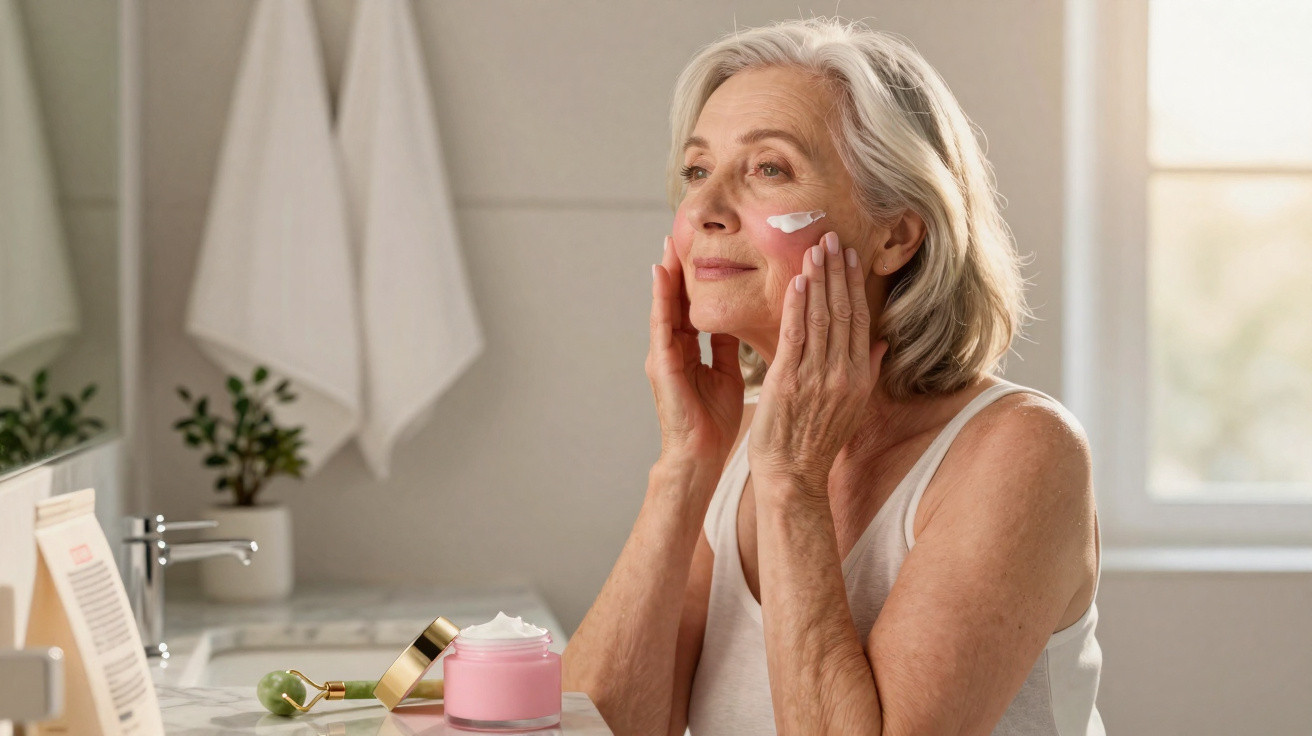
The balm is intended as an all-purpose treatment for the face, neck and décolletage, morning and evening. Application is straightforward, which many users appreciate.
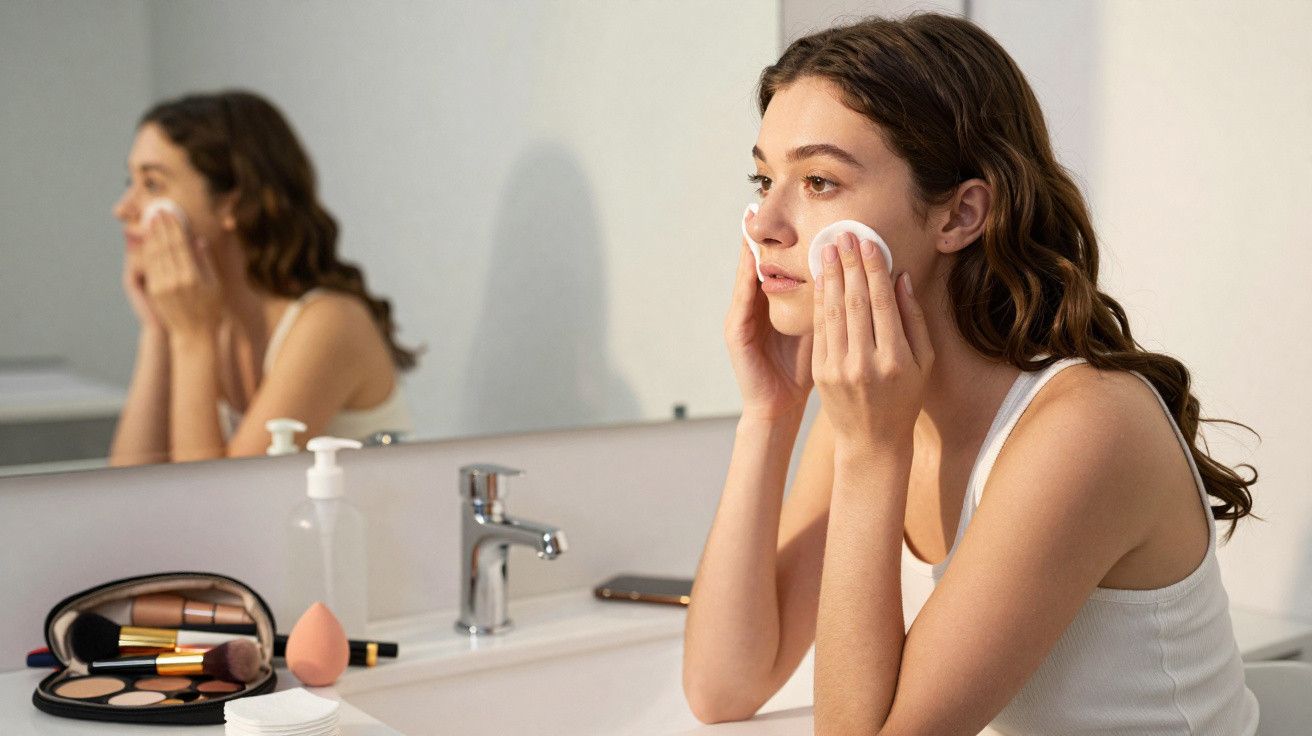
- Cleanse the skin thoroughly and pat it dry gently.
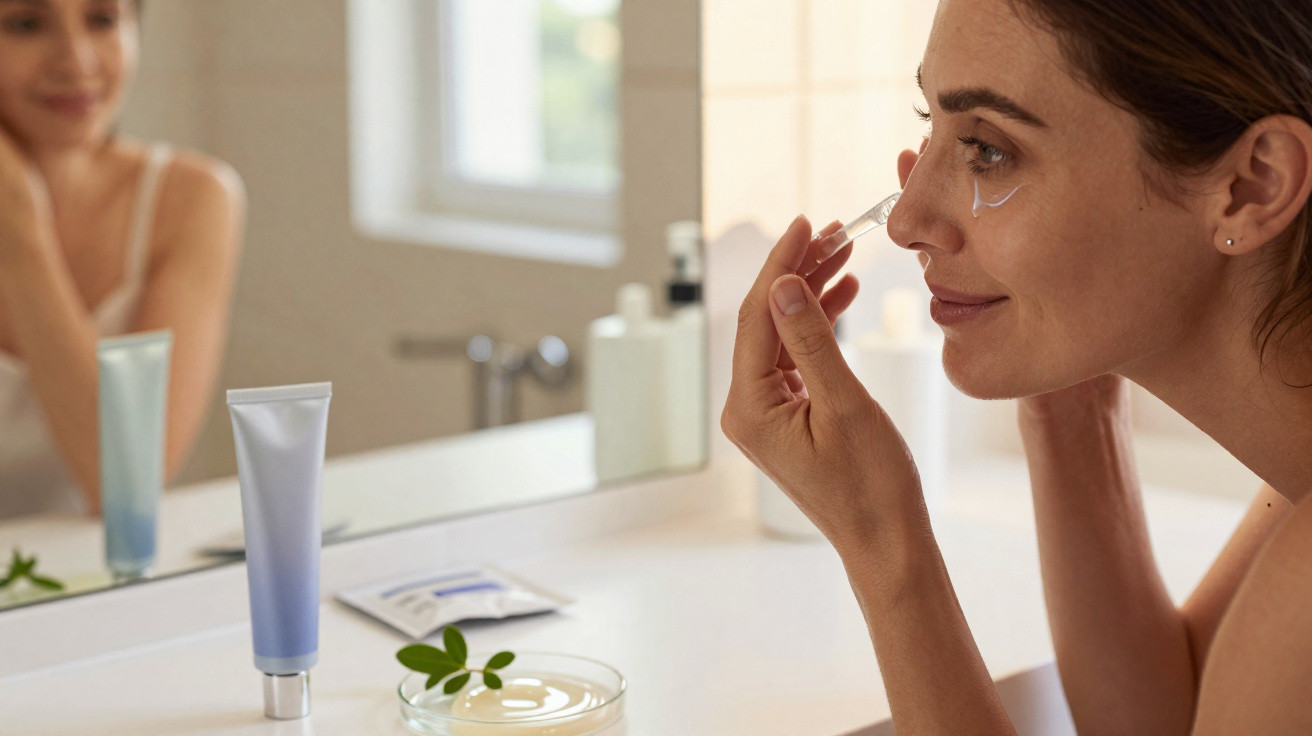
- Take a small amount of balm using your fingertips.
- Massage it into the face, neck and décolletage, working from the centre outwards.
- Apply a little more generously to particularly dry areas, such as the cheeks and neck.
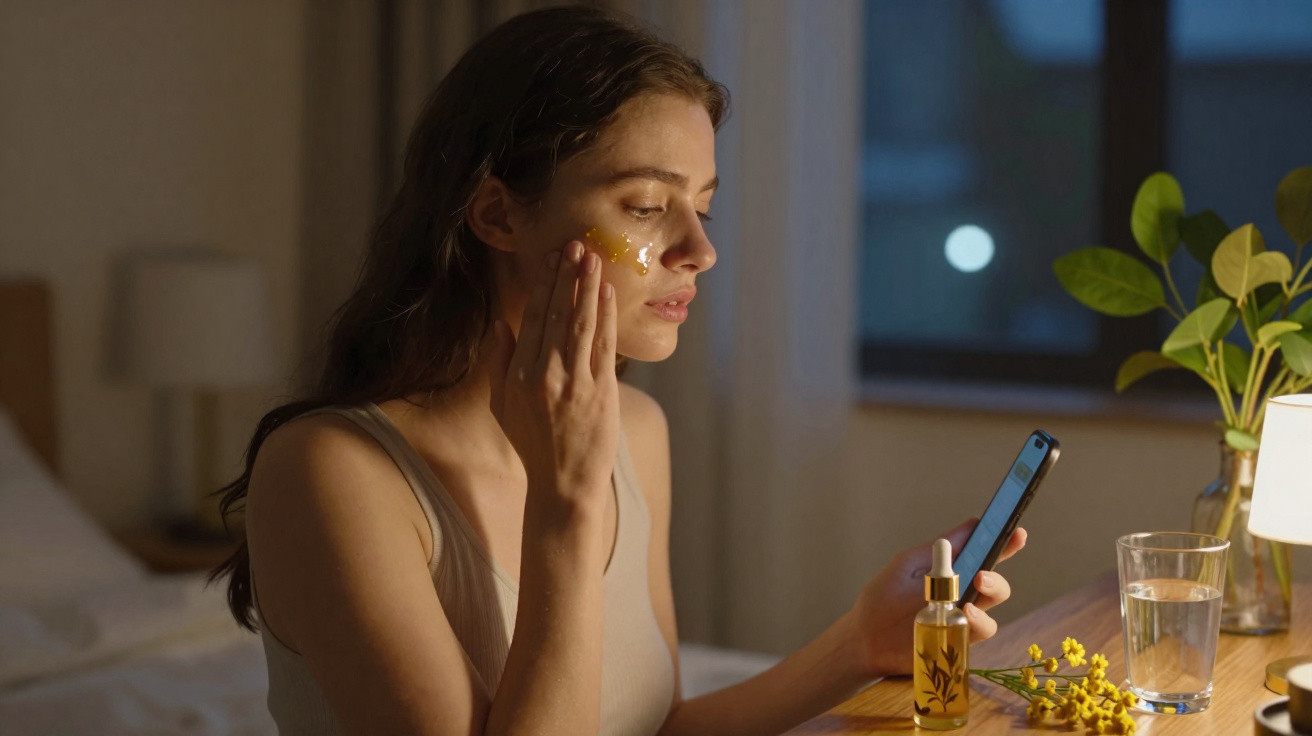
Conveniently, the balm can also be used as an intensive skincare “boost”. Apply a slightly thicker layer as you would a mask, leave it on for 10 to 15 minutes, then gently massage in any excess or remove it with a soft cloth.
Regular day cream, night treatment and mask in one product – the balm could be a solution, especially for minimalist skincare routines.
Price, target group and limits of its effects
The balm is priced in the high-street beauty range, at roughly “around €15”. For a product intended to work as day care, night care and an intensive treatment, this remains comparatively affordable.
The treatment appears especially suitable for:
- people with mature, very dry skin
- those seeking firmer facial contours
- anyone who prefers a rich yet uncomplicated skincare routine
Despite all its claimed benefits, this balm cannot work miracles either. Deep wrinkles will not disappear completely, and pronounced tissue laxity can only be influenced to a limited extent by skincare alone. Cosmetics can improve the skin’s condition and make it appear plumper and fresher, but they are no substitute for a healthy lifestyle or medical treatments.
Why mature skin needs specialised care
Over the years, almost every process in the body slows down, and this is particularly evident in the skin. Moisture levels decrease, sebum production falls, and collagen and elastin form more slowly. Sun damage and environmental stressors also affect the skin’s structure.
Typical signs of mature skin include:
- dry, often tight areas, particularly on the cheeks and neck
- more pronounced lines on the forehead, around the eyes and around the mouth
- less defined chin and neck contours
- a more uneven complexion, mild redness and pigment changes
Skincare products such as the new Nivea balm are designed to address these concerns: they are intended to replenish lost lipids, stabilise moisture balance and strengthen the skin’s structure over the long term. This can help skin look smoother, softer and better cared for overall despite natural ageing.
How the new balm can be combined effectively
Anyone wishing to get more from their routine can combine the balm with other products. Useful additions include:
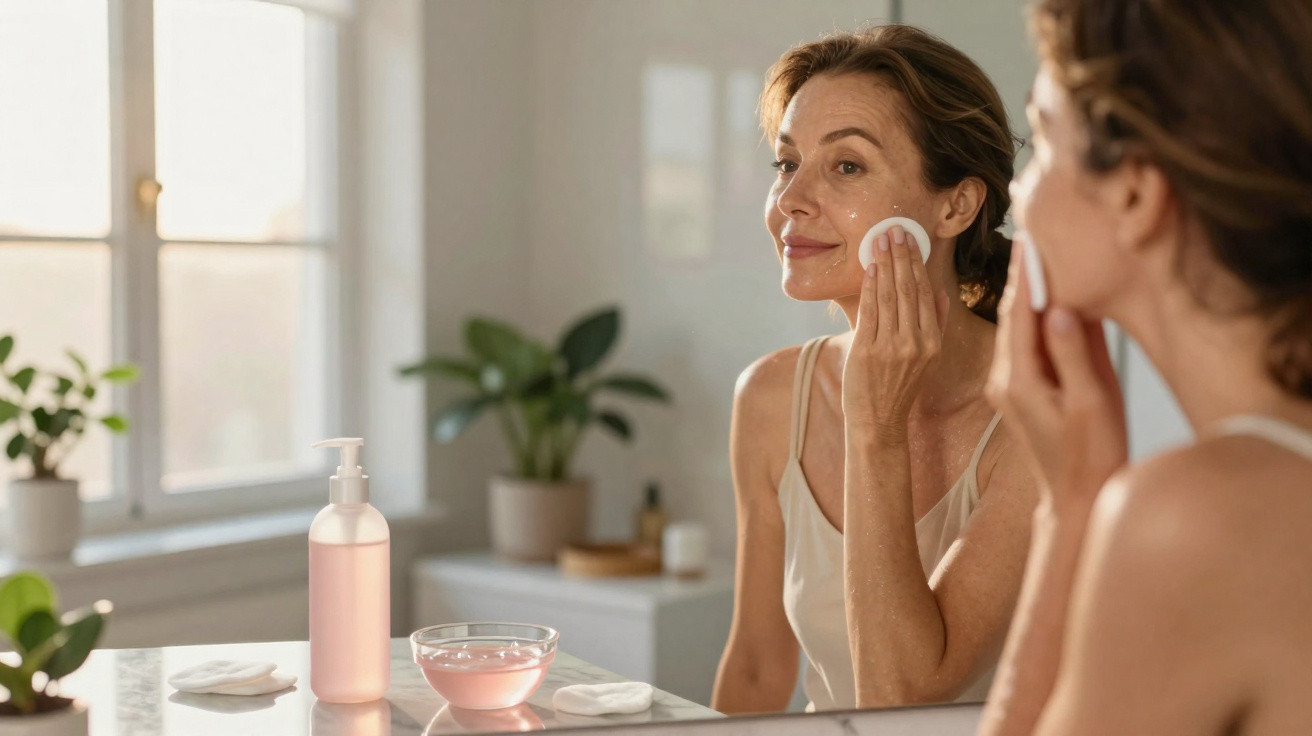
- Gentle cleansing: A mild cleansing gel or cleansing milk, so the skin barrier is not put under unnecessary strain.
- Hyaluronic acid serum: Applied beneath the balm, a hyaluronic acid serum can provide additional moisture-binding benefits.
- Sun protection in the morning: A separate sunscreen helps reduce new sun-related wrinkles and pigmentation marks.
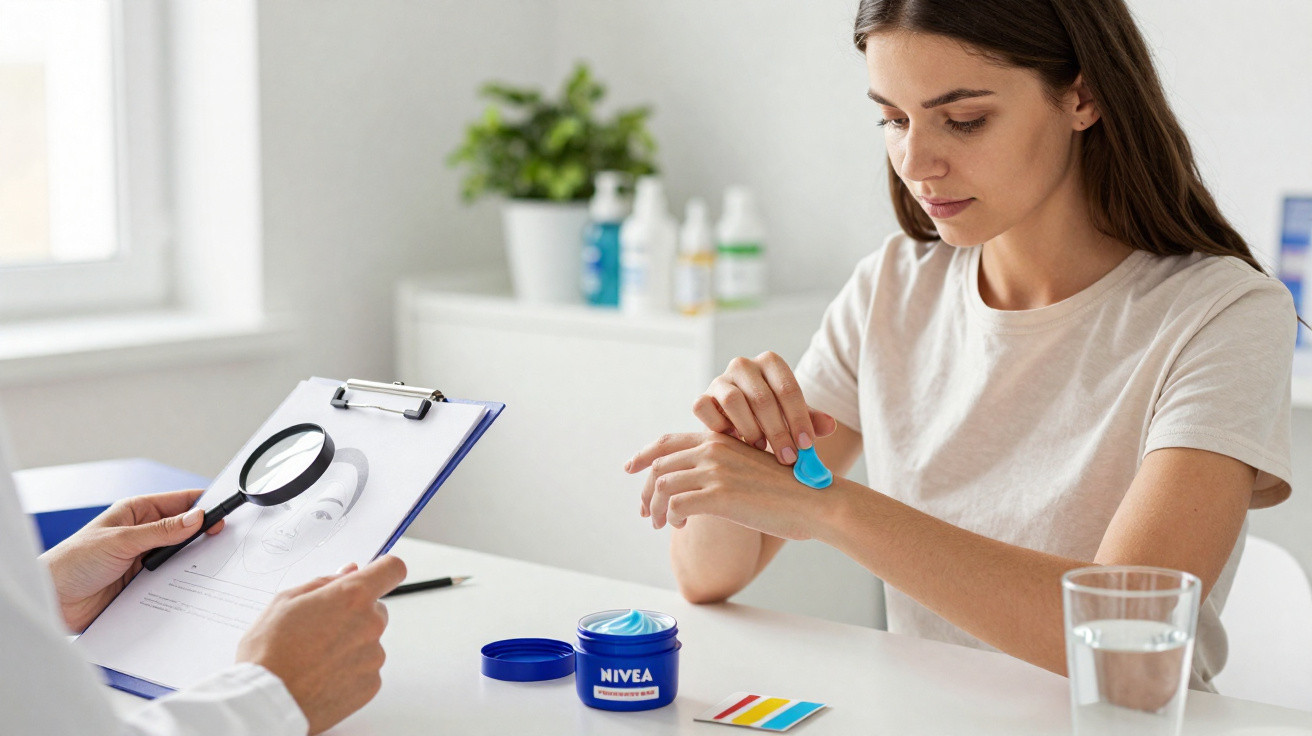
Those with sensitive skin are best advised to patch-test new products on a small area first. If the skin does not react with redness or stinging after 24 hours, there is little to prevent regular use.
The interesting question remains: will the traditional blue tin now move to the top shelf while the new Q10 balm takes its regular place beside the basin? For many people with mature, very dry skin, the answer could indeed be “yes” – because their needs have changed, and Nivea is responding with a far more targeted formulation.



Comments
No comments yet. Be the first to comment!
Leave a Comment