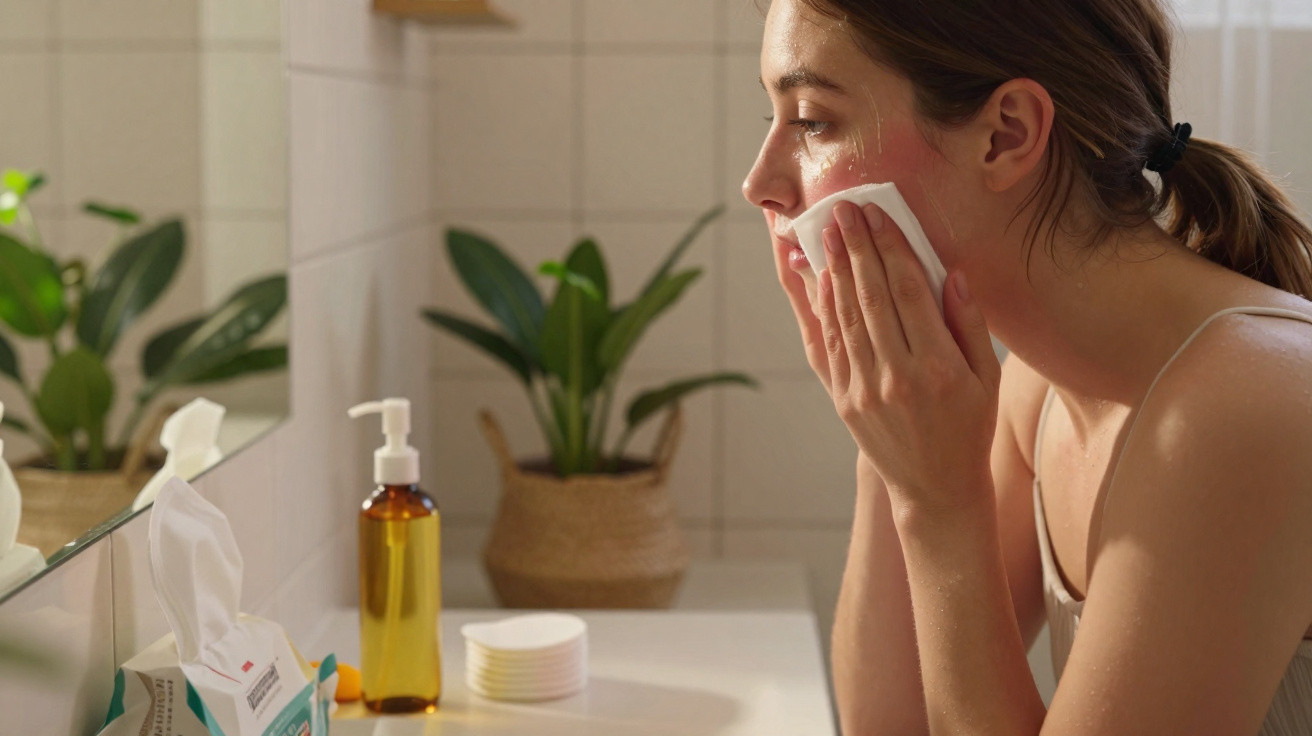
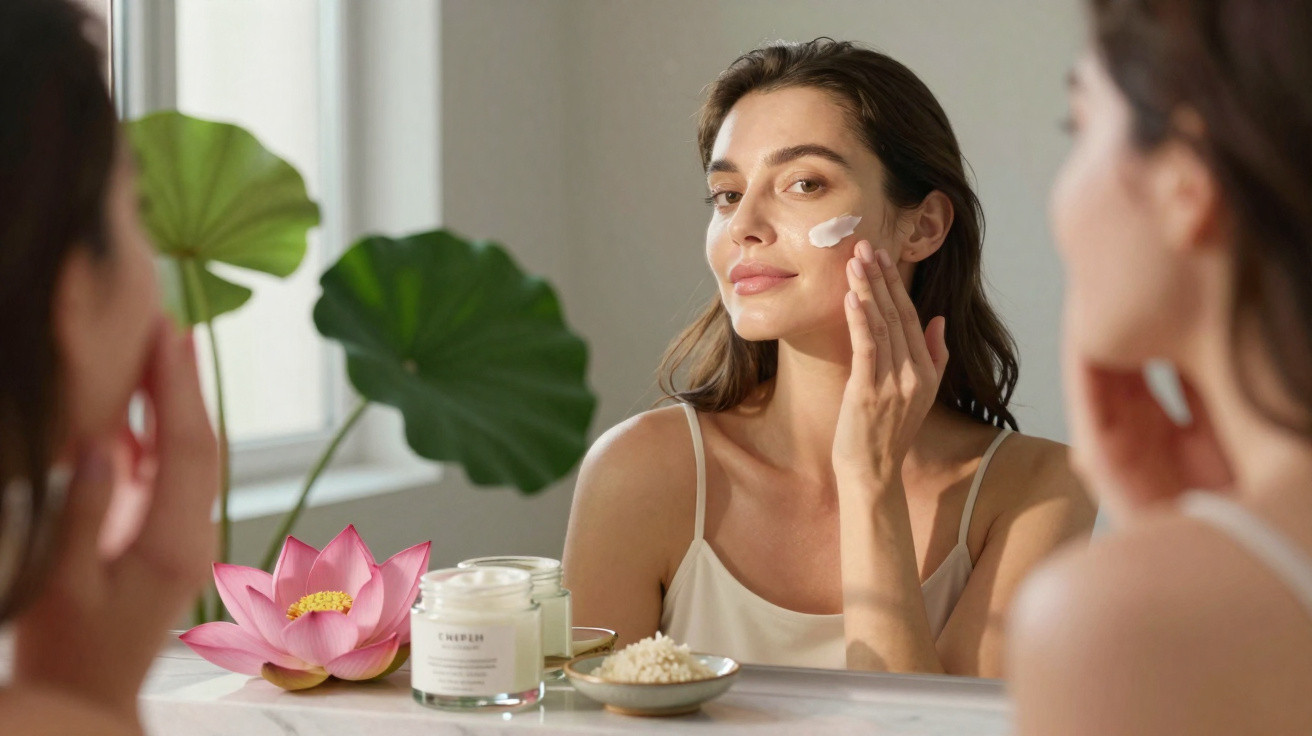
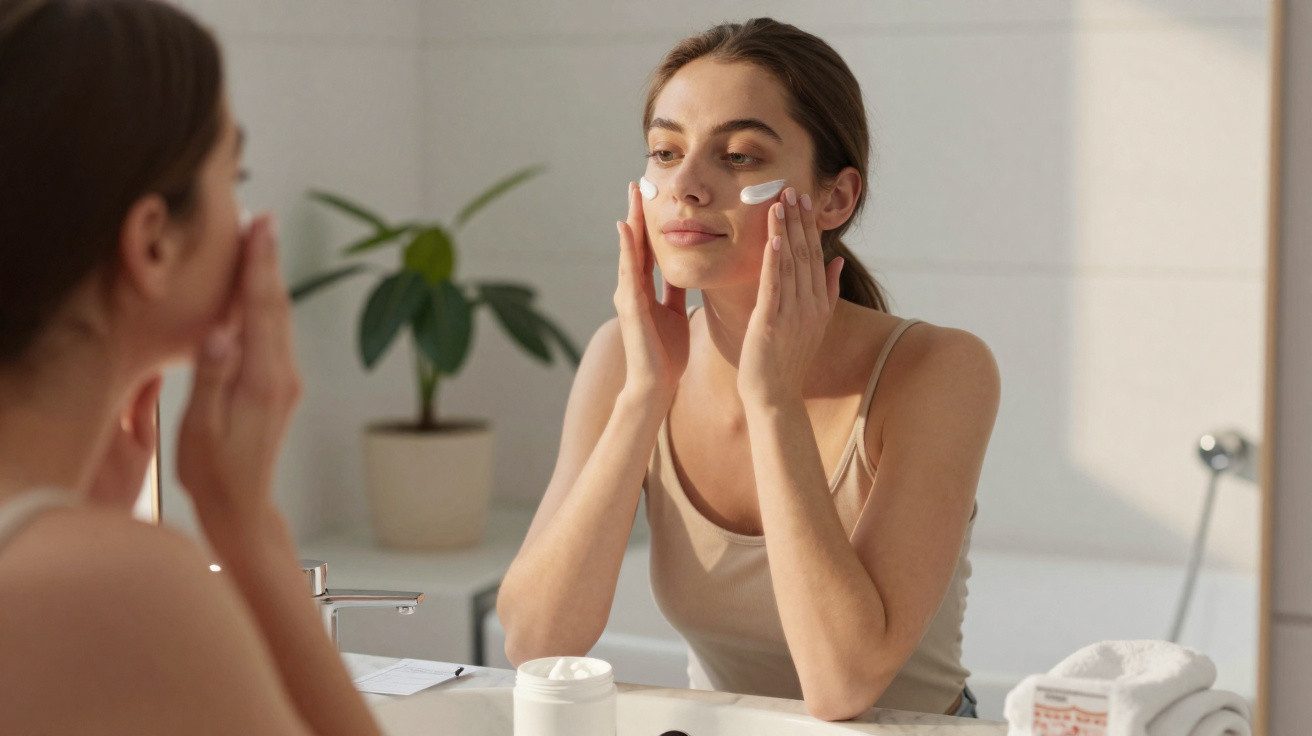
The woman facing the bathroom mirror looks exhausted.
It is not her day that has worn her down, but her cotton pad. She presses, rubs and pulls at her eyeliner as though she were scouring a saucepan. Her mascara runs, foundation smears and her cheeks turn red before her eyes. She puts it down to “sensitive skin” and applies the richest cream she has, as though moisture alone could solve the problem.
On social media, this routine would be over in 10 seconds beneath a flattering filter. In reality, it is far more brutal. The pad makes a faint squeaking sound as it moves over her face. Her eyes sting slightly. She reassures herself that this is ordinary, that properly clean skin is supposed to feel a little raw.
What she cannot see is the quiet damage happening underneath.
The makeup removal mistake quietly harming your skin
The makeup itself is rarely the real issue. More often, it is how we remove it, night after night, without thinking. For plenty of people, “taking off makeup” means rubbing until the cotton pad comes away completely clean. There is no slip, no time and no gentleness - only friction and a faint feeling of guilt at 11:43 pm.
That friction may be slight and almost impossible to see, but your skin notices every pass. Your cheeks become flushed, the creases beside your nose start to burn and your eyelids feel mildly sore. Across months and years, this habit becomes a constant, low-level assault on the skin barrier. You may not spot the moment when ordinary skin becomes “I react to everything now”. Your skin certainly does.
We call it cleansing. Your skin may experience it as micro-abrasion.
One humid Wednesday evening, a 29-year-old graphic designer I interviewed described her routine almost as though she were confessing. She wore long-wear foundation, waterproof mascara and matte lipstick. Yet she removed it all with a single product: a strong, alcohol-heavy micellar water and coarse cotton pads.
“I rub until my skin squeaks,” she said, laughing before falling silent. Her cheeks had a permanent pink tone, and not the fresh, dewy-blush kind. During the previous two years, she had begun experiencing burning after showers, reactions to products she once loved and red patches around her nose that never truly went away.
Her dermatologist did not put the blame on hormones or stress alone. He drew attention to her nightly battle with makeup: the pads, the pressure and the harsh formula. Together, they had gradually conditioned her skin to remain on high alert. The diagnosis had a name: chronic skin sensitivity induced by barrier damage.
This is what is happening below the surface. Your skin barrier is a thin, intricate network of lipids and cells, rather like a brick wall that keeps irritation, pollution and dehydration out. When you vigorously rub away makeup using harsh cleansers, you are doing more than removing pigment. You are taking away protective lipids, disrupting the microbiome and causing unseen micro-tears.
The more you strip away, the more permeable that wall becomes. With a compromised barrier, irritants and allergens can enter more readily. The consequences include redness, stinging, itchy areas, tightness after cleansing and even small breakouts that resemble acne without quite being acne. You may keep switching products, convinced that you are “allergic to everything”, when the issue often started with the way you remove makeup.
It’s like sanding the same spot on a wooden table night after night. Eventually, the varnish disappears. Then the wood itself starts to suffer. Skin works in a similar way.
How to remove makeup without punishing your face
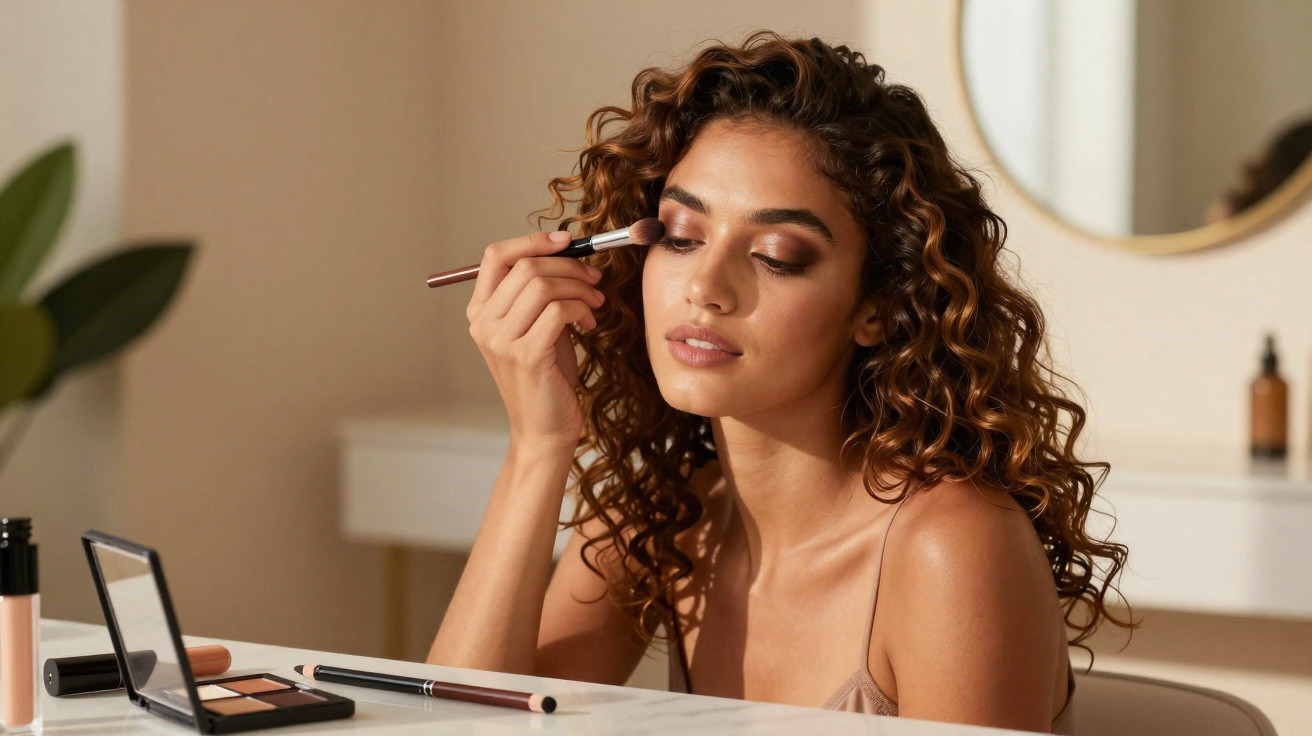
The most skin-protective approach is almost surprisingly gentle. Rather than scrubbing, allow the product to do the work. In practice, that generally means using a balm, oil or milky cleanser that dissolves makeup before you reach for a towel. Warm a small amount in your fingers, work it over dry skin and allow 30 to 60 seconds for it to break down pigment and sunscreen.
The massage is important. Gentle, small circular movements - particularly around the nose and along the jawline - release makeup without pressure. Around the eyes, softly sweep your ring finger from the inner to the outer corner, as if smoothing silk. Next, emulsify the cleanser with a little lukewarm water and rinse it away, or lift it off by pressing a soft, damp cloth against the skin rather than dragging it across the face.
With the right texture, makeup simply… releases. There is no burning and no squeaking. You are left with clean, settled skin that does not feel as if it has been in a fight.
This is also where everyday habits subtly work against us. Many people still rely on face wipes as their main cleanser, whether or not they admit it. They feel convenient, particularly after late nights or long commutes. The trouble lies in the combination of rough fibres, repeated rubbing and frequently drying ingredients that remain on the skin rather than being rinsed off.
Pressure is another problem. We tend to underestimate how firmly we press. This is especially true around the eyes, where some people scrub at mascara as if they were rubbing out pen marks. The result can be broken lashes, irritated eyelids and persistent pinkness that no concealer completely hides. Let’s be honest: nobody really does this every day as carefully as in the highly polished tutorials.
We have all had that exhausted moment at the sink, debating whether to “clean properly” or simply run a pad across the face and hope for the best. It is these shortcut evenings, when repeated regularly, that build into long-term sensitivity. It is not one dramatic error, but a quiet recurring pattern.
A dermatologist I spoke to put it in one brief sentence:
“Your makeup remover should feel like skincare, not like punishment.”
Once makeup removal is viewed as skincare, the rules change. You begin to read labels: fragrance-free options if your skin is reactive, pH-balanced formulas if cleansing already leaves you feeling tight, and richer textures if you wear waterproof or long-wear makeup. You may also rethink your tools, choosing soft microfibre cloths over rough towels and reusable pads with smooth fibres rather than scratchy cotton.
- Opt for a mild oil, balm or milk as your first step, especially when wearing SPF or long-wear makeup.
- Keep cotton pads and wipes for occasional use rather than making them your standard routine.
- Use lukewarm water only; hot water intensifies redness and tightness.
- Pat instead of rubbing when drying your face or lifting away product.
- Pay attention to warnings: stinging, burning and severe tightness are not a “normal clean feeling”.
Rethinking “clean” to help your skin settle
There is another part to this: the way we relate to the idea of being “clean”. Many people have learnt that skin should feel stripped, matte and almost squeaky after cleansing. Any sensation of slip or moisture is dismissed as leftover product. This belief drives the over-cleansing, double-wiping and triple-rubbing routines that slowly compromise the skin barrier over time.
Truly clean skin feels different. It is soft rather than tight. It retains a light, comfortable layer at the surface, particularly at night. You should be able to move your face without feeling it pull. If you are accustomed to that severe clean-slate sensation, this may feel wrong initially. Yet that remaining comfort is what helps protect you from sensitivity flare-ups the following day.
When you begin to regard makeup removal as a gentle conversation with your skin rather than a battle, modest changes add up. Redness lingers for less time. Burning around the nose eases. The list of products you “can’t tolerate” gradually becomes shorter. This is often where genuine skincare progress starts.
| Key point | Detail | Why it matters to the reader |
|---|---|---|
| Nightly friction damages the barrier | Repeated rubbing with harsh products leads to micro-tears and lipid loss | Helps explain sudden, lasting sensitivity and redness |
| Gentle textures do the hard work | Oils, balms and milks dissolve makeup so force is unnecessary | Provides a practical way to cleanse thoroughly without irritation |
| “Clean” should not sting or burn | Comfort after cleansing indicates a healthier skin barrier | Offers a simple way to adjust your routine straight away |




Comments
No comments yet. Be the first to comment!
Leave a Comment