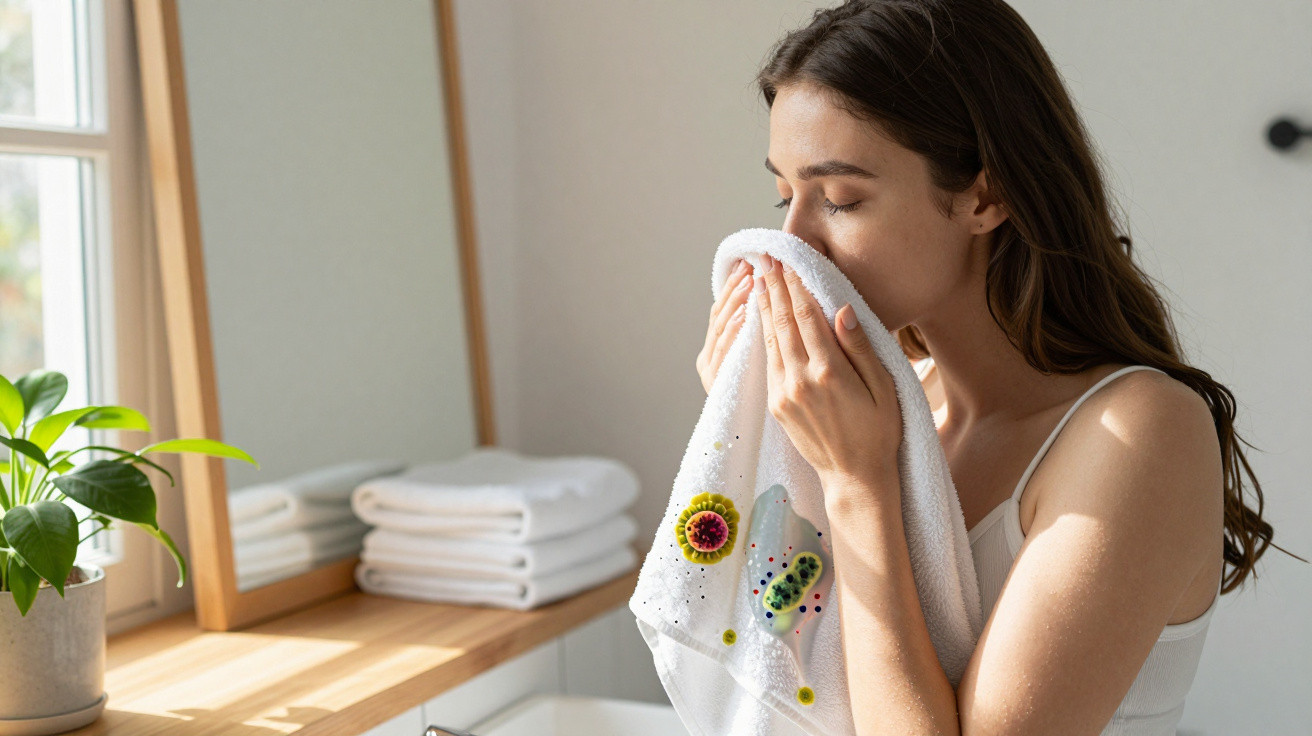
In the bathroom, many things appear clean as long as they do not smell or show stains.
Yet one everyday item can be far more deceptive than it seems.
You have just showered, reached for a soft towel and everything feels hygienic – but that very towel can become an ideal habitat for germs. A recent study from Japan shows that, within just a few weeks, a dense bacterial network can develop in its fibres and prove difficult to wash away.
What the Japanese study actually found
A research team led by microbiologist Kato monitored towels in 26 Japanese households over a six-month period. From October 2021 to March 2022, the researchers regularly collected samples directly from the fabric.
They examined ordinary bathroom towels used daily after showering or washing hands. This was not hospital laundry, but towels used in the everyday lives of typical families.
The researchers wanted to establish:
- How quickly do bacteria multiply in towels?
- When do stable, hard-to-remove layers of germs begin to form?
- Which bacterial species become particularly established?
The longer the towels remained in use, the denser the microbiological coating became. Above all, the combination of moisture, bathroom warmth and contact with skin gradually turned the textiles into an ideal breeding ground.
After around eight weeks of use, the towels had already developed a bacterial stronghold that barely responded to ordinary wash cycles.
Two months of use: 164,000 bacteria per square centimetre
The figure that has caught experts' attention is this: after roughly 60 days of use, the researchers measured an average of up to 164,000 bacteria per square centimetre of fabric. That is per square centimetre, not per towel.
For comparison, our skin is naturally inhabited by billions of microorganisms. The difference is that the skin maintains a certain balance, continually renews itself and washes away some germs. In a towel, however, residues from many showers accumulate and become trapped in the weave.
At the same time, the make-up of the germs changed. Alongside typical skin bacteria, so-called water bacteria such as Aureimonas and Brevundimonas appeared increasingly often. They do not originate in the skin microbiome, but come from tap water and damp surfaces – and thrive particularly well in a towel that remains slightly moist.
When towels form their own protective layers
One key finding of the study was that, at about the eight-week mark, the bacteria begin to organise themselves. They form what are known as biofilms – multilayered structures that sit on and within the fibres like a protective coating.
Within these biofilms, the germs cluster closely together and are enclosed in a self-produced slimy layer. This matrix protects them against:
- detergents
- mechanical agitation in the washing machine drum
- moderate heat in a standard wash programme
In effect, the towel becomes a micro-ecosystem that is difficult to reset completely. A 40 °C wash leaves a significant proportion of the community untouched. Even at 60 °C, many programmes affect the fibres but do not reach every bacterium inside the layer.
After two months of use at the latest, the germs are no longer merely sitting on the fabric – they have taken up permanent residence inside it.
Faecal bacteria and your face: an unpleasant combination
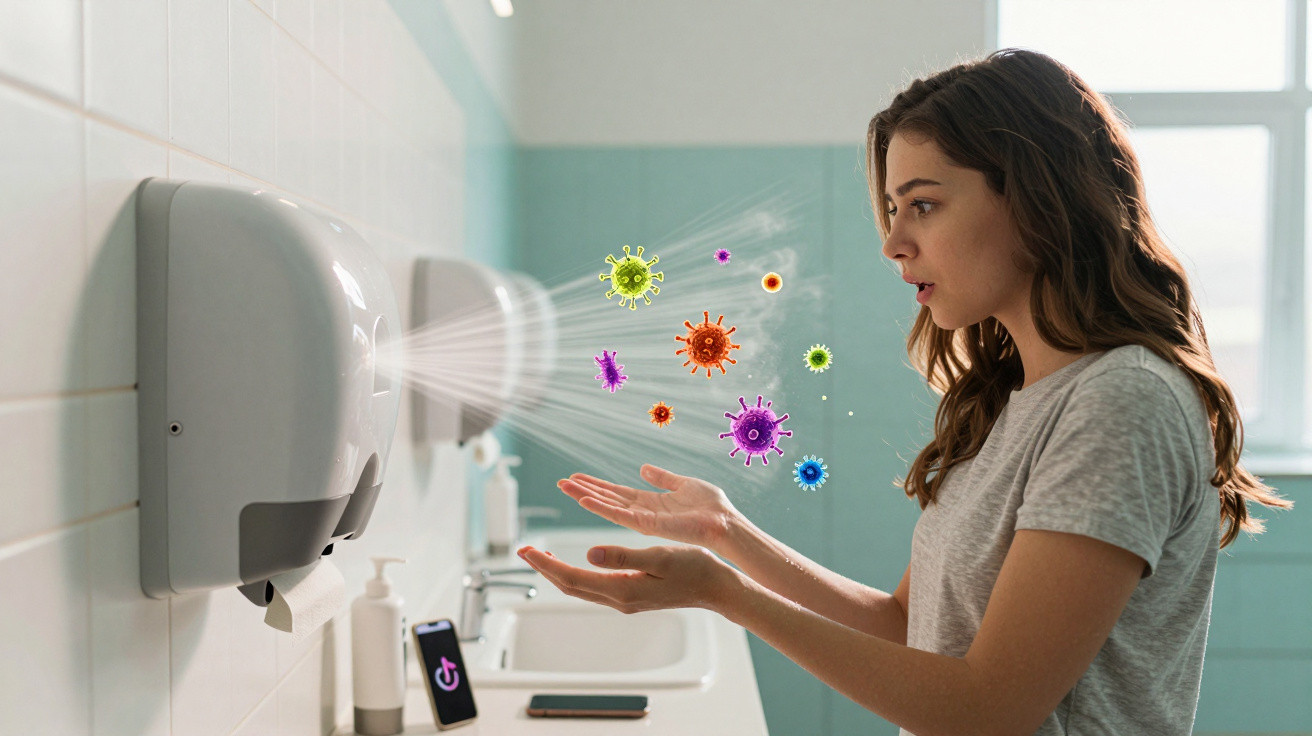
Alongside the Japanese findings, further studies from other countries paint a clear picture of the health risks. A widely cited report from the United States, for example, found traces of faecal germs, particularly Escherichia coli, on up to 90 per cent of examined household towels.
The source is usually mundane: hands are washed too briefly or without soap, then dried thoroughly – and the germs end up in the towel. The next time it is used, they can be transferred to the face, mouth or eyes.
Environmental microbiologist Charles Gerba found that bacterial contamination rises sharply after as few as three uses without washing. The parts of the towel that touch the face and hands are especially affected. In precisely the areas where we feel supposedly “clean”, germ density may therefore be at its highest.
How often should towels really be washed?
The message from microbiologists is clear: anyone using the same towel continuously for several weeks is severely underestimating the germ load. Experts therefore recommend washing towels much more often than is common in many households.
| Type of towel | Recommended use before washing | Ideal washing temperature |
|---|---|---|
| Towel for face and hands | every 2–3 days | at least 60 °C |
| Shower towel / bath towel | after 3–4 uses | at least 60 °C |
| Guest towel | after every visit | 60 °C |
| Sports or sauna towel | after every use | 60 °C, dry as quickly as possible |
Anyone who rarely washes at 60 °C overall – perhaps to save energy – should at least put hand towels and shower towels on this programme. They are where a great deal of body moisture, skin oil and dirt builds up.
How to store towels properly between washes
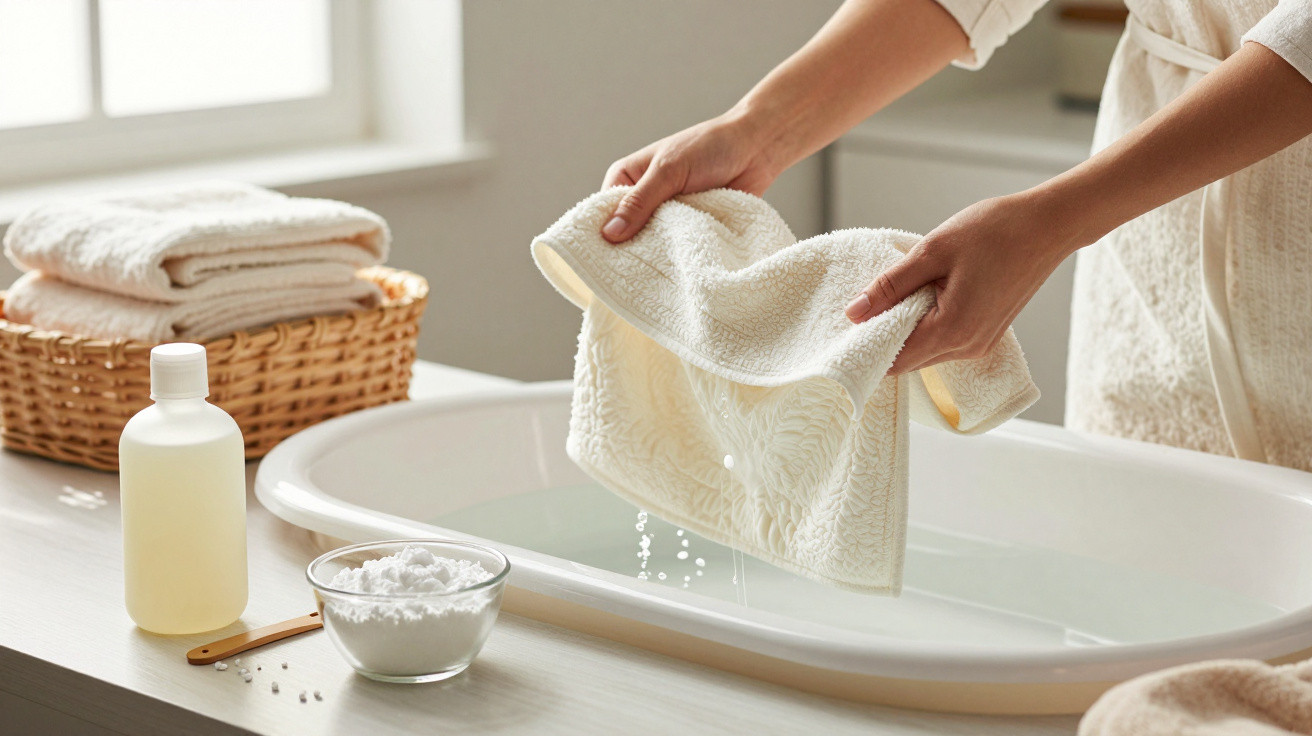
Drying is just as important as washing frequency. A towel left crumpled and damp on a hook for hours becomes an ideal incubator.
Practical rules that are easy to follow every day include:
- Spread the towel out fully after each use rather than folding it in half or thirds.
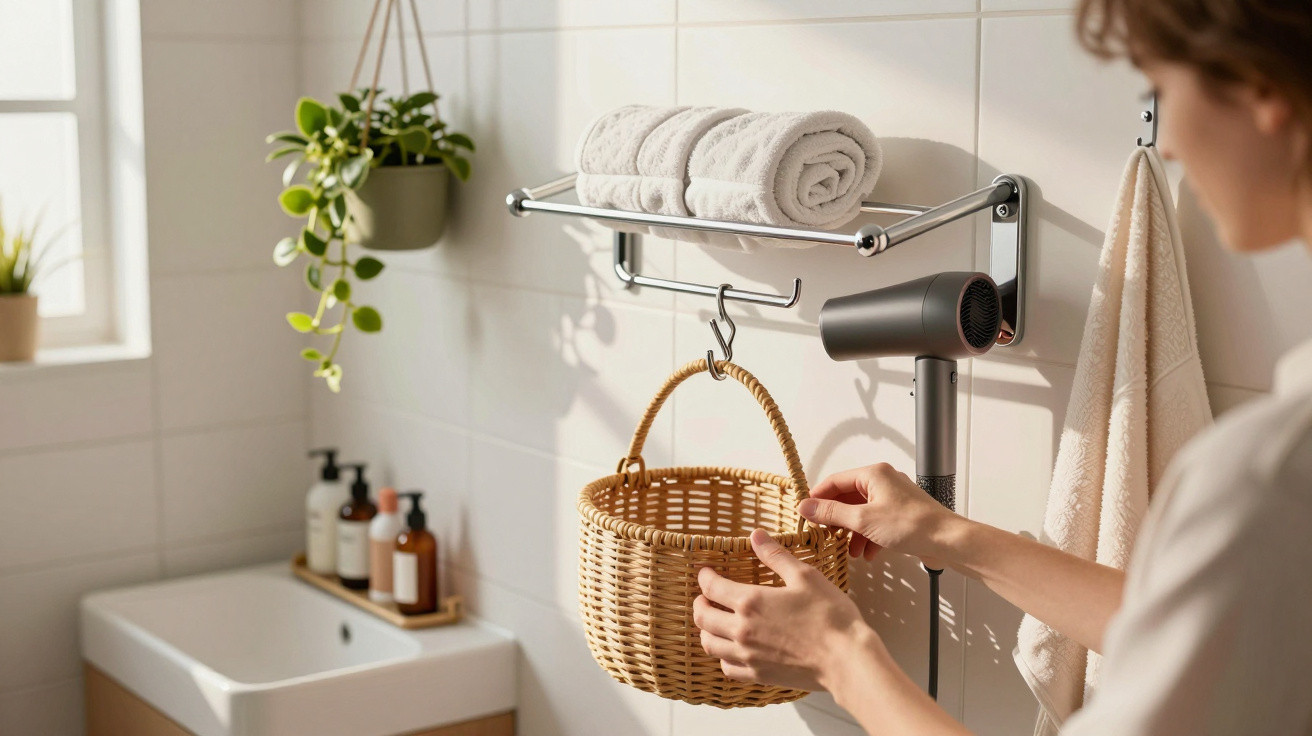
- Where possible, hang it over a rail instead of a cramped hook.
- Air the bathroom regularly and do not close the door immediately after showering.
- Do not share towels between several people – everyone in the household should use their own.
- Do not use strongly smelling or clammy towels “just once more”; put them straight into the laundry instead.
The less time a towel stays damp, the poorer the bacteria's chances.
When replacing towels makes more sense than another wash
The Japanese long-term observation offers another uncomfortable indication: after around 60 days of continuous use, biofilms are so well established that normal washing routines can barely remove them entirely. The towels remain functional, but from a hygiene perspective they are reaching their limit.
Anyone keeping bath towels in constant service for months should therefore make a clean break. By then, it makes sense to use older ones as cleaning cloths or dispose of them, while bringing fresh towels into circulation in the bathroom.
How dangerous are germs in everyday life?
For healthy people with a robust immune system, a used towel does not usually pose an acute emergency. Many of the bacteria found are part of the normal environmental or skin flora anyway. Problems arise mainly in certain situations:
- where there are open wounds or irritated skin
- for older people or young children
- for people with weakened immune systems
- where several people share one towel and pathogens are circulating
In families where stomach bugs or respiratory infections occur more frequently, changing towels only rarely increases the risk that germs remain in the household and are repeatedly redistributed.
Why our sense of cleanliness is often misleading
Perhaps the most interesting aspect of the study is how clearly it demonstrates the gap between our perception of “clean” and measurable values. A fresh-smelling, light-coloured towel automatically seems hygienic, even when a dense biofilm has already accumulated inside it.
A little everyday scepticism is therefore useful. Treating towels like underwear – washing them regularly, drying them thoroughly and replacing them when visibly worn – significantly reduces the household germ load without turning the home into a clinical environment.
Many small habits make the difference: keep an extra towel or two and change them more often, opt for a 60 °C wash when in doubt, and ensure the fabric can dry completely after showering. That way, the pleasant feeling after a bath remains, without an invisible biome growing alongside it in the towel.





Comments
No comments yet. Be the first to comment!
Leave a Comment