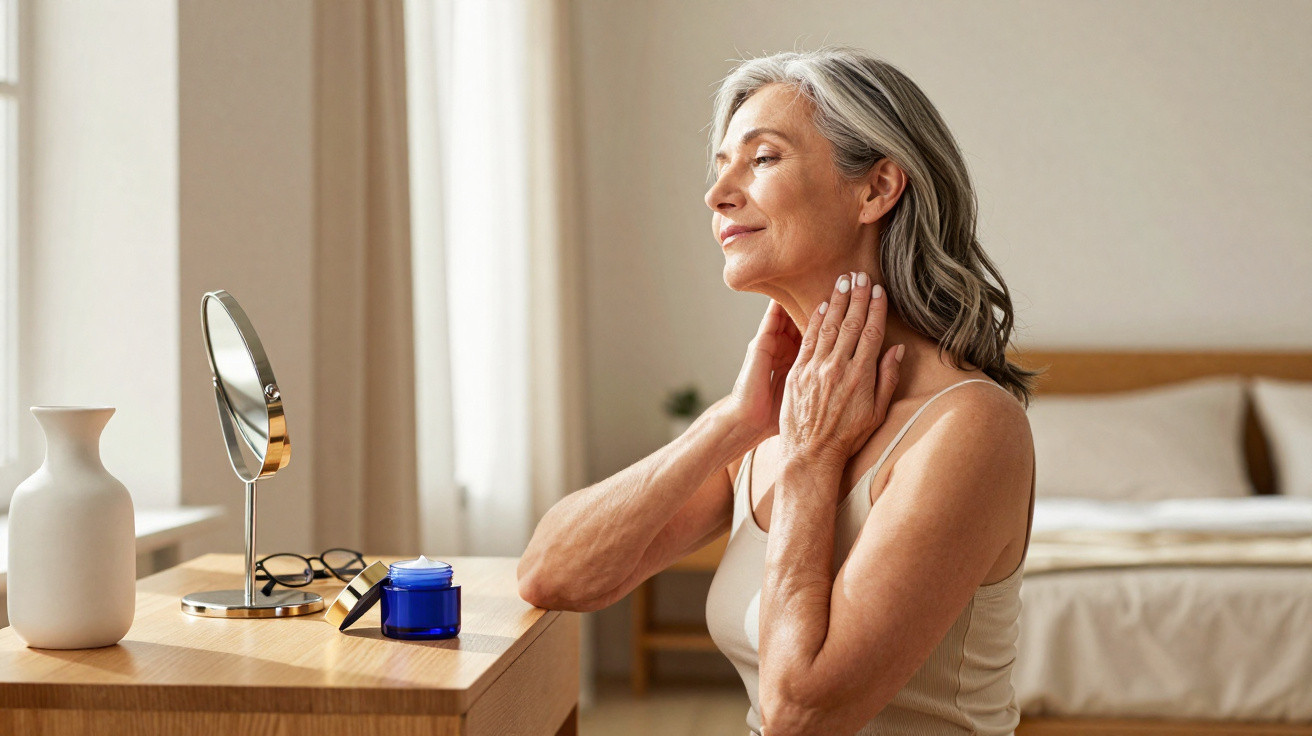
By the age of 50, however, the skin changes – and needs more support.
As the years pass, skin tends to become drier and thinner, loses firmness and develops increasingly noticeable expression lines and forehead wrinkles. This is precisely where Nivea’s new skincare balm comes in: it is considerably richer than the classic iconic cream and has been formulated specifically for mature skin from around the age of 50.
Why the classic blue cream may no longer be enough
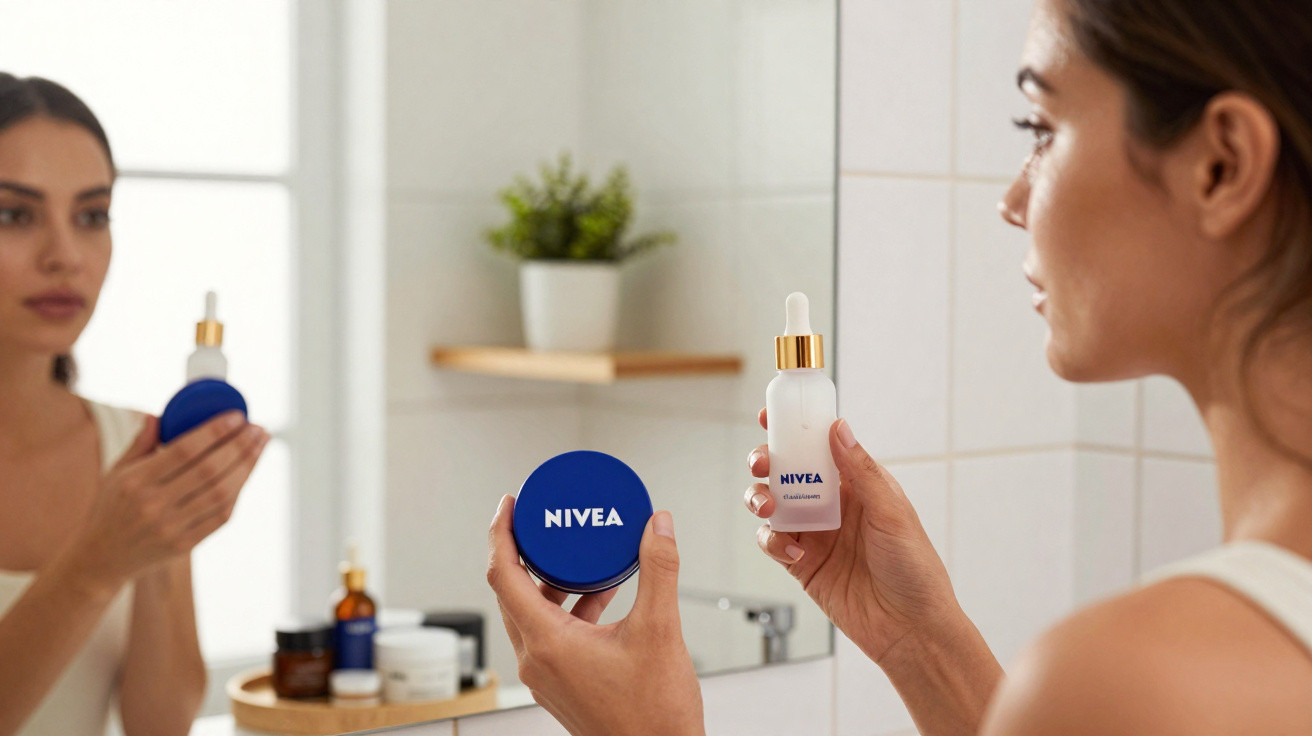
The familiar Nivea cream in its blue tin is a versatile product: it protects the skin, provides lipids and leaves it feeling pleasant. For younger or relatively resilient skin, this can be entirely sufficient. However, the skin’s requirements change significantly with age.
- Skin retains less moisture.
- Sebum production declines, while dryness increases.
- Collagen and elastin are produced more slowly, causing skin to lose firmness.
- Wrinkles become deeper and remain more visible.
A basic cream that is simply highly emollient can do little to specifically counterbalance these processes. Mature skin requires more than lipids; it particularly benefits from active ingredients that stimulate cells, reinforce the barrier and retain water within the skin.
Nivea’s new anti-wrinkle balm for mature, very dry skin
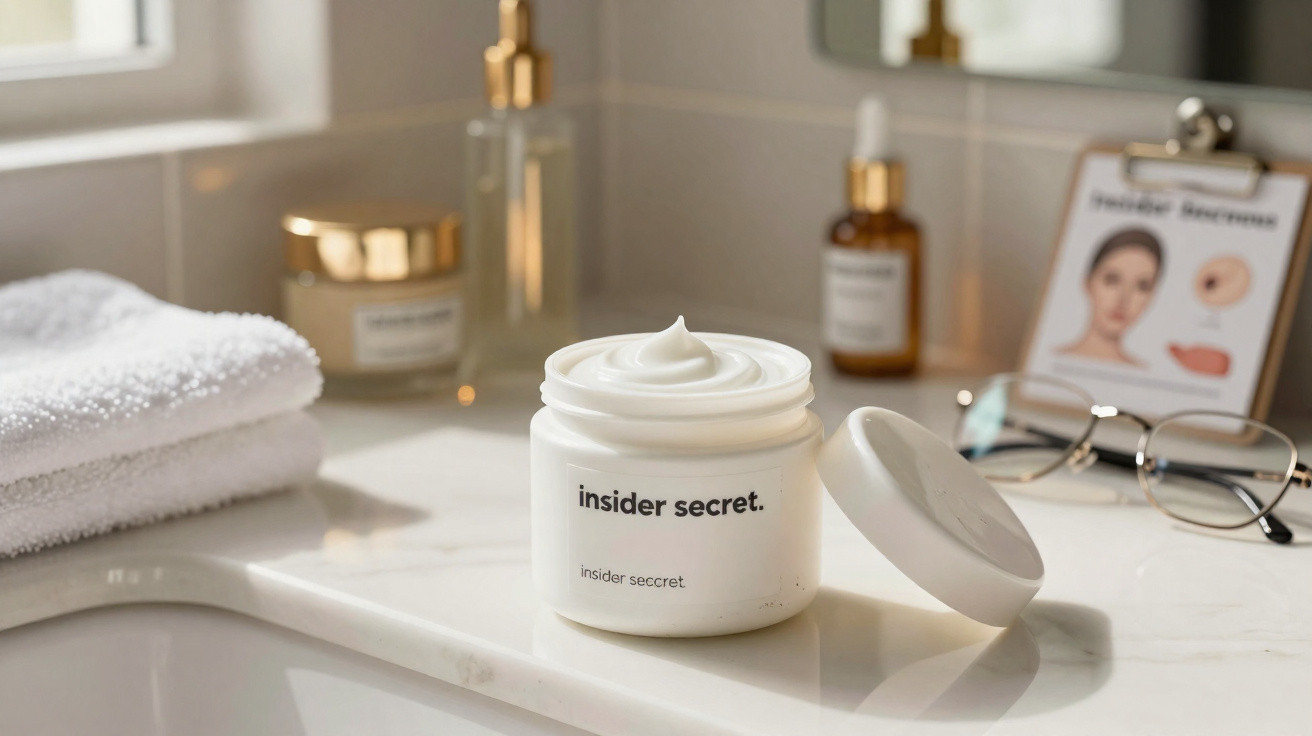
Nivea has launched a new skincare balm for exactly this purpose: the rich Q10 Anti-Wrinkle Collagen Expert Balm for day and night. Although its name sounds technical, the concept is straightforward: to deliver as much care as possible in a cream that remains comfortable to apply.
The balm has been designed primarily for the following skin types:
- mature skin from approximately the age of 50
- very dry skin that feels tight
- skin with visible wrinkles and loss of contour
- skin that feels thin, sensitive and quickly becomes rough
“The texture is noticeably richer than many standard day creams, yet it is formulated to absorb quickly rather than sitting on the skin.”
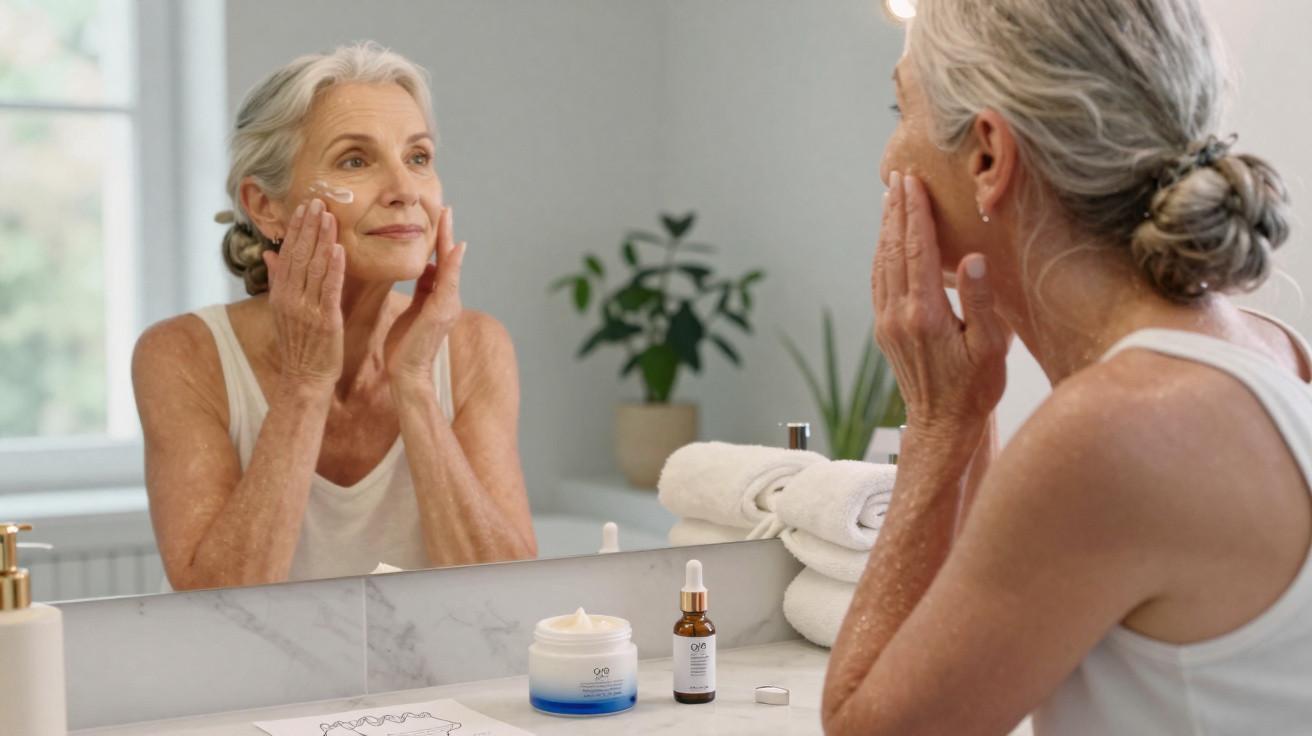
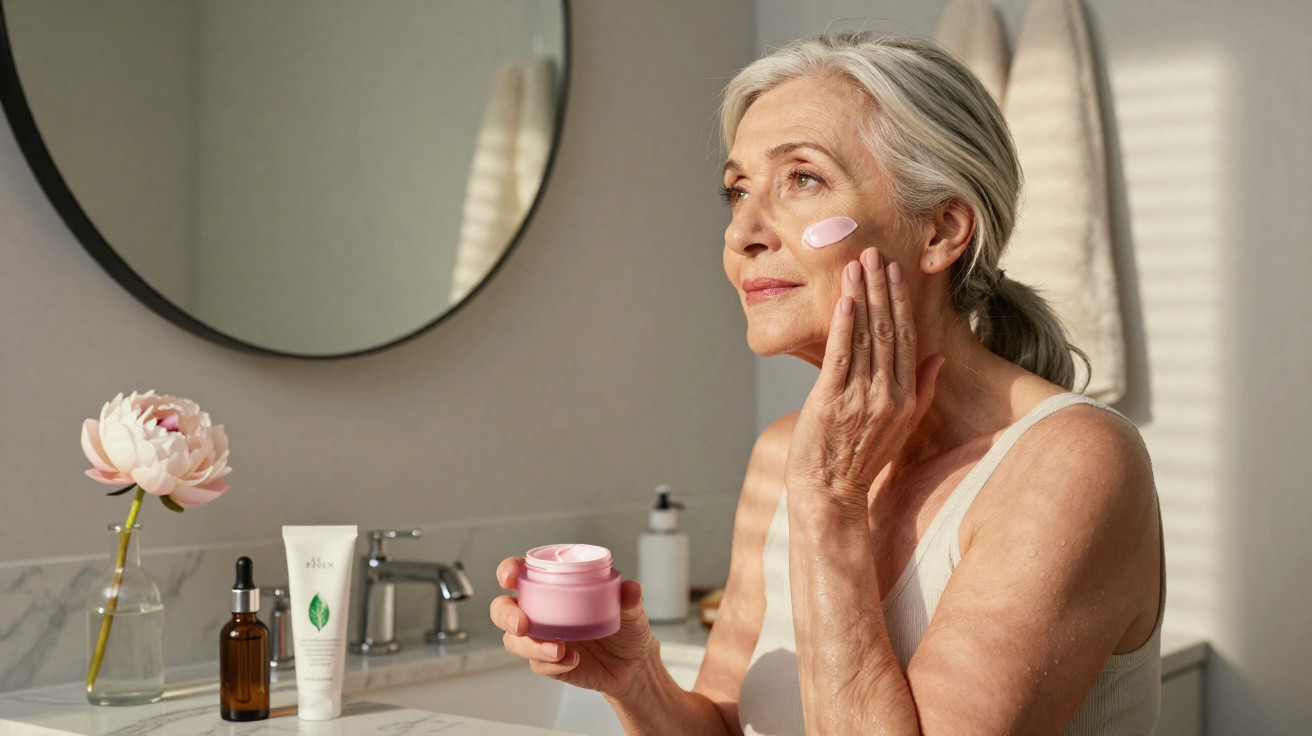
When applied, it creates what is known as a “cocoon” effect: skin immediately feels enveloped and soothed, tightness eases and the surface appears smoother. This can be a noticeable change from a usual skincare routine, particularly after showering or on cold days.
Active ingredients in the new Q10 balm
At the heart of the formula is Q10, an established anti-ageing ingredient familiar from many other Nivea products. It is combined with peptides and ceramides. Together, these ingredients are intended to offer substantially more than a simple rich cream.
| Active ingredient | Function for mature skin |
|---|---|
| Q10 (coenzyme Q10) | supports skin-cell energy production and acts as an antioxidant against free radicals |
| Collagen peptides | signal to the skin to produce more collagen, which can make it appear firmer and more elastic |
| Ceramides | reinforce the skin barrier, prevent water loss and protect against dryness |
Q10 occurs naturally in every cell and plays an important part in energy production. Over a lifetime, Q10 levels in the skin decrease. Q10 supplied externally is intended to help partially close this gap and make cells more resilient.
How quickly can wrinkles and firmness improve?
For the new balm, Nivea points to measurable results after a relatively short period. Changes are not expected overnight, but the appearance of the skin is said to alter noticeably after several weeks.
- After around two weeks: Deep wrinkles and expression lines appear slightly smoother, while the skin’s surface feels softer.
- After approximately four weeks: Facial contours look firmer, and the area around the cheeks and chin appears lifted.
“Consistency is crucial: the active ingredients can only build up their effects when the balm is used morning and evening.”
It is important to note that claims of this kind are generally based on company-internal tests involving participants. Individual results depend on skin condition, lifestyle and the rest of a person’s skincare routine.
Suitable for the face, neck and décolletage – day and night
The Q10 balm has deliberately been created as an all-round product: it can be used morning and evening on the face, neck and décolletage. This makes the routine simpler for many users – with just one pot on the bathroom shelf instead of several products.
How to apply the balm for best results
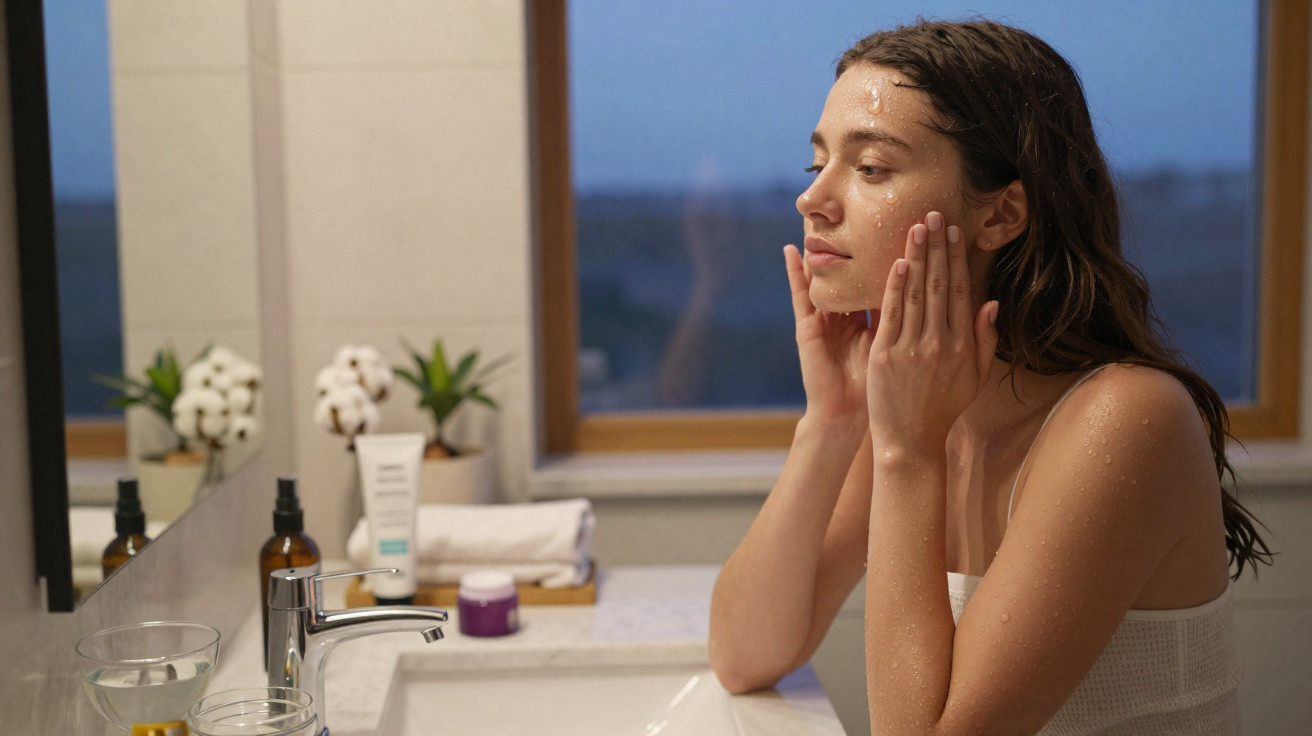
- Thoroughly cleanse the skin in the morning and evening, removing dirt and make-up.
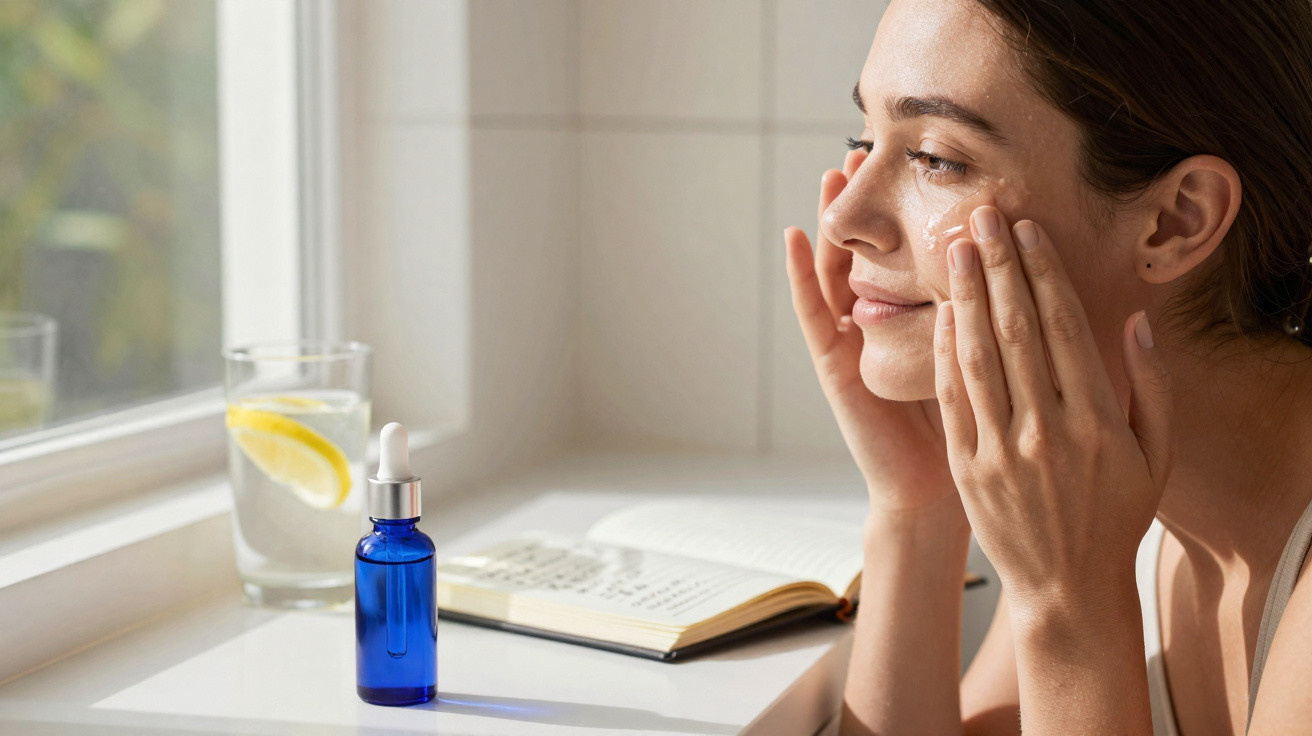
- If required, apply a serum or a light hydrating base first.
- Warm a pea- to hazelnut-sized amount of balm between the fingers.
- Gently massage it from the centre of the face outwards, extending the application to the neck and décolletage.
- Take a moment to use light pressing movements – this stimulates circulation.
According to the manufacturer, the rich formula absorbs quickly without leaving a greasy film. This also makes the balm suitable beneath make-up during the day, provided skin tends towards dryness. For very oily or blemish-prone skin, however, the texture may be too heavy.
What else can make mature skin age faster?
Even the best cream cannot stop the ageing process completely. It can slow it down and reduce visible signs. Anyone caring for mature skin should be aware of several common “wrinkle accelerators”:
- UV radiation: Sun exposure is one of the leading causes of premature skin ageing. Sunscreen remains essential after 50.
- Smoking: Nicotine damages blood vessels and collagen structures, allowing wrinkles to deepen much faster.
- Lack of sleep and stress: Skin regenerates during sleep, and insufficient rest shows directly on the face.
- Central heating and air conditioning: Both dry the skin out further, making fine lines more pronounced.
As part of a considered routine, the new Nivea balm can provide a type of “protective shield” against these stresses. Q10 and antioxidants can buffer oxidative damage to some extent, while ceramides limit moisture loss.
Practical everyday tips for the new skincare product
Anyone switching from the classic blue cream to the Q10 balm does not need to change everything at once. Many people use both: the familiar tin can remain for hands, elbows or body care, while the face receives the more targeted formula.
Those with very sensitive skin should generally test new products on a small area first, such as the side of the neck or behind the ear. Redness, burning or itching are signs to stop using the product and, if necessary, seek medical advice.
For many mature skin types, combining it with other active ingredients can also be appealing: a mild retinol product in the evening or a vitamin C serum in the morning may support the anti-wrinkle effect, provided the skin tolerates them. In these cases, the Nivea balm serves as the protective, soothing final cream.
For anyone whose reflection repeatedly highlights deep wrinkles and slackening contours, Nivea’s new Q10 balm offers a far more modern addition to the familiar blue tin. The classic cream does not lose its fans; it simply gains a newer, specialised “sister” designed specifically for the challenges of skin after 50.


Comments
No comments yet. Be the first to comment!
Leave a Comment